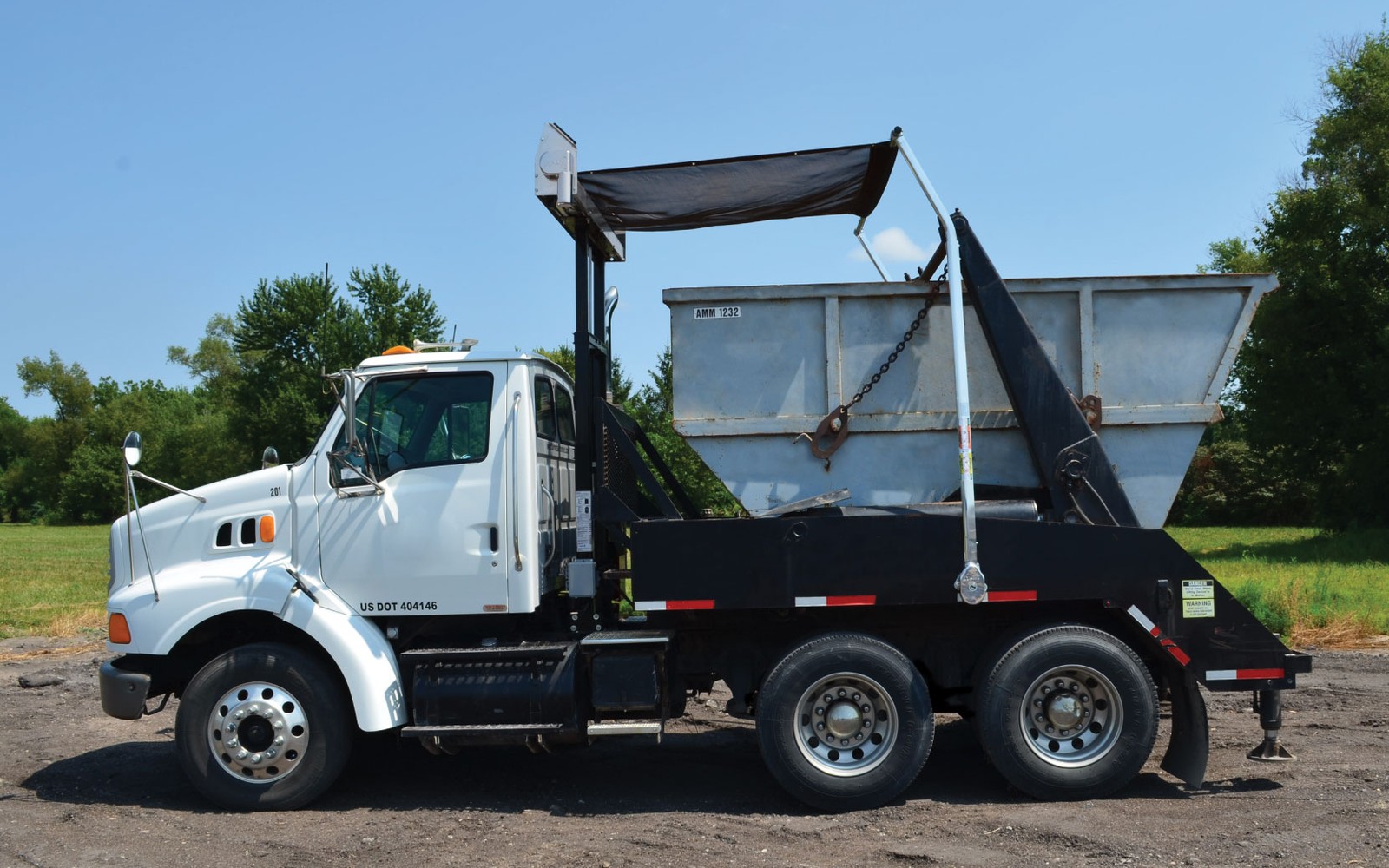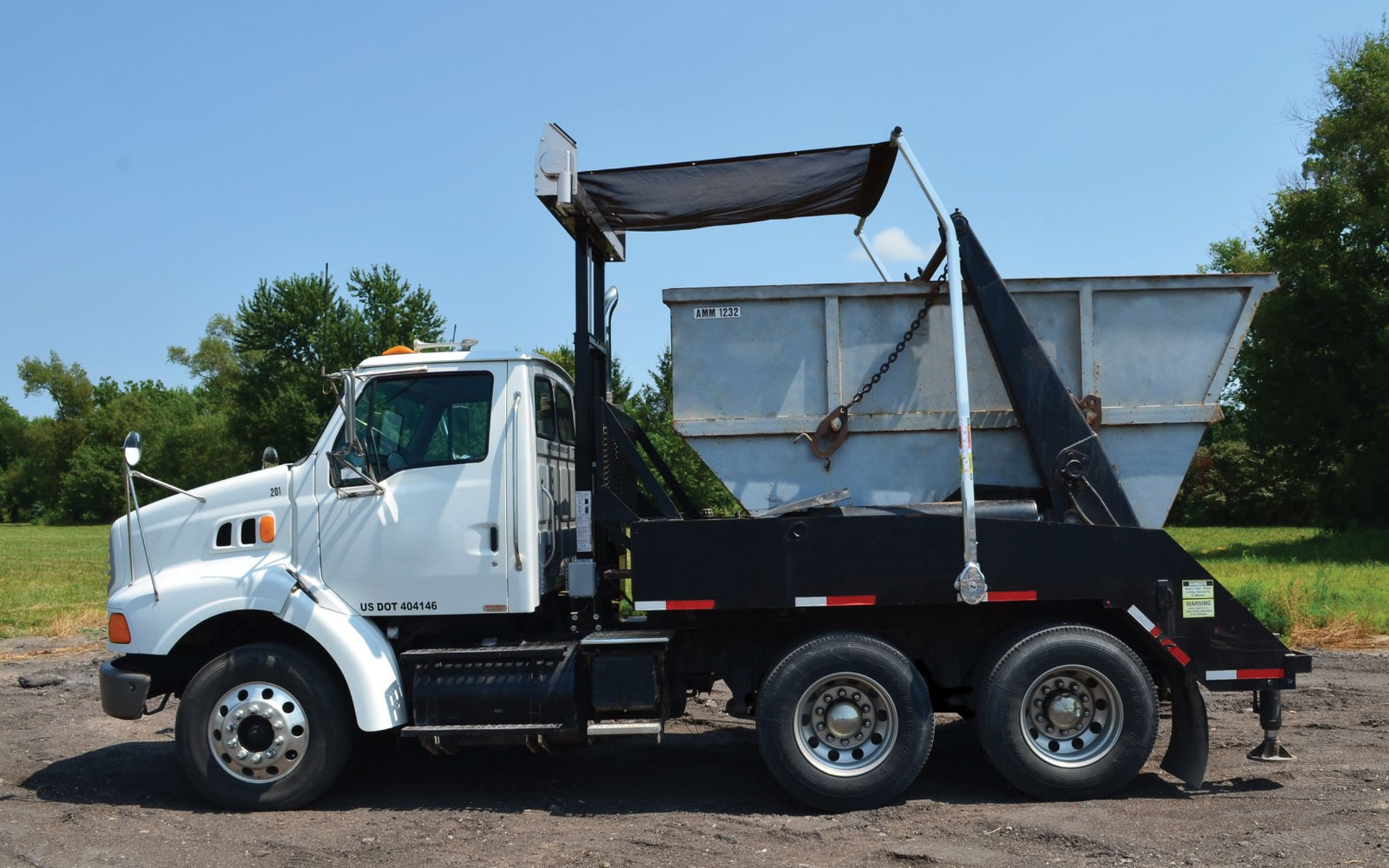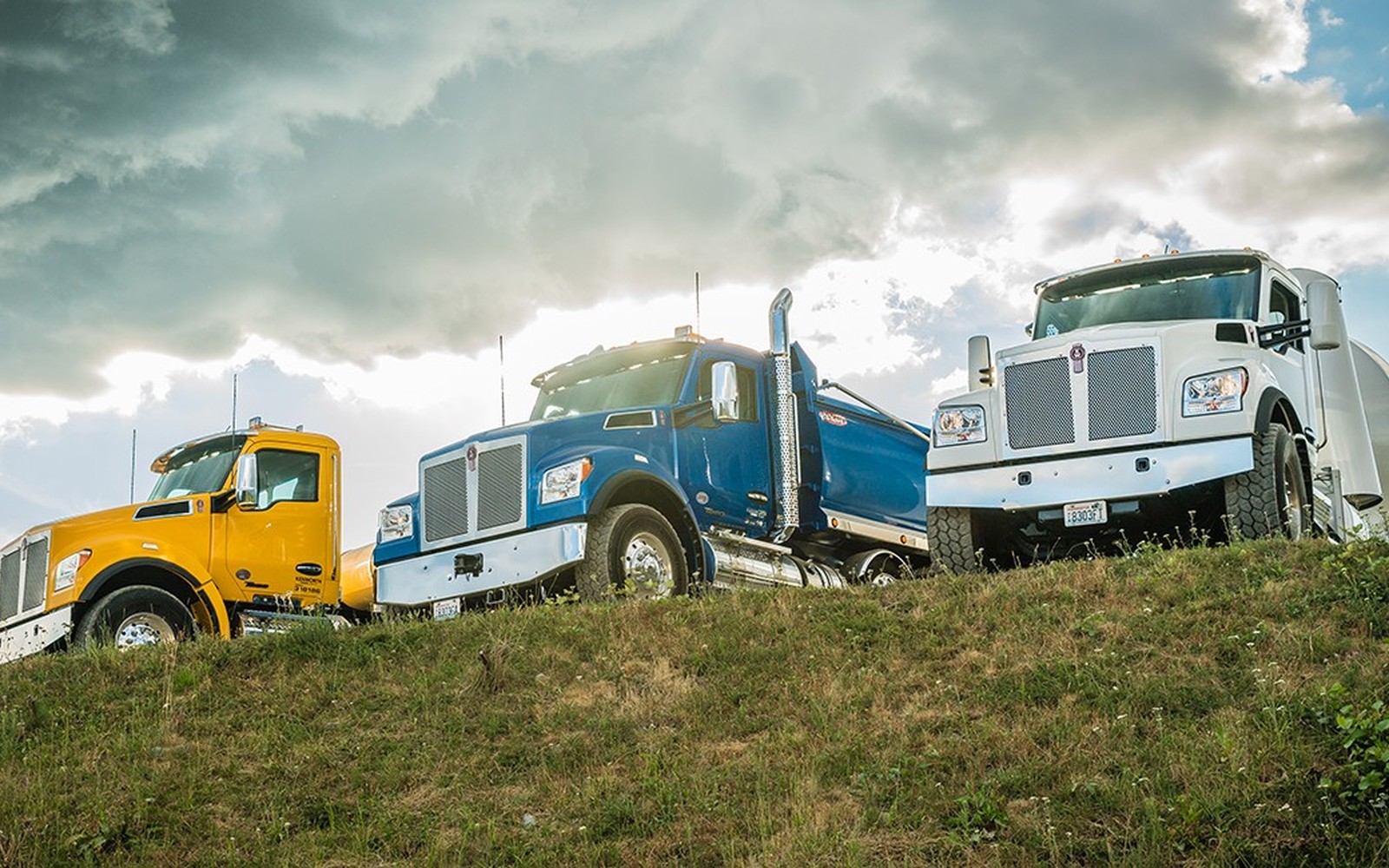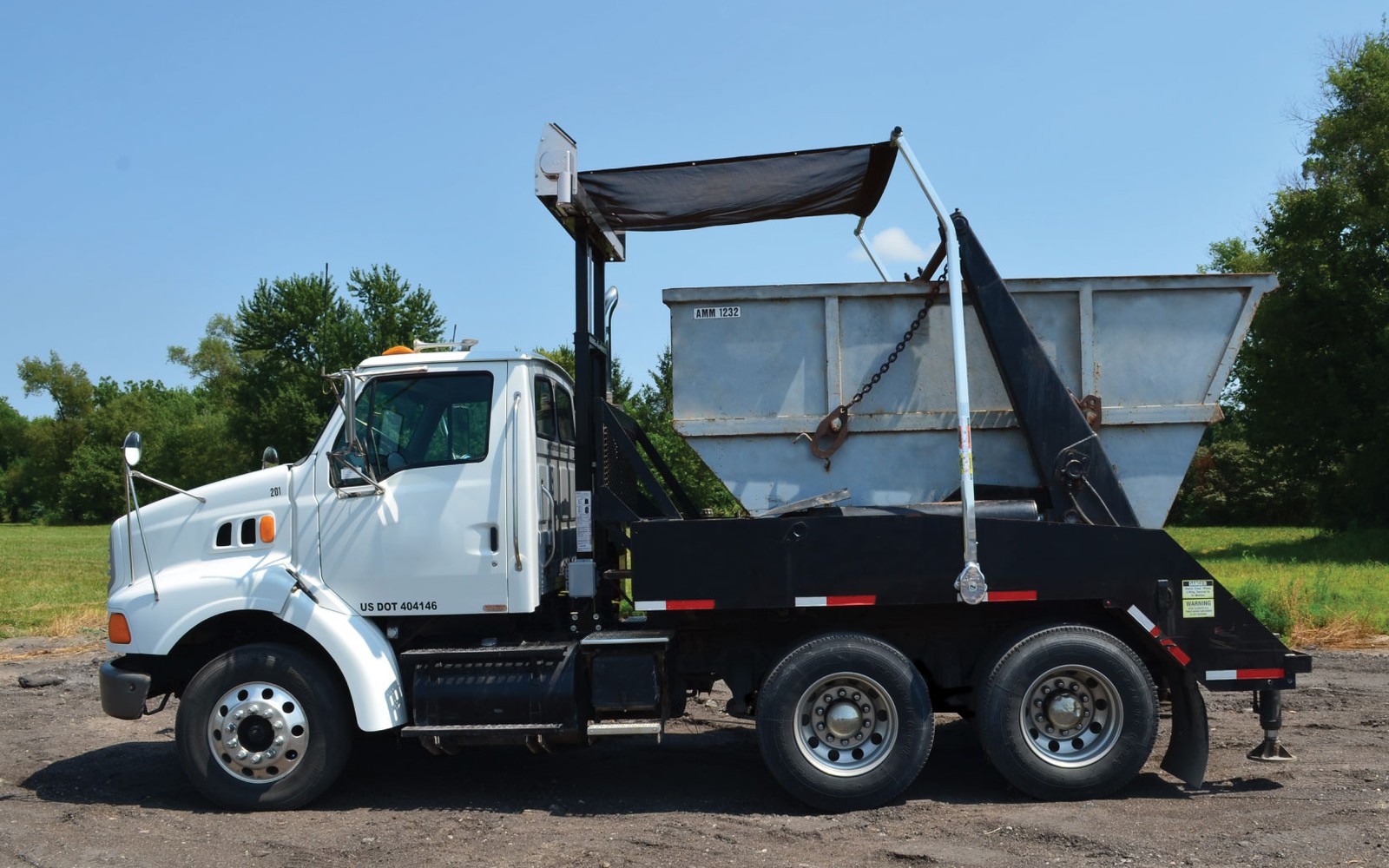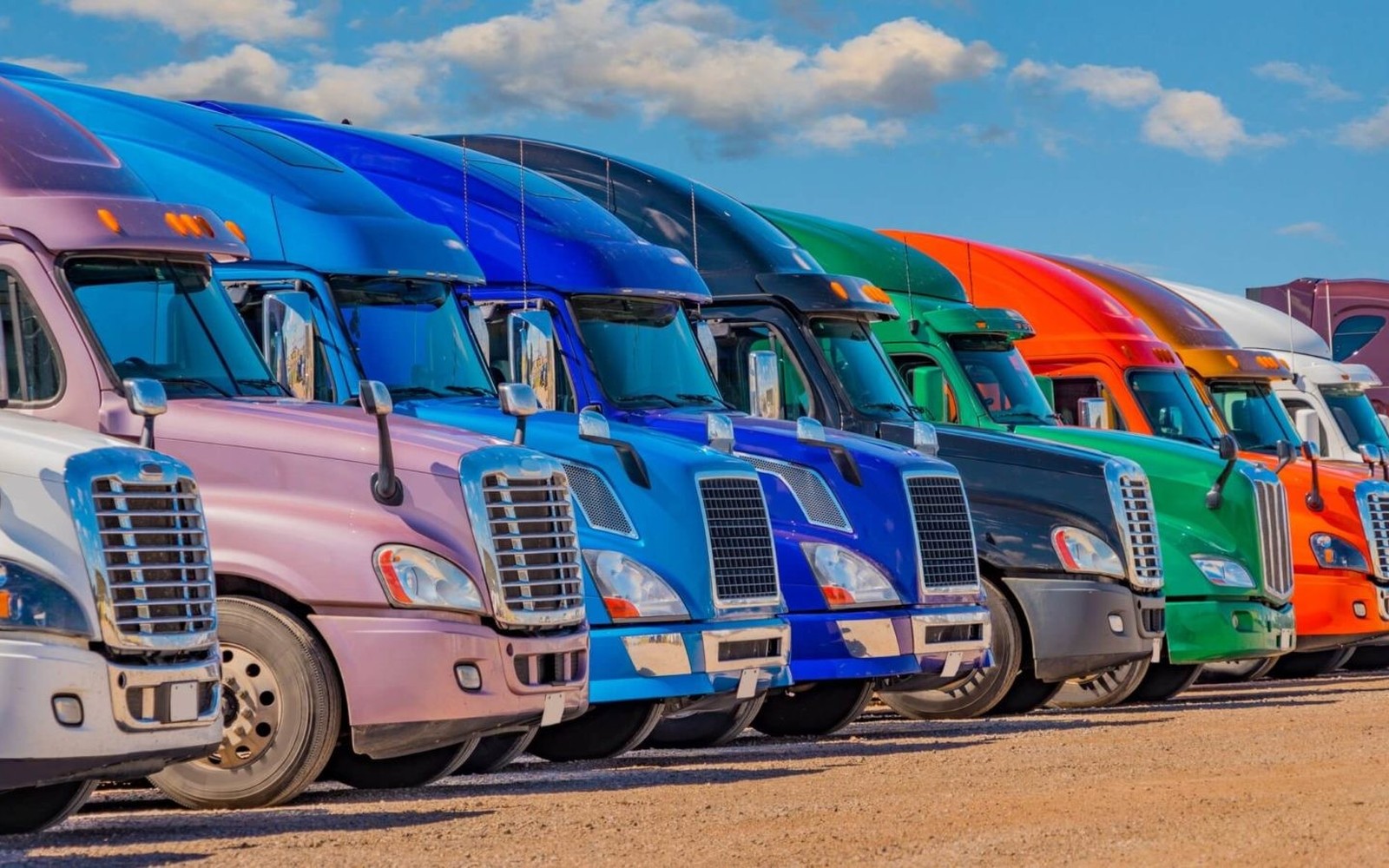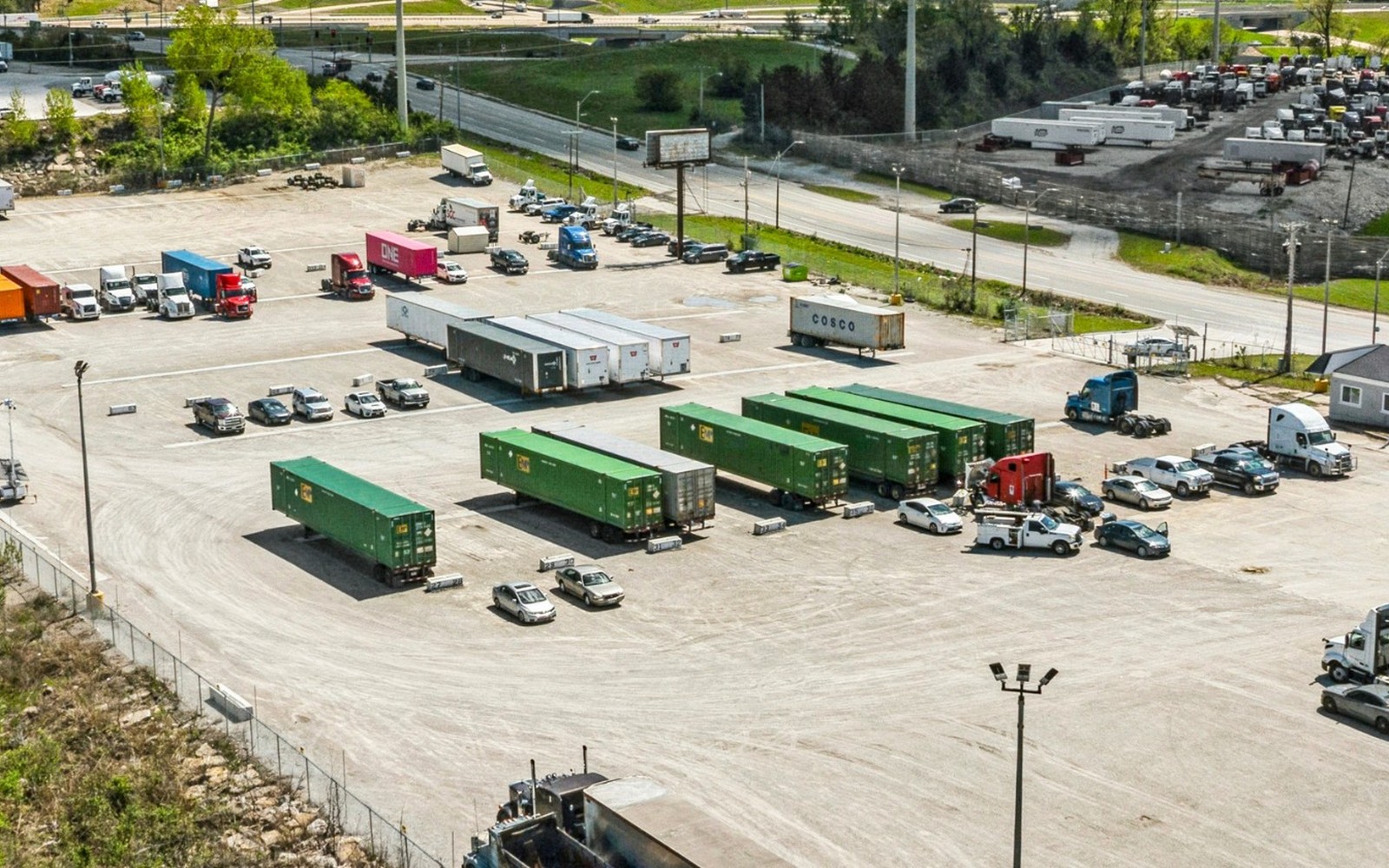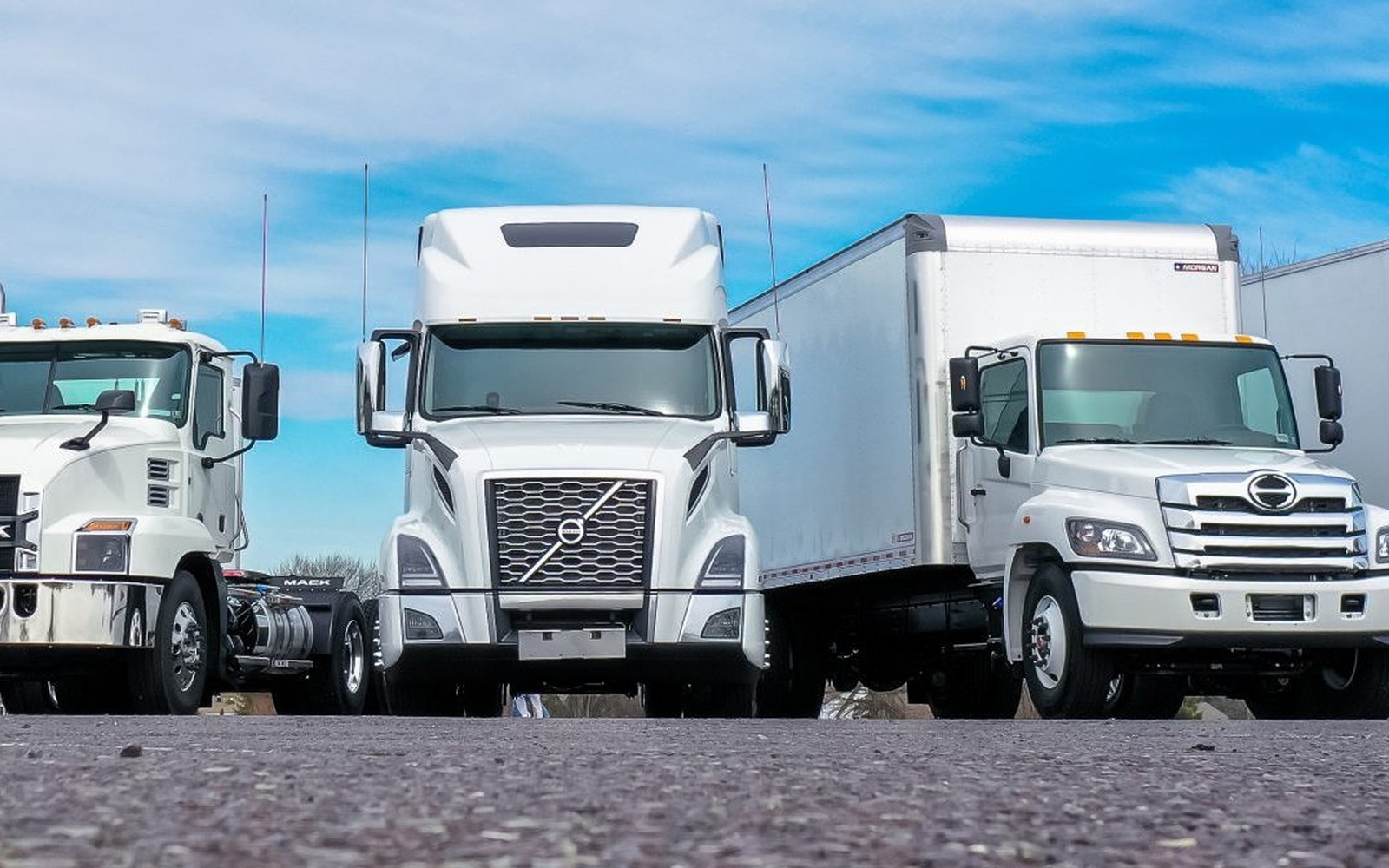
Pittsburgh's freight character is different from the I-95 corridor markets to the east. Heavy manufacturing, natural gas infrastructure, and construction activity shape what equipment operators run here, and the fleet decisions that make sense in Pittsburgh are not necessarily the same ones that make sense in Philadelphia or Baltimore. Flatbeds, dump trucks, and specialty equipment for energy and industrial applications sit alongside regional tractor-trailer runs on I-76, I-79, and I-70. Understanding the difference between those segments is the baseline for financing them competently.
We work with Pittsburgh-area fleet operators across the equipment spectrum that actually defines this market. Minimum deal size is $50,000, most transactions fall in the $100,000 to $150,000 per-unit range, and application-only approval handles most deals under roughly $400,000. Closing scheduled once the package is complete. B and C credit considered alongside the revenue picture.
Pittsburgh's Industrial and Energy Freight Demand
Western Pennsylvania's Marcellus and Utica shale formations have generated sustained demand for oilfield services trucking in the Pittsburgh metro and surrounding counties. Water haulers, pressure pumping support trucks, and general oilfield supply operations run out of the Pittsburgh market into the well-dense areas of Washington County, Greene County, Fayette County, and across into West Virginia and Ohio. This segment requires equipment that holds up to the logging roads and gravel access routes common on pad sites, and water trucks, vacuum trucks, and oilfield services fleets of various types are equipment we finance regularly here.
The Pittsburgh construction market has been strong through several waves of infrastructure investment, including the ongoing work on I-376, bridge rehabilitation throughout Allegheny County, and the commercial development in the Strip District and Oakland corridors. Dump trucks and flatbed trucks doing construction materials transport are active in all of those projects. We see operators scaling from two to five units as project volumes increase, and that kind of growth financing is a regular part of our Pittsburgh work.
Regional freight on the I-76 Pennsylvania Turnpike and I-79 corridors connects Pittsburgh to Cleveland, Columbus, and the Midwest manufacturing belt. Carriers on these lanes typically run sleeper tractors for overnight runs and day cabs for same-day Midwest regional work. The freight is diverse, ranging from steel and manufactured goods to retail distribution for the big-box chains that use Pittsburgh as a regional distribution point.
New vs. Used Equipment in the Pittsburgh Market
Pittsburgh has a healthy used truck and heavy equipment market, partly because the steel and manufacturing sectors generate fleet disposal as companies consolidate or retire older units, and partly because proximity to the I-76 corridor means national fleet disposal inventory flows through the area. Used equipment in good condition often represents better value than new for operators who have maintenance programs and know how to manage aging iron.
That said, certain Pittsburgh applications lean toward newer units. Oilfield services operators who need to meet shipper or producer equipment standards sometimes require trucks of a specific model year. Construction operators on public contracts occasionally face fleet modernization requirements tied to emissions standards. And operators who are building a brand with large shipper accounts sometimes need the reliability profile that newer equipment provides.
We finance both without preference. Used units at auction, private-party sales from other operators, or purchases from used truck dealers in the Pittsburgh area are all eligible. The key factor is that the equipment can be clearly identified, titled, and valued at the time of financing. Private-party truck financing is fully available for operators buying from other companies rather than dealers.
Terms and Structures for Pittsburgh Operators
Our Pittsburgh clients tend to have a practical view of financing: they want to know the payment, the term, and what happens at the end. We match that directness. Finance leases and loans give operators ownership at the end of the term; TRAC leases give lower payments in exchange for end-of-term residual flexibility. For operators running equipment on multi-year oilfield contracts where the equipment is being used consistently, owning it at the end often makes more sense than returning it.
Construction operators sometimes benefit from seasonal and deferred payment structures because Pennsylvania winters significantly slow outdoor construction activity, creating cash flow gaps from December through March. A payment schedule that adjusts for that seasonality keeps the financing serviceable through the slow months without requiring operators to burn reserves.
Operators looking to grow their fleets without paying for each unit individually sometimes benefit from a fleet equipment line of credit, which allows draws as units are added or replaced. This is particularly useful in markets like Pittsburgh where project-driven demand creates irregular fleet expansion timing, and where an operator might need to add two units in Q2 and another three in Q4 depending on how project awards fall.