Flatbed freight is not forgiving. Steel coils shifted on the road, unsecured lumber that takes out a lane of traffic, or construction materials that arrive damaged because the load was not properly tarped and blocked, these are not abstract risks. They are FMCSA audit triggers, insurance events, and customer losses that follow an operation for years. The carriers that do this work well run properly equipped trailers and invest in the strapping, tarps, and chains that protect the load. Financing that keeps the trailer fleet current and the equipment properly spec'd is part of operating safely in this freight category.
We finance flatbed trailers for steel and metal haulers, lumber and building-materials carriers, construction equipment transporters, and general freight operators who specialize in open-deck loads. Standard 48-foot and 53-foot steel flatbeds, spread-axle flats for legal heavy loads, double-drop and extendable configurations, and combo flatbeds are all eligible. Manufacturers including Fontaine Trailer, Felling Trailers, Kaufman Trailers, and PJ Trailers are common in the applications we finance. Minimum transaction size is $50,000, and flatbed trailer prices range from $25,000 to $60,000 used and $40,000 to $80,000 new depending on configuration and spec.
Flatbed Trailer Types and Specifications
A standard 48-foot or 53-foot steel flatbed is the most common configuration in the open-deck market. Maximum legal payload under Federal Bridge Formula regulations for a typical flatbed combination runs to 48,000 pounds on the cargo, and most flatbed operators target loads in the 40,000-to-47,000-pound range to maintain compliance margin. Deck height on a standard flatbed runs 52 to 56 inches above the road surface, which determines the overhead height available under bridge clearances for tall loads.
Spread-axle flatbeds use a rear axle configuration that spreads the load over a wider wheelbase, allowing more total payload to be carried legally under bridge formula calculations. These trailers are common among steel haulers and aggregate material movers who regularly carry maximum legal weights. The spread-axle configuration adds weight to the trailer itself, which slightly reduces net payload, but the formula benefit typically more than offsets that penalty for maximum-weight loads.
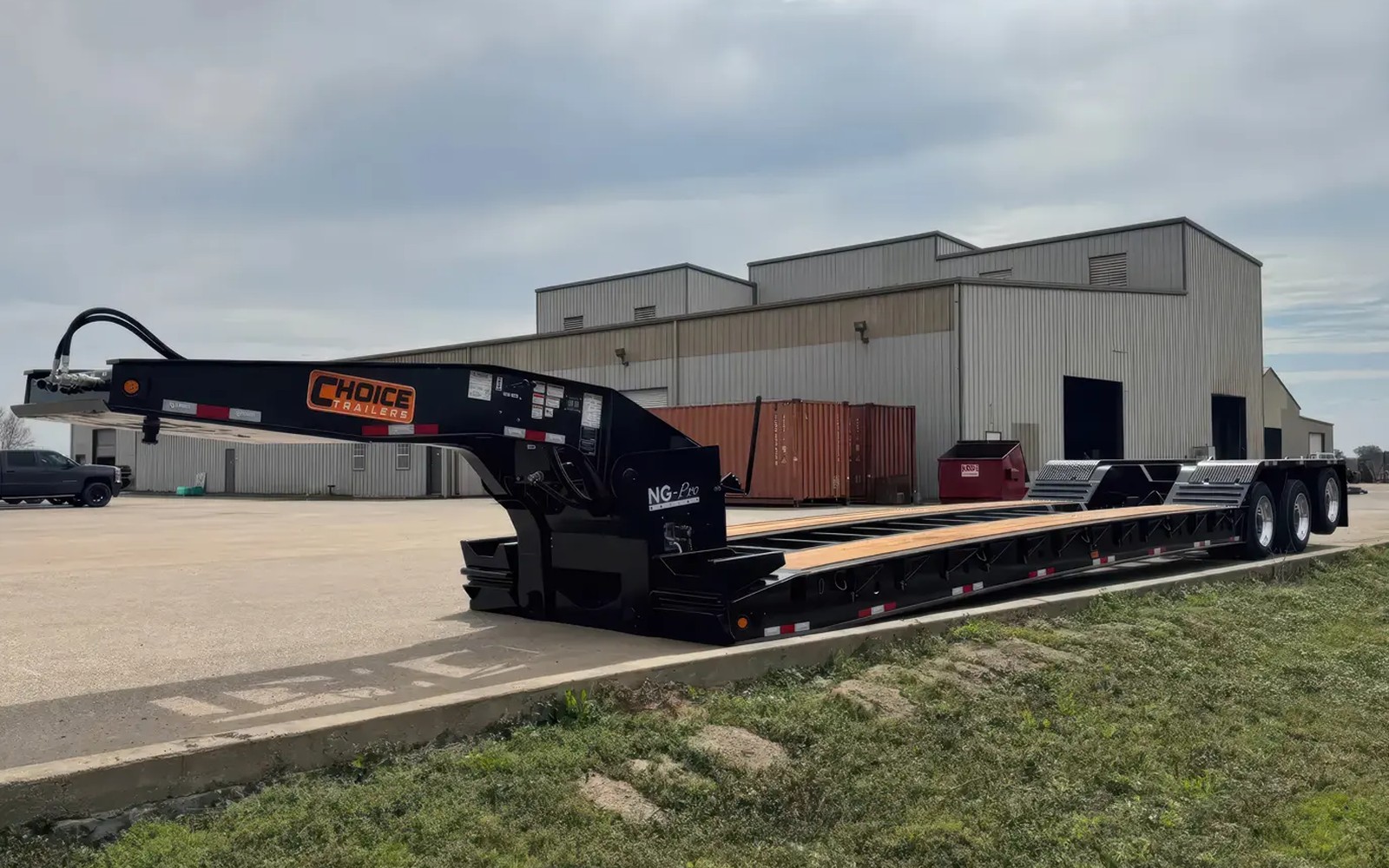
Extendable flatbeds, which telescope from a standard length to 80 feet or more, are specialized equipment for long structural steel, lumber, or machinery loads that exceed the fixed-length configuration. These units are more expensive, typically $70,000 to $120,000 new, and are common among carriers serving the construction and industrial sectors moving beams, girders, and modular structures.
Combo flatbeds with removable side kits or stake pockets allow the same trailer to be used as a flatbed or configured with low side rails for bulk materials. These are popular with smaller carriers who want flexibility across load types without running two separate trailer types.
Flatbed Carriers We Finance
Steel service centers and processors that operate their own carrier subsidiaries for customer deliveries are a specific buyer profile. These operations often run dedicated flatbed fleets that deliver material from the service center to fabricators, contractors, and manufacturers. The carrier is vertically integrated into the service center's logistics and may not run spot market loads at all. Financing for these fleets typically includes straightforward approval based on the parent company's financial strength.
Independent flatbed owner-operators and small carriers running spot market lumber and steel are another common profile. These operators are often on authority for one to five years, running well-established lanes, but may have credit histories that include lean periods. Flatbed is a demanding freight category, and carriers who specialize in it often have stronger operational expertise than their credit files suggest.
Construction-sector flatbed operators who haul rebar, structural steel, pipe, and engineered lumber to job sites work with construction fleet financing logic. Their revenue is tied to project starts, which creates seasonality. Financing structures that account for that pattern, including the seasonal and deferred-payment option, are available.
Operators adding flatbed capacity alongside dry van or other trailer types can see whether a combined fleet equipment line of credit makes sense. A multi-trailer-type facility avoids the overhead of separate applications for each asset class as the fleet grows.
Credit and Documentation
Application-only financing up to approximately $400,000 requires a one-page credit application and three months of business bank statements. Most flatbed acquisitions in the two-to-six-unit range fall under this threshold. Larger multi-trailer programs need two years of business tax returns and financial statements, but the process is still straightforward once documents are assembled.
B and C credit flatbed operators are considered. Open-deck freight is physically demanding, operationally complex, and pays higher rates than dry van for good reason. Carriers who specialize in it tend to know their lanes and loads well, and their cash flow history reflects that expertise even when prior credit events are visible in the file.
Startup carriers with new authority who want to begin with flatbed operations qualify for new authority truck financing, though the documentation is more involved than for established carriers. Principals' personal credit, the business plan, and any existing freight commitments from brokers or shippers support the approval.
For flatbed fleets acquiring used equipment at auction, we move quickly. Submit the application before the auction so the approval is in hand and funding can close within the auction payment window. Auction wins that cannot fund on time are unnecessary losses in competitive sale environments.
You may also want to review Section 179 Truck Deduction, Truck Fleet Financing, and Truck Fleet Refinance.