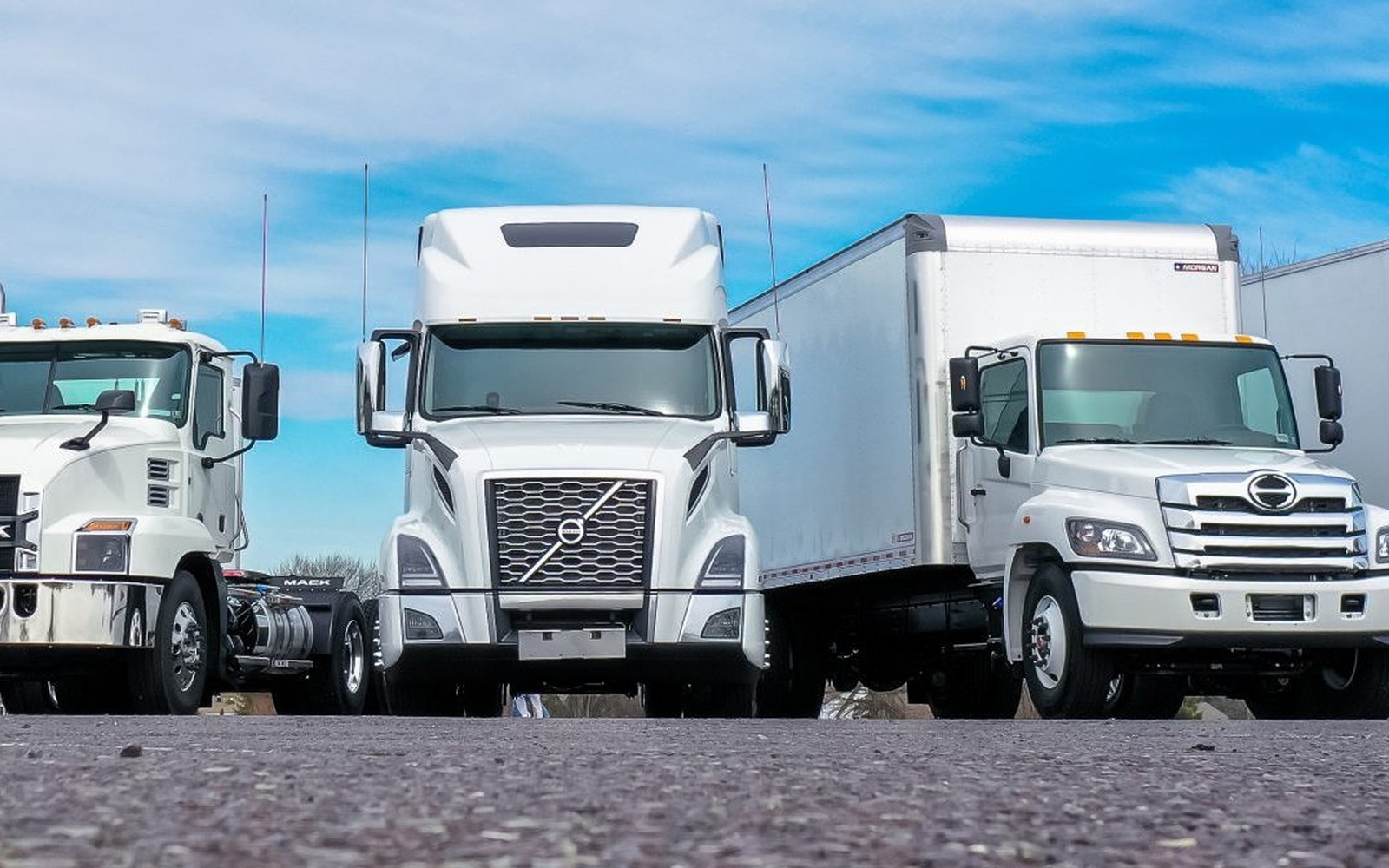
Downtime on a shuttle route is visible in a way that downtime on most freight equipment is not. An airport hotel with a bus that fails to show at the terminal hears about it at the front desk within the hour. A university shuttle that drops off schedule during finals week gets noticed by riders, administrators, and eventually the people who approve the next contract renewal. The vehicles need to be there, running, on every shift, and the financing structure should support a replacement cycle that keeps aging units out of service before they become a reliability problem.
We finance shuttle bus fleets across the full range of applications: airport ground transportation, hotel and resort shuttles, corporate campus circulators, university and school district programs, senior living community transport, and charter operators. Cutaway-based buses on Ford E-series or Ram ProMaster platforms, medium-duty integrated coach buses, full-size over-the-road coaches, and paratransit vehicles all qualify. Minimum transaction size is $50,000, with typical shuttle acquisitions falling well into our $100,000-to-$150,000 sweet spot per unit or per batch.
Shuttle Bus Types and What Drives Purchase Decisions
Small cutaway shuttles, built on Ford E-450 or similar cutaway chassis with 10-to-24-passenger bodies, are the most common configuration in hotel, airport, and corporate shuttle applications. Body builders such as ElDorado National, Starcraft Bus, and Federal Coach produce a variety of configurations for this chassis class. These units run high mileage in commercial applications, often 60,000 to 100,000 miles per year in 24-hour airport hotel operations, which compresses the practical replacement cycle relative to lower-utilization applications.
Medium-duty integrated buses, including the Ford Transit-based minibus and the Sprinter-derived shuttle formats, are popular for smaller-capacity routes where fuel economy and maneuverability matter more than passenger count. Paratransit variants with wheelchair lifts and interior tie-down positions are common in senior living and ADA-compliant service contracts.
Full-size motor coaches for charter and over-the-road shuttle service, including MCI and Prevost models, represent a different price point. These units commonly run $400,000 to $600,000 new and require full financial documentation for approval, but they are absolutely within scope for operators running interstate shuttle corridors or charter programs that justify the asset class.
Used buses are frequently the right answer for operators adding capacity without the lead time or per-unit cost of new builds. Certified pre-owned units from reputable dealers, or used stock acquired from airlines, hotel chains, or municipalities rolling their fleets, can be financed as cleanly as new equipment.
Term Structures and Payment Alignment
Shuttle bus financing terms commonly run 36 to 72 months depending on the unit age, intended usage, and the operator's preference for monthly payment versus total interest cost. Newer units on longer terms produce lower monthly payments that match well against fixed contract revenue. Older used units are typically financed on shorter terms that match the remaining useful life more realistically.
Operators with seasonal revenue patterns, such as resort shuttles that peak in summer and slow in winter, can ask about seasonal and deferred-payment structures that adjust payment levels to match the operating calendar. Airport hotel operators with flatter year-round demand generally find standard equal-payment terms more straightforward to budget against.
For fleets that have paid off their existing units, a cash-out refinance against the paid-off buses can generate working capital for marketing, staffing, or additional vehicle acquisitions without requiring an outright sale of the existing fleet. The buses stay in service; the equity comes out as usable capital.
Section 179 expensing applies to commercial shuttle buses in many configurations. Talk to your tax advisor about the deduction eligibility for the specific units and structure you are considering. We can provide the documentation needed to support that deduction at tax time.
The Market Behind Shuttle Fleets
Airport ground transportation is one of the most consistent segments for shuttle bus operators. Enplanement volumes at major U.S. airports drive steady demand for parking facility shuttles, hotel pickup routes, and rental car circulator operations. Airport shuttle contracts are often multi-year, making the revenue base more predictable than spot freight and supporting longer-term financing structures.
University and corporate campus shuttle systems have expanded significantly over the past decade as institutions look to reduce single-occupancy vehicle traffic and parking demand. These operations often run evening and weekend service in addition to peak commute hours, which increases annual mileage per unit and accelerates replacement cycles.
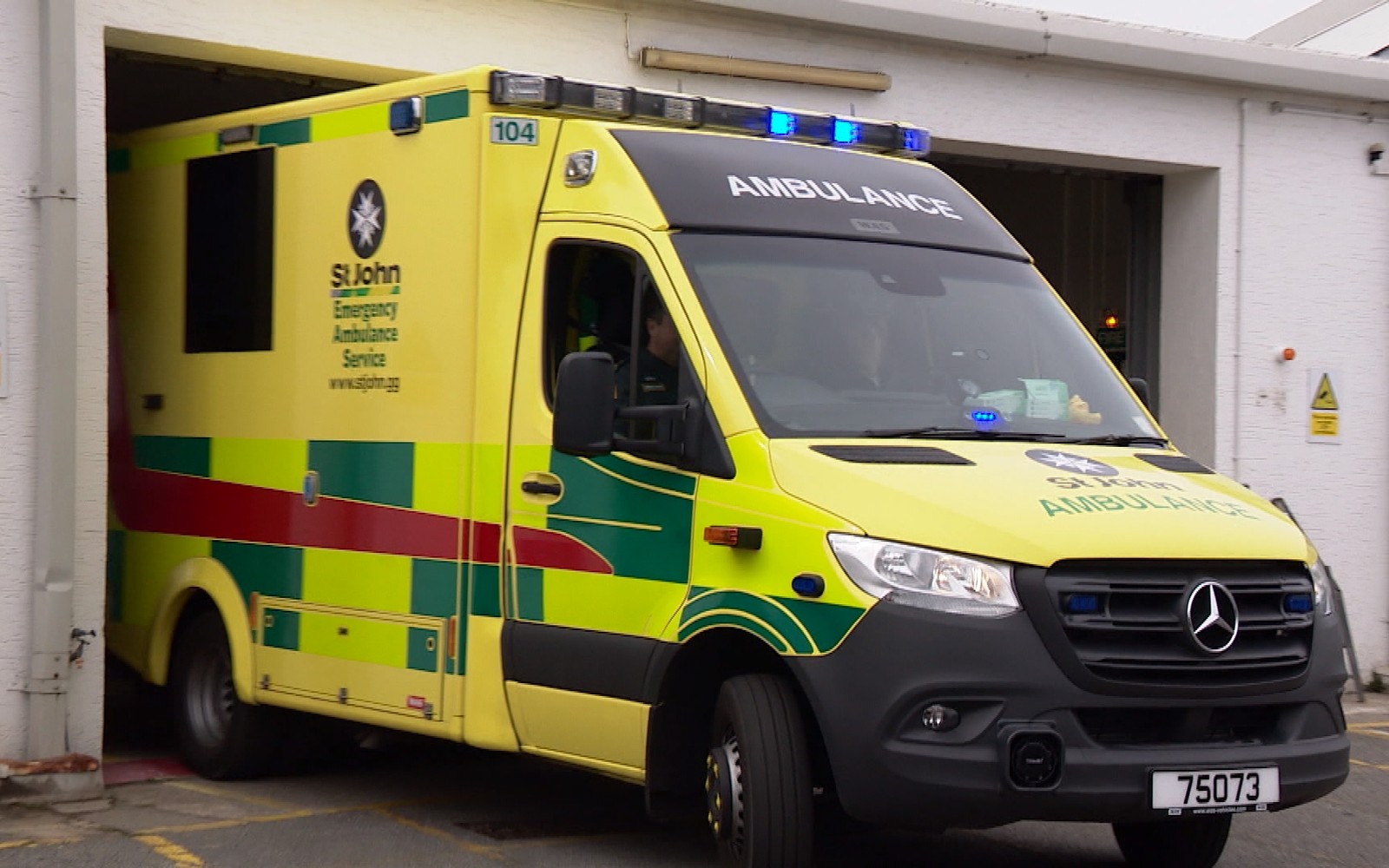
The senior living and non-emergency medical transport segment has also grown, with an aging demographic increasing demand for ADA-compliant paratransit service. Operators serving this segment often run ambulances or medical transport vans alongside their shuttle fleet, and a combined facility can cover both asset types efficiently.
Operators in major metro markets, including those running hotel shuttles in cities like Atlanta or airport circulators near Chicago, benefit from the concentration of enplanements and hotel inventory that creates consistent route volume. We finance shuttle fleets in all major markets nationwide.
Credit and Documentation Requirements
Applications under approximately $400,000 can move through our application-only process: a one-page credit app and three months of business bank statements. Most shuttle acquisitions in the one-to-four-unit range fall under this threshold. Operators adding five or more units in a single transaction typically need to provide two years of business tax returns and an interim financial statement, which supports faster approval at higher credit lines.
B and C credit operators are considered. A hospitality transportation company that carried deferred maintenance costs through a slow period, or a startup charter operation with limited credit history, should submit rather than assume they won't qualify. Time in business, the quality of the customer contract base, and cash flow trend all factor into the review alongside the credit score.
Startup fleet financing is available for new operators who have won a contract but not yet built operating history. Documentation in this case typically includes the contract, the principals' personal credit, and a business plan showing the revenue projection. We are not the right fit for every startup, but we review each one on its merits.