Truck Fleet Financing
Volvo VHD Fleet Financing

Open My Fleet Line

Volvo VHD Fleet Financing

    Finance Volvo VHD vocational trucks for construction, refuse, mixer, and municipal work. B/C credit considered, application-only up to $400k.

Vocational trucks carry a different calculus than over-the-road tractors. They run shorter distances, accumulate hours faster than miles, and spend their working life in high-stress cycles: loaded aggregate hauling, packer compression, concrete rotation, or utility lifting. A Volvo VHD that goes down mid-cycle costs more than a long-haul VNL that misses a run, because the VHD is often tied to a job site or a route where the entire operation waits for the truck. Fleet managers who run VHDs know this, and financing the right unit at the right time is part of managing that operational risk.

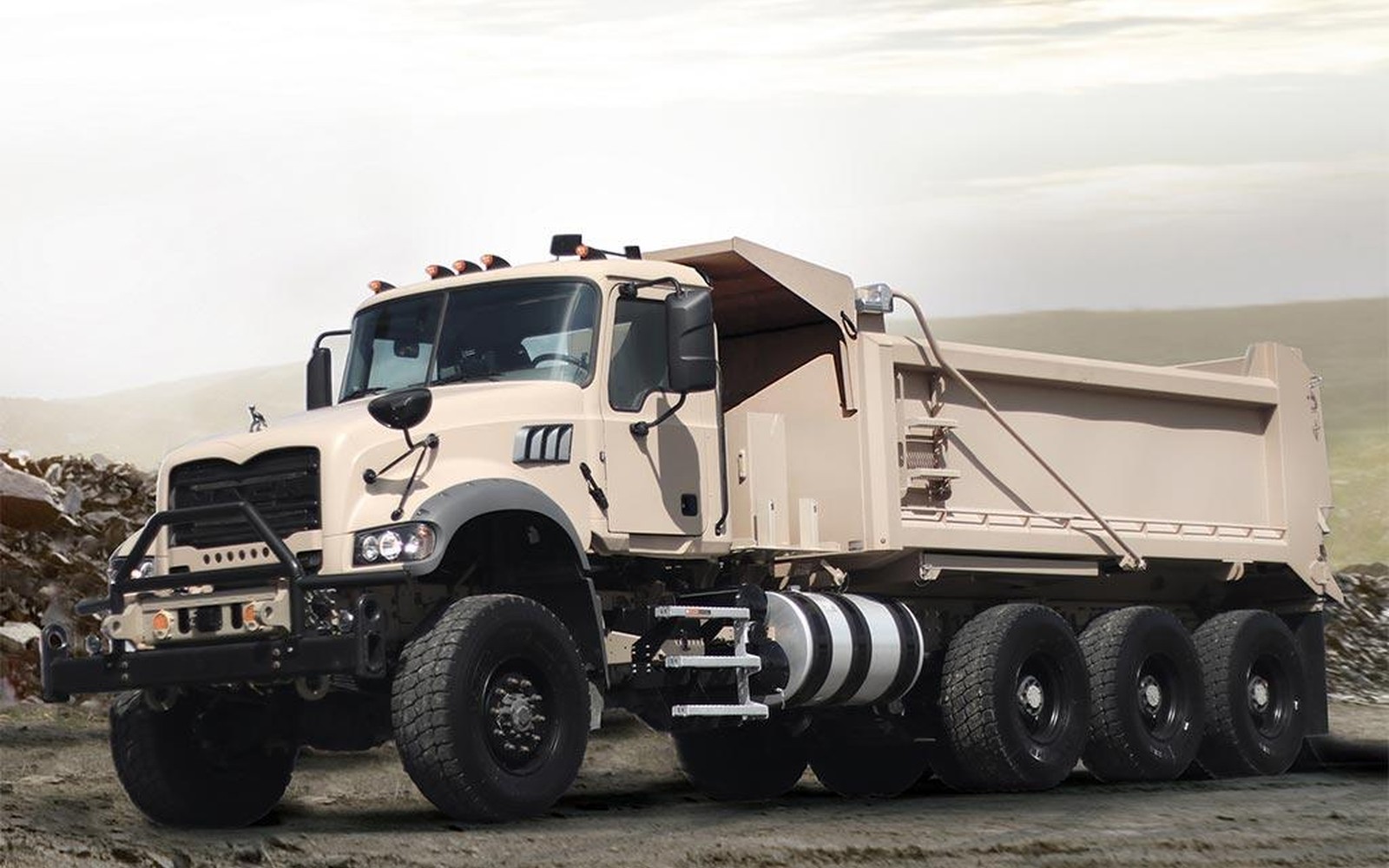
We finance Volvo VHD trucks across the full range of vocational applications: dump trucks, concrete mixers, refuse packers, roll-off trucks, and specialty configurations. The minimum transaction is $50,000. VHD deals typically range from $100,000 to $180,000 per unit depending on spec, body, and axle configuration. New and used are both financed. B and C credit are considered. Application-only up to roughly $400,000. Three months of bank statements for larger or more complex transactions. Closing after title and lien paperwork after approval.

Volvo VHD Platform and Specifications

Volvo designed the VHD specifically for North American vocational work, a purpose-built platform separate from the VNL and VNR lineups. The VHD is available in a range of axle configurations including 6x4, 8x4, and tandem-steer setups, giving fleet managers the flexibility to match the chassis to the payload and bridge-law requirements of their specific operation.

The powertrain centers on Volvo's D13 engine, rated up to 500 horsepower in vocational applications, paired with either the I-Shift automated manual or an Allison automatic depending on the duty cycle and operator preference. The I-Shift is popular in dump and aggregate applications where the automated shifting improves fuel economy and reduces driver fatigue on repeated loaded cycles. Allison automatics remain the preference in refuse and mixer work where low-speed maneuvering is constant.

Cab options include the standard-height day cab designed for clear visibility in tight vocational environments, and a more recent cab redesign improved driver ergonomics and visibility for operators navigating urban construction sites. The VHD's build quality positions it as a direct competitor to the Mack Granite in the vocational heavy segment, and fleet managers often evaluate both side by side. Fleets already running Mack Granite units should compare TCO closely before defaulting to brand loyalty.

The VHD's chassis is engineered for severe-duty applications, with frame and suspension ratings that accommodate the high-cycle loading of aggregate and concrete work. Fleets in construction running loaded dump cycles on rough haul roads depend on that structural durability to hit target lifecycles without premature frame fatigue.

New vs. Used VHD: The Fleet Manager's Trade-Off

New VHD trucks carry the full warranty, current emissions compliance, and predictable maintenance cost profiles for the first several years. For high-cycle vocational work where downtime directly halts production at a job site or on a municipal route, new units offer the lowest operational risk. The higher per-unit cost is often justified by the warranty coverage and the ability to spec exactly what the operation requires.

Used VHD trucks from fleets that maintained them well offer a meaningful cost reduction per unit, which matters for smaller operators adding capacity or for fleets replacing a large number of units simultaneously. The VHD's vocational build quality means well-maintained used units often have productive life remaining that the price does not fully reflect. A mid-cycle VHD with a solid inspection and documented service history is a reasonable acquisition for operators who understand what they are buying.

Fleets considering used VHD refuse trucks should also evaluate the compatibility of the packer body with their current operation. Body compatibility is not always guaranteed when buying used from a fleet with different specifications. We finance the chassis and body as a complete unit and account for both in the valuation.

For fleets managing the trade-off, a used truck fleet financing facility covering multiple VHD units at once can make a used purchase program operationally simple. Set the facility, identify units as they come available, and draw against the pre-approved credit each time.

Refinancing and Sale-Leaseback for VHD Fleets

Municipal and utility fleets that purchased VHD units years ago sometimes find themselves holding trucks with substantial equity and no mechanism to access it short of selling the asset. A fleet sale-leaseback converts that equity into working capital without removing the truck from service. The lender buys the unit, you lease it back at a monthly payment, and the cash from the transaction is yours to deploy however the operation requires.

For private construction and aggregate fleets, a cash-out truck refinance on VHD units carrying equity achieves a similar result with the title remaining in your name. Cash out is typically limited to a percentage of the truck's current market value, but on a well-maintained VHD that percentage can be meaningful capital.

Fleets carrying VHD paper from higher-rate originations should also look at a straight refinance through a truck fleet refinance program. Lowering the rate on a $120,000 balance over several years of remaining term makes a real difference in monthly cash flow.

Fleet Financing Questions

Do you finance VHD trucks with specialty bodies like vacuum tanks or roll-off hoists?

Yes. Specialty body configurations including vacuum tanks, roll-off hoists, water tanks, and aerial lifts are financed as complete units with the chassis. The body type affects valuation and may influence the advance rate, but it does not disqualify the deal. Tell us the full configuration upfront.

How does high-cycle duty affect the financing terms on a VHD?

High duty cycles accelerate wear and can affect the projected useful life the lender uses to set the advance rate and term. A VHD running 300 cycles a week in a rock quarry has a different useful life expectation than one doing 50 municipal refuse runs. We look at hours as well as age when evaluating used VHD deals.

Can a municipality finance a VHD with government purchase terms?

Yes. Municipal and government entities have access to financing structures that account for the non-profit tax status and budget cycle. Tax-exempt financing rates are sometimes available. We work with lenders who serve municipal fleet purchasers and understand the procurement process.

What is the minimum credit score to qualify for a VHD deal?

We do not publish a hard minimum because approval depends on the complete credit picture, not the score alone. Time in business, revenue consistency, the presence of tax liens, and the overall file strength all factor in. Operators with scores in the mid-500s have been approved with the right combination of other factors. Apply and we assess it honestly.

Can I refinance a VHD that still has a lien from the original financing?

Yes. A refinance pays off the existing lien and replaces it with the new financing at the better rate or term. The key is that the truck's current market value must support the payoff balance. We look at both numbers before quoting.

Fleet quote desk

Put Volvo VHD on the road.

Finance Volvo VHD vocational trucks for construction, refuse, mixer, and municipal work. B/C credit considered, application-only up to $400k.