Iowa produces more corn, soybeans, hogs, and eggs than nearly any other state in the country, and a significant portion of that output moves by truck. Des Moines, sitting at the intersection of I-35 and I-80, is the commercial and logistics center of the state, and the freight economy here reflects both the depth of Iowa agriculture and the broader Midwest distribution network that runs through the metro. Insurance companies, data centers, and a growing financial services sector have added urban freight demand on top of the agricultural base. The result is a market where fleet operators see consistent work, but where the equipment that earns that work accumulates mileage fast and needs to be managed on a real replacement schedule.
We finance truck fleets for Des Moines operators and surrounding Iowa markets, covering new and used equipment with a $50,000 minimum per transaction. The sweet spot is $100,000 to $150,000 and up. B and C credit are considered. Application-only processing is available up to roughly $400,000, with funding typically in one to two weeks from a complete file.
Iowa's Freight Base and What It Means for Fleet Operators
Iowa's agricultural output drives freight demand in a way few other states match. The state is the country's top pork producer and among the leading states in corn and soybean production. That agricultural volume generates freight across multiple equipment types: livestock trailers for hog and cattle transport, tanker trailers for liquid fertilizer and propane delivery, and agriculture hauling operations serving grain elevators and ethanol plants scattered across the state.
The ethanol industry is a particularly significant freight generator. Iowa is one of the country's largest ethanol producers, and the supply chains around ethanol plants require inbound corn, outbound ethanol, and ongoing propane and chemical input delivery. Tanker operators serving ethanol and propane distribution in central Iowa represent an active segment of our Des Moines borrower base.
Beyond agriculture, Des Moines has become a meaningful logistics hub due to its central location and the I-35/I-80 interchange. Major distribution centers for retail and e-commerce operators have established in the metro, and the food distribution sector serving Iowa's restaurant and grocery chains runs a significant refrigerated fleet. Refrigerated trucks and reefer trailers for those supply chains need year-round uptime, which puts pressure on operators to maintain reliable, well-maintained equipment.
Equipment We Finance for Des Moines Operators
Iowa fleet operators run a wide range of equipment types, and our program covers all of it.
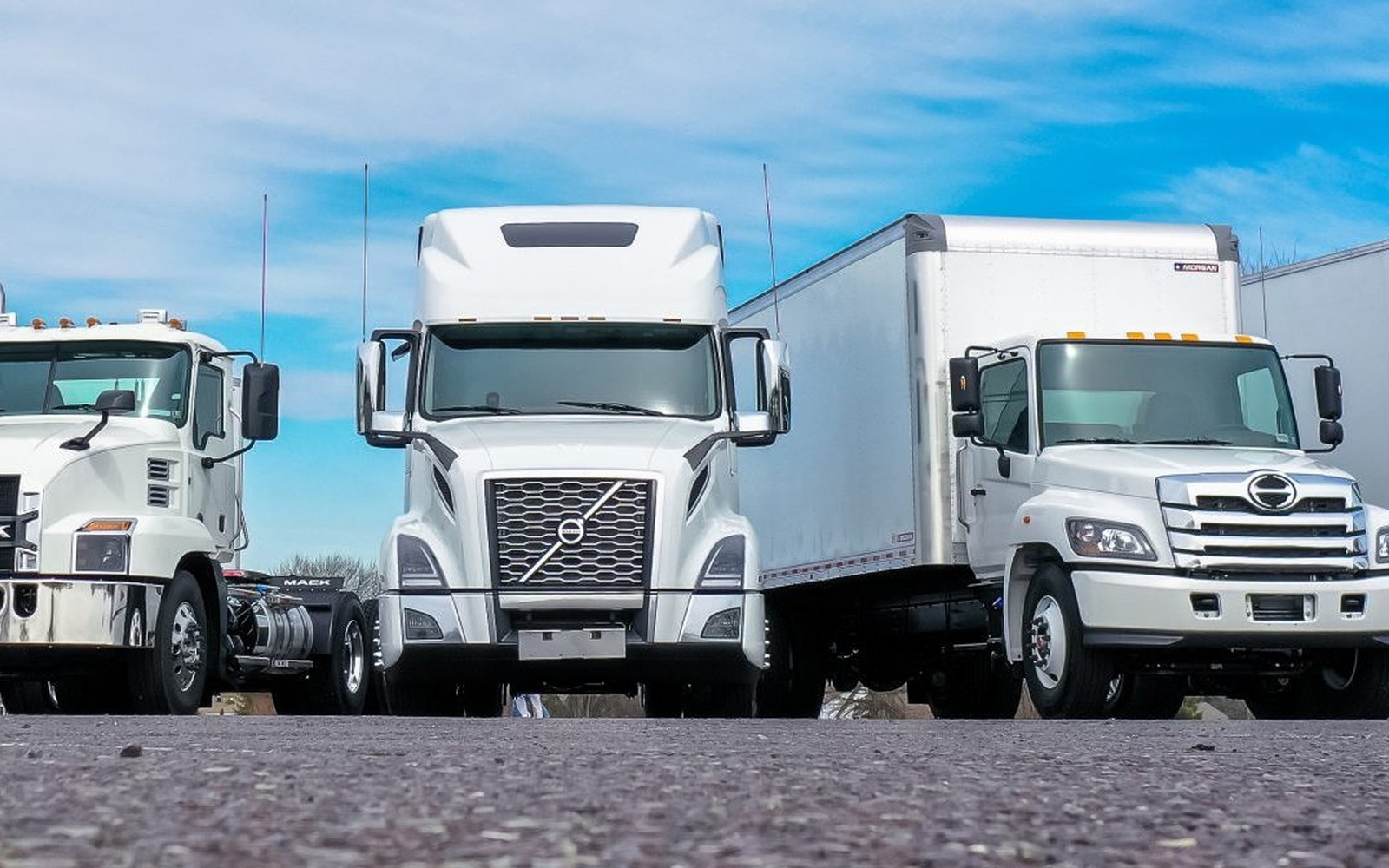
- Class 8 tractors (day cab and sleeper) for regional and OTR lanes moving agricultural products and retail distribution freight across the Midwest
- Livestock and ag trailers for hog, cattle, and grain hauling in central and western Iowa
- Tanker trailers for ethanol, propane, and liquid fertilizer distribution to farms and rural markets
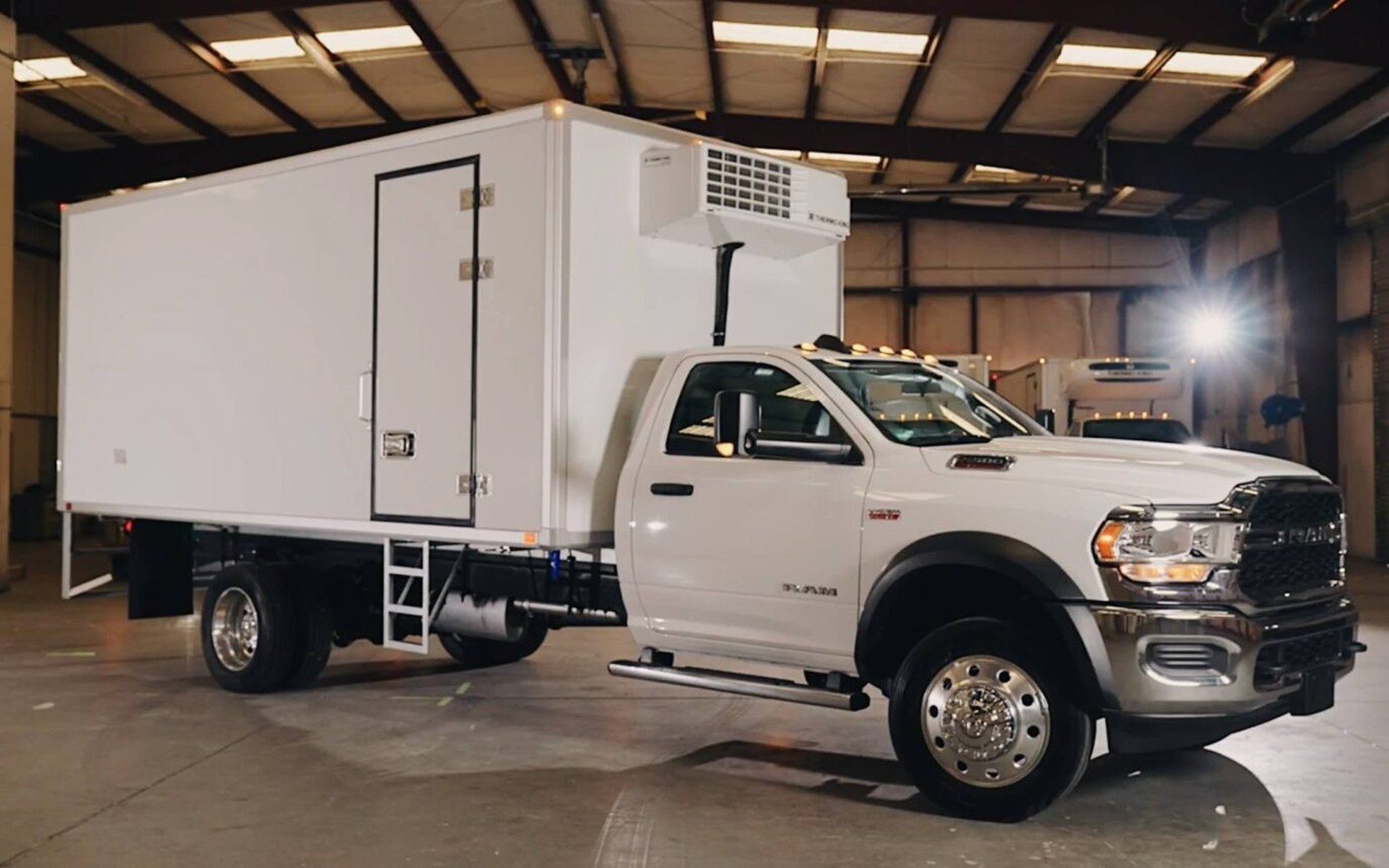
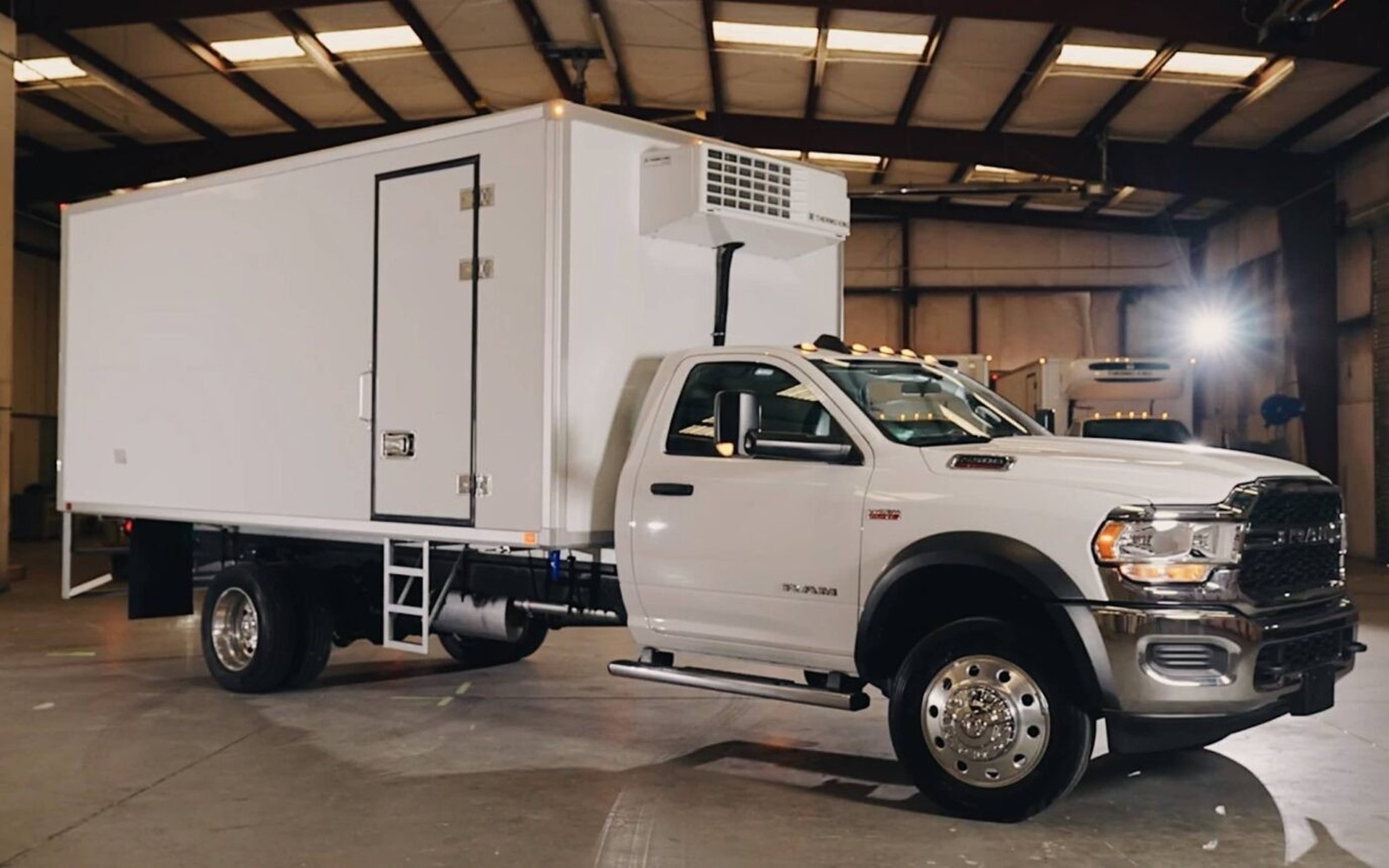
- Refrigerated equipment for food distribution and cold-chain logistics across Iowa and into neighboring states
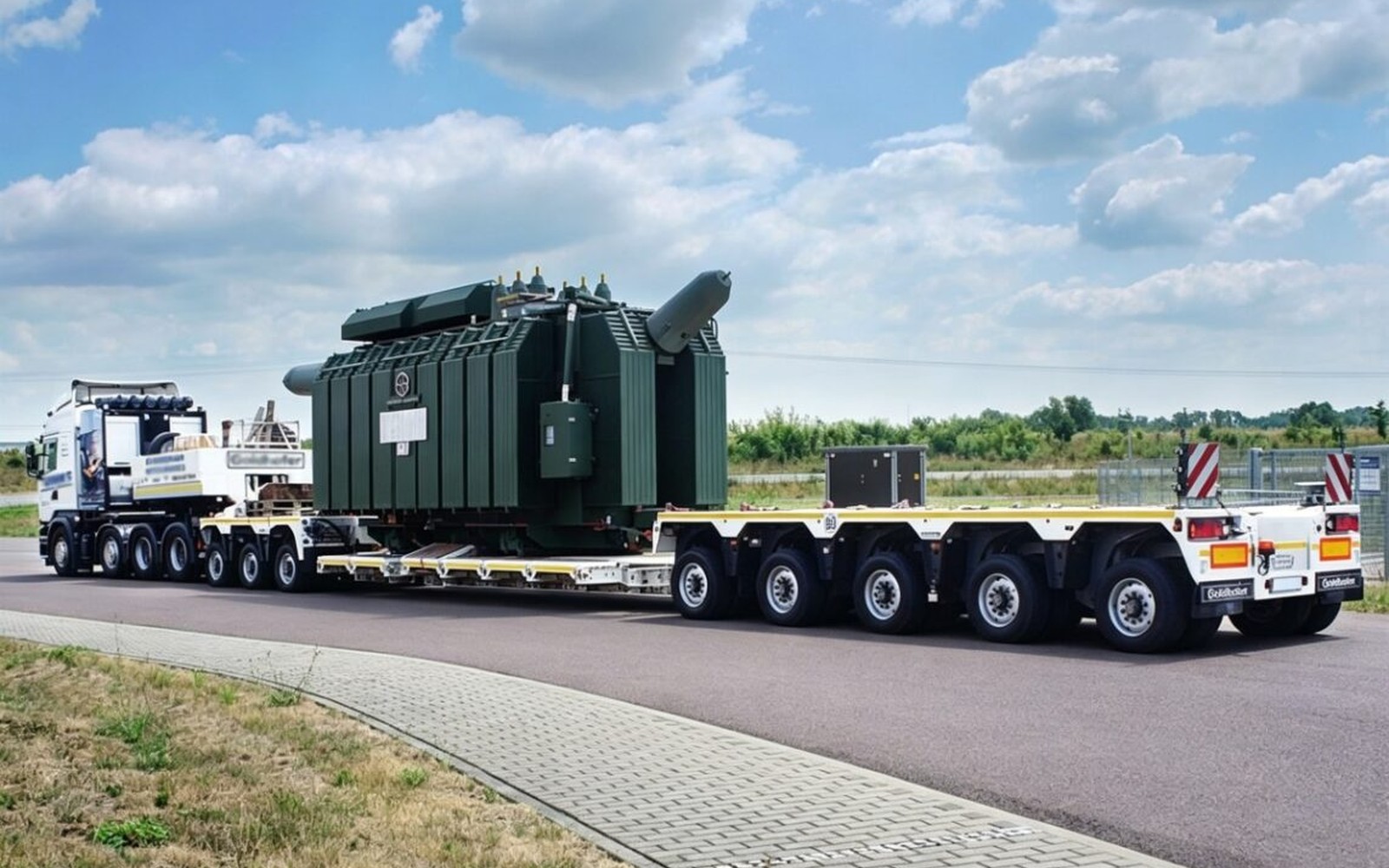
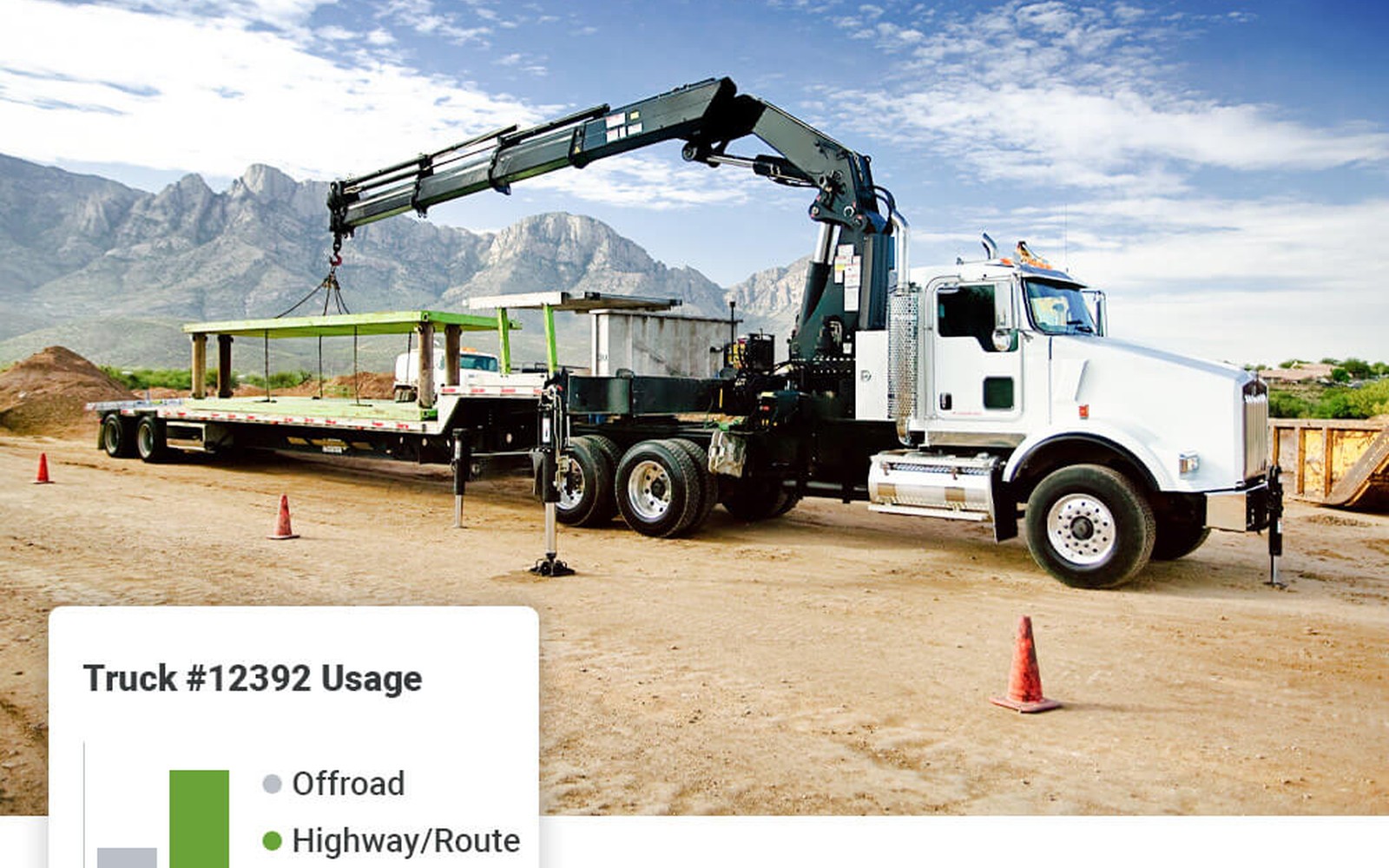
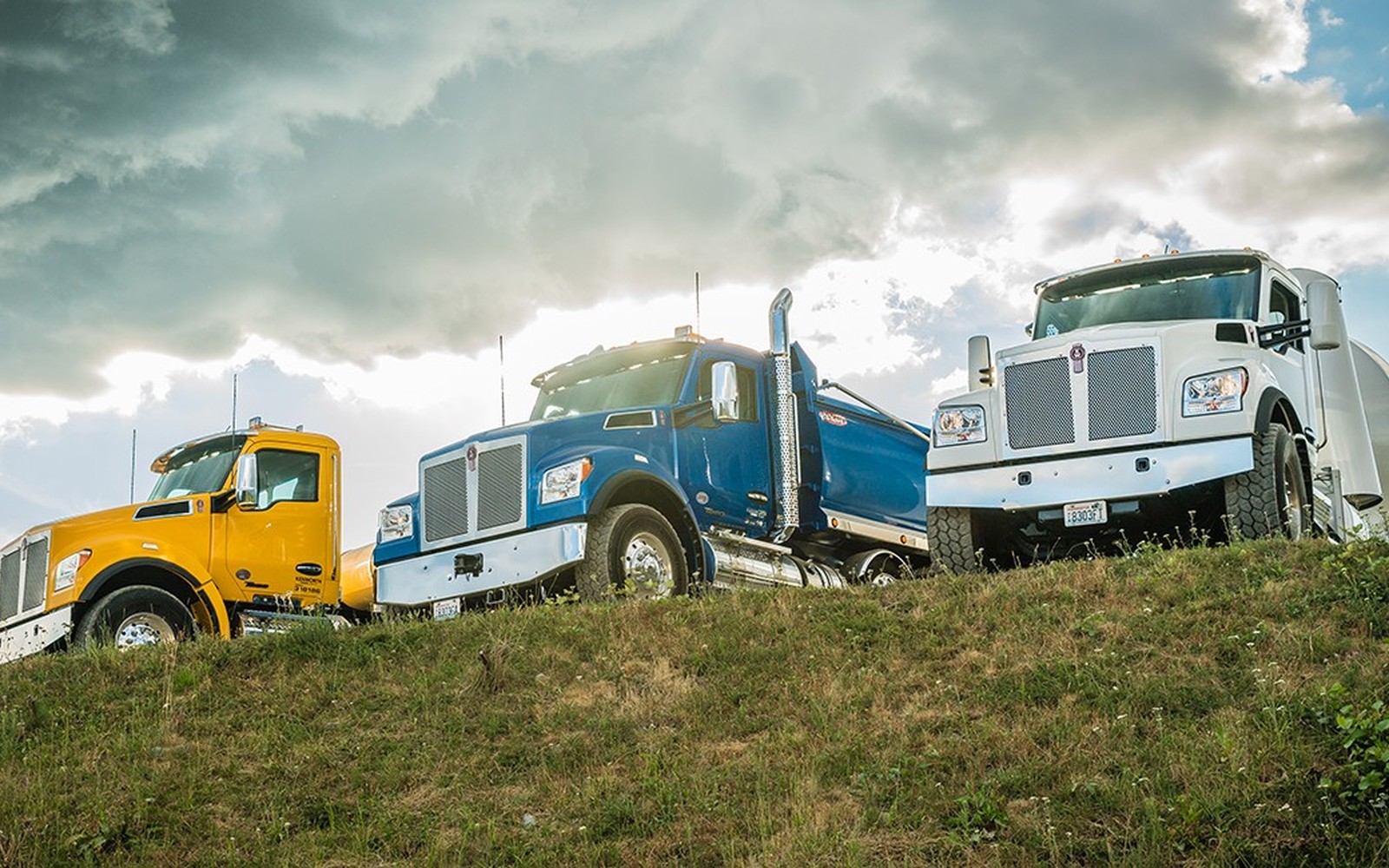
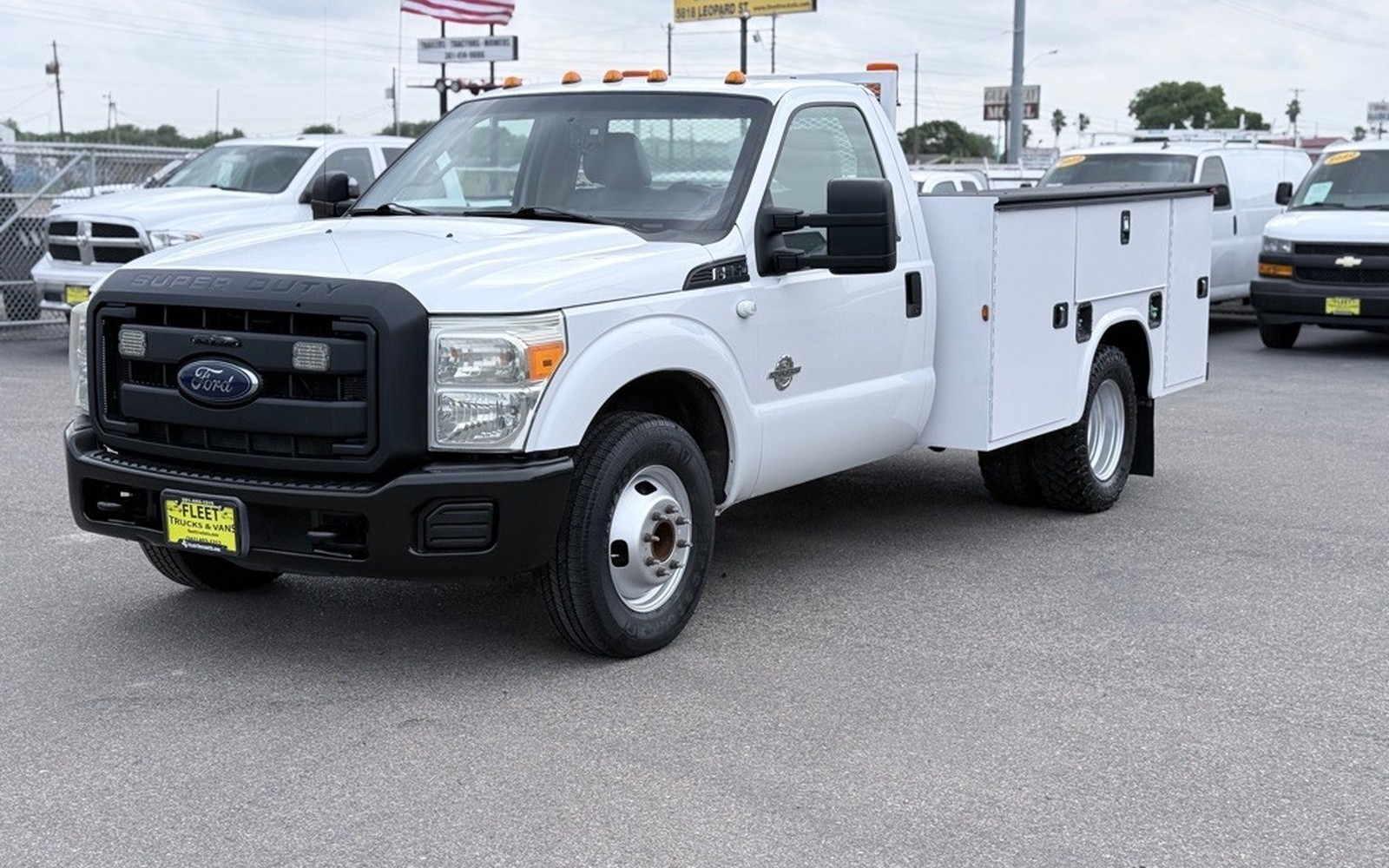
- Construction vehicles, including dump trucks and service trucks, supporting the ongoing commercial development in the Des Moines metro and infrastructure projects statewide
- Cargo vans and sprinter vans for last-mile and courier operations serving Des Moines's growing urban delivery market
Used equipment is eligible across all categories. Iowa has an active secondary market for agricultural equipment in particular, and a well-maintained used unit at the right price often makes more sense than new for an operator who manages maintenance in-house. We underwrite used deals based on the unit's condition, mileage, and remaining useful life, not a blanket rule about age or miles.
Working Through Credit and Documentation
Iowa agriculture creates boom-and-bust revenue cycles that show up in business financials and sometimes in credit profiles. An operator who had a strong year followed by a weather or price shock year may carry credit marks that do not reflect current operating strength. Our B and C credit program is designed for exactly this kind of situation, where the recent trajectory is more meaningful than the worst quarter three years ago.
For application-only transactions up to roughly $400,000, the documentation is a completed application, three months of bank statements, and the equipment spec. No tax returns required. For seasonal businesses where bank statements show strong months and weaker months in a predictable pattern, we look at the full 12-month picture when available and structure accordingly.
A seasonal deferred payment structure can align principal payments with the harvest-flush period and reduce payment obligations during planting season when cash flow is tighter. This is not an unusual accommodation for Iowa agricultural operators, and we build it into the deal structure from the start rather than asking for a modification later.
Multi-owner businesses, partnerships, and LLCs all apply under the same general process. We require personal guaranties from principal owners, and all owners above a standard ownership threshold will appear on the application.