Omaha earns its reputation as one of the country's major trucking cities the hard way, through raw freight volume. Union Pacific Railroad's headquarters here creates a rail-to-truck transfer economy that sustains a large drayage and intermodal sector. The Missouri River corridor and the I-80 east-west axis make Omaha a natural convergence point for freight moving between the coasts. And Nebraska's agricultural economy, massive in grain and cattle, generates outbound loads that keep regional carriers and specialized haulers running hard through every season. For fleet operators here, the work is consistent, but so is the mileage accumulation on equipment.
We finance truck fleets across the Omaha metro and surrounding Nebraska communities, including operators in Papillion, Bellevue, Gretna, and Council Bluffs on the Iowa side. Minimum transaction is $50,000. Most deals fall between $100,000 and $150,000 and up. New and used equipment qualify. B and C credit are considered. Application-only approval is available up to roughly $400,000, with most deals closing in about one to two weeks from a complete file.
Omaha's Freight Economy: Rail, Agriculture, and Logistics
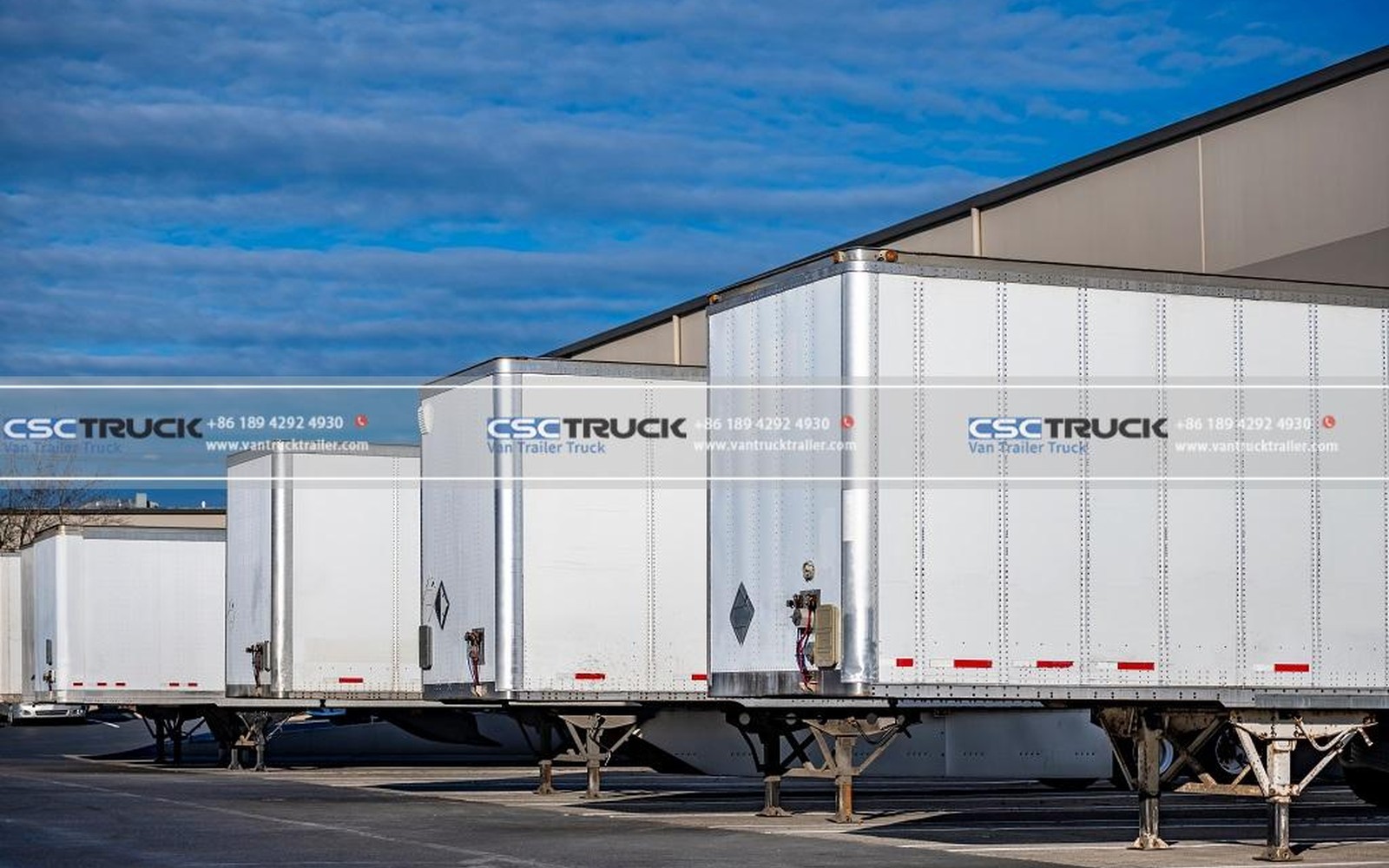
Union Pacific's intermodal operations in Omaha drive significant drayage demand. Container lifts at the Council Bluffs and Omaha rail yards generate work for short-haul carriers moving boxes between the rail ramp and distribution points across the region. That sector operates on tight margins and depends on fleet reliability, making downtime a cost that compounds quickly when a unit is out of rotation during peak container volume periods.
Agriculture is the other foundational driver. Nebraska is one of the country's largest corn and soybean producers, and the cattle and hog production centered in the Platte River valley generates both livestock hauling and feed-ingredient freight. Operators running tanker trailers for liquid inputs, livestock trailers for cattle transport, and dump trucks and grain trailers for harvest hauling are active across the western Nebraska market with Omaha as their operational base.
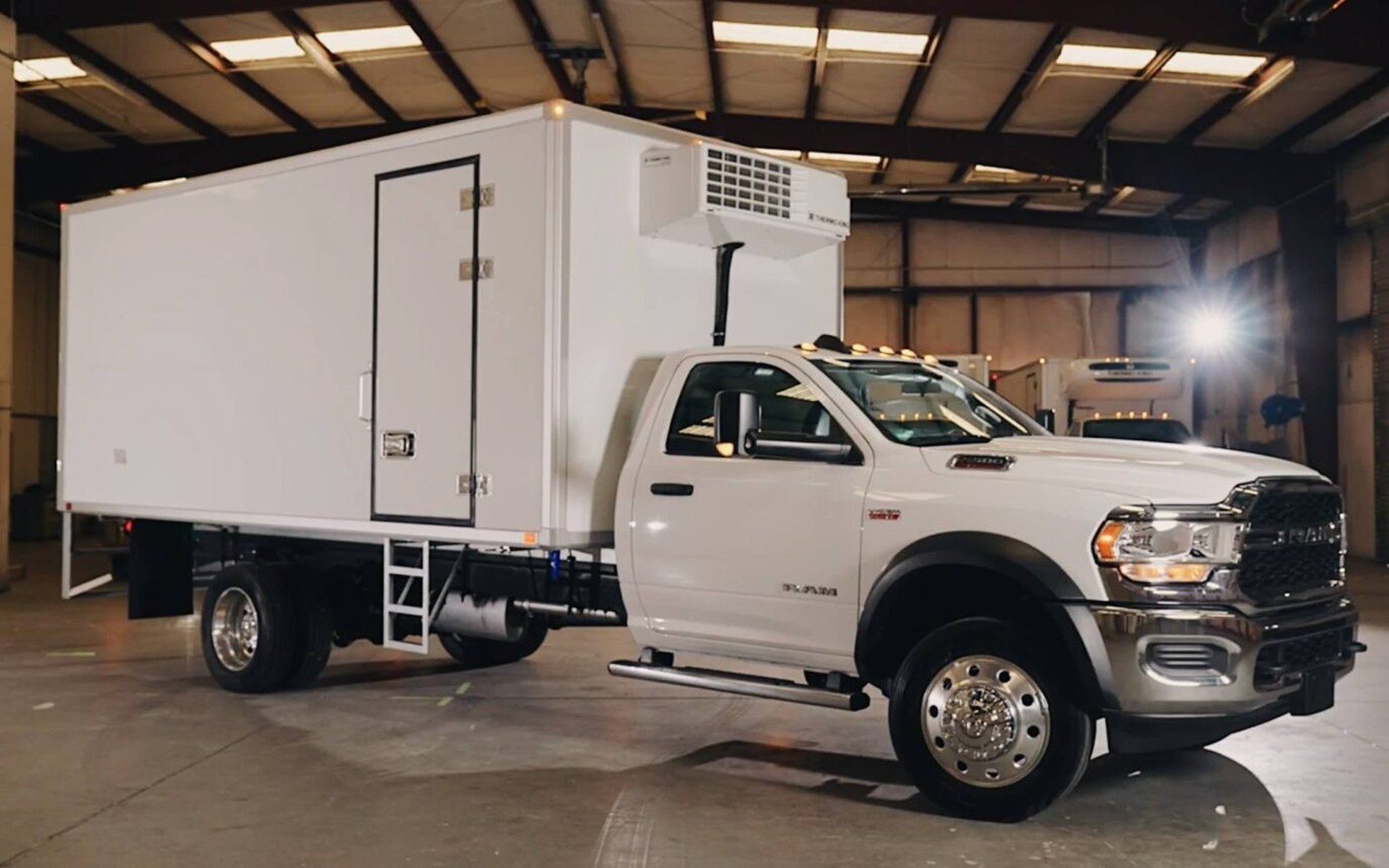
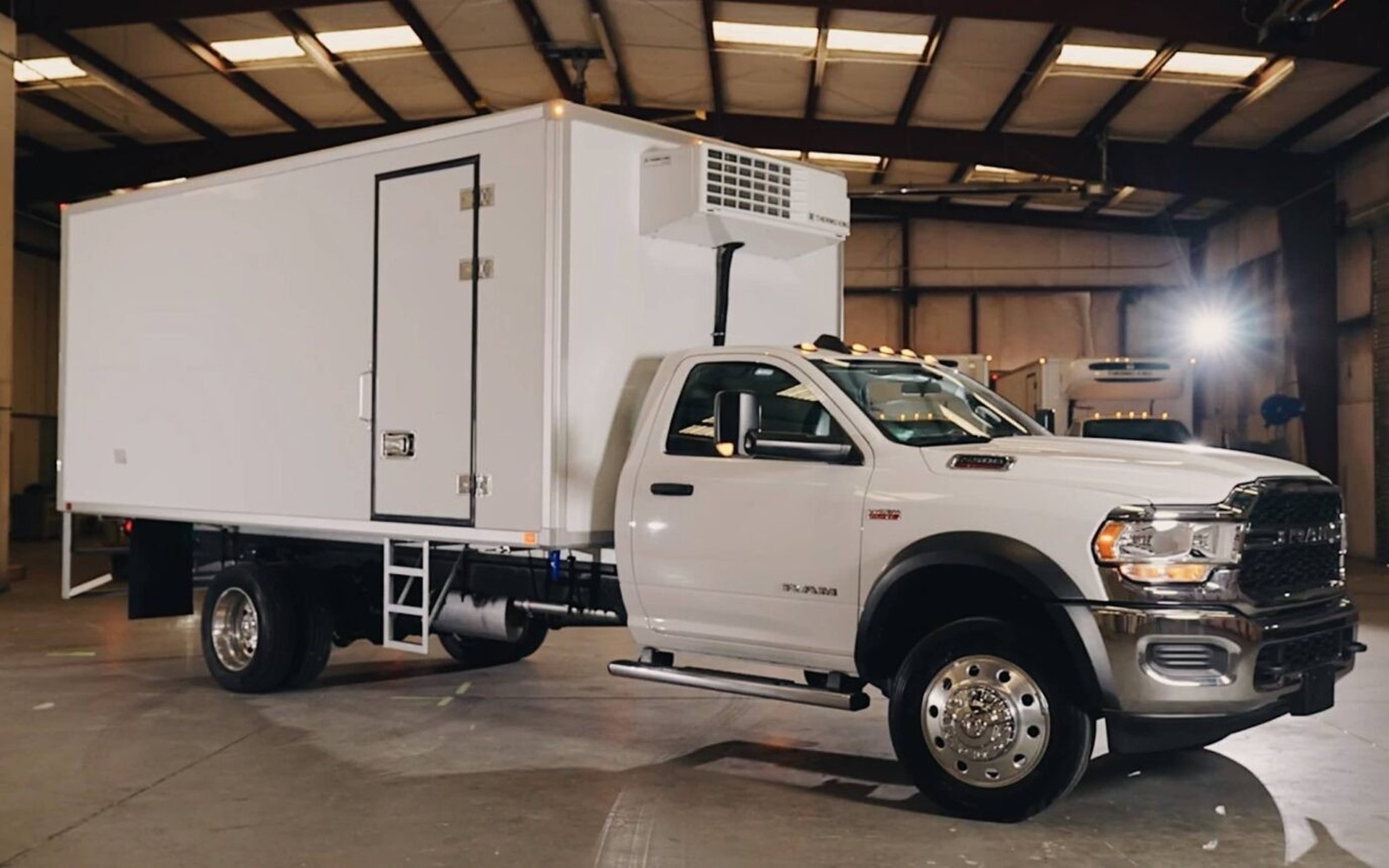
Food processing is a third demand driver. Omaha hosts significant meat processing capacity, and the supply chain supporting that sector requires reliable refrigerated transport for both inbound and outbound product. Refrigerated trucks and reefer trailers serving that sector need consistent uptime, particularly during summer months when temperature excursion risk is highest.
What Qualifies Under Our Omaha Program
The range of equipment types we finance reflects the diversity of Nebraska freight operations.
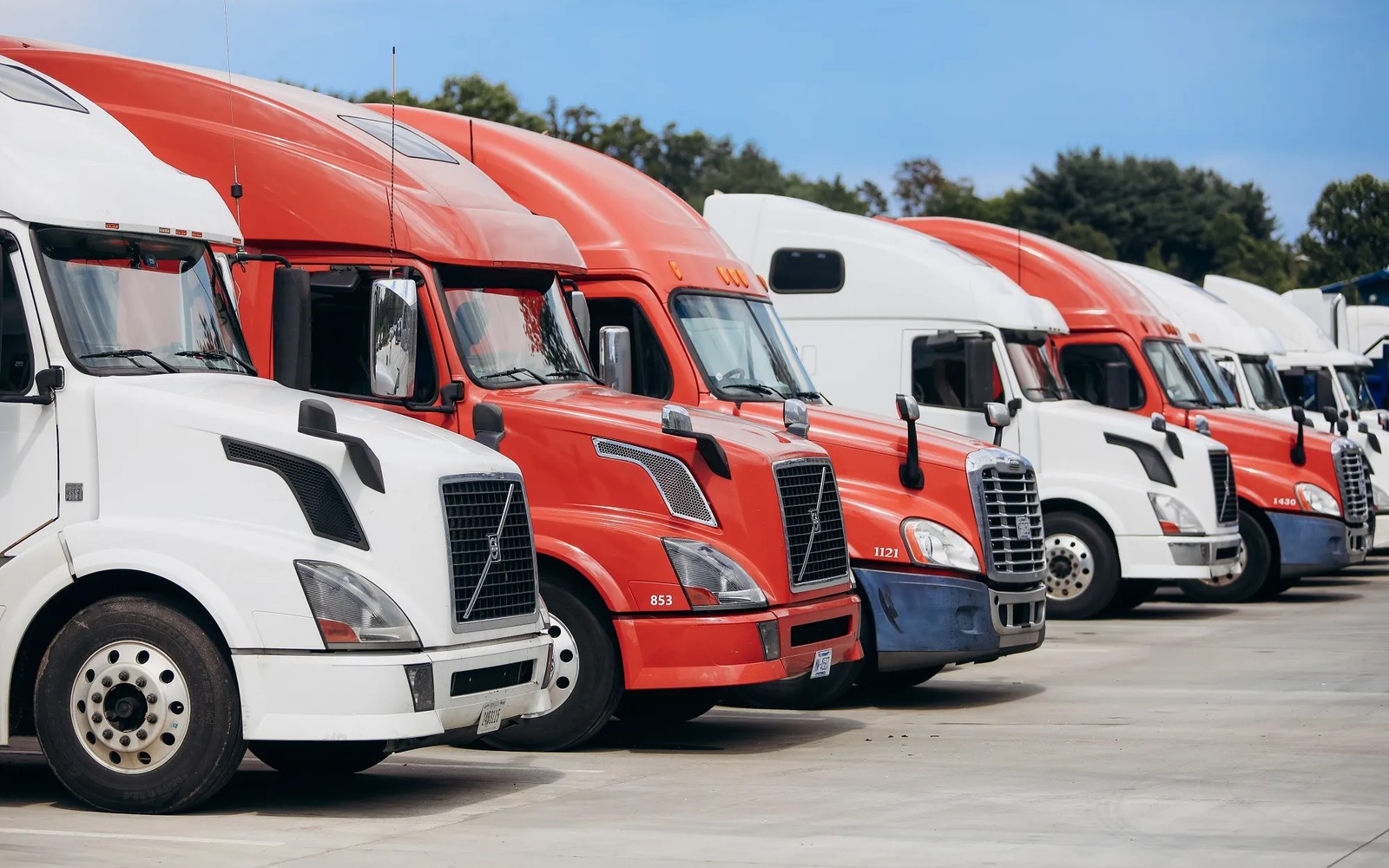
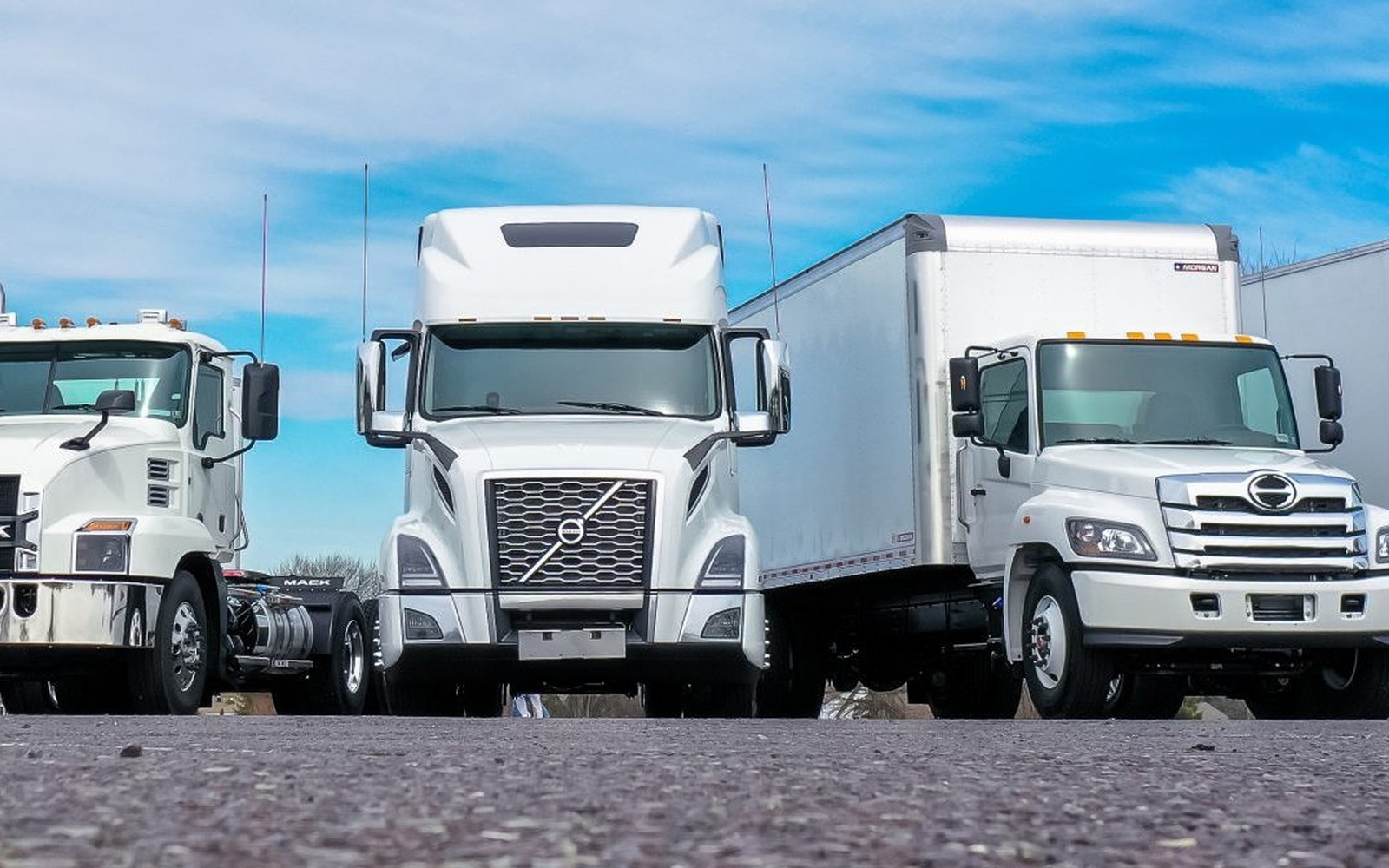
- Class 8 day cabs and sleepers for intermodal drayage, OTR, and regional freight lanes
- Specialty agricultural equipment: livestock trailers, grain trailers, tankers for liquid fertilizer and chemical inputs
- Refrigerated trucks and reefer trailers for food processing and distribution supply chains
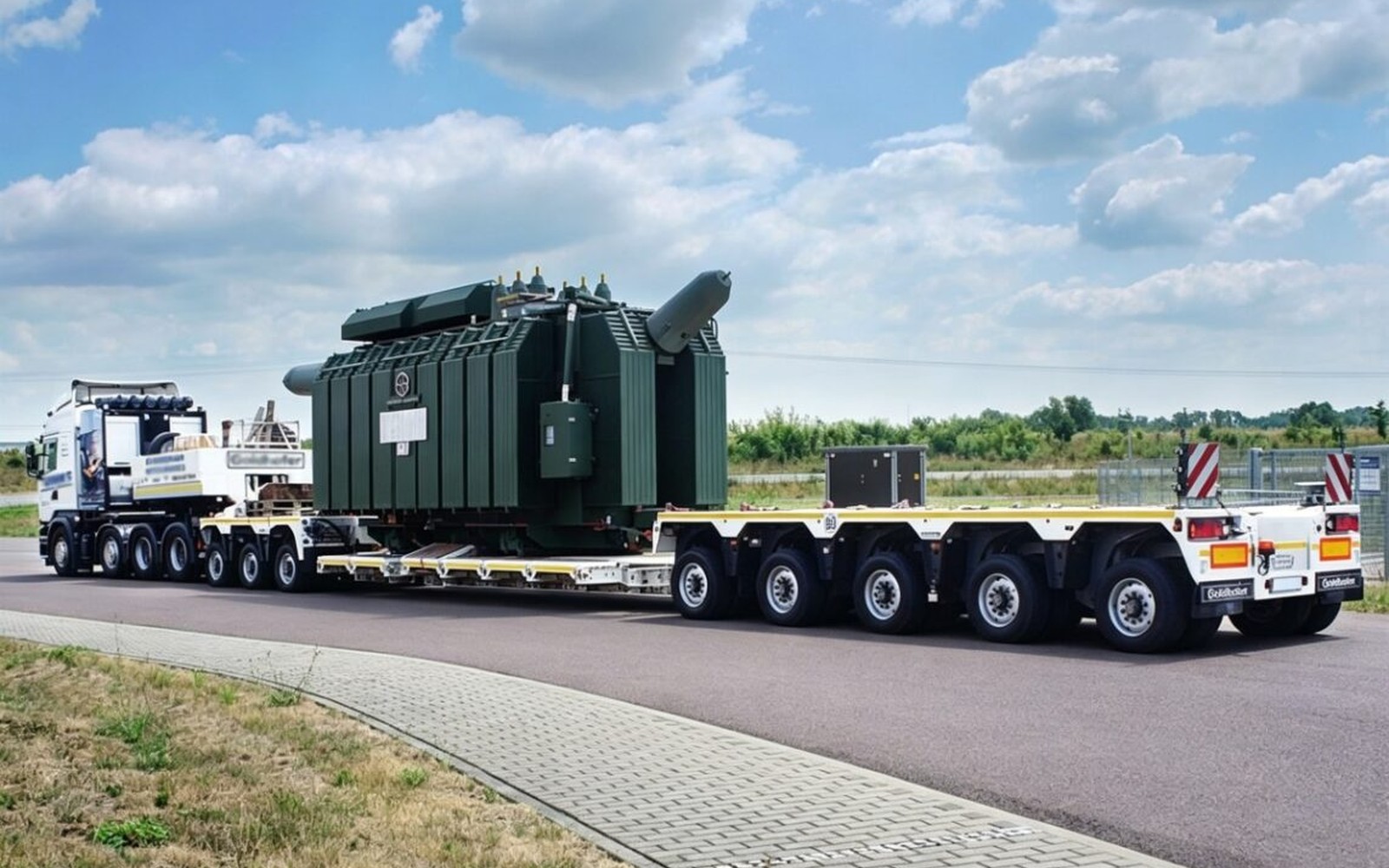
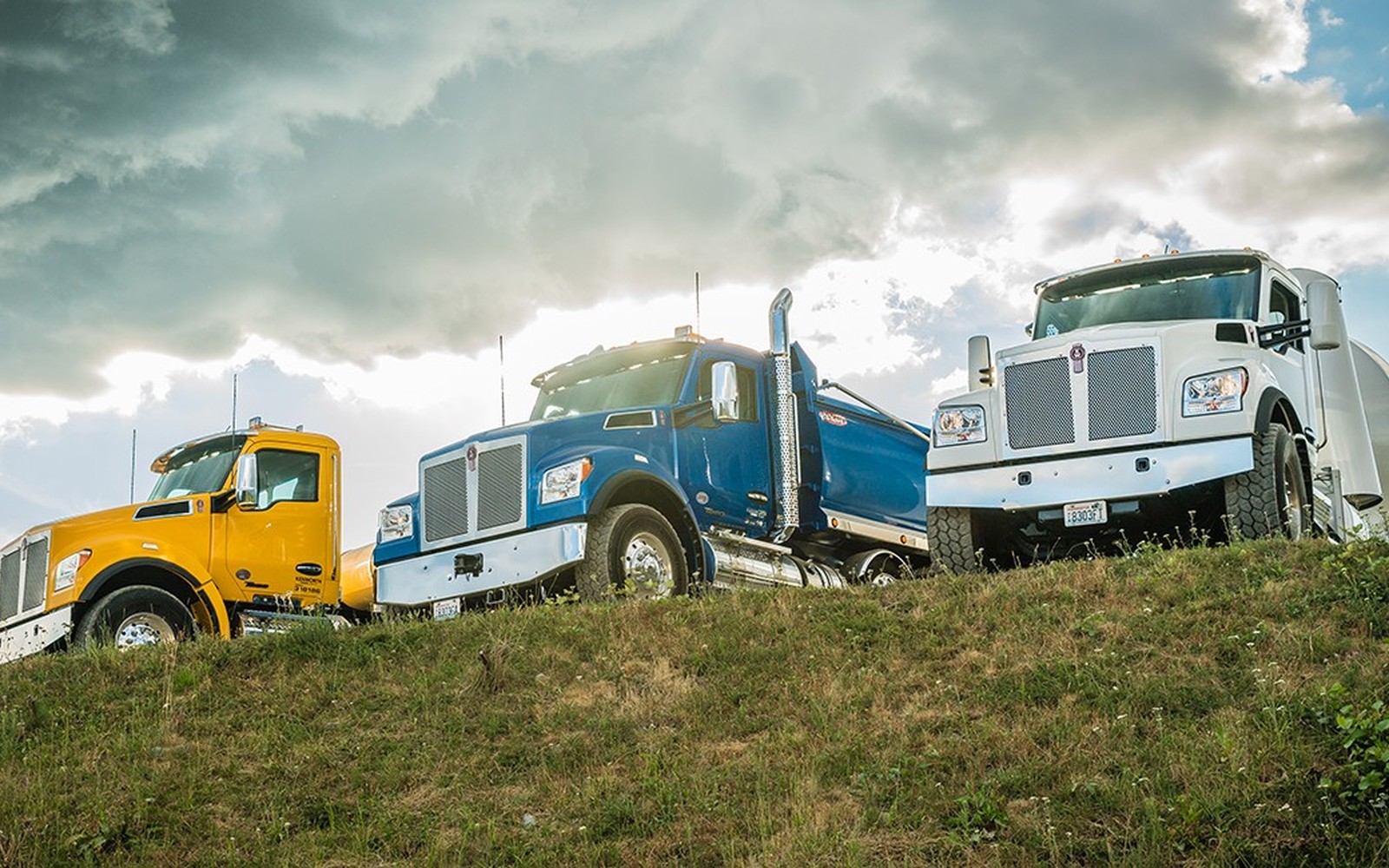
- Construction equipment: dump trucks, service trucks, flatbeds, and crane trucks for the active Omaha commercial and infrastructure build
- Cargo vans and medium-duty trucks for local distribution and last-mile operations
On the operator side, established carriers, agricultural haulers, construction fleet operators, and owner-operators building toward a multi-unit fleet all participate in our program. Newer businesses can also qualify, with underwriting that looks at the full operating picture rather than requiring a minimum years-in-business threshold across the board. B and C credit situations are common in our Omaha book, and we work through them rather than screening them out.
The Financing Process in Detail
For transactions up to roughly $400,000, we process on an application-only basis. That means the documentation package is a completed application, three months of bank statements, and the equipment spec. There is no tax-return requirement, no audited financial statement, and no bank committee review cycle that stretches the timeline to six weeks.
From a complete file to a credit decision is typically one to two business days for straightforward deals. From approval to funded deal is about one to two weeks, covering documentation, title work, lien filing in Nebraska or Iowa depending on the business's registration, and coordination with the seller. We handle the back-end coordination so you are not managing three parties simultaneously.
Structure options include equipment loans, TRAC leases with residual options, and dollar buyout leases. For agricultural operators with cash flow tied to harvest timing, seasonal deferred payment structures can align principal payments with the months when revenue supports them. That kind of structuring is something commodity-business operators need but rarely get from conventional bank financing.
For operators with existing fleet debt, a fleet refinance can improve the payment structure or reduce the rate on notes that were placed when credit was weaker. For operators with equity in owned units, a sale-leaseback or cash-out refinance converts that equity into working capital without requiring a new equipment purchase.