Jacksonville's freight economy runs on JAXPORT, and JAXPORT runs on trucks. The port handles more finished vehicles than any marine terminal in North America, with ro-ro operations processing cars and light trucks from Mercedes-Benz, Land Rover, Toyota, and other manufacturers across the Blount Island and Dames Point terminals. Container cargo moves through those same terminals and feeds the dense warehouse and distribution center concentration in Jacksonville's Westside and Northside industrial corridors. Backing all of it is a drayage network, a last-mile delivery fleet, a refrigerated distribution layer serving north Florida grocery and food service accounts, and a construction equipment base that has been working steadily since the mid-2010s growth wave returned to St. Johns and Nassau counties. Fleet operators in Jacksonville who keep units on the road hold the accounts. The ones who lose iron to financing delays lose the moves.
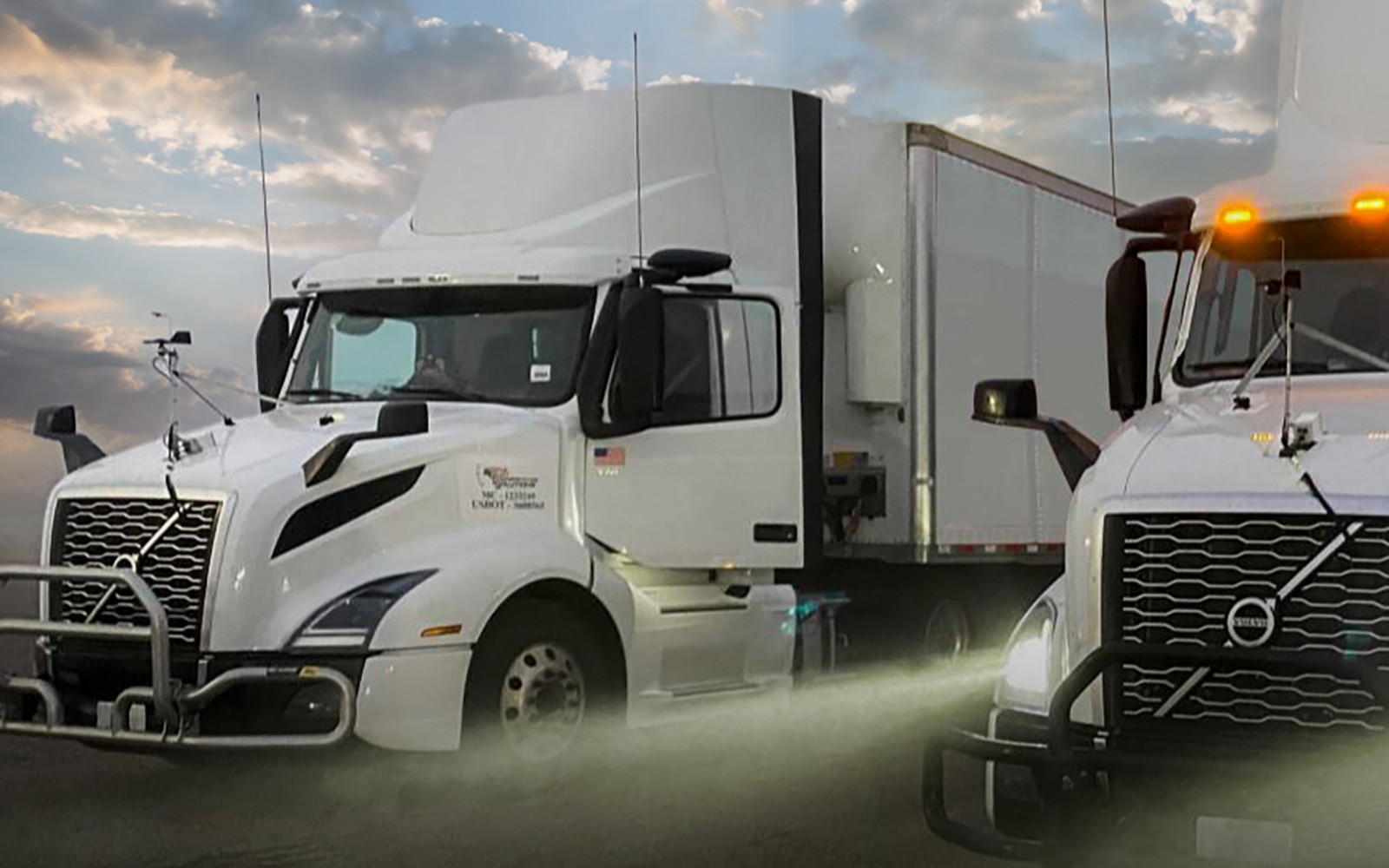
We finance truck fleets for Jacksonville-area operators from $50,000 up. The program covers new trucks from franchised dealers, used equipment from dealers or private sellers, refinancing of existing notes, and sale-leaseback on equipment already in service and earning. Port drayage operators who need to add day cab tractors for container drayage between the JAXPORT terminals and Westside warehouse facilities have used this program to add units without waiting on a bank. Applications up to roughly $400,000 require application documents only, no tax returns. Funding closes in one to two weeks from a complete submission. The process moves at a speed that matches how port freight actually operates, not how a bank committee meets.
The Jacksonville Freight Landscape
JAXPORT's roll-on/roll-off volume generates a specific transport demand layer that most port markets do not have at the same scale. Finished vehicle haulers working the terminal-to-dealership lanes, enclosed auto transporters moving high-value units, and drive-away crews coordinating multi-state moves all operate out of the port corridor. Beyond vehicles, the container terminals process retail, e-commerce, and grocery freight flowing into distribution centers run by Dollar Tree, Amazon, and Southeastern Grocers in the metro. The drayage cycle between terminal gate and warehouse dock is continuous, and operators who run it need day cabs that stay serviceable without unplanned downtime. A truck in the shop on a drayage contract costs the operator multiple moves per day, not just one shift.
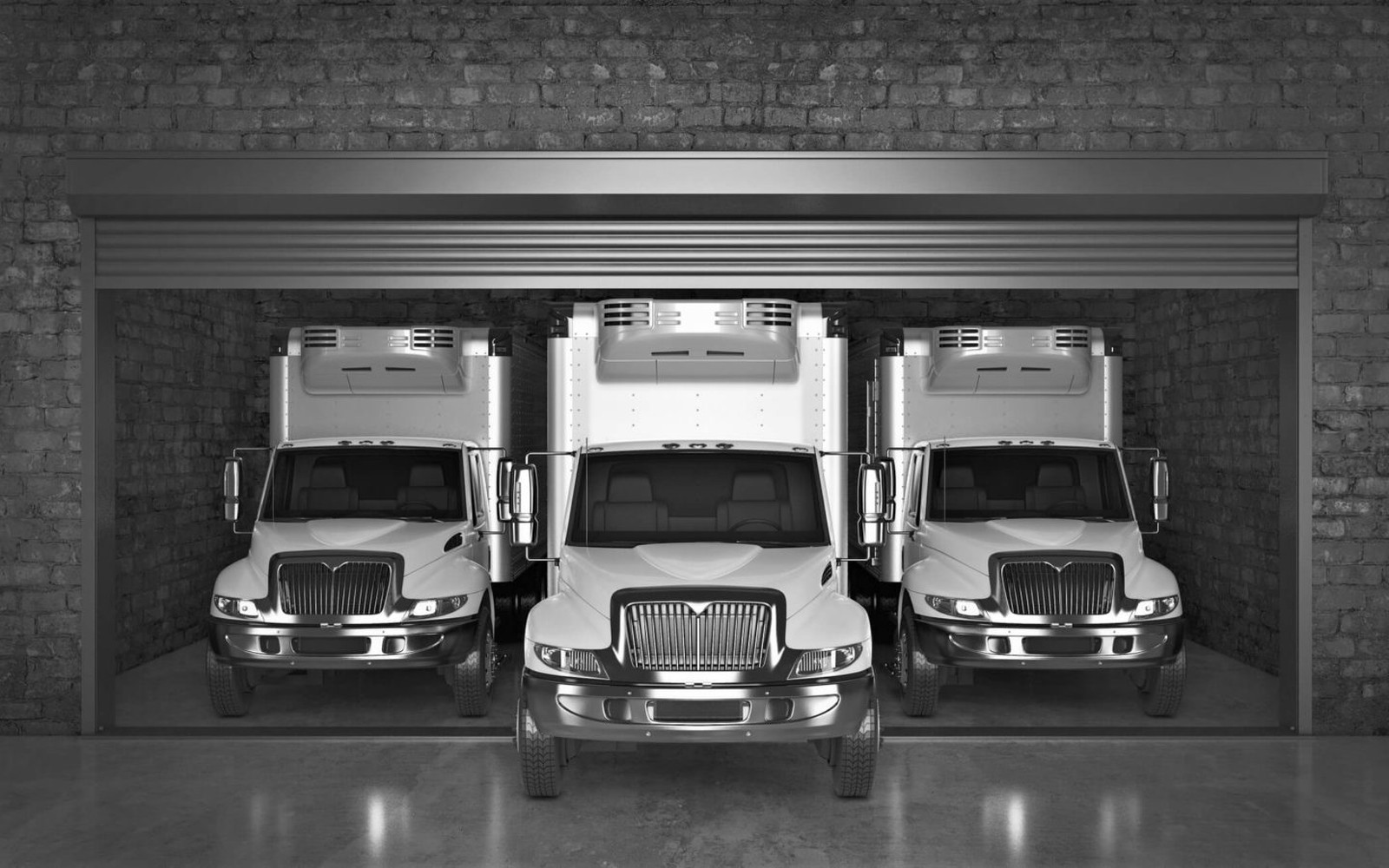
The distribution center footprint in Jacksonville's industrial zones drives separate and sustained demand for medium-duty freight equipment. Box truck fleet financing for operators running regional distribution to north Florida grocery, pharmacy, and convenience store accounts is a regular transaction for us. The food distribution market in particular is active given the concentration of Publix, Winn-Dixie, and food service distribution facilities in the metro. Refrigerated carriers running routes through the Gulf South corridor and up into southeast Georgia need reefer units that hold temperature in Florida summer heat. Those operators often cycle aging units out on a rolling basis rather than replacing the whole fleet at once, which makes a fleet equipment line of credit a practical structure for managing the replacement cadence without tying up a lump sum on each transaction.
The last-mile delivery fleet financing market in Jacksonville has also expanded alongside the e-commerce volume moving through the area. Delivery service partner operations running Amazon routes, FedEx Ground routes, and UPS contract territory all qualify as commercial fleet operators under our program. Those businesses typically run sprinter vans, cargo vans, and medium-duty straight trucks depending on the package volume and the territory density.
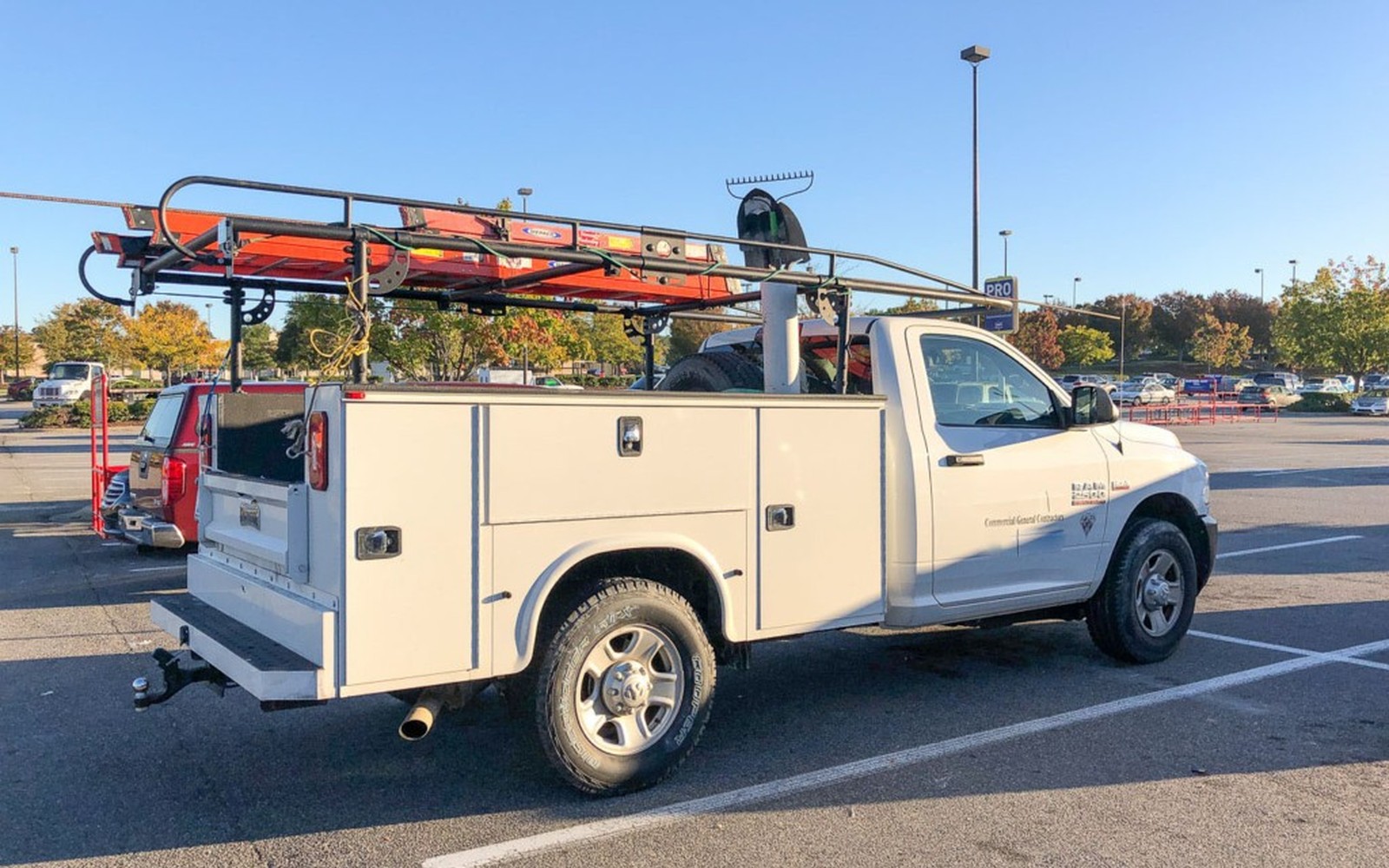
Construction in Jacksonville has remained active. The JEA utility modernization program, the Shipyards mixed-use downtown development, and the continued residential buildout in St. Johns County and the Clay County corridor all generate demand for aggregate haulers, concrete equipment, and site work trucks. Construction fleet financing for Jacksonville-area contractors covers dump trucks running river sand and fill material from north Florida pits as well as concrete mixer trucks servicing the residential developments in the 9B and US-1 growth corridors south of the city.
Financing Structures for Port and Distribution Operations
Port drayage and distribution work have payment cycles that do not match the assumptions built into most bank term loans. Drayage operators bill per move and collect from brokers or beneficial cargo owners on 15 to 45 day terms. Distribution carriers typically settle weekly or bi-weekly. Neither model matches the monthly cash-flow assumption that conventional lenders build their payment structures around. We structure deals that match how the business actually collects, which sometimes means a TRAC lease structure that lowers the monthly obligation per unit and builds in end-of-term flexibility, or a seasonal payment design for operators whose volume drops in slower months.
For drayage operators running a container chassis alongside the tractor, both assets can be financed in the same transaction. Chassis qualify as a separate equipment line item or as part of a combined tractor-chassis note. The TRAC lease structure is particularly efficient here because it keeps the monthly payment lower than a standard loan payment on the same equipment, freeing cash flow for fuel, insurance, and port fees during slower drayage weeks.
Operators who have built equity through years of payments on an existing fleet can convert that equity through a fleet sale-leaseback. The structure sells the trucks to the financing entity at fair market value, pays the operator a lump sum at closing, and leases the same trucks back under a payment schedule that keeps them running. The operator retains full use of the fleet and gains a capital injection that can fund a bid on a new account, cover an insurance renewal, or build up a fuel reserve for a busy drayage season. It is a structure worth modeling against a standard refinance when the fleet has meaningful free equity and the business has a specific capital need.
Operators whose files fall outside standard credit parameters should look at our B and C credit fleet financing program. Port drayage and distribution businesses often have thin credit histories because they operate on volume and cash rather than revolving credit, and a full-picture underwriting approach frequently works where a score-based bank review does not.