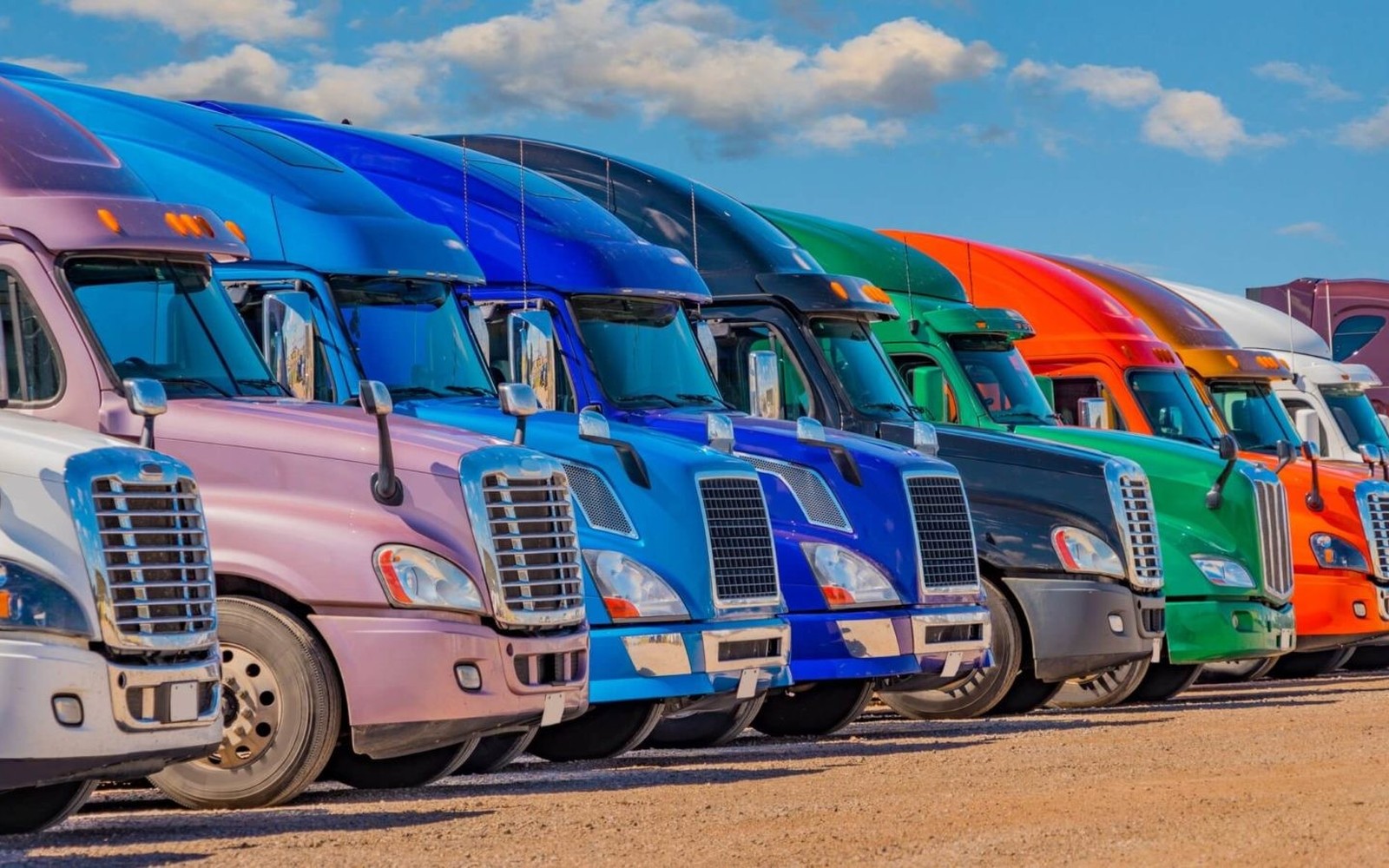
Stockton's commercial transport economy runs on two things that do not slow down: the harvest that feeds the country and the freight that flows between the Bay Area ports and the rest of the nation. The Port of Stockton is California's only inland deepwater seaport, which gives the metro a freight story that most Central Valley cities do not have. Add the agricultural output of San Joaquin County, one of the most productive farming counties in the United States, and you have a fleet market where downtime costs real money in real time. We work with fleet operators in Stockton and throughout the Central Valley to make sure equipment capital does not become the bottleneck.
We finance commercial truck fleets in Stockton starting at $50,000. Most deals run $100,000 to $150,000, and application-only approval is available up to roughly $400,000 for operators with consistent bank statement revenue. B and C credit situations are considered. New and used trucks both qualify. Three months of bank statements and a one-page application get things started, with funding typically closing in one to two weeks.
The Stockton Fleet Market: Agriculture, Ports, and Distribution
San Joaquin County produces almonds, cherries, grapes, tomatoes, asparagus, and a long list of other crops that make California the nation's largest agricultural state. That output generates substantial demand for refrigerated trucks moving fresh produce to Bay Area distribution points and processing facilities, flatbed trucks hauling agricultural equipment and commodity loads, and straight trucks delivering field inputs and supplies to farming operations. The harvest season compresses into specific windows that create intense, time-sensitive freight demand. Operators who have equipment ready for harvest earn; operators who are waiting on a financing approval miss the window.
The Port of Stockton handles bulk commodities including fertilizers, steel, and agricultural exports. That port traffic adds a drayage and short-haul component to the freight mix. Distribution facilities have expanded along the I-5 corridor south of Stockton and along SR-99, taking advantage of the market's central location between the Bay Area, Sacramento, and the San Joaquin Valley. Agriculture hauling fleet financing and produce and cold-chain fleet financing are both active areas for us in this market.
Equipment in the Central Valley Fleet Mix
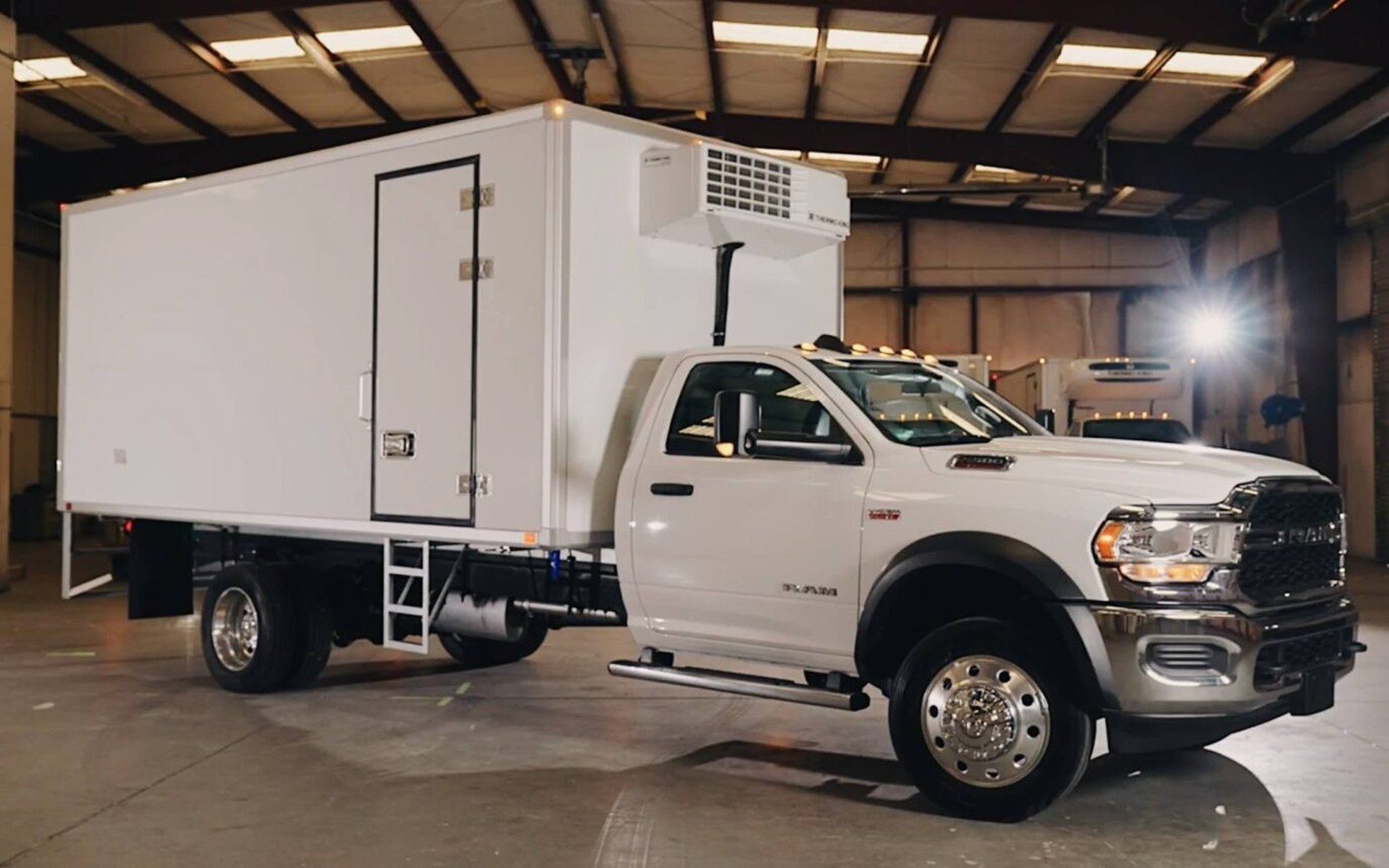
The equipment mix in Stockton and the broader Central Valley reflects the agricultural and logistics economy. Refrigerated trucks and reefer trailers dominate the fresh produce segment, where temperature management is not optional. These units run hard during peak harvest periods and face higher maintenance demands than dry freight equipment. Operators who keep their reefer units current rather than running them into the ground tend to hold accounts better and avoid the costly breakdowns that happen in the middle of a time-sensitive load.
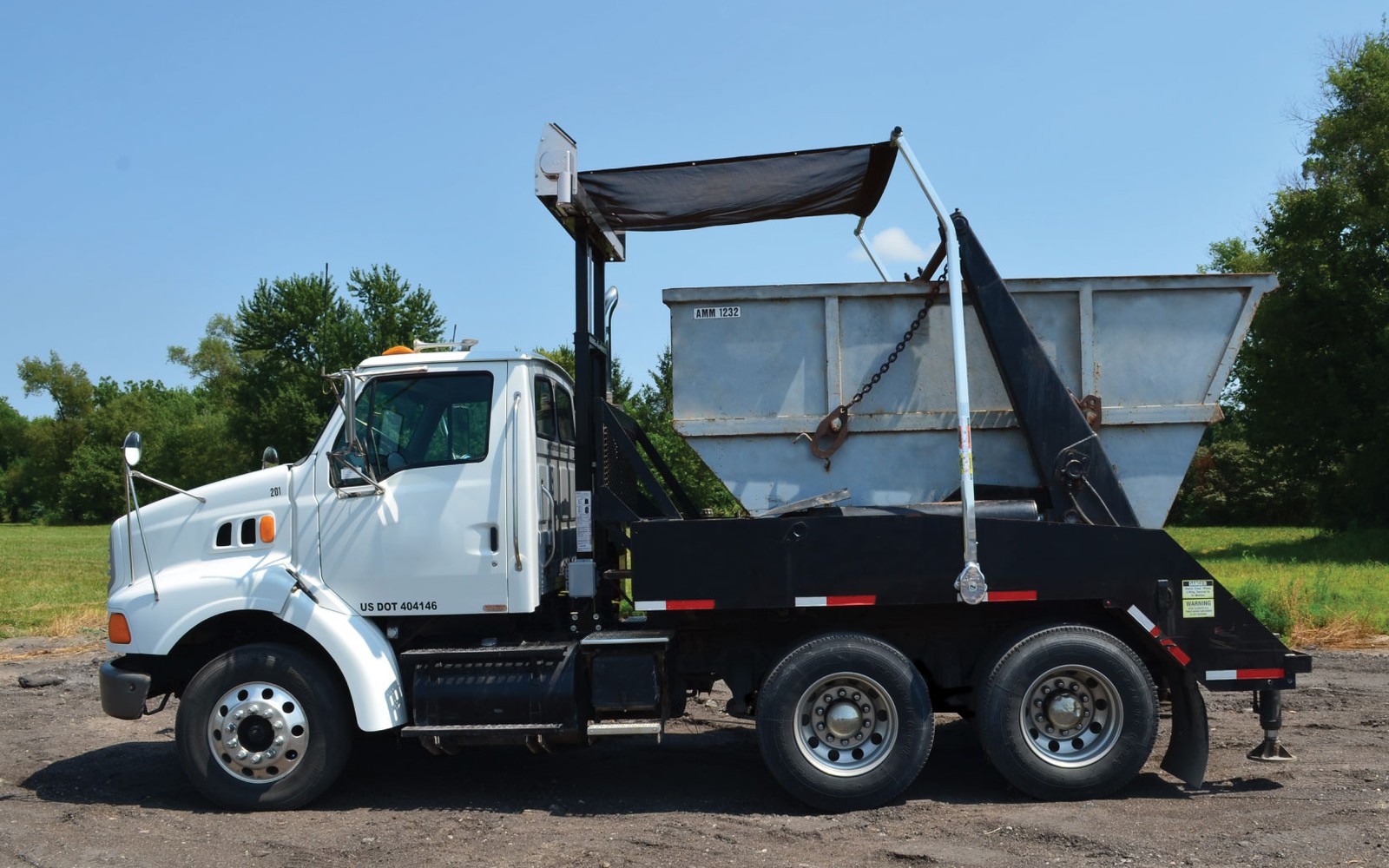
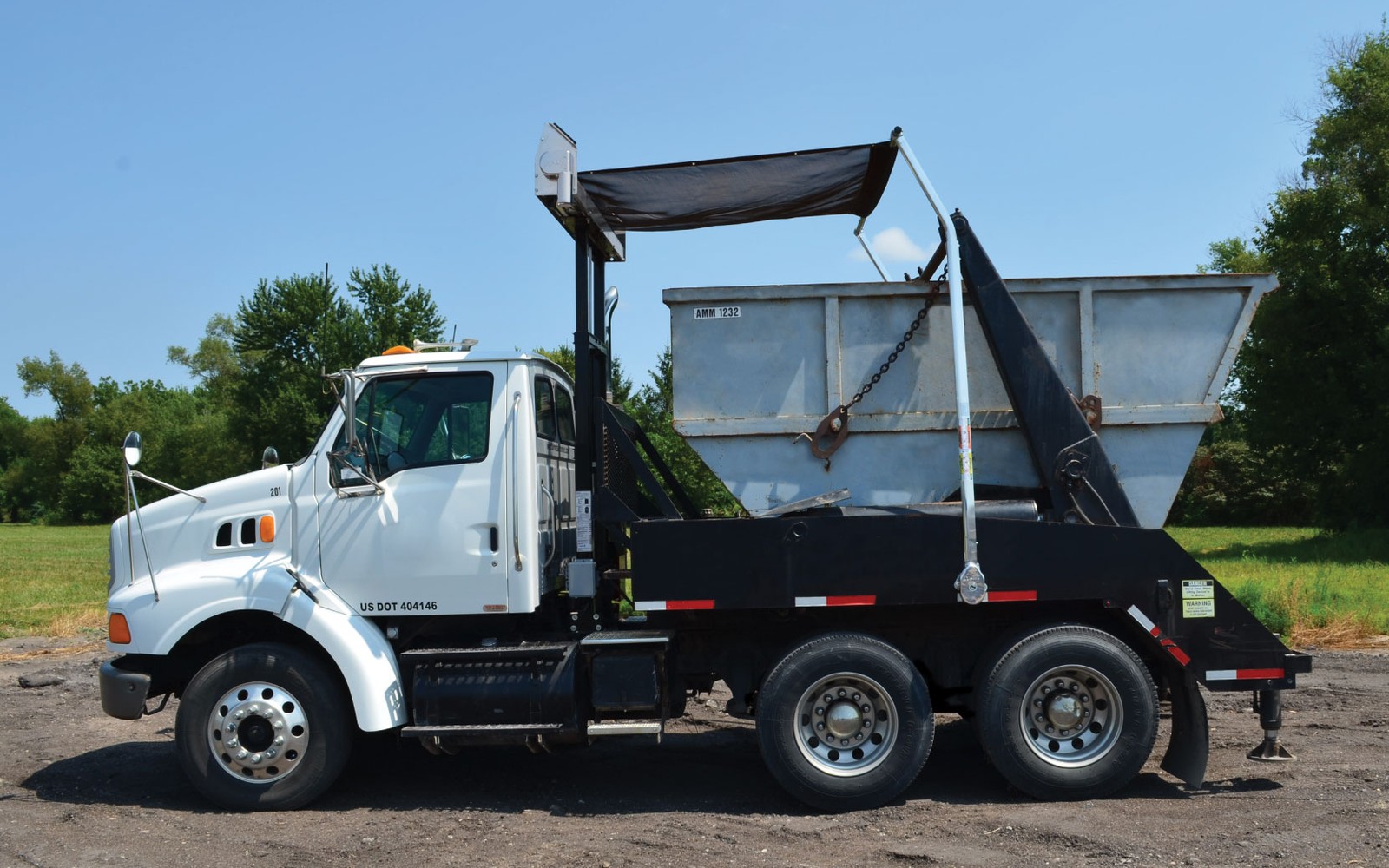
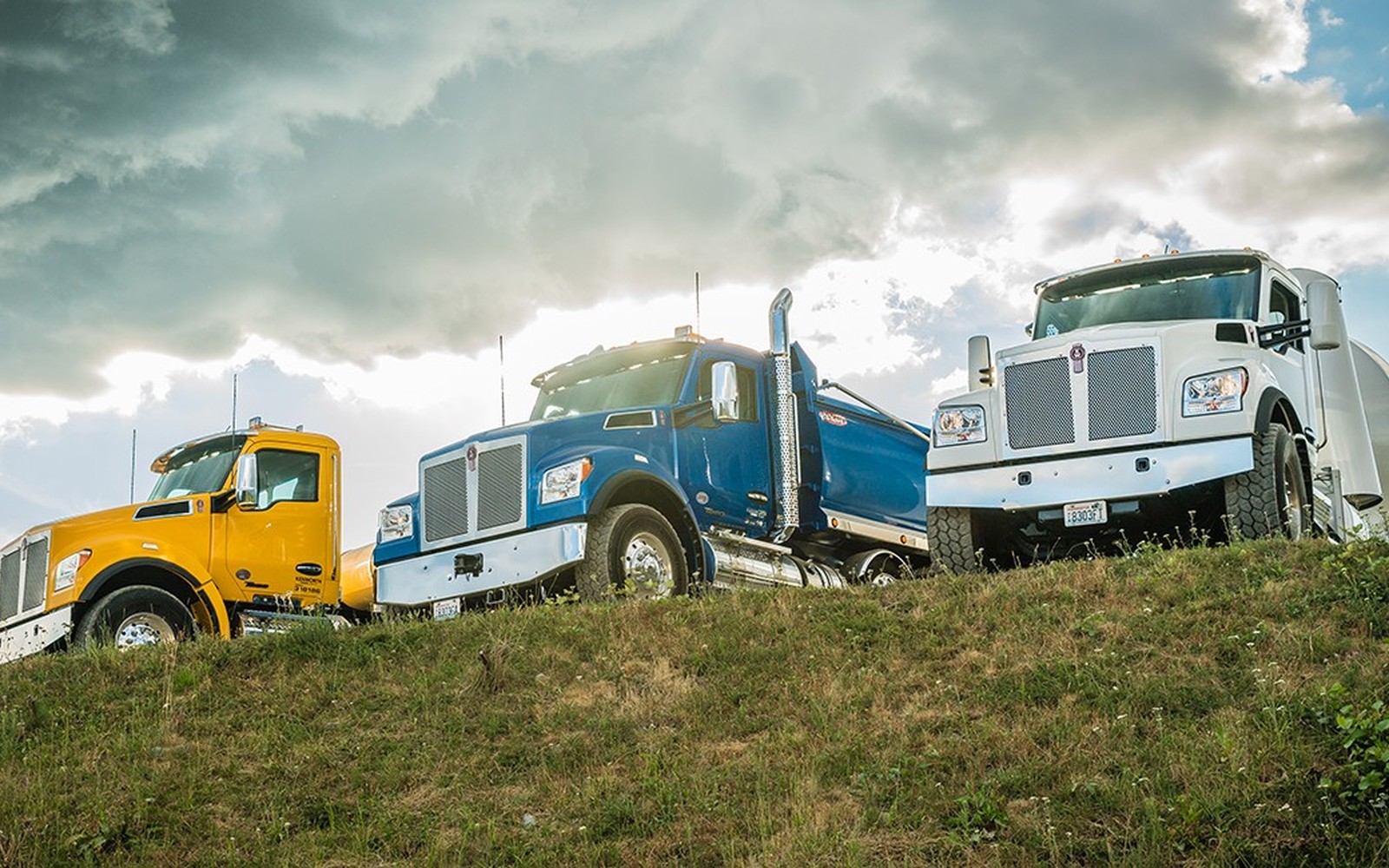
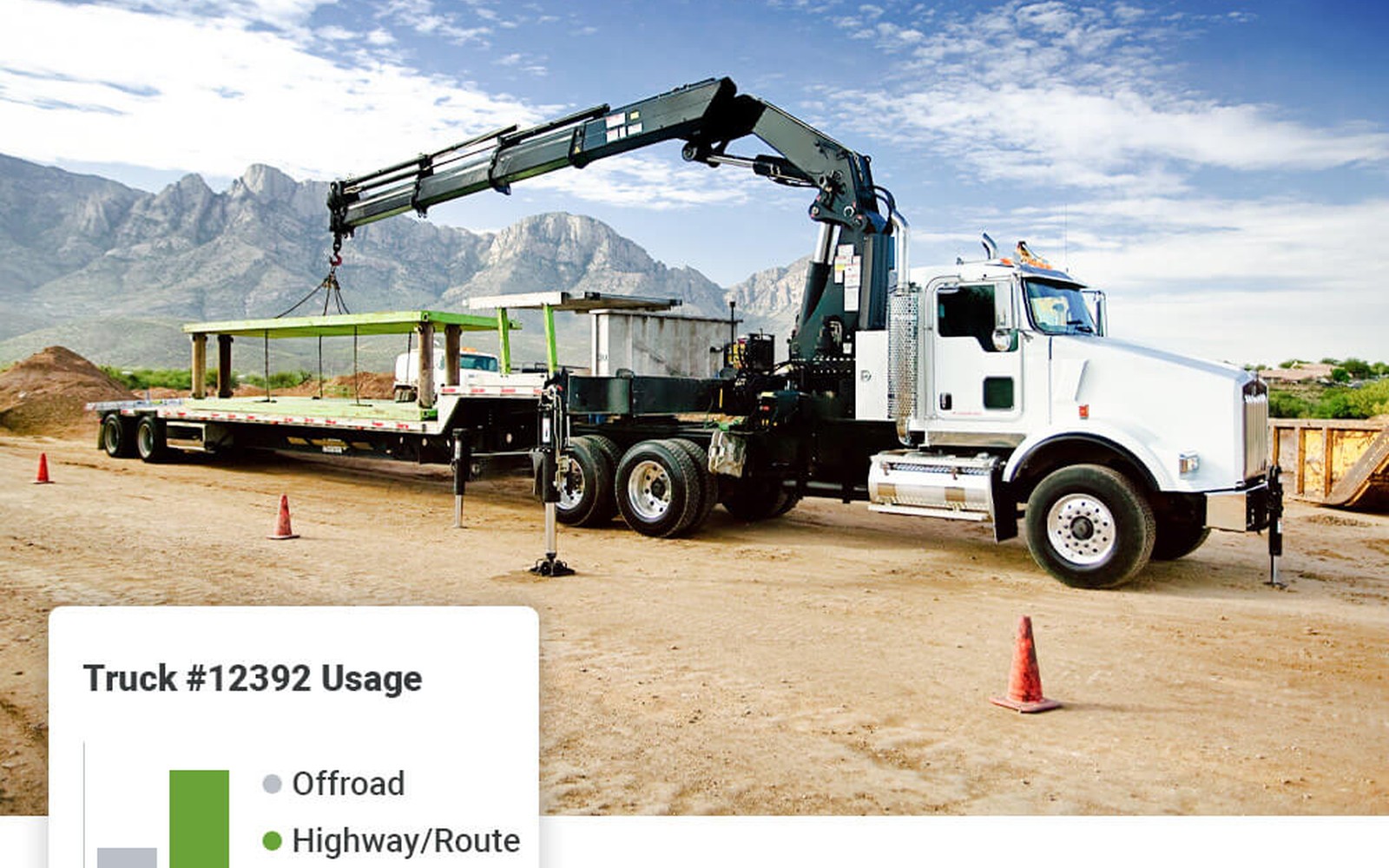
For agricultural support, water trucks and service trucks serving farming operations are common in the regional fleet profile. Dump trucks handling aggregate and construction materials serve the ongoing residential and industrial development in the Stockton, Manteca, and Lathrop corridor. Long-haul operators based here run sleeper tractors on lanes that connect to the Bay Area ports, Los Angeles, Seattle, and points east. We finance all of these equipment types with the same structured approach and the same timeline expectations.
Used equipment is a strong fit for many Central Valley operators who run tight margins and want to control per-unit cost. We do not penalize deals for equipment age as long as the title is clean and the condition supports the intended use.
Operators Who Fit What We Do
Stockton's fleet operator community includes small family-owned operations that have been hauling for decades and newer fleets built to serve the distribution and e-commerce growth along the valley. Both fit our model. The small operator with two refrigerated trucks and a solid produce-hauling account is as good a candidate as the regional carrier adding a fifth or sixth unit to meet a new contract.
We also work with operators who have been turned down by banks that do not understand the seasonal cash flow patterns of agriculture-adjacent businesses. A carrier whose revenue spikes during almond harvest and slows in January is not a credit problem. It is a business with a known pattern. We read that pattern in the bank statements and structure accordingly. Operators with prior credit issues who have rebuilt their revenue are similarly in scope. Bad credit truck financing programs are available for situations where the score alone does not capture the full picture of the business's health.
For operators adding trailers to expand reefer capacity ahead of a harvest season, seasonal deferred-payment financing can align the payment start with when the equipment begins earning rather than when the ink dries on the purchase contract.