Towing and recovery is a 24-hour business where downtime is not optional and the equipment does not get a break. A wrecker that fails on a night rotation puts the operator on a tow to a competitor and, for heavy recovery companies, a single unit down on a major incident means calling in outside resources that erode the margin on a job that should have been profitable. The fleet has to work, and adding or replacing units is a business-critical decision that cannot wait on slow financing.
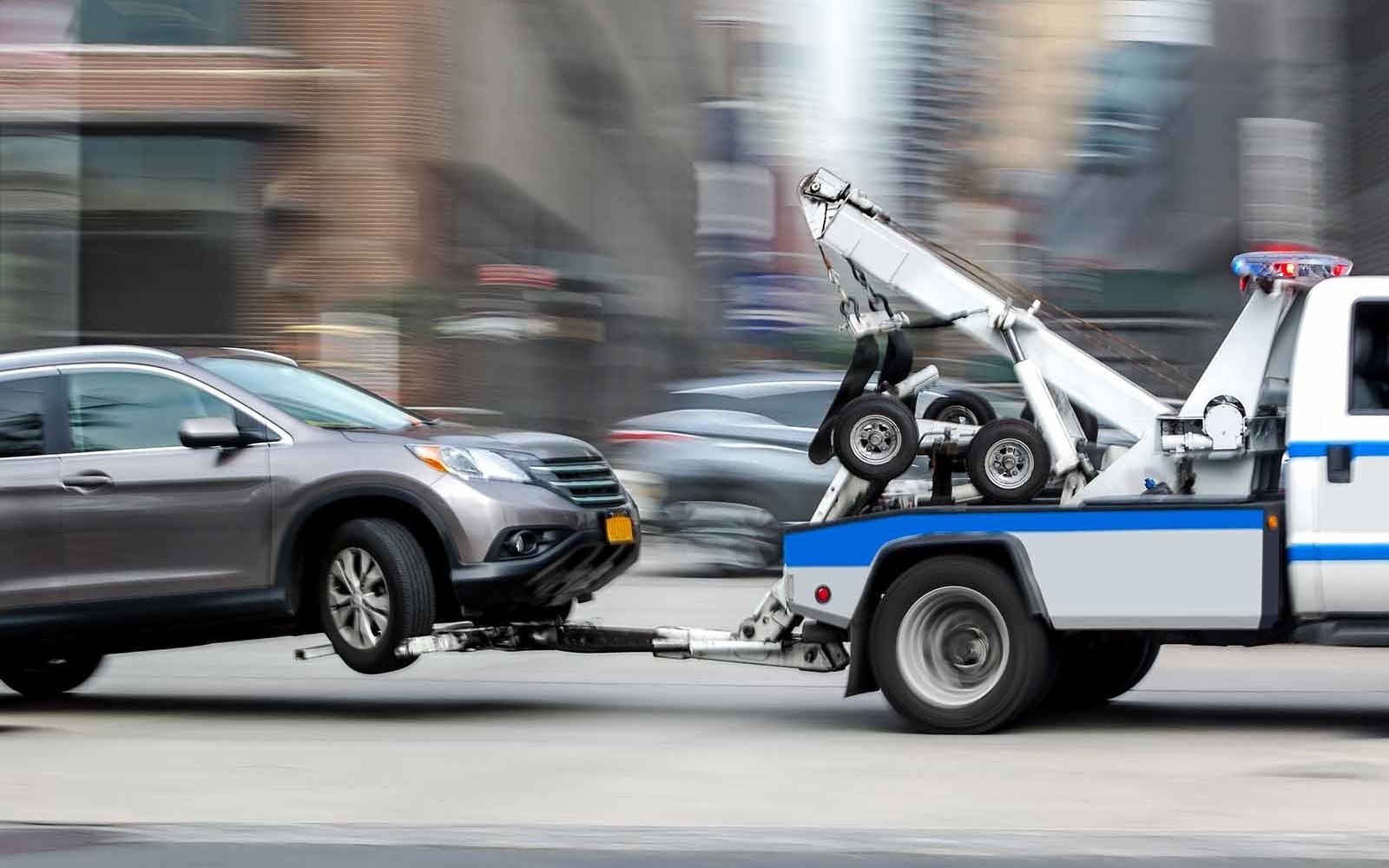
We finance tow truck and wrecker fleets for operators across the full service range: light-duty wheel-lift and flatbed car carriers for motor club and impound work, medium-duty integrated carriers for commercial vehicle tows, and heavy-duty underlift-rotator combinations for large vehicle and accident recovery. The unit values in heavy recovery are significant, and we work with lenders who understand what a 75-ton rotator or a heavy integrated wrecker is actually worth.
Towing fleet transactions start at $50,000. A light-duty carrier or wheel-lift typically runs $60,000 to $120,000 new. Medium-duty units come in at $100,000 to $200,000. Heavy-duty wreckers and rotators can run $300,000 to $800,000 and up, and our program handles all of these size ranges. Application-only approval reaches approximately $400,000 for established towing operators; full financial documentation supports larger heavy recovery purchases.
Towing Equipment by Weight Class and Application
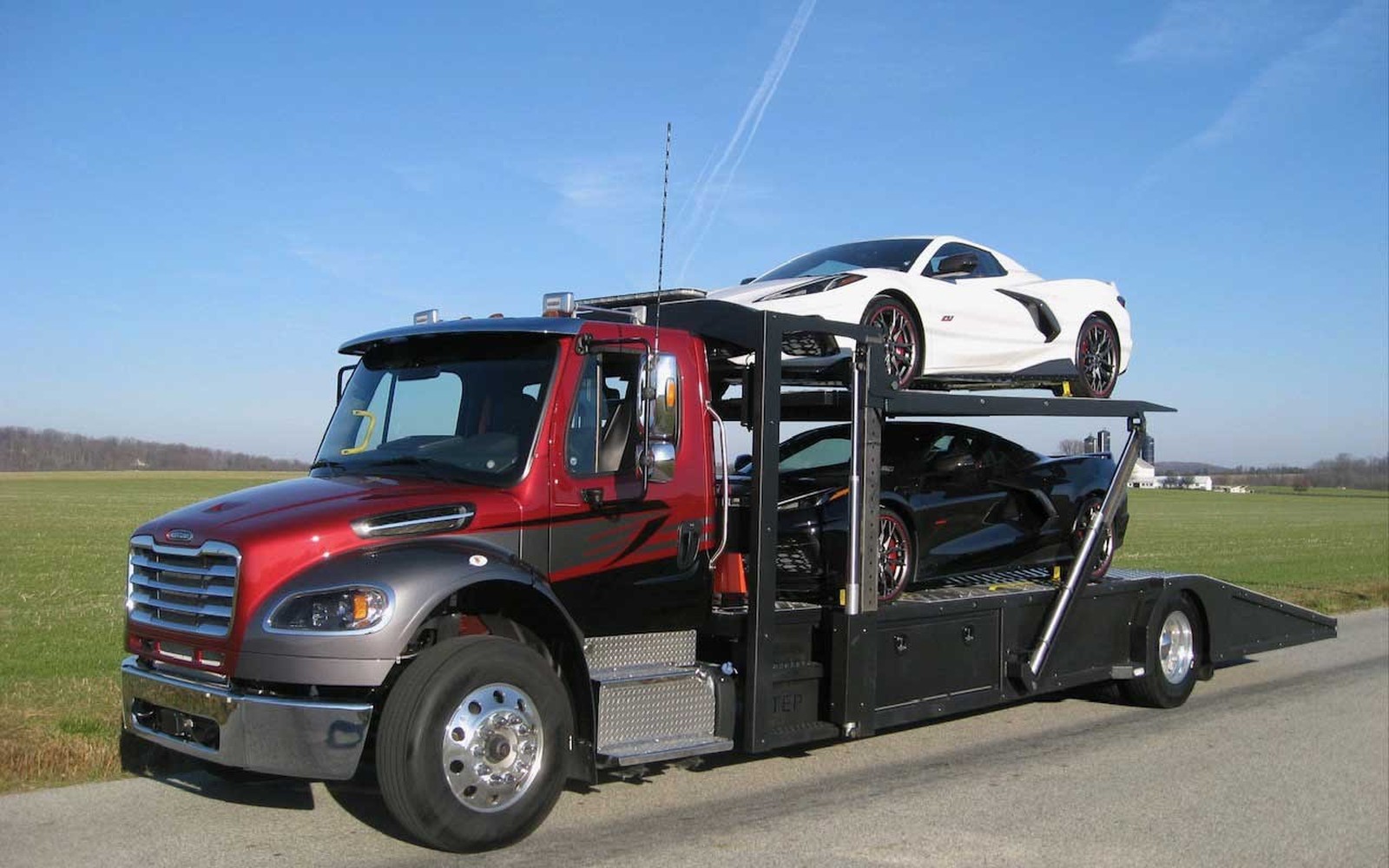
Light-duty towing covers passenger vehicles and small trucks. The equipment is typically a Class 4 to Class 5 flatbed car carrier or a wheel-lift unit on a medium-duty chassis. These units run motor club volume, impound contracts, and roadside assistance calls. The asset values are lower and the lender pool is broader, which generally makes light-duty towing equipment one of the more straightforward financing categories we handle.
Medium-duty towing uses integrated carriers, sometimes called heavy-duty wrecker-carriers, on Class 6 to Class 7 chassis. These handle commercial vehicle tows, box trucks, and straight trucks that cannot be moved by a light-duty unit. Medium-duty operators often hold CVSA-compliant recovery credentials and work roadside assistance contracts with commercial fleet operators and motor carriers.
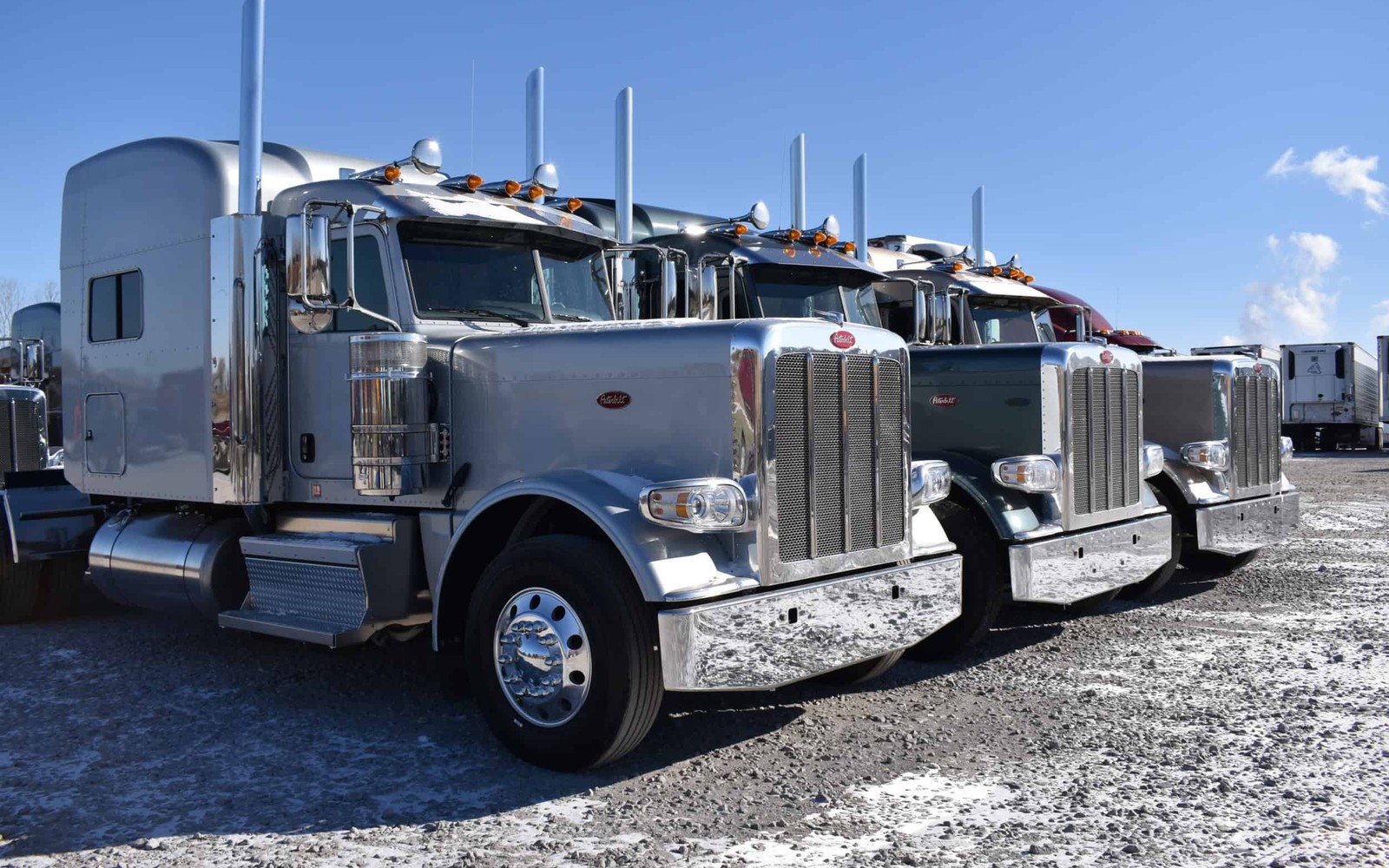
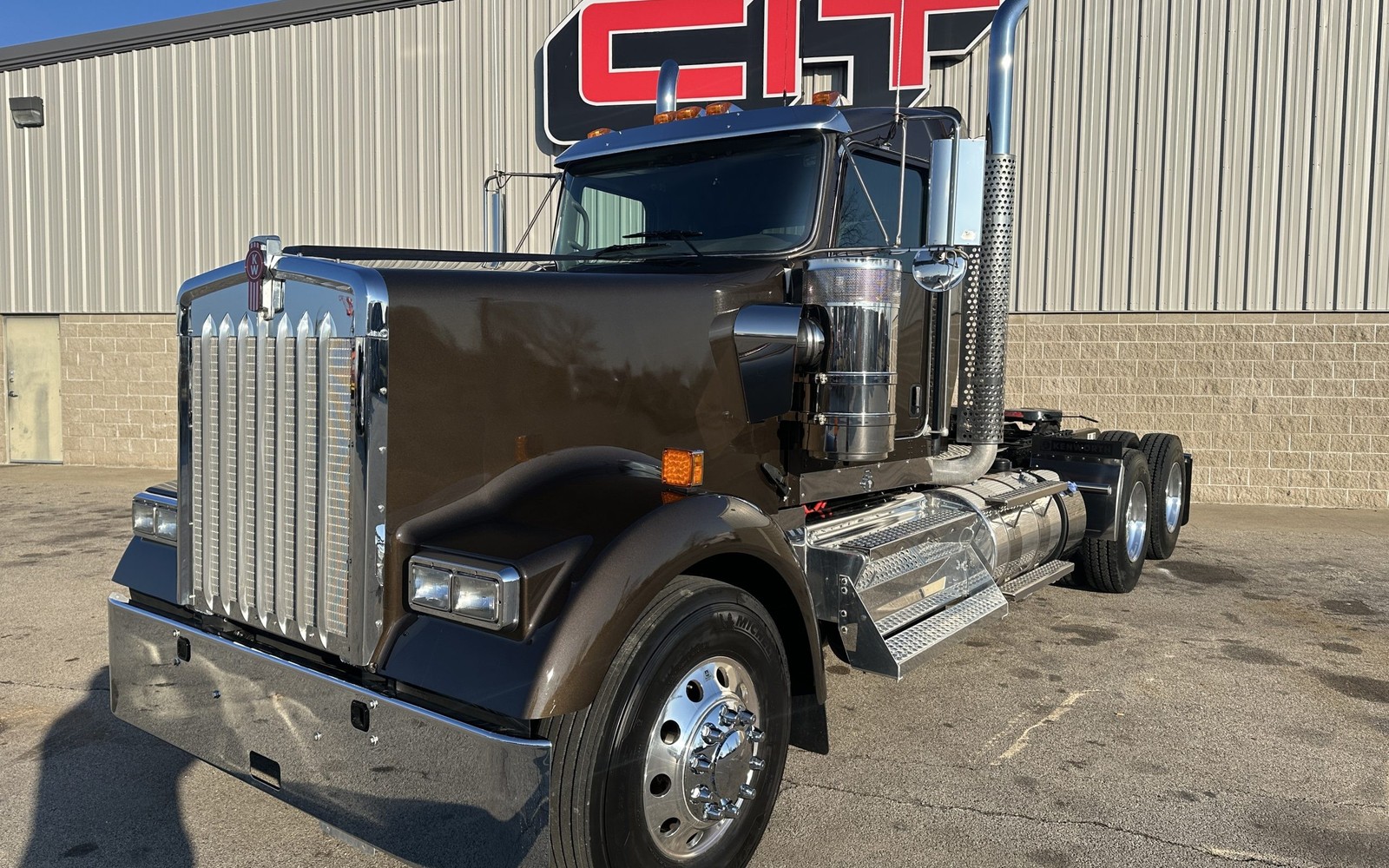
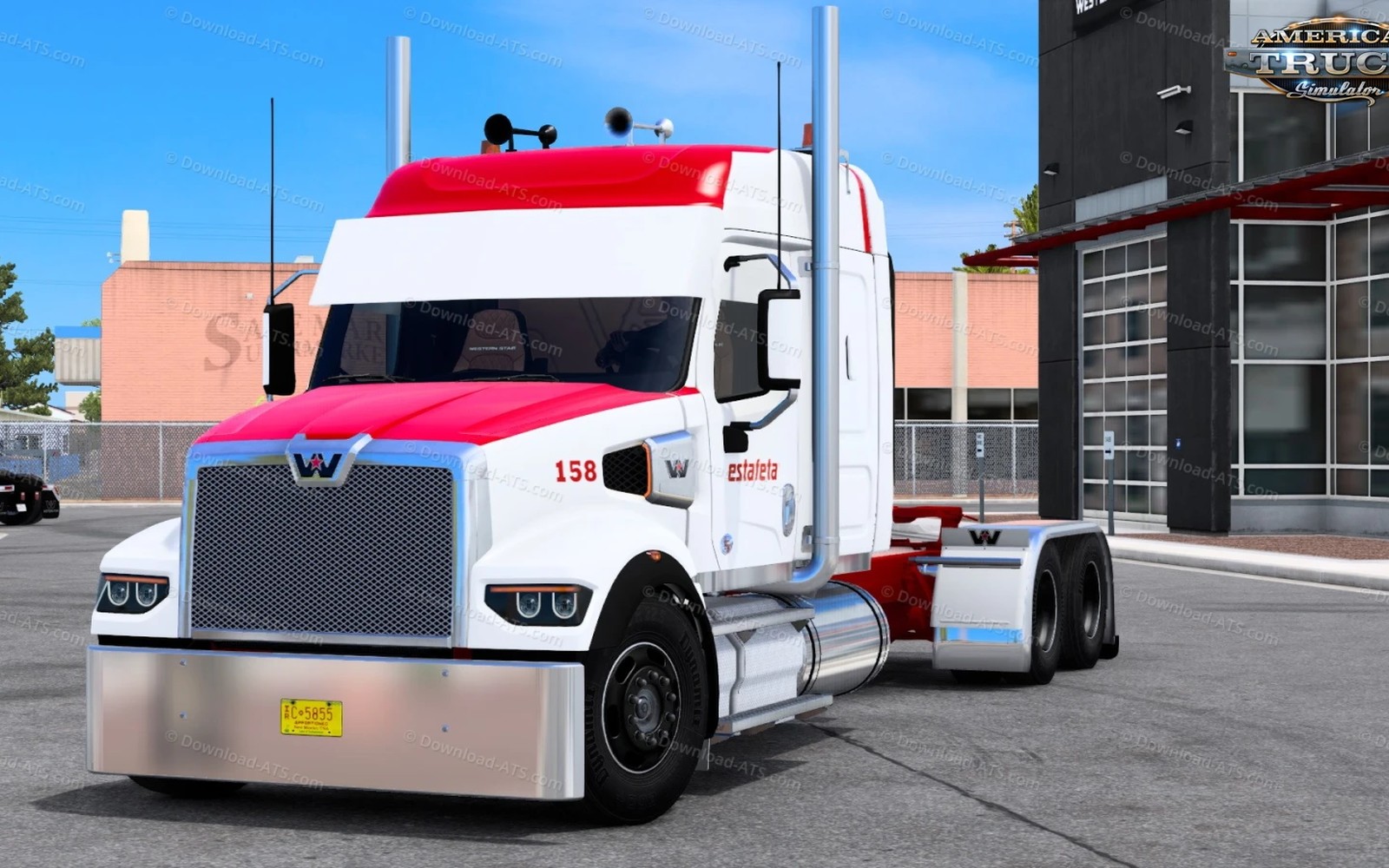
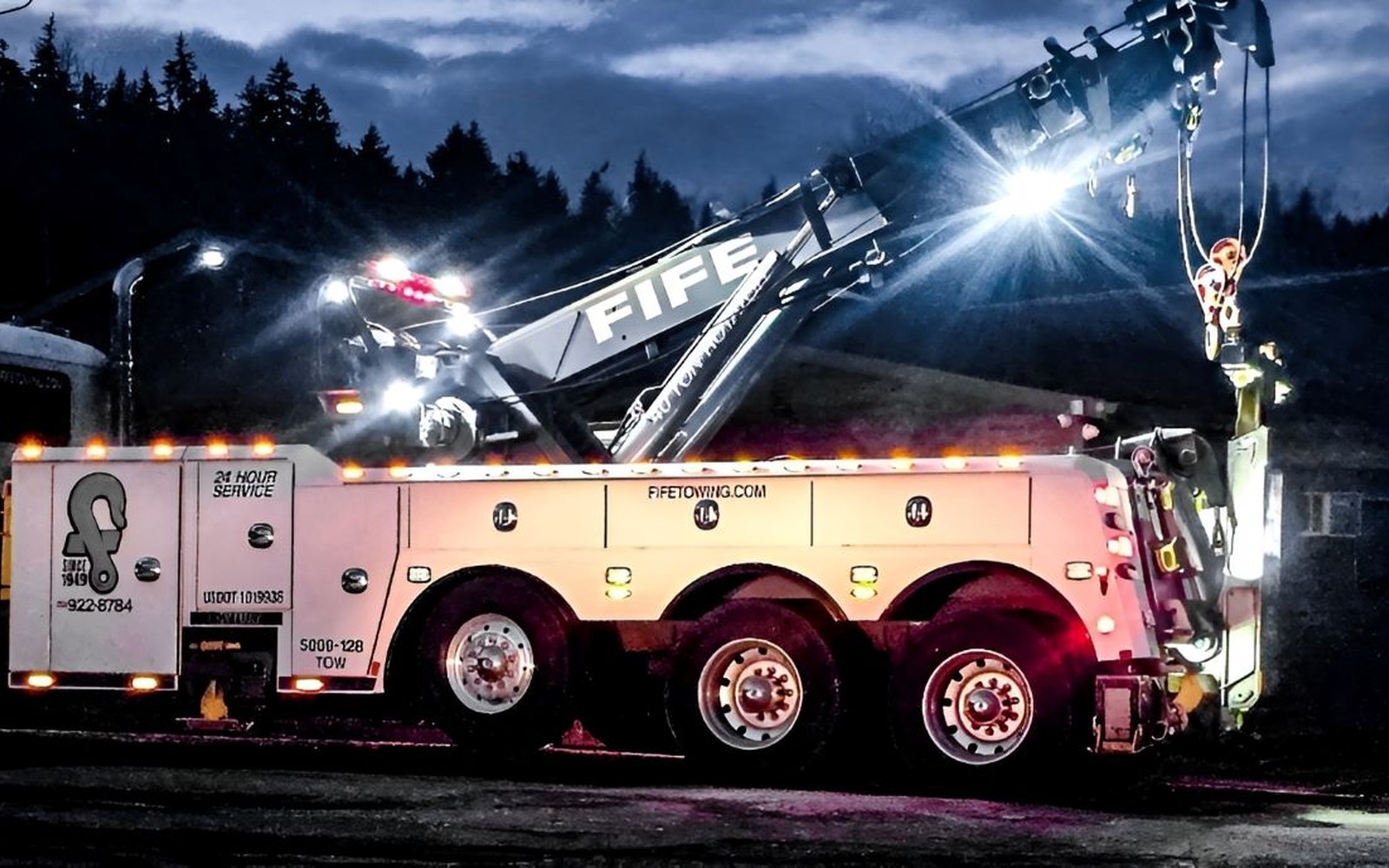
Heavy-duty recovery is the highest-value segment. A heavy rotator, capable of reaching 50 to 75 tons of lift capacity, is a specialized piece of equipment with a deep skill requirement and a specific lender market. Century, Vulcan, NRC, and Miller Industries are the major body manufacturers in the heavy recovery segment. We finance these units on Peterbilt, Kenworth, and Western Star Class 8 chassis, which are the dominant platforms in heavy wrecker applications.
Car hauler trailers and multi-car transport units are also part of the towing-adjacent equipment market. A car carrier operator running auction transport or dealer logistics uses car hauler trucks with multi-level transport configurations. These are well-understood assets with our financing desk.
Credit Situations We Work With
Towing operators carry a wide range of credit profiles. A long-established city contract operator with multiple wreckers paid off and consistent revenue has a very different financial picture from an owner-operator who took on a second unit before the first one was fully seasoned. We work with both and with the range of situations in between.
For operators with B or C credit, the key is demonstrating consistent revenue through the business bank account. A tow operator with a police-rotation contract, a motor club agreement, or a commercial fleet service agreement has predictable, recurring income that available equipment finance programs evaluate alongside the credit score. The B and C credit fleet program gives operators a path to financing when standard lenders have declined.
Operators buying a second unit while still early in their first loan can sometimes use a fleet equipment line of credit. A line of credit pre-approves capacity for multiple equipment purchases, which makes it easier to add units over time without a full underwrite on each truck. This is useful for a towing operator building out a light-duty fleet for motor club volume or expanding into a new territory.
Closing Timeline for Towing Equipment Purchases
Most towing equipment deals, from light-duty carriers to medium-duty integrated units, close around two weeks after a complete file. Heavy-duty rotators and large wrecker packages may take slightly longer because the lender pool for large-ticket specialized equipment is narrower and the underwrite is more involved. We tell you upfront what the expected timeline is for your specific deal so you can plan the purchase accordingly.
Auction purchases of used towing equipment are common. Repossessed or retired fleet wreckers come through commercial auctions and can represent good value for operators who know the market. Used truck financing covers auction acquisitions and private-party purchases of towing equipment. The title transfer and lien placement process for used units adds a step, but the overall timeline is similar to dealer purchases.
For operators who need a quick commitment before a specific unit sells, we can often move faster on light and medium-duty towing equipment with a strong credit file and complete documentation. Call us with the equipment details and we will tell you what is achievable.