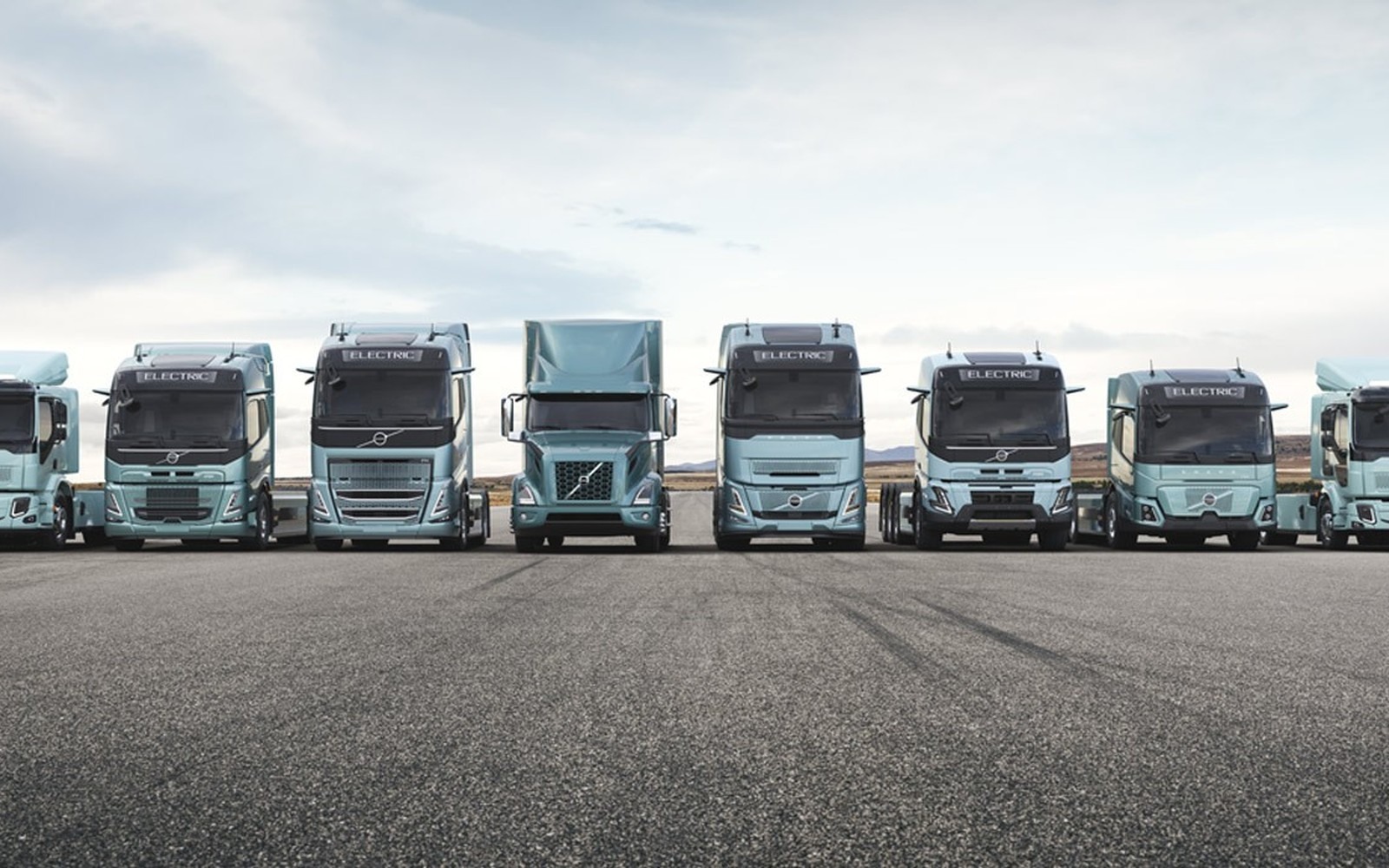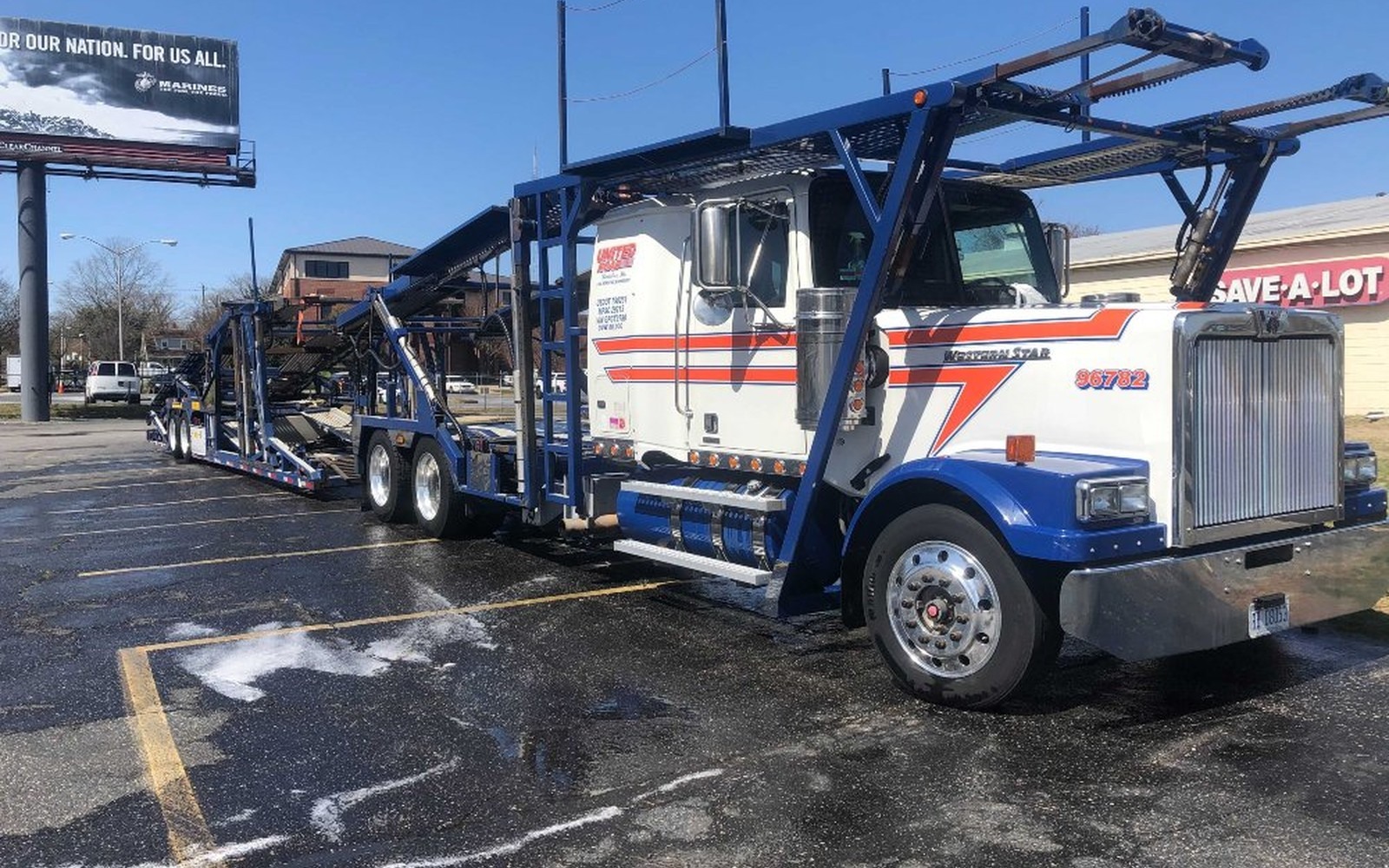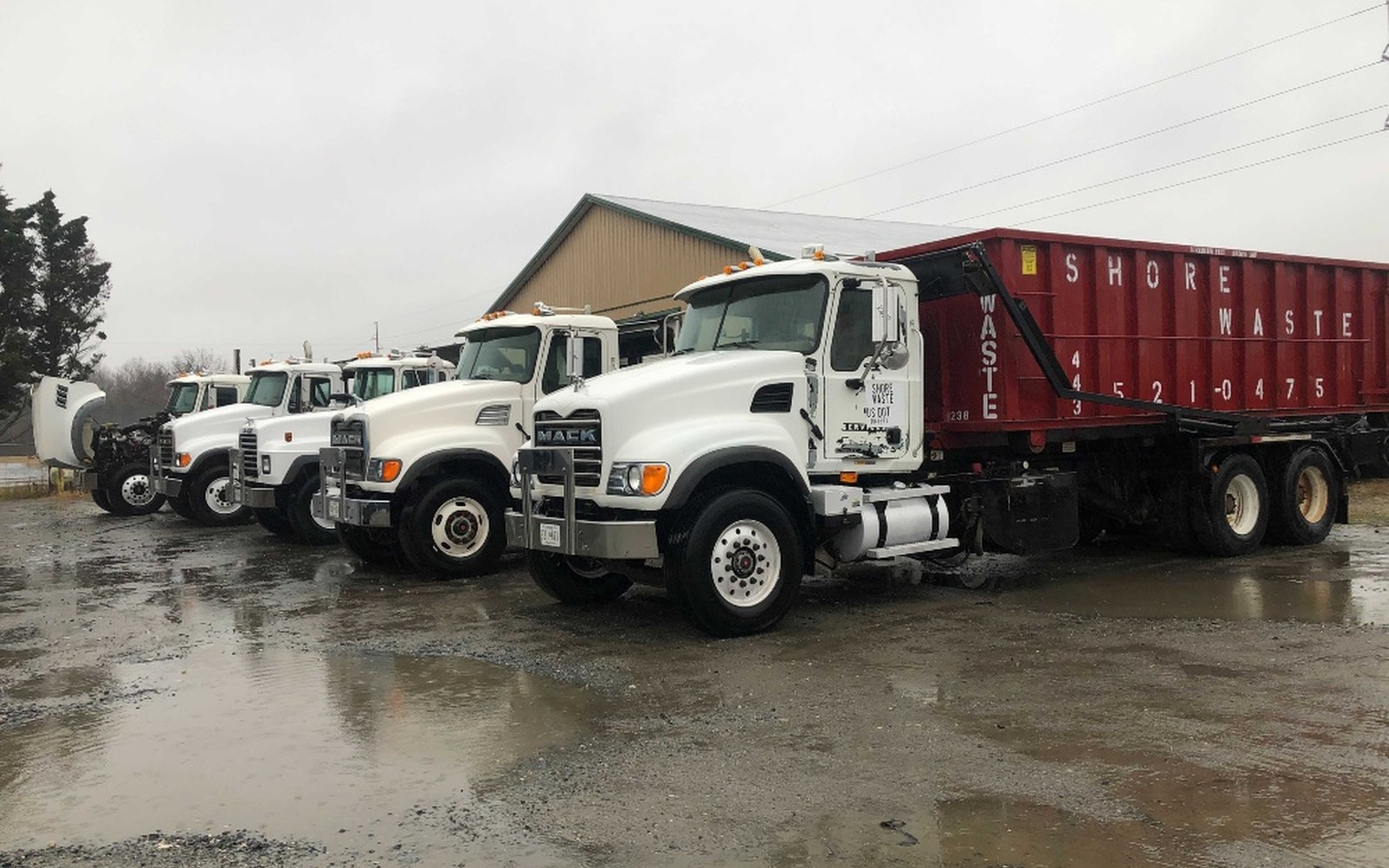
Charlotte has grown into one of the Southeast's premier freight distribution hubs. The metro's position at the junction of I-85 and I-77 puts it within a day's drive of the entire Eastern Seaboard and most of the Southeast. The CLT market hosts distribution centers for major e-commerce and retail operators in the University City, Steele Creek, and Cabarrus County areas. Last-mile, regional LTL, and long-haul operators all compete for the same lanes out of this market, and the ones who keep equipment on the road hold the freight.
We finance truck fleets for Charlotte-area operators from $50,000 up, with most transactions in the $100,000 to $150,000-plus range. New trucks, used equipment from dealers or private parties, refinancing notes with better terms, and sale-leaseback on iron already in service. Box truck and sprinter van fleets running last-mile delivery routes for the e-commerce distribution centers have used this program to scale up without waiting on bank paperwork. Applications up to roughly $400,000 move on application only, and funding typically closes within one to two weeks.
Charlotte's Fleet Demand by Segment
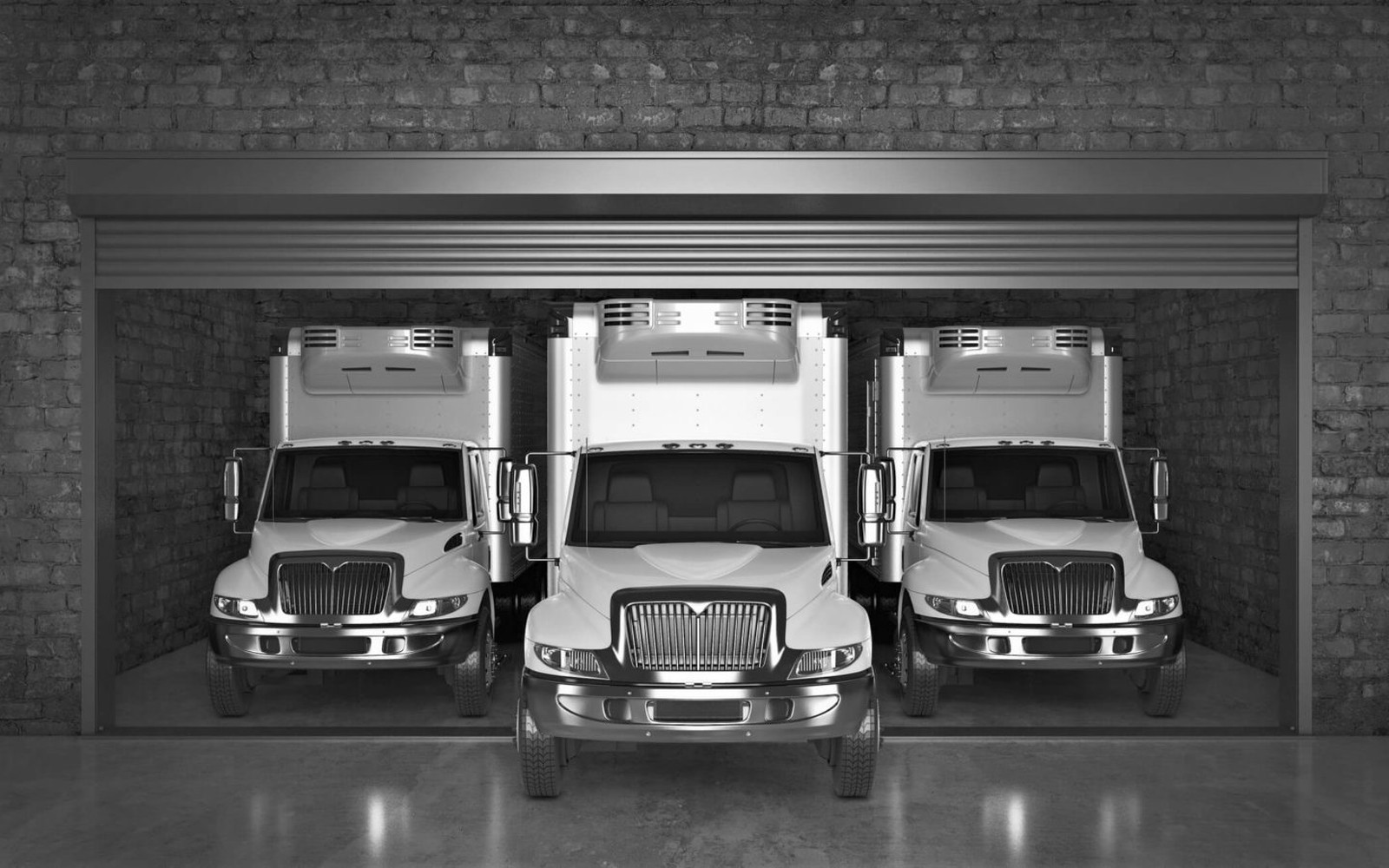
Financial services dominate Charlotte's economy in terms of employment, but the freight economy is driven by distribution, construction, and food service logistics. Amazon, Walmart, and Target have major distribution and fulfillment facilities in the Charlotte region. Those facilities generate continuous demand for box trucks, cargo vans, and sprinter vans running urban delivery circuits. Box truck fleet financing for last-mile operators serving Charlotte's rapidly growing suburban distribution nodes is among the most common transactions we see from this market.
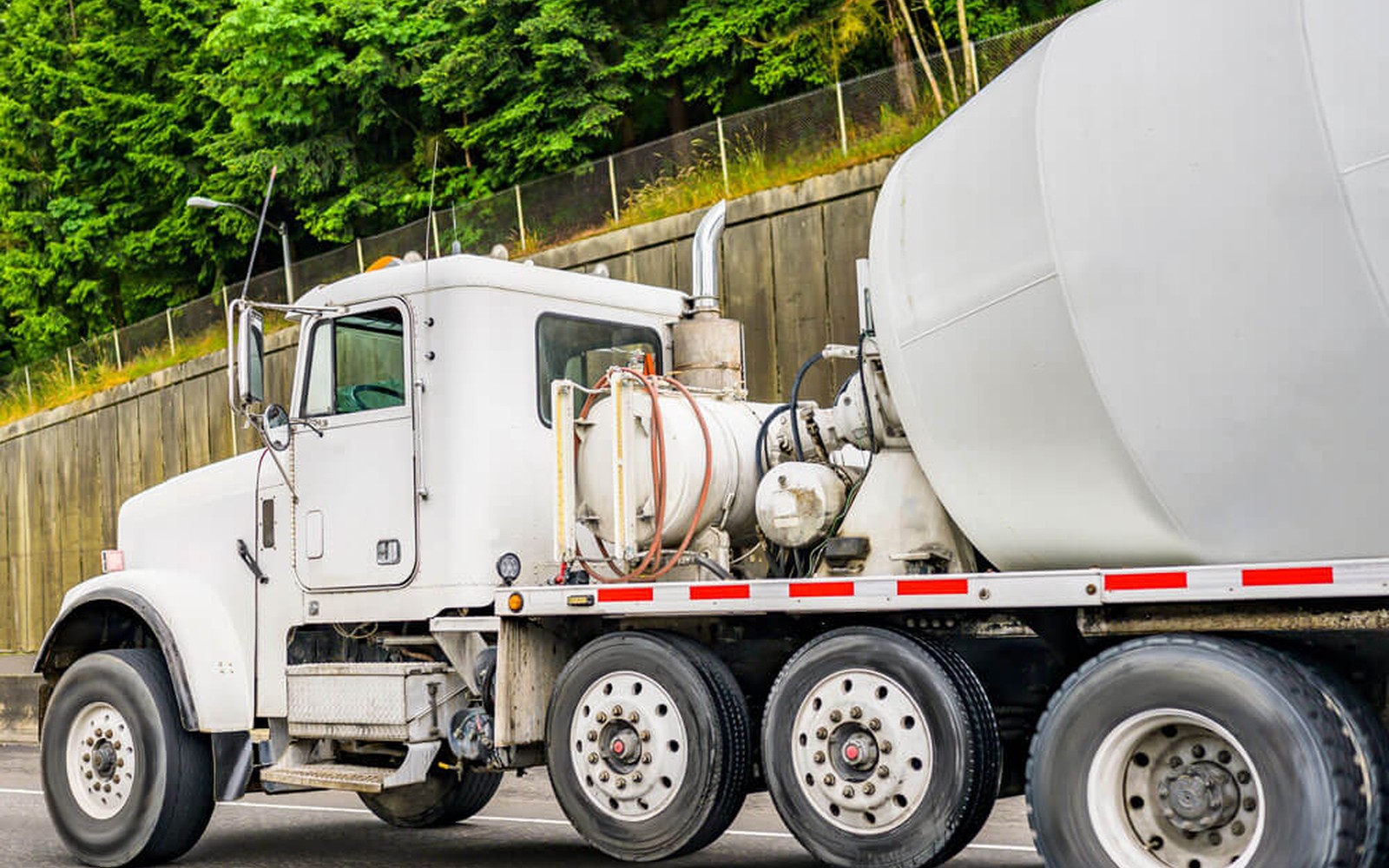
Construction is the other constant. The Charlotte metro has been among the fastest-growing large metros in the country for residential and commercial square footage for more than a decade. Dump trucks hauling fill, gravel, and aggregate, concrete trucks and pumper units serving the building sites, and flatbeds moving steel and lumber into the Carolinas market run continuously. Concrete mixer truck financing for ready-mix operators expanding to serve the growth along the I-485 outer belt is a specific use case we've structured multiple times.
The food distribution and restaurant supply chain is large given Charlotte's population growth. Refrigerated carriers serving grocery chains and food service distributors across the Carolinas operate out of facilities in the metro. Those operators sometimes carry older reefer units that are costing more in maintenance than a new payment would require. Upgrading those fleets is a financing conversation, and refinancing the older notes or executing a cash-out refi on owned equipment is a natural fit for operators who've been in the market long enough to build equity.
Who Uses This Program in Charlotte
The typical Charlotte fleet client operates between two and thirty units. Regional LTL carriers with authority running the I-85 corridor into the Greensboro and Triad market and Triangle, construction subcontractors running dump trucks on the site work for Charlotte's residential builders, food distribution fleets covering the Carolinas, and courier operations running the corporate and medical campuses in the SouthPark and Ballantyne corridors.
Startup carriers with new MC authority also come to us. The Charlotte market generates enough freight that a carrier with established relationships can build a business quickly, but the equipment capital is the first hurdle. Our startup fleet financing program looks at the operator's experience, the existing customer relationships, and the business plan rather than treating new authority as an automatic decline. Charlotte has produced a number of solid fleet companies that started with one or two units financed through this program.
Operators with B or C credit get a fair review. We look at the full picture: current cash flow, the customer base, the contracts in place, and what drove the credit events. Three months of business bank statements and the equipment details are the core of the application. Tax returns are not required up to the roughly $400,000 application-only threshold.