Fleet downtime in Norfolk is expensive in a way that is hard to explain to someone who has not run port drayage. The Virginia International Terminals process thousands of containers each week, and the drayage companies moving those containers to inland warehouses, rail ramps, and distribution centers operate on tight appointment windows. Miss the window, and someone else fills it. That dynamic makes equipment reliability not just an operational preference but a competitive requirement, and it makes replacement financing something that smart operators plan for rather than react to.
We finance truck fleets serving Norfolk, Hampton Roads, Newport News, and the broader coastal Virginia market. Our minimum is $50,000, typical deals land running about $100k to $150k per unit, and application-only approval reaches up to roughly $400,000. B and C credit profiles get real consideration, and funding generally closes in one to two weeks once we have what we need.
Norfolk's Fleet Market: Port, Military, and Regional Freight
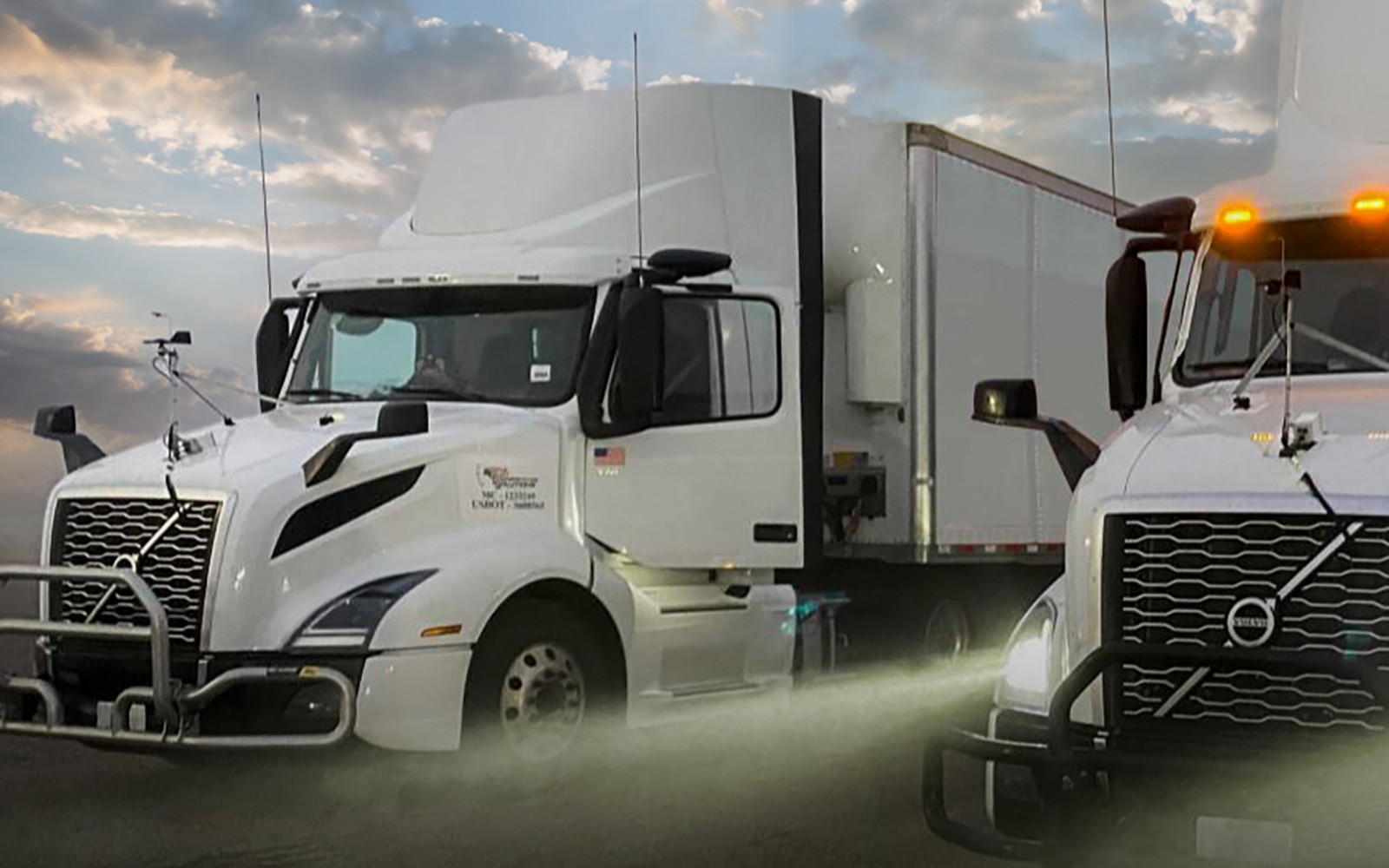
The Hampton Roads market has three distinct freight demand drivers that fleet operators navigate simultaneously. The port complex, which includes the Virginia International Terminals in Norfolk and Newport News, generates drayage demand for day cab tractors running container moves to inland destinations including the Roanoke Valley, the Richmond distribution corridor, and intermodal ramps at Suffolk. Container volume at Virginia's ports has grown significantly as East Coast ports have competed for business diverted from West Coast congestion, which tightened drayage capacity and kept rates firm for operators with reliable equipment.
The second driver is the military and defense supply chain. NAS Oceana, Naval Station Norfolk, and the concentration of defense contractors in the Chesapeake and Virginia Beach areas generate significant freight movement, including specialized transport for defense components, fuel logistics, and the general supply chain that serves the largest naval station in the world. Freight hauling fleets that hold DOD contracts face equipment standards requirements that often necessitate newer model years than commercial freight demands.
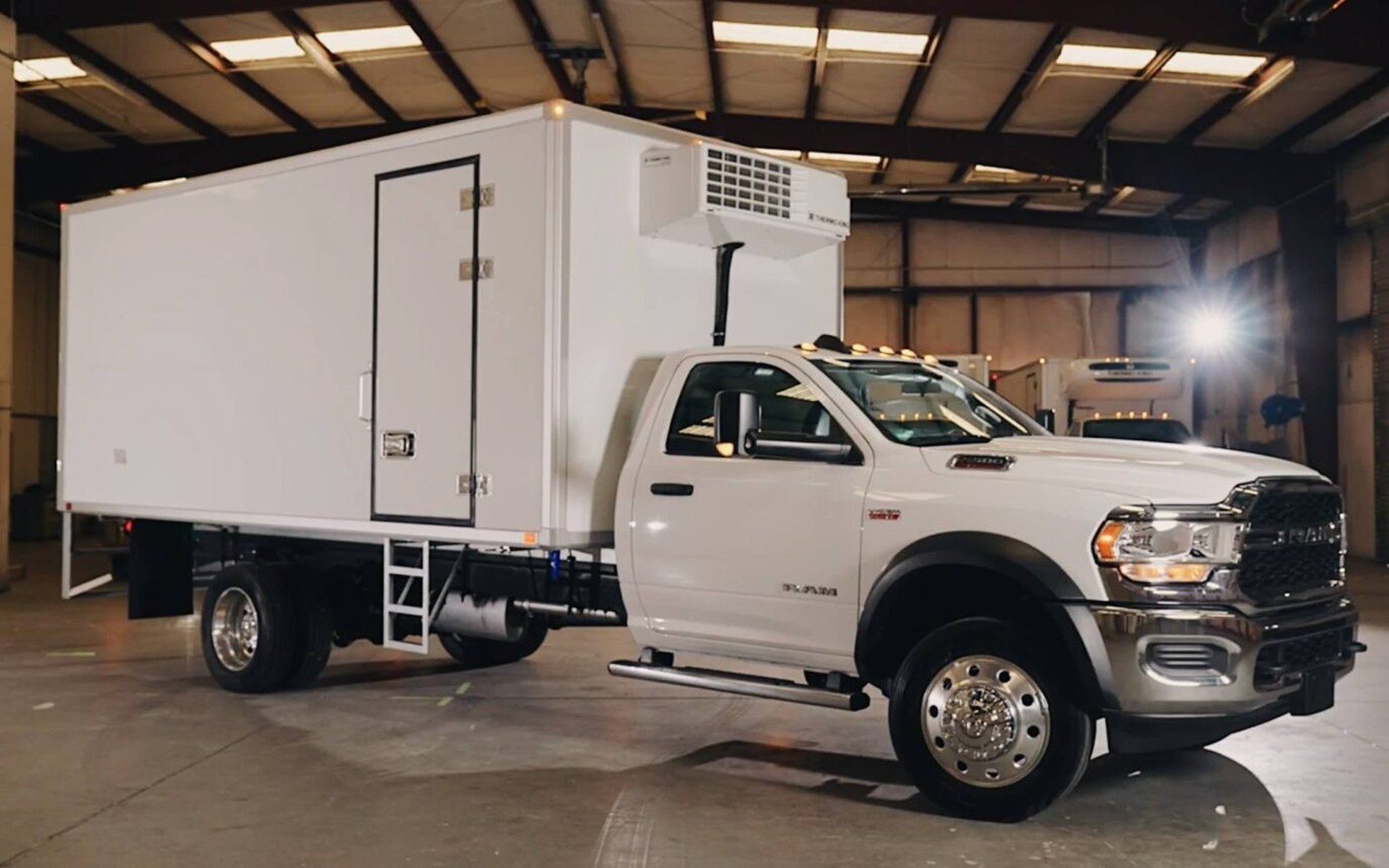
Third is the regional distribution function, with fleets running the I-64 corridor toward Richmond and northward toward the Maryland line. Refrigerated trucks serving the Virginia Beach restaurant and hospitality corridor, flatbeds moving construction materials into the growing Suffolk and Chesapeake residential developments, and straight trucks handling last-mile distribution in the urban cores all generate consistent financing demand.
How We Move Fast When You Need a Unit
Port operators know the problem: a tractor goes down on a Wednesday, the shop says it needs two weeks for parts, and the replacement search starts immediately. In that environment, financing that takes three weeks to close is not financing, it is a disruption. Our goal is funded around two weeks after a complete file, and we achieve that in most cases because we keep the documentation requirements lean and make decisions quickly.
For most deals under roughly $400,000, the application package is a one-page application and three months of bank statements. We do not ask for everything and then come back with more requests. If we need something additional, we tell you upfront. Approval decisions on clean files typically come back within 24 to 48 hours, and then the transaction moves to title work, lien documentation, and funding. The title work is usually the longest part of the timeline, and we manage that proactively so it does not bottleneck the close.
Used truck financing is fully available for operators replacing a unit from the used market rather than a dealer. Norfolk and Hampton Roads have a strong used truck market supported by fleet disposal from the large carriers and military-adjacent logistics companies in the area, and we finance those transactions without added complexity.
What Qualifies and What Does Not
The clearest path to approval is a business with at least six to twelve months of operation, consistent revenue showing on bank statements, and a credit profile that does not have recent unresolved major derogatory items (recent bankruptcies that have not discharged, for example). That is the standard case. We also approve outside that standard case regularly.
Operators with prior credit challenges who have rebuilt over the past year or two, owner-operators who have been in business less than two years, and fleets with seasonal revenue variation have all been financed through our program. The key is matching the documentation to the actual business situation rather than forcing every applicant through the same checklist. B and C credit fleet financing is a real category for us, not a marketing claim, and we handle those files with the same seriousness as prime-credit deals.
Equipment that qualifies includes new trucks from any manufacturer, used trucks regardless of where they are sourced (dealer, private party, or auction), and existing units being refinanced. Trailers and combinations (tractor-plus-trailer) can be bundled into a single transaction. Equipment used for port drayage, regional hauling, military logistics support, and municipal contracts are all asset types we are comfortable with. Operators looking to refinance an existing note to lower their monthly payment can explore fleet refinancing as a separate transaction from any new unit purchase.