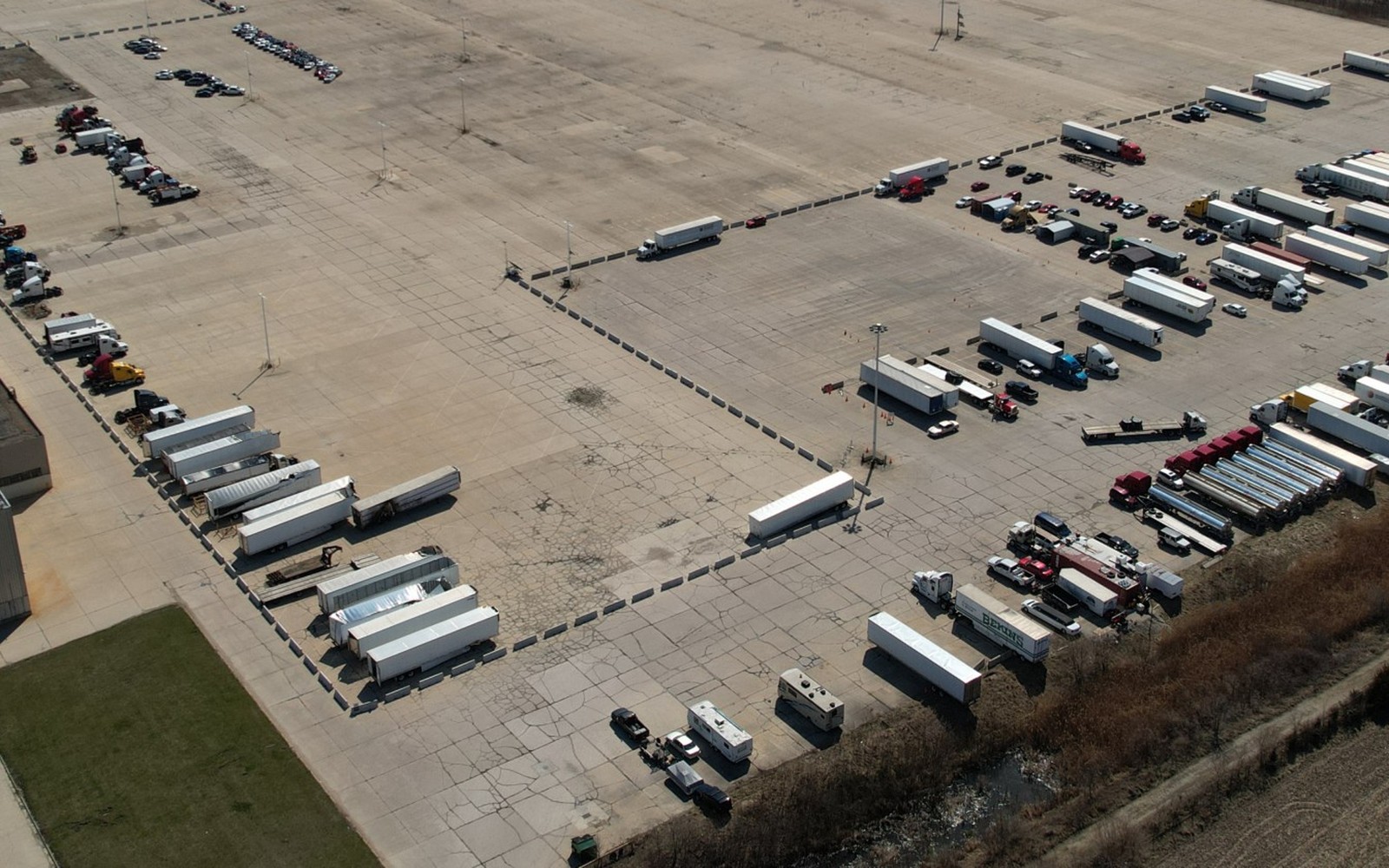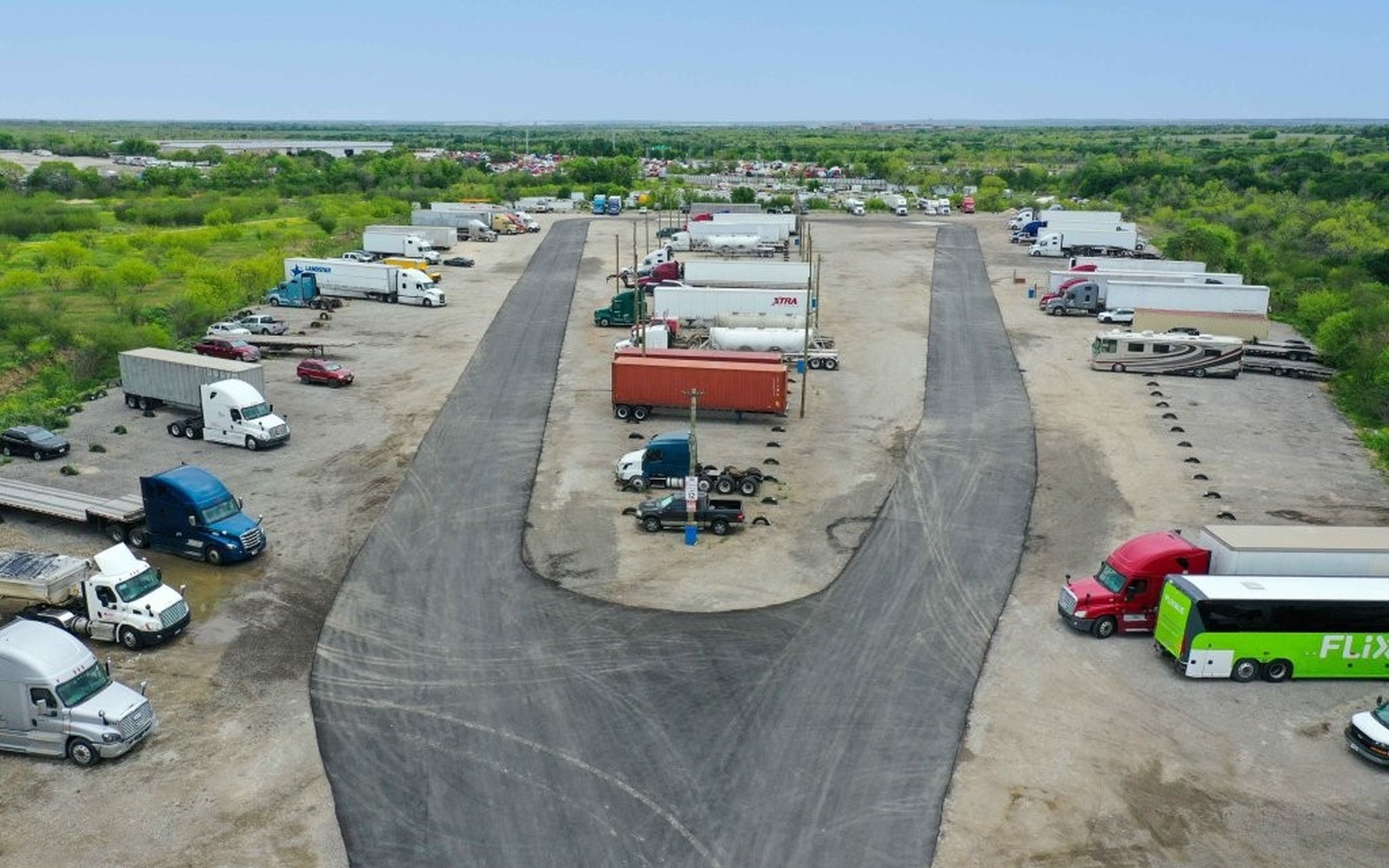
Ontario sits at the operational center of one of the densest freight and logistics clusters in North America. The Inland Empire, stretching across San Bernardino and Riverside counties, has become the de facto staging area for goods flowing off the San Pedro ports and into the national distribution network. Ontario International Airport adds air freight capacity to the picture, and the convergence of I-10, SR-60, I-15, and I-215 near Ontario makes it one of the most trafficked commercial freight intersections in the country. Fleet operators based here are not looking for background on the logistics market. They are looking for financing that keeps their trucks rolling.
We work with Inland Empire fleet operators on transactions starting at $50,000. The typical deal runs $100,000 to $150,000, and application-only approval reaches up to roughly $400,000 for qualified operators. B and C credit situations are considered. New and used equipment both qualify. Three months of bank statements plus a one-page application starts the process, and funding typically clears in one to two weeks.
Why Ontario Is the Inland Empire's Fleet Capital
The Inland Empire has grown into the largest industrial real estate market in the United States by square footage, and the majority of that space is logistics and distribution. Major retailers, importers, parcel operators, and hundreds of third-party logistics providers have built warehouses and fulfillment centers across Ontario, Fontana, Rialto, Chino, and Rancho Cucamonga. Every one of those facilities generates outbound freight, and most of that freight moves on trucks.
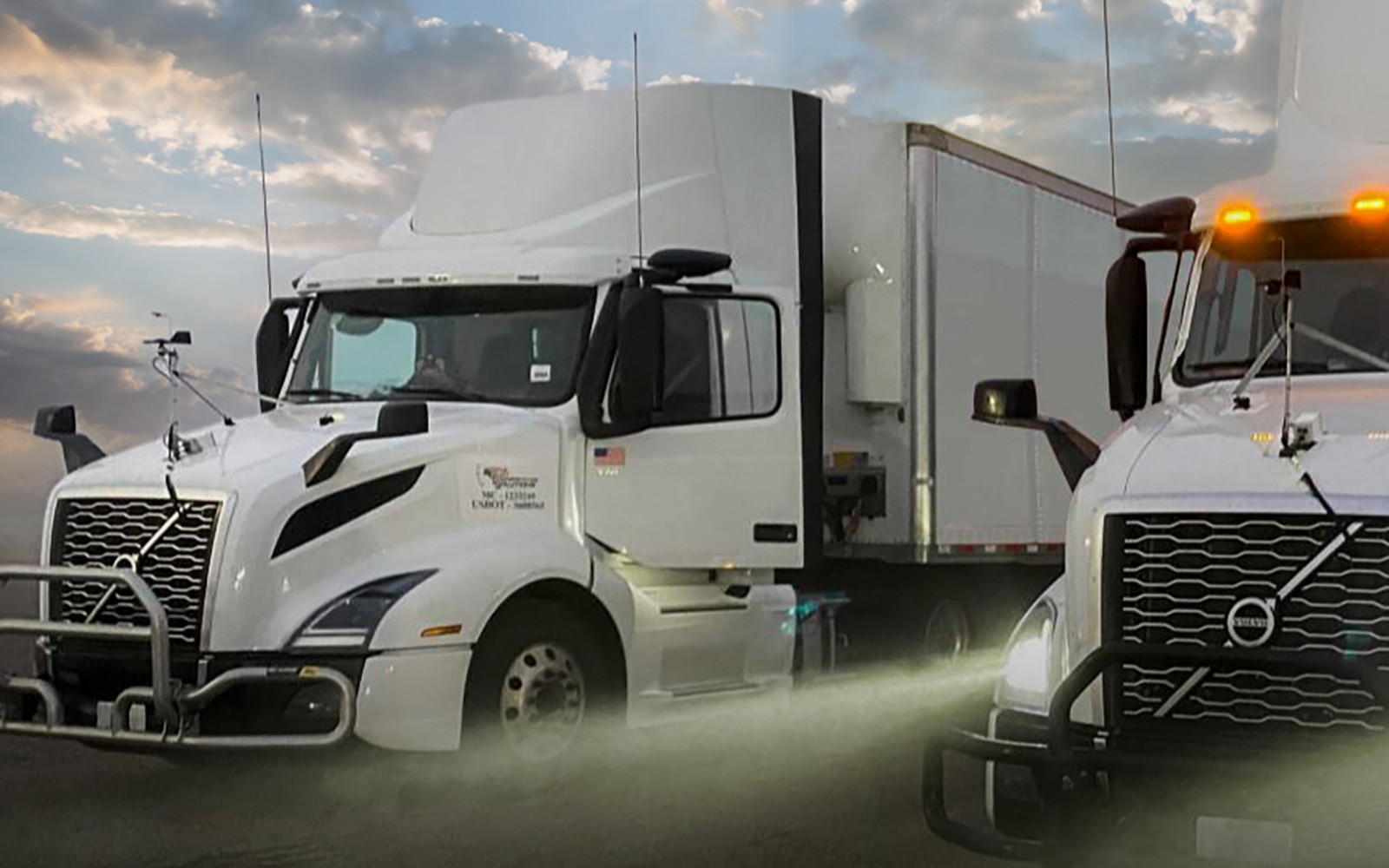
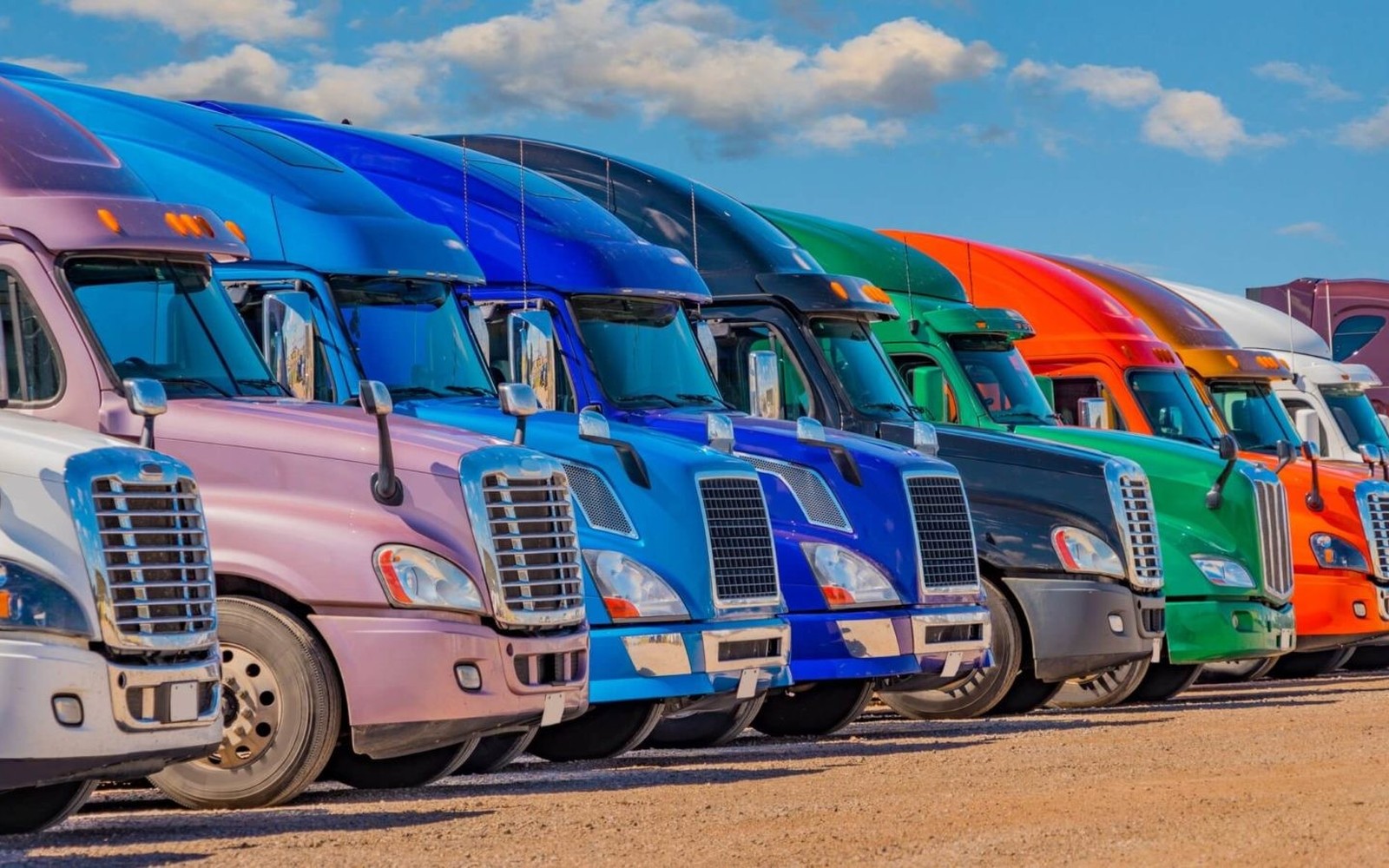
The fleet equipment mix in Ontario is weighted toward high-volume operations. Day cab tractors dominate because the regional pull cycles between the ports and the Inland Empire warehouses are short enough that sleepers are not cost-effective for those lanes. However, operations distributing further east into Arizona, Nevada, and beyond run sleeper tractors on overnight lanes. Dry van trailers are the workhorse trailer type here, though reefer capacity is also substantial given the produce and temperature-sensitive distribution that flows through the region.
CARB compliance has accelerated replacement cycles for Inland Empire operators. Operators who have been running older equipment on state routes face deadlines that make financing a newer unit not just a capital decision but an operational necessity.
Who We Finance in the Inland Empire
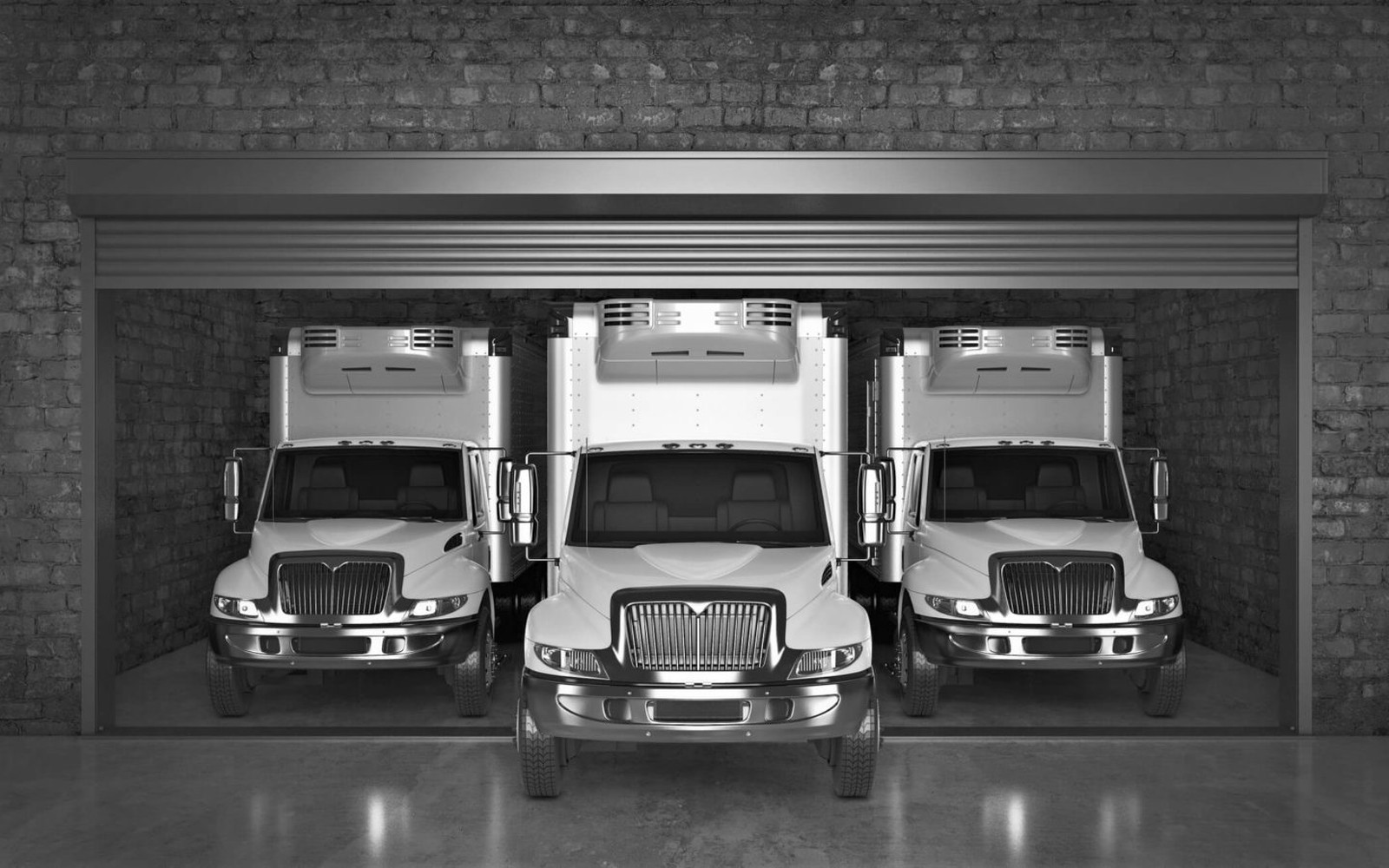
Our Ontario-area clients span a wide range of fleet profiles. Drayage operators pulling containers from the San Pedro ports to Inland Empire warehouses are a core segment. Regional carriers running routes into Phoenix, Las Vegas, and the Central Valley are another. Last-mile and e-commerce delivery operators who have grown from a handful of vans into a structured fleet of box trucks and medium-duty vehicles are a third group we work with regularly.
We also see a meaningful volume of operators who are at an inflection point: they have an established business with several trucks running, a new distribution contract that requires adding units, and a bank that is either too slow or too conservative to fund the addition in time. That is exactly the situation where our process and credit flexibility make a difference. We are also set up for operators using application-only fleet financing for transactions up to $400,000, which removes the tax return and financial statement requirements that often slow down conventional bank approvals for solid operators with straightforward credit files.
Operators with less-than-perfect credit are not automatically turned away. Freight hauling fleet financing and related programs are available to B and C credit operators who show consistent bank statement revenue and a clear operational picture.
Unlocking Capital from Equipment You Already Own
A significant portion of our Inland Empire work is with operators who own equipment outright or carry older loans and want to put the equity to work. A cash-out truck refinance lets you borrow against the value of owned trucks, receiving a lump sum that can fund additional truck purchases, cover operating capital needs, or invest in other parts of the business. The truck continues working; the equity just starts working too.
Fleet sale-leaseback goes a step further. We purchase the equipment at fair market value and immediately lease it back to you under a structured payment. Your operation is uninterrupted, you receive the capital from the sale, and you retain the right to buy the equipment back at the end of the lease at the agreed residual. For operators who have built equity in a fleet over several years, this is often the fastest way to access significant capital without taking on new traditional debt or selling equipment they need to keep running.