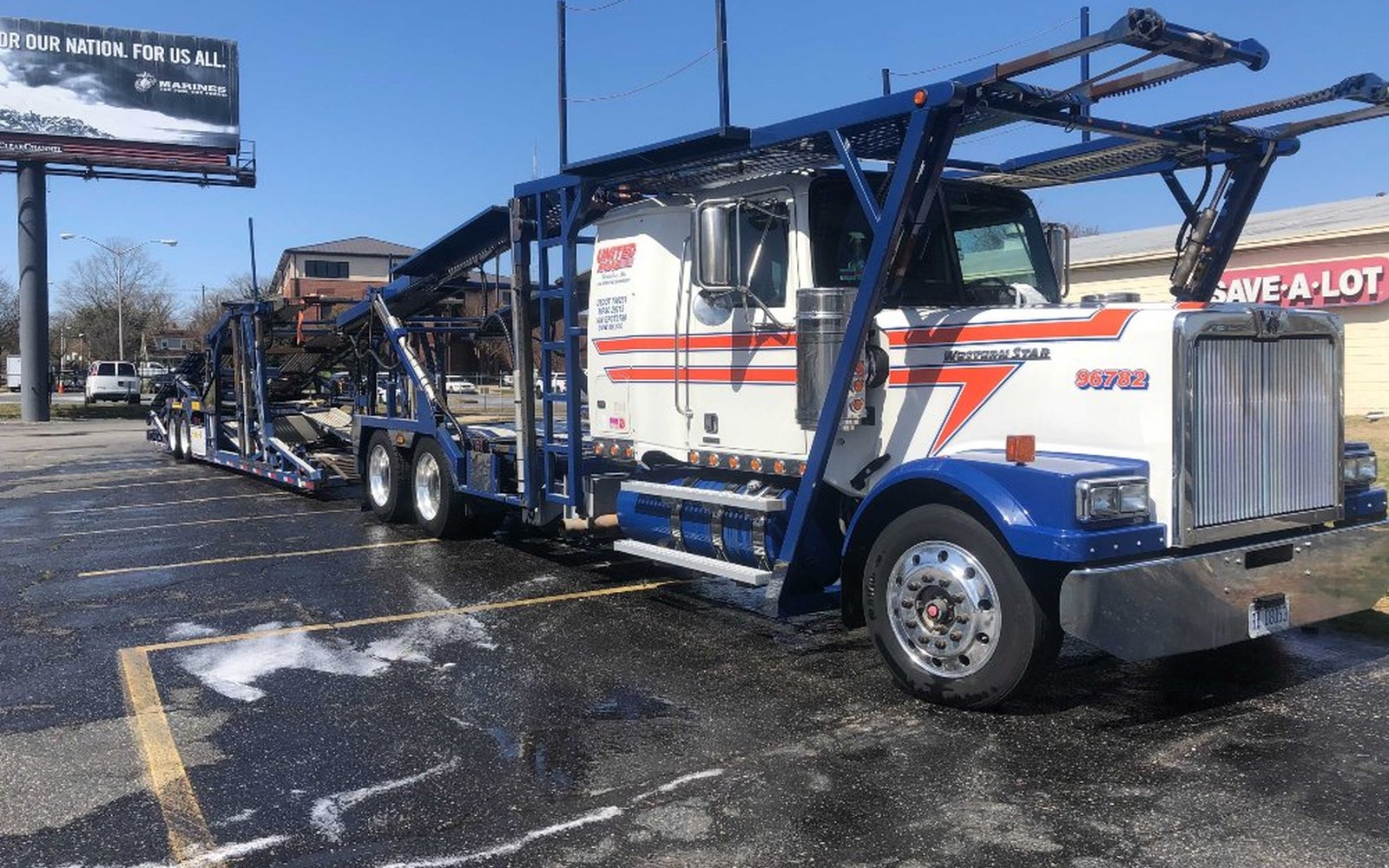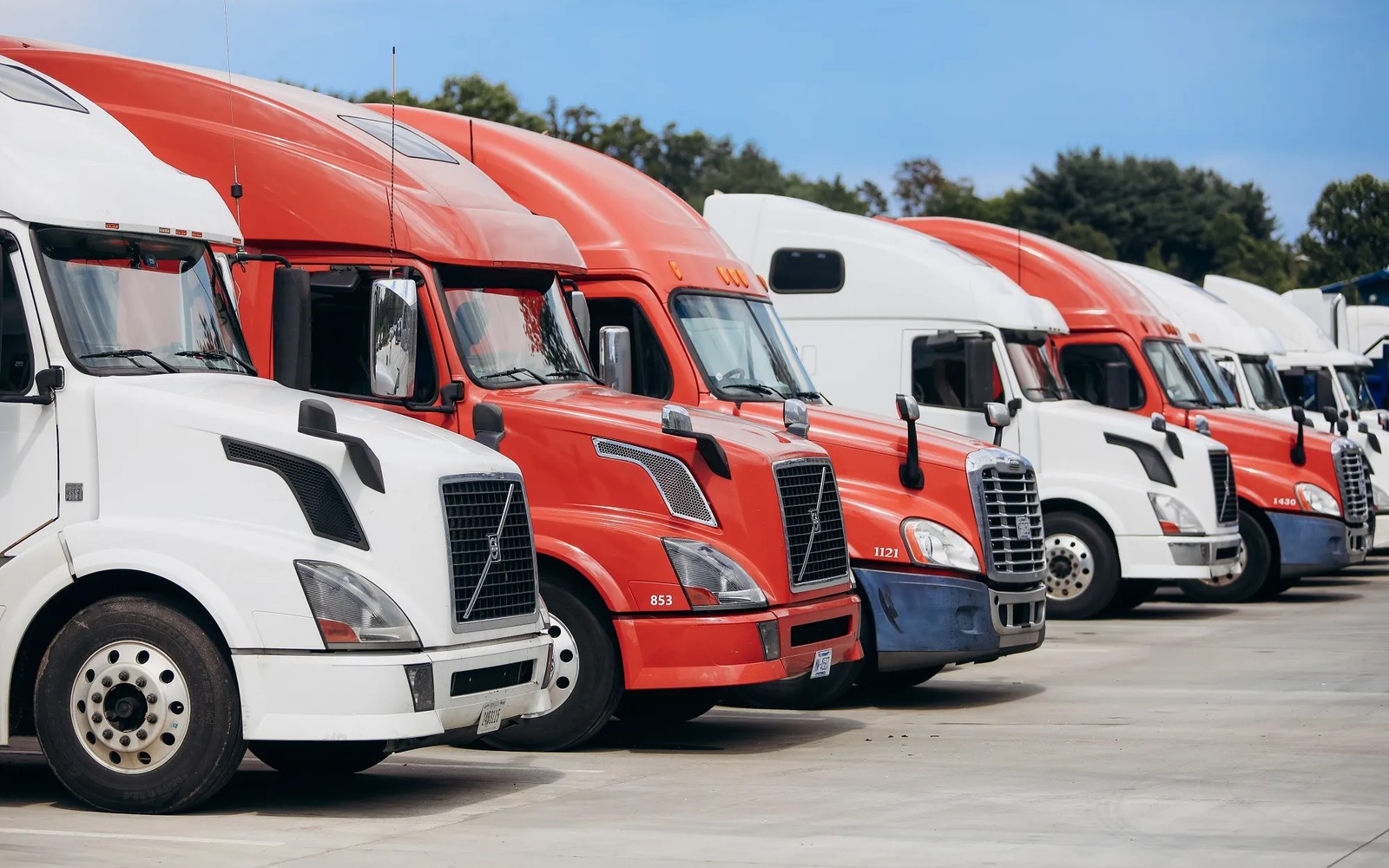
Richmond sits at the crossroads of I-95 and I-64, two interstates that carry an enormous share of the freight moving up and down the East Coast and connecting the coast to the Appalachian interior. That position makes it a distribution and relay hub rather than just a city with trucks in it, and the fleet operators based here or running through here on regular lanes have specific needs that a generic lender rarely understands. Replacement cycle timing, multi-unit purchases, and refinancing existing notes all land differently when your trucks are doing 120,000 to 140,000 miles a year on I-95.
We work with Richmond-area fleet operators across a range of equipment types and credit profiles. Our minimum deal size is $50,000, the sweet spot is $100,000 to $150,000 per unit, and application-only approval covers most transactions under roughly $400,000. Funding typically happens within one to two weeks. B and C credit is considered alongside the revenue picture, and we do not require pristine credit history to get a fleet operator a reasonable approval.
Richmond's Role in East Coast Freight
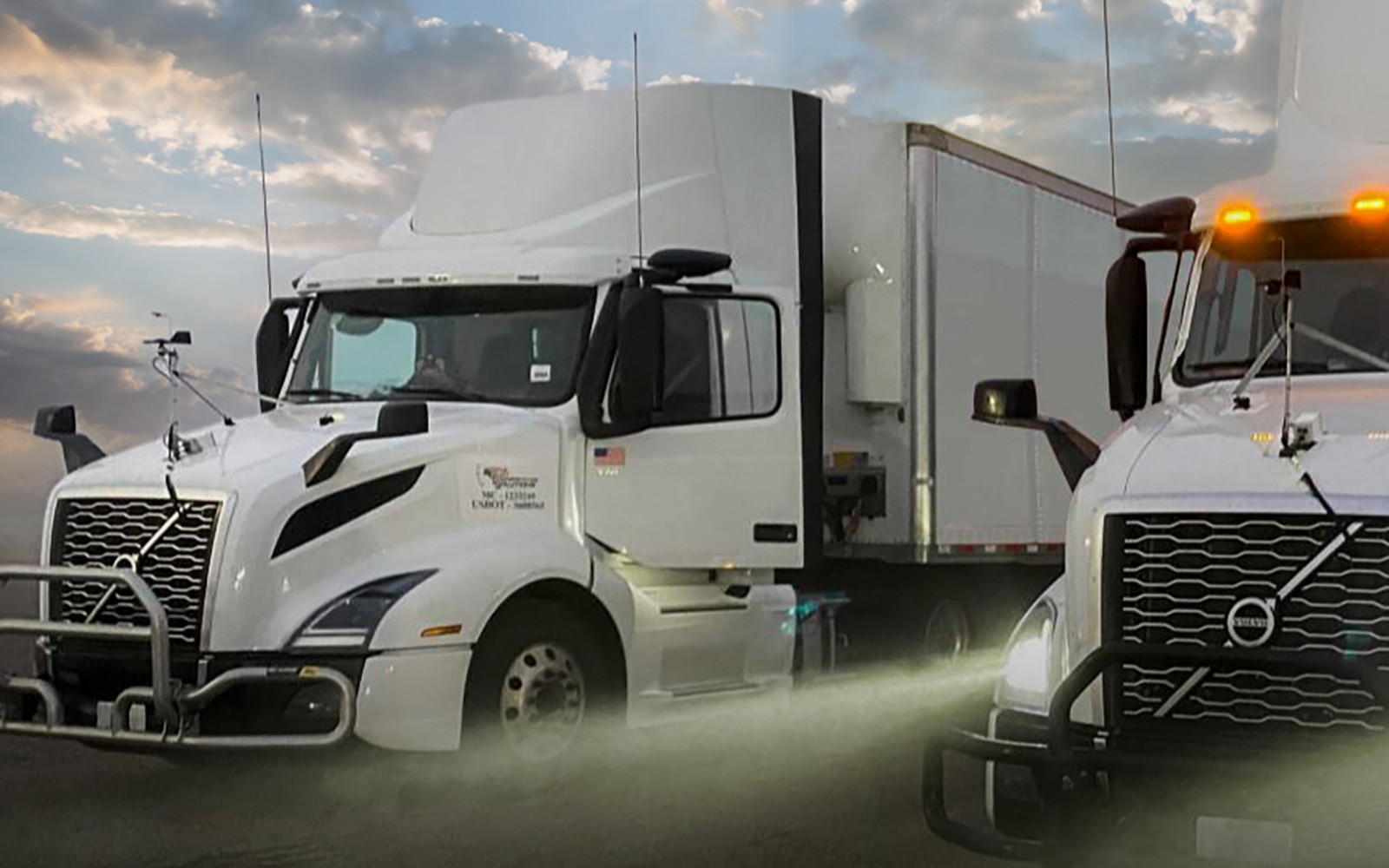
Richmond's freight market is shaped by a few major forces. First is its position on I-95, which is one of the busiest truck corridors in the country, connecting the massive port complex at Norfolk and Hampton Roads (roughly 90 miles southeast) to the distribution centers in Northern Virginia, Baltimore, Philadelphia, and New York. Fleets running between Hampton Roads and the Northeast often stage in Richmond rather than making one continuous run, which supports a healthy tractor terminal and fuel infrastructure in the metro.
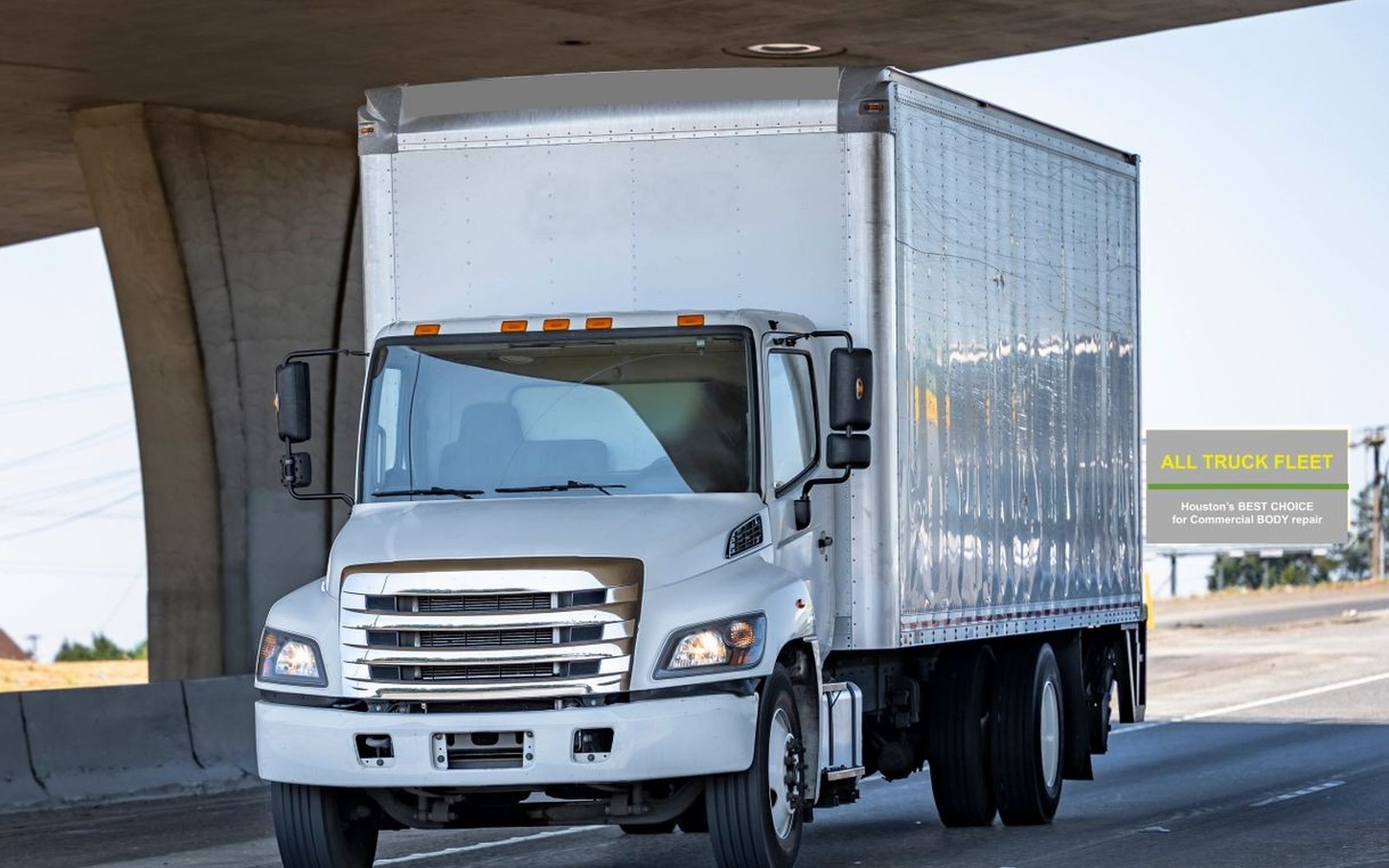
Second is the region's distribution sector. The Chesterfield County and Hanover County corridors have become significant e-commerce and retail distribution locations, with large fulfillment operations requiring consistent last-mile and regional delivery capacity. Straight trucks and box trucks do most of the work inside the metro, while day cab tractors handle the facility-to-facility and facility-to-port legs.
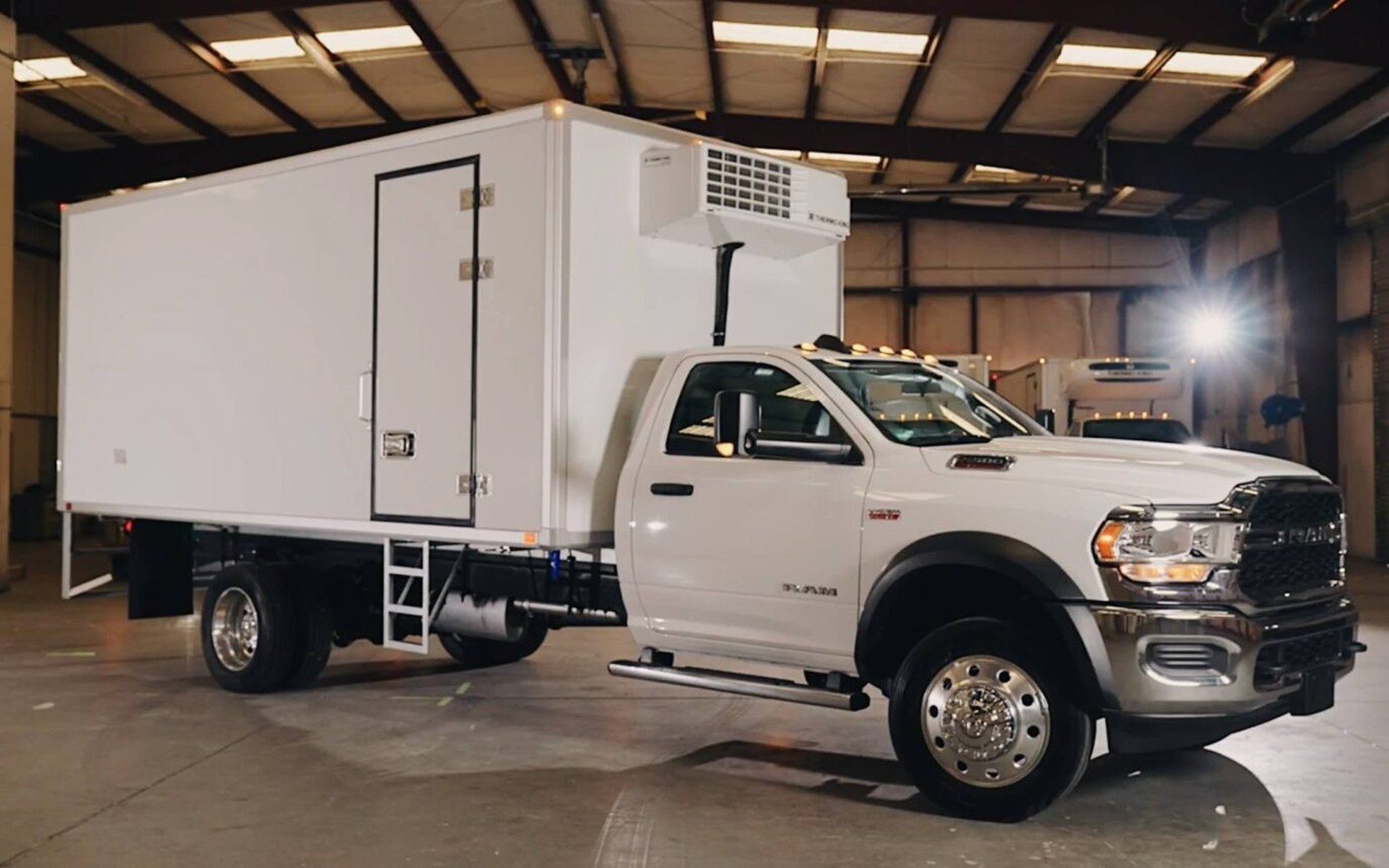
Third is the state government and healthcare sector, which generates a steady volume of medical supply, pharmaceutical, and food service distribution that requires refrigerated trucks and temperature-controlled trailers. Operators serving these accounts need reliable cold-chain equipment with good maintenance records, which makes financing new or recent-model units a practical business decision rather than just a credit preference.
New vs. Used in the Richmond Market
Richmond has active commercial truck dealers for most major brands, and there is a healthy used truck market supported by the fleet disposal cycles of the large carriers running I-95. Both are valid sourcing options, and we finance both without preferring one over the other.
New units make sense when the fleet is building out a specific spec for a contract, when the manufacturer's warranty provides meaningful protection for the operation, or when Section 179 deduction timing matters for the business's tax position. Section 179 truck deduction planning is something operators often do in Q4, and we can close new unit purchases quickly enough to hit calendar year timelines.
Used units at 350,000 to 600,000 miles often represent the best cost-per-mile value for fleets that have solid maintenance programs. The used market near Richmond benefits from fleet disposal inventory coming off the large I-95 carriers, which means well-maintained units with documented service histories are available without going to auction. We finance these with advance rates based on current market value, and we do not impose arbitrary age or mileage cutoffs.
Financing Structures for Richmond Operators
Truck fleet financing in Richmond typically runs as either a term loan with fixed payments or a lease structure, depending on the operator's preference for ownership at the end. Operators who want to own the equipment outright usually choose a finance lease or $1 buyout lease, which locks in a terminal purchase for a nominal amount. Operators who plan to cycle equipment every three to five years often find a TRAC lease provides lower monthly payments and more flexibility at the end of the term.
For operators with equity in existing units, a fleet sale-leaseback is a structure worth understanding. Richmond operators who own tractors free and clear sometimes use sale-leaseback to convert that equity into operating capital for a depot expansion, a new contract down payment, or to cover a period of slower freight volume without taking on unsecured debt.
Operators who have grown past a single-unit mentality sometimes benefit from a fleet equipment line of credit, which allows draws as replacement needs arise rather than requiring a separate application for each transaction. This is particularly useful for fleets of ten or more units where turnover is predictable but the specific timing of each replacement is not.