The Port of Seattle and the Port of Tacoma together form the third-largest container gateway on the West Coast, and the freight that flows through them supports one of the most diverse commercial fleet markets in the country. From drayage operations serving the Tideflats at Tacoma to last-mile delivery fleets threading through Seattle's dense street grid to long-haul carriers running I-90 east through the Cascades, the Puget Sound region asks a lot of its commercial equipment and the operators who run it. We work with fleet operators throughout King, Pierce, and Snohomish counties to make sure equipment financing is not what holds the fleet back.
We finance commercial truck fleets starting at $50,000, with most transactions running $100,000 to $150,000. Application-only approval is available up to approximately $400,000 for qualified operators. New and used trucks are both eligible. B and C credit operators are considered alongside strong credit files. Three months of bank statements and a one-page application start the process. Funding closes in roughly one to two weeks.
Seattle's Fleet Market: Tech, Ports, and Pacific Trade
Puget Sound's freight economy reflects the broader Pacific Northwest economic profile: a dominant port gateway, a massive Boeing supply chain, and the technology sector's physical infrastructure needs. Boeing's manufacturing operations in Everett and Renton require a dedicated supply chain of flatbeds, specialized carriers, and service vehicles moving parts and tooling on precise schedules. Amazon, headquartered in Seattle, has built a dense last-mile delivery infrastructure across the metro that runs cargo vans, sprinter vans, and box trucks at high utilization on daily routes.
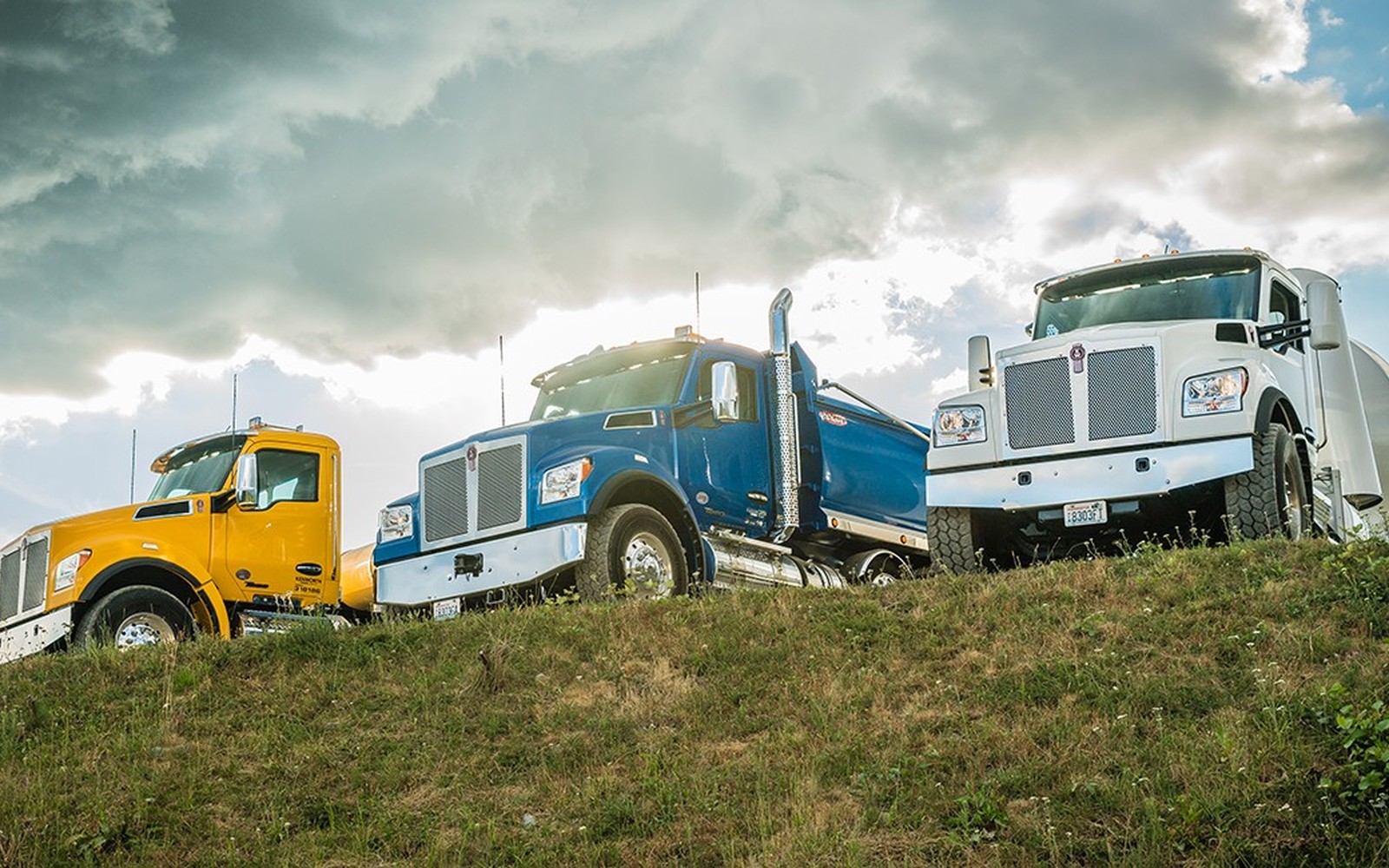
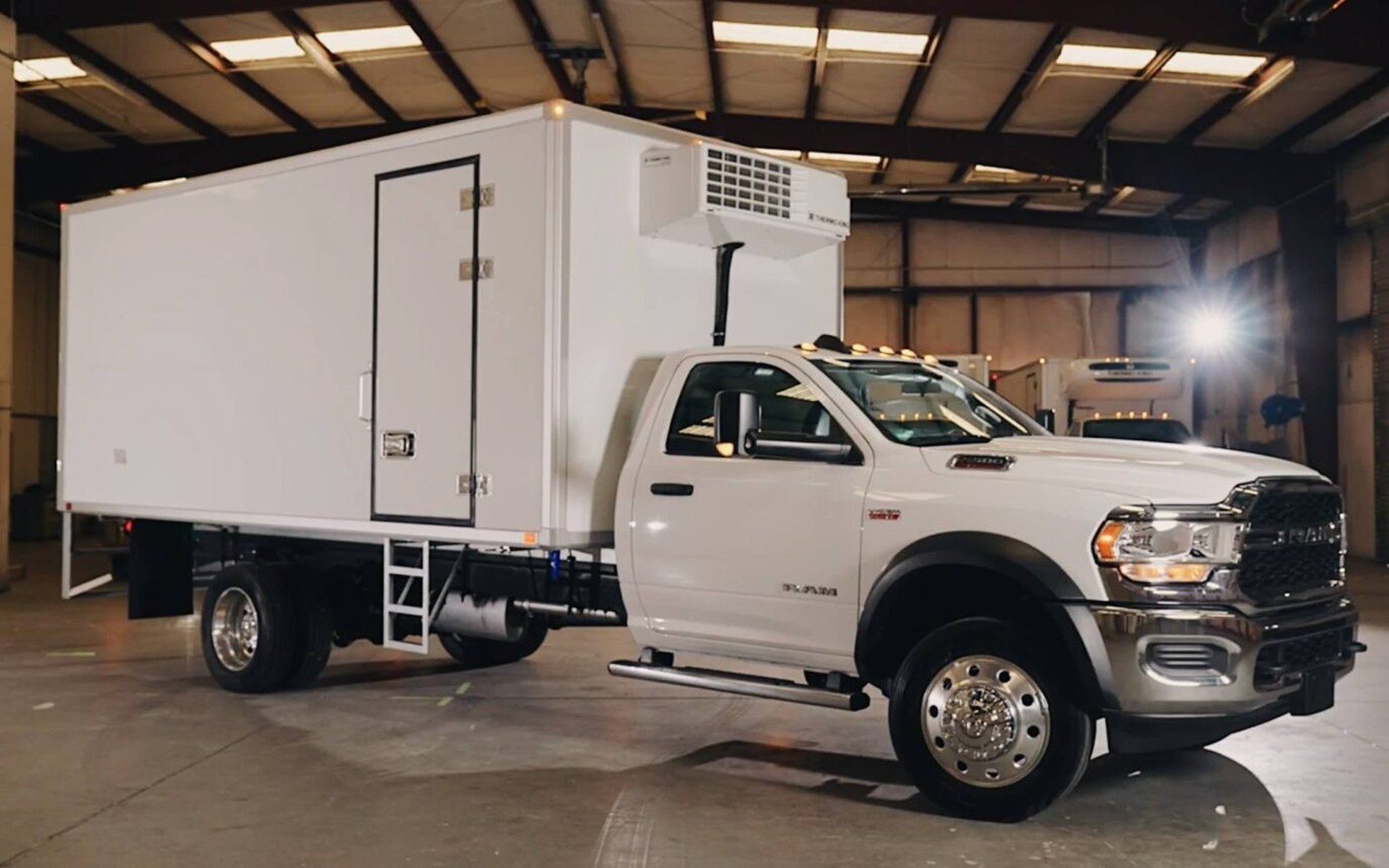
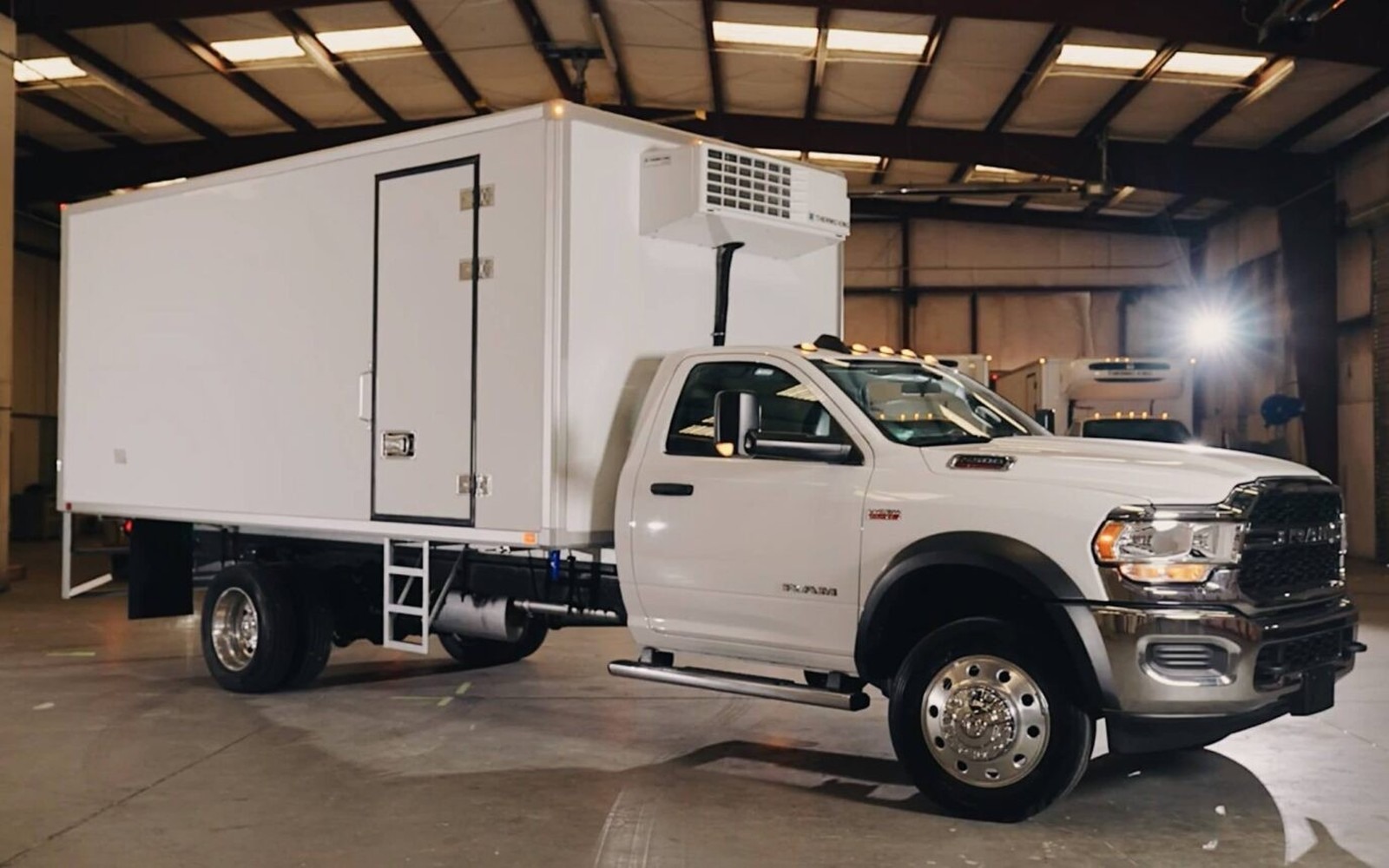
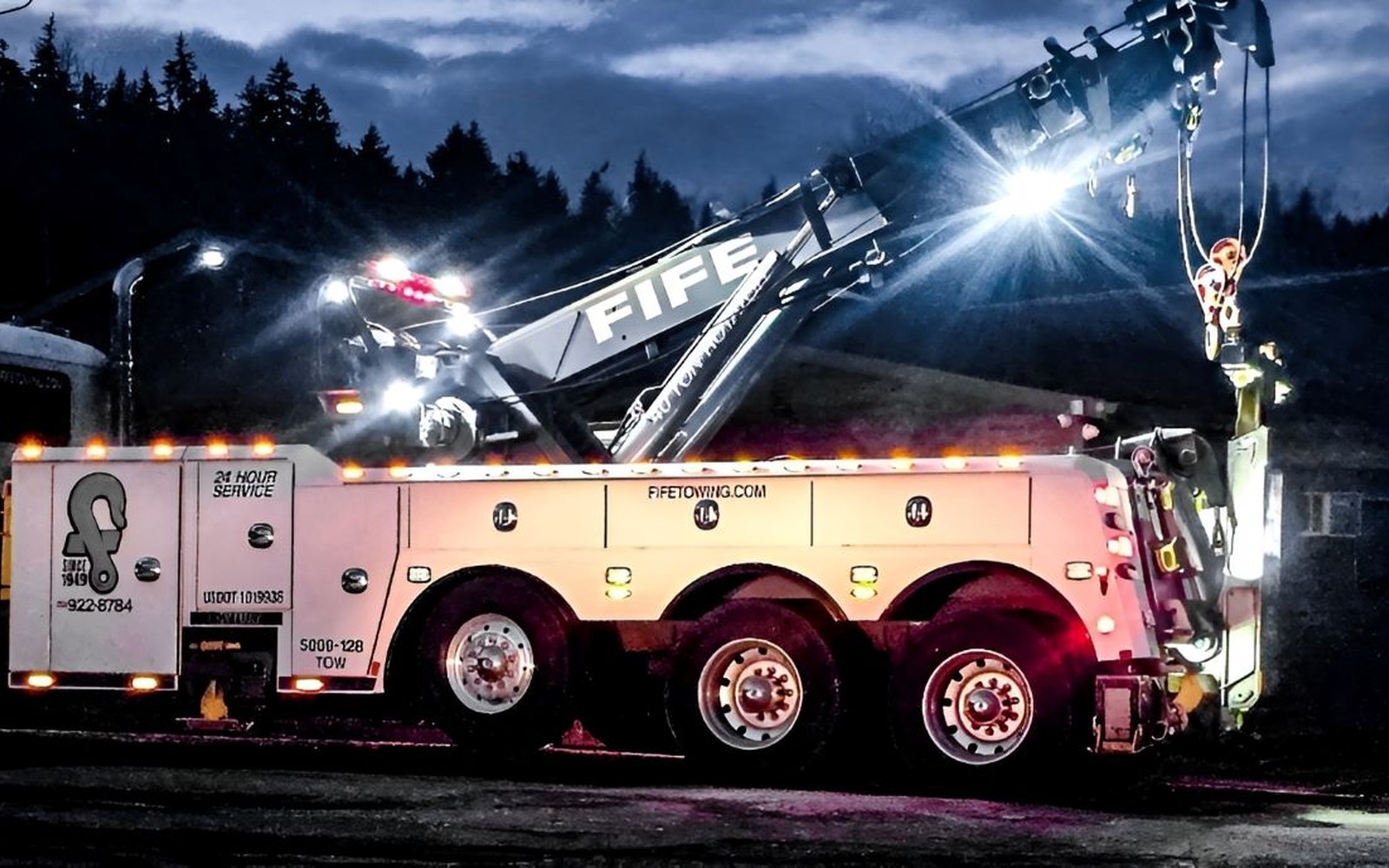
The construction sector has been active for years, driven by population growth, residential demand, and major public infrastructure projects including Sound Transit light rail expansion across King County. Dump trucks, concrete mixers, and crane trucks are constant presences on Seattle-area job sites. The food and beverage distribution sector is substantial, feeding a metro of over four million people and the hospitality industries concentrated in the city, Bellevue, and Tacoma. Food distribution fleet financing is an active category for us in this market, particularly for refrigerated units serving the grocery and restaurant supply chains.
Equipment We Finance in the Puget Sound Region
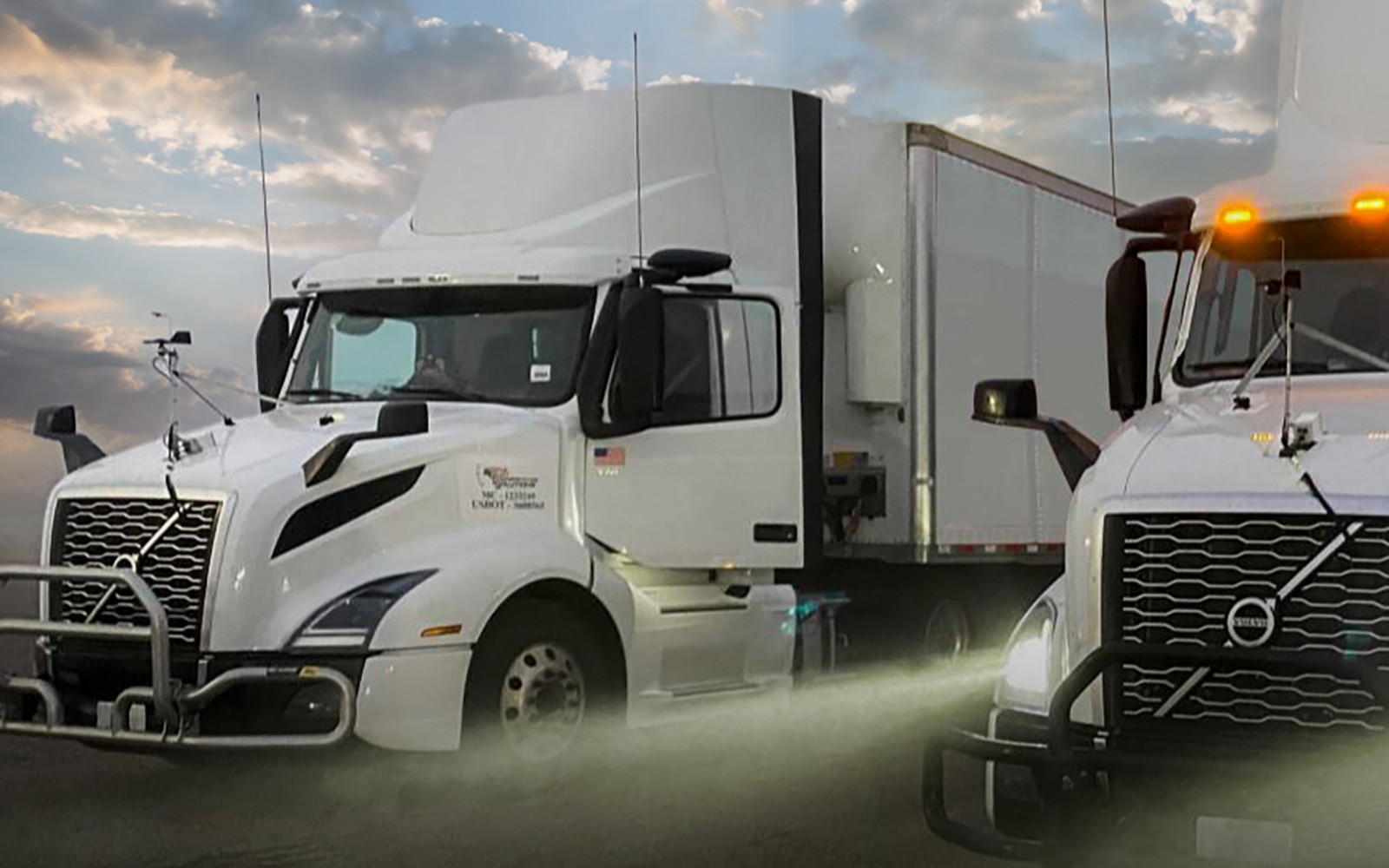
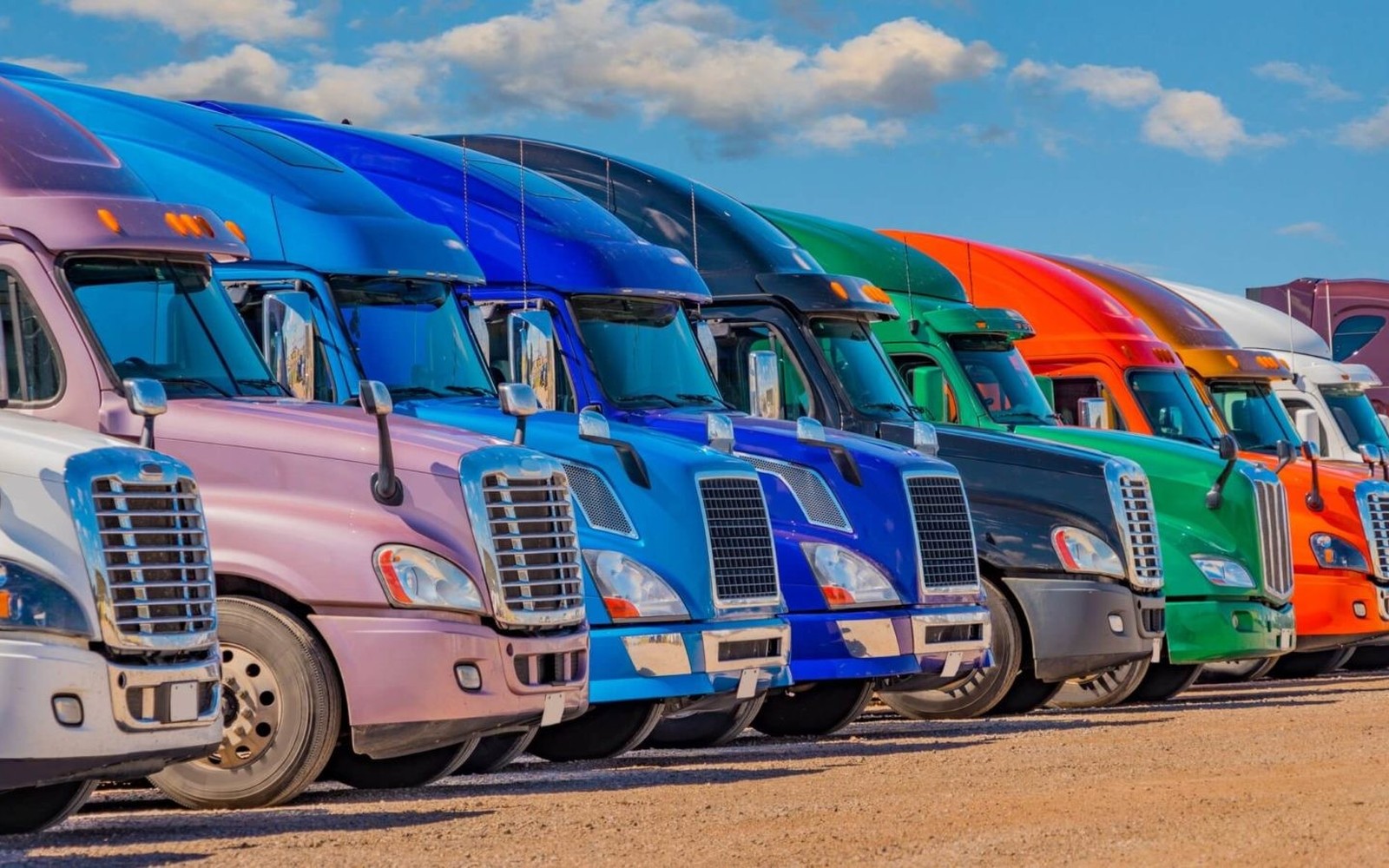
The Port of Seattle and Port of Tacoma generate consistent demand for day cab tractors running port drayage between the terminal gates and the dense industrial concentration in the Kent, Auburn, and Federal Way corridor along SR-167. Those units work short, intense cycles and accumulate hours faster than over-the-road equipment. Fleet operators running this work replace units on shorter cycles and need a financing partner who understands high-utilization economics.
Long-haul operators based in the Seattle area run sleeper tractors on lanes heading east through Spokane, south to Portland and California, or north into British Columbia. These units carry a different profile than port equipment and typically sit on longer loan terms given their expected service life on the open road. We structure each deal based on the equipment's actual use rather than applying a single template to all Class 8 equipment.
Washington's fleet market also includes a meaningful segment of refrigerated trucks and reefer trailers serving the seafood, produce, and food distribution sectors. The Pacific Northwest seafood industry generates specialized cold-chain logistics demand that does not exist in most other markets. We finance temperature-controlled equipment with the same efficiency as any other unit type.
Credit and Documentation for Washington Fleet Operators
Washington State's fleet operators span a wide credit spectrum, from well-capitalized regional carriers with institutional-grade financials to small family fleets that have been running profitably for years but carry a credit file that does not fully reflect the health of the business. We work with both ends of that spectrum and everything in between.
Our baseline documentation for deals up to roughly $400,000 is three months of business bank statements plus a one-page application. No tax returns or audited financials in most cases at that level. Credit scores below 650 are considered. We look at revenue trend, account stability, and the fleet's utilization profile rather than relying on a score alone. Washington operators dealing with the cost structure of Puget Sound, including Seattle's high labor costs, regulatory requirements, and fuel costs, sometimes show tighter margins on paper than the business's health warrants. We read the full context. B and C credit fleet financing is available for operators who have been turned away by conventional lenders. For operators adding units to serve new accounts or contracts, truck fleet financing structures can be sized to the contract's expected revenue contribution rather than historical financials alone.