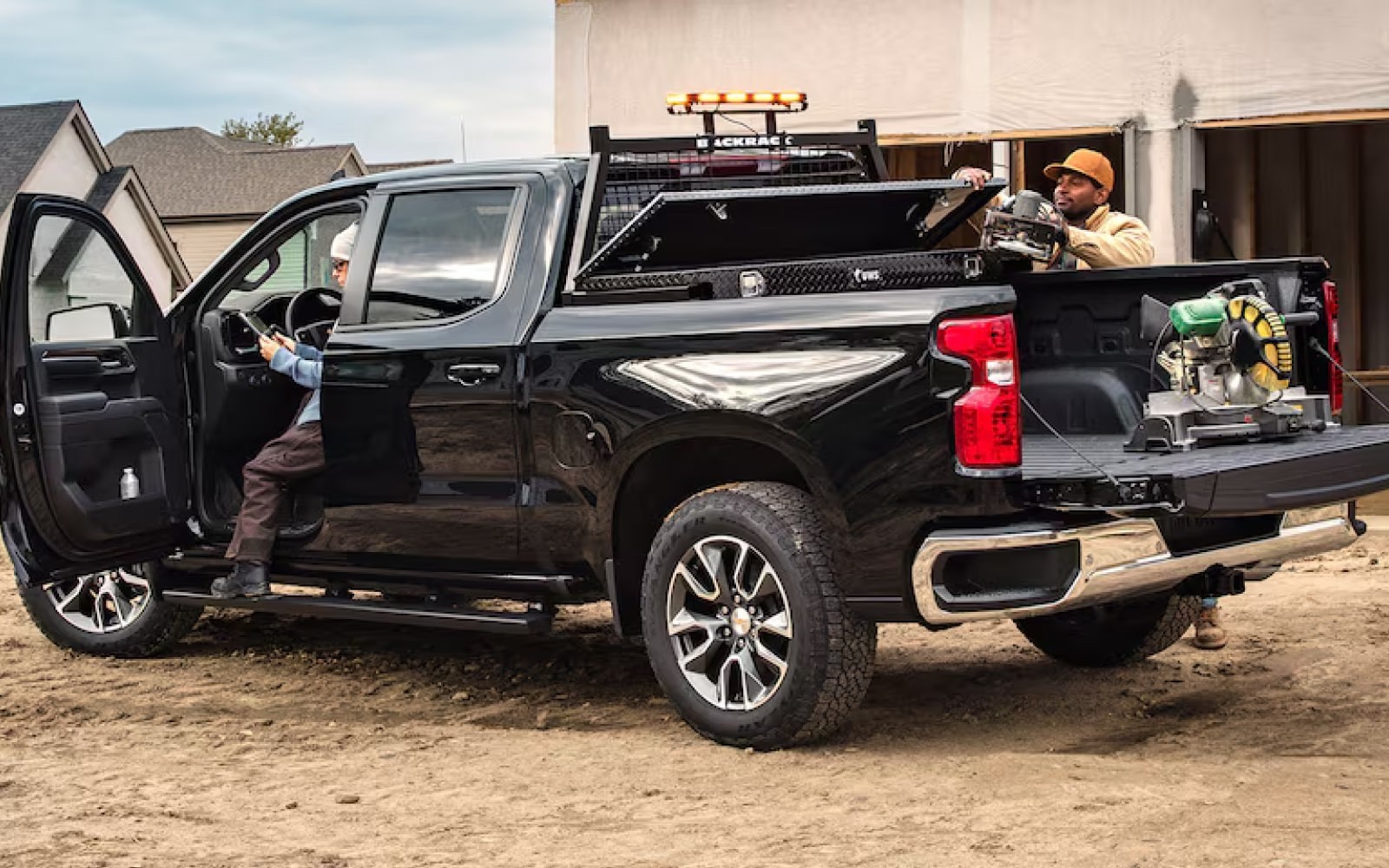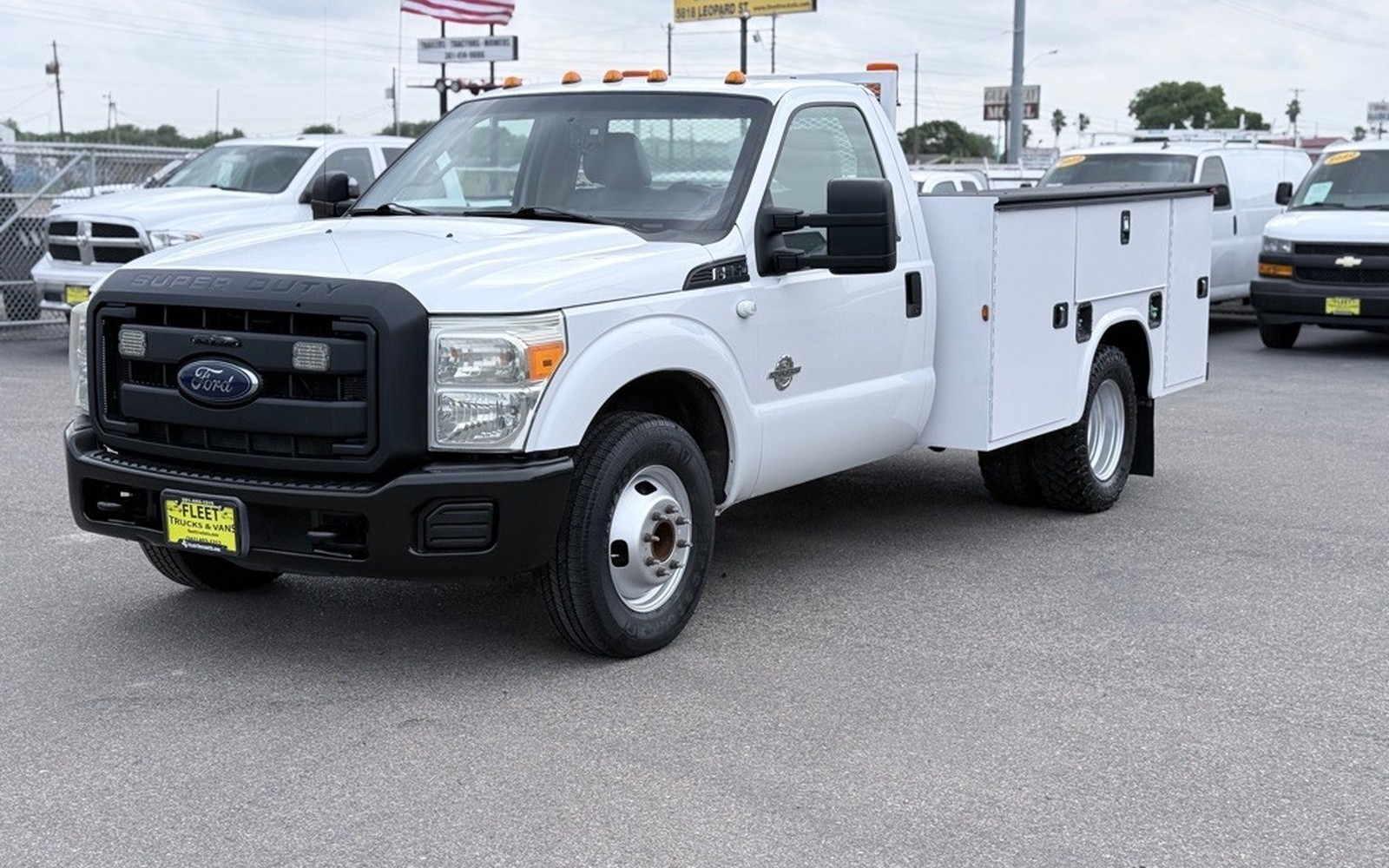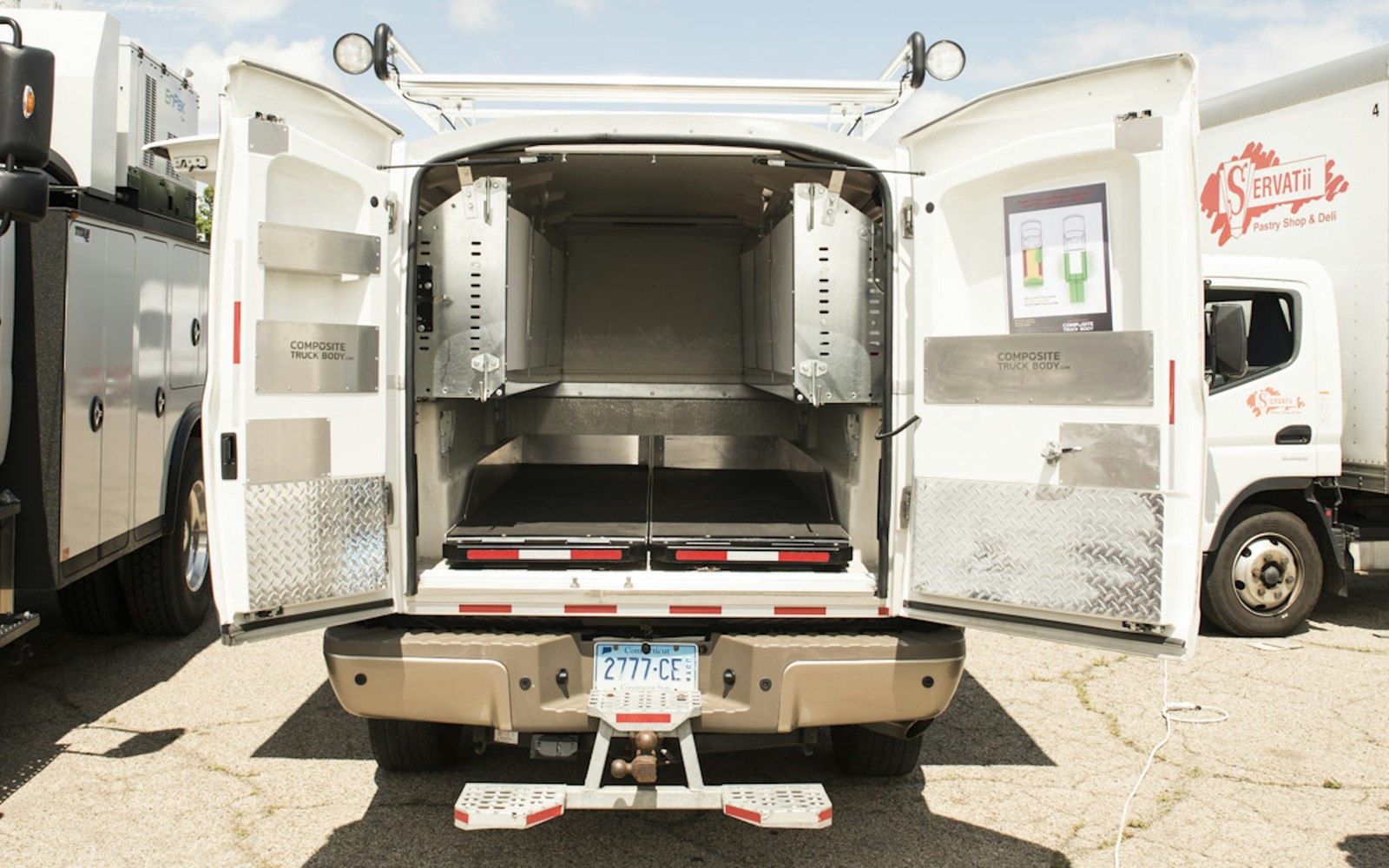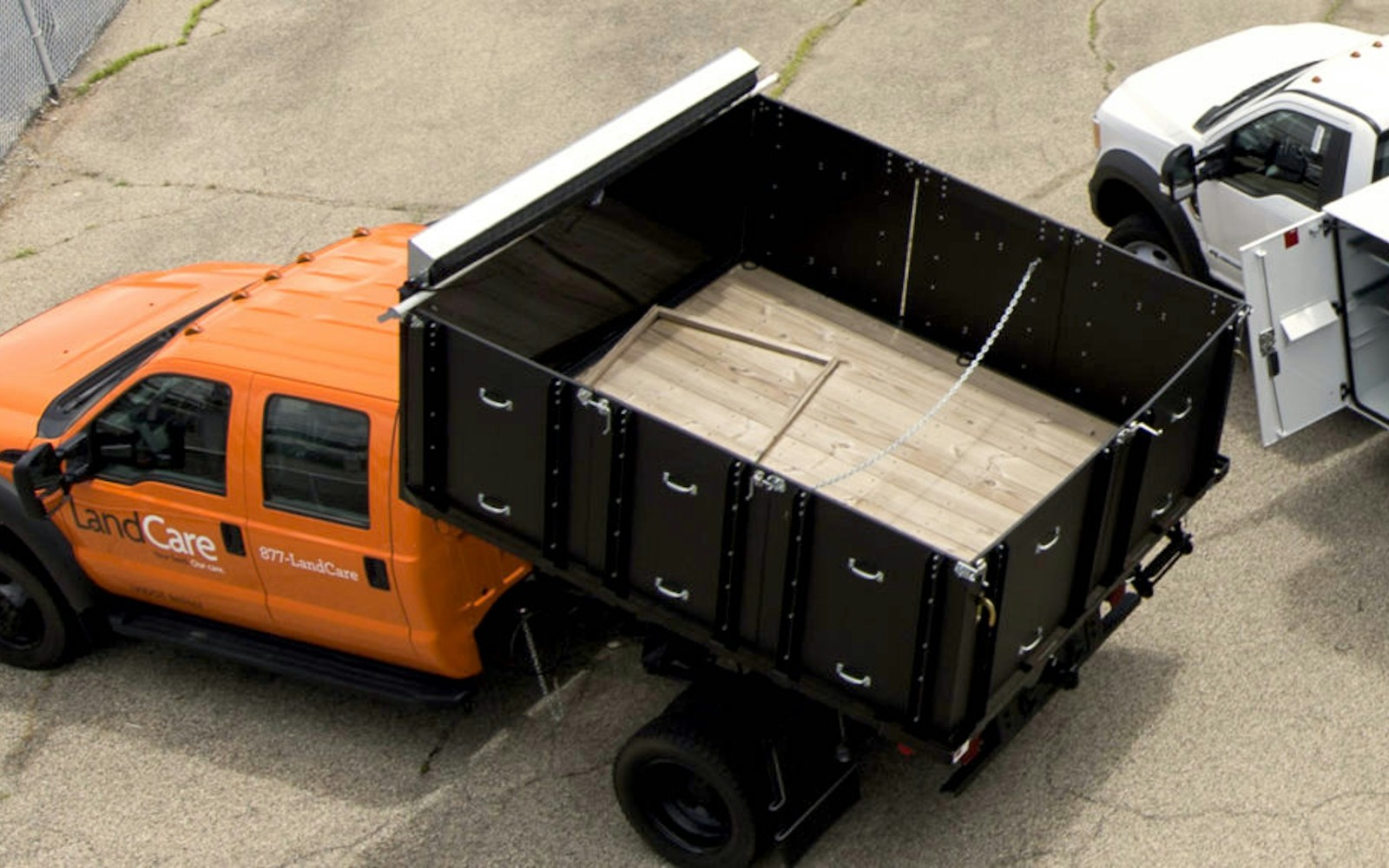
GMC commercial truck fleets tend to skew toward mixed-duty work: service contractors running Sierra 6500HDs with crane bodies, municipalities keeping utility beds in the field, landscapers running medium-duty stake trucks, and last-mile operators leaning on cargo vans and Savana cutaways. The brand occupies a specific utility lane in fleet management, and the financing for those units needs to match that operational profile. A service contractor's GMC doesn't earn the way a Class 8 sleeper earns; the payment structure, term, and collateral treatment should reflect how the truck actually runs. We structure GMC commercial fleet financing around the real TCO of these vehicles, from purchase of new units at the dealership to refinancing seasoned iron that still has productive years ahead of it.
Our minimum is $50,000 per transaction, with the sweet spot running from $100,000 to well into the seven-figure range for operators scaling a mixed GMC fleet. New trucks, dealer-fresh demos, and used units with verifiable history all qualify. B and C credit profiles are reviewed case by case. Application-only approval is available up to roughly $400,000, with funding typical in about one to two weeks. For operators carrying existing liens on their GMC iron, refinance and sale-leaseback are both on the table.
GMC Commercial Trucks: What the Fleet Actually Looks Like
The GMC commercial lineup covers Class 3 through Class 6, a range that includes everything from heavy-duty pickup-based work platforms to medium-duty cab-over-style cutaways. The Sierra HD series, particularly the GMC Sierra 6500HD, handles the heaviest work in the lineup: crane body builds, mechanics trucks, fuel and lube service configurations, and heavy flatbed or dump body upfits. It runs a diesel powertrain suited for loaded urban and suburban cycles, and dealers commonly configure it with a full range of upfit-ready chassis options.
Below that, GMC's medium-duty commercial presence runs through the Savana cutaway and cargo van platforms, which fuel the service truck and cargo van fleet segments heavily. HVAC contractors, plumbers, electricians, and specialty delivery operators run these platforms hard. The vans especially tend to log high annual mileage in dense urban corridors, which means replacement cycles matter as much as purchase financing.
Fleet managers who spec GMC over competitors often cite two factors: the dealer network density in metro markets and the upfitter ecosystem that has grown around these platforms. That dealer proximity affects residual value projections and is something lenders familiar with the commercial vehicle market price into their terms. We work with lenders who know GMC commercial collateral and don't treat a 6500HD the same way they'd treat a consumer truck.
Who Finances GMC Commercial Trucks With Us
The operators we work with most frequently on GMC commercial fleets fall into a few clear groups. Service contractors running three to twelve vehicles account for a significant share; a mixed fleet of 6500HD crane trucks and Savana service vans is a very common profile, and the financing for those units often runs under the same master application. Municipal contractors and government subcontractors buying utility-body Sierras on a fleet schedule also come through regularly, particularly in markets where local government prefers the GMC platform over heavier alternatives for light utility work.
Landscaping and grounds-maintenance operators running landscape trucks built on GMC cab-chassis are another steady segment. These operators frequently need to match their replacement cycle to seasonal cash flow, which is something a standard retail auto loan doesn't accommodate well but a properly structured fleet note can handle cleanly.
Finally, we see last-mile and courier operators building out cargo van fleets on the GMC Savana platform. These are often volume deals: five to fifteen vans at a time, sometimes sourced used from dealers or direct from enterprise remarketing. Volume transactions processed together reduce per-unit overhead and often improve pricing, and we handle them that way.
- Service and trades contractors, three to twelve mixed-unit GMC fleets
- Landscaping and grounds-maintenance operators on seasonal schedules
- Last-mile and courier operators building Savana cargo van fleets
- Municipal contractors and government subcontractors on utility-body builds
- Operators refinancing existing GMC iron to free up working capital
New Versus Used GMC Commercial: What Changes in the Finance Structure
New GMC commercial units financed through our program come with the full term range available, typically 24 to 84 months depending on unit type, use case, and the overall credit and cash flow picture. New iron also qualifies most cleanly for application-only approvals on transactions under roughly $400,000, because the collateral value is transparent and lenders price it with confidence.
Used GMC commercial trucks require a closer look at mileage, upfit condition, and remaining useful life, but they are absolutely financeable through our program. A well-maintained 6500HD crane truck with under 100,000 miles on a proven service record still represents solid collateral. The key from a lender's perspective is documentation: maintenance records, current appraisal or dealer invoice if purchased at auction, and a clear title or lien payoff statement. We work with lenders who understand that a well-spec'd used commercial truck in active service earns its keep and holds value differently than a consumer used vehicle.
For operators sourcing used GMC commercial trucks through private-party channels or dealer liquidations, used truck fleet financing handles those transactions. Private-party deals on commercial vehicles are a distinct process from dealer purchases, and the documentation requirements are slightly more involved, but they are a normal part of our workflow.
Refinancing and Sale-Leaseback on GMC Commercial Trucks
Operators who financed GMC commercial trucks two or three years ago at higher rates have a straightforward case for refinancing. If the units are still in good working order and the payoff is well below current market value, a refinance often reduces the monthly burden and frees up cash flow for the next acquisition or operational need. We look at the remaining payoff, the current market value of the trucks, the operator's current credit profile, and the existing payment structure. If the numbers work, we move it through.
Fleet sale-leaseback works differently. If your GMC fleet is owned free and clear or close to it, a sale-leaseback converts that equity into cash without interrupting operations. You sell the trucks to a funding partner, lease them back at a structured monthly payment, and use the capital for whatever the business needs: a new contract deposit, a facility upgrade, payroll during a slow period. The trucks stay in your yard and on your routes; only the title position changes. For fleet managers who've built equity in a solid GMC line, this is often the fastest path to liquidity without touching credit lines.
Cash-out truck refinancing is a middle option: refinance the existing debt and pull out equity above the current payoff. The mechanics combine elements of both a rate refinance and a sale-leaseback without requiring a full title transfer. We see this used most often by operators who need capital but aren't comfortable with the title-transfer structure of a true leaseback.