The loading dock determines which trailer wins the contract. Curtain-side trailers exist because side-loading from a forklift is faster and safer than end-loading a dry van for palletized freight, and because many manufacturing and distribution facilities simply cannot accommodate long back-in approaches. Fleet managers who have added curtain-side capacity consistently report that it opens shipper relationships that a standard van trailer cannot touch. The question is almost never whether the equipment pays for itself. The question is whether the financing structure lets the fleet add units at the pace the business requires.
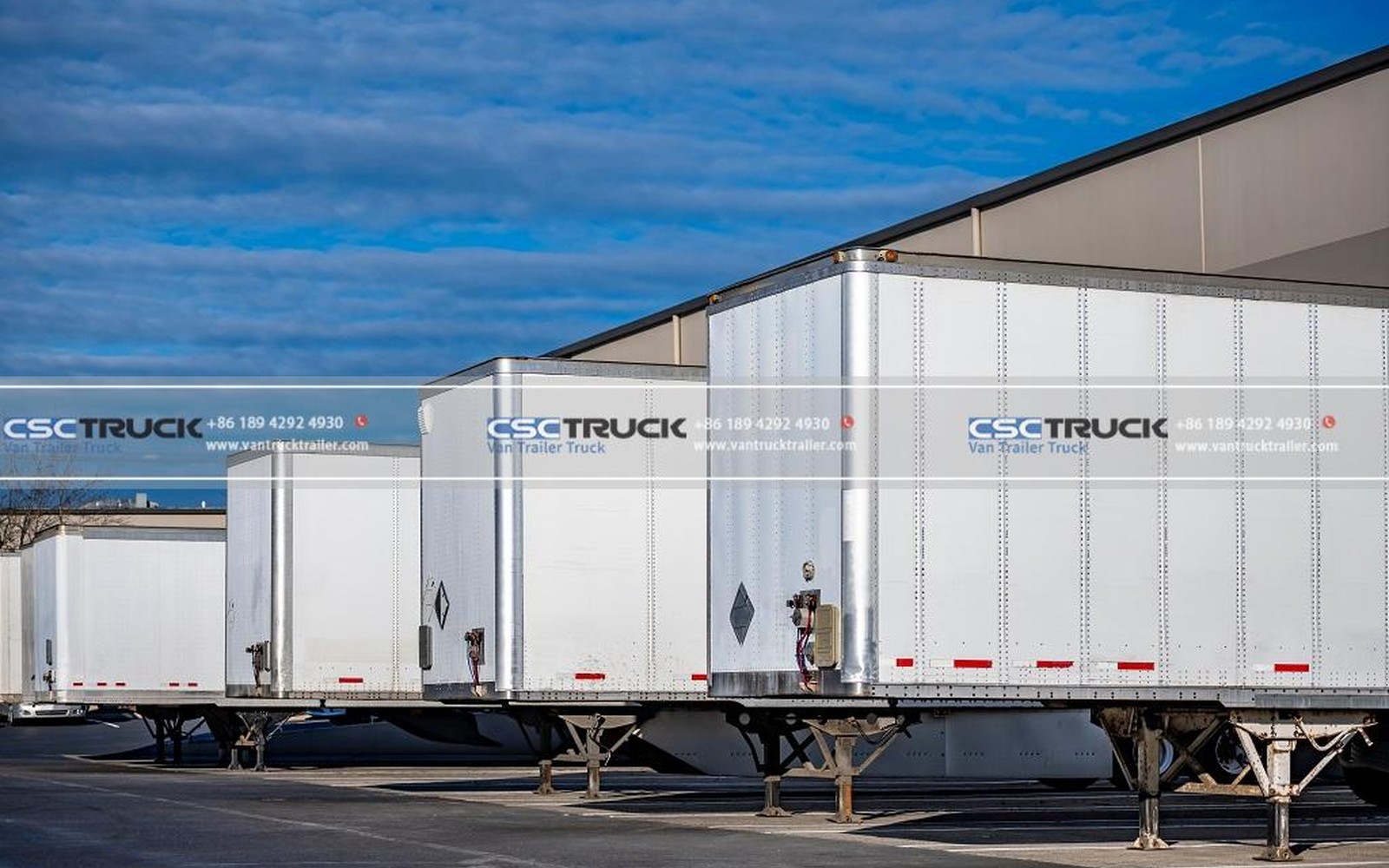
We finance curtain-side trailer fleets for operators who run distribution routes, beverage accounts, building materials, and manufactured goods. These trailers serve industries where forklift loading speed is a real competitive factor. Our programs cover new units from major curtain-side builders, used units in good condition, and fleet refinancing for operators with equity sitting in existing assets. We also handle transactions alongside related equipment like dry van trailers when a fleet is adding curtain-side capacity to an existing standard van operation.
Curtain-Side Trailer Specifications and Asset Value
A curtain-side trailer replaces the solid side panels of a van body with tensioned, trackable curtains that slide or retract to expose the full cargo floor for forklift or side-loader access. The frame typically carries a rigid roof structure and a solid rear door assembly, while the side curtains lock into tension tracks at the top and bottom rails. This design allows loading from multiple access points simultaneously, which is the key productivity advantage over rear-load-only configurations.
Standard curtain-side trailers run 48 or 53 feet in length. Payload capacity generally runs close to a dry van trailer at 44,000 to 46,000 pounds, with tare weight running slightly higher due to the curtain track and hardware systems. The curtain panels themselves, typically made of reinforced vinyl or laminated fabric, are the highest-maintenance component and are rated for specific wind load and impact tolerances depending on the manufacturer and intended lane.
New curtain-side trailers from builders like Wabash, Utility, and Great Dane typically run from the mid-$60,000s into the $90,000 range depending on curtain rating, floor spec, and accessory packages. Used units in the four-to-eight-year range trade meaningfully below those figures, often running about $25k to $50k depending on curtain condition, structural integrity, and the regional market at time of sale. Curtain condition drives resale value substantially, so a mechanical inspection and curtain audit before purchasing a used unit is standard practice.
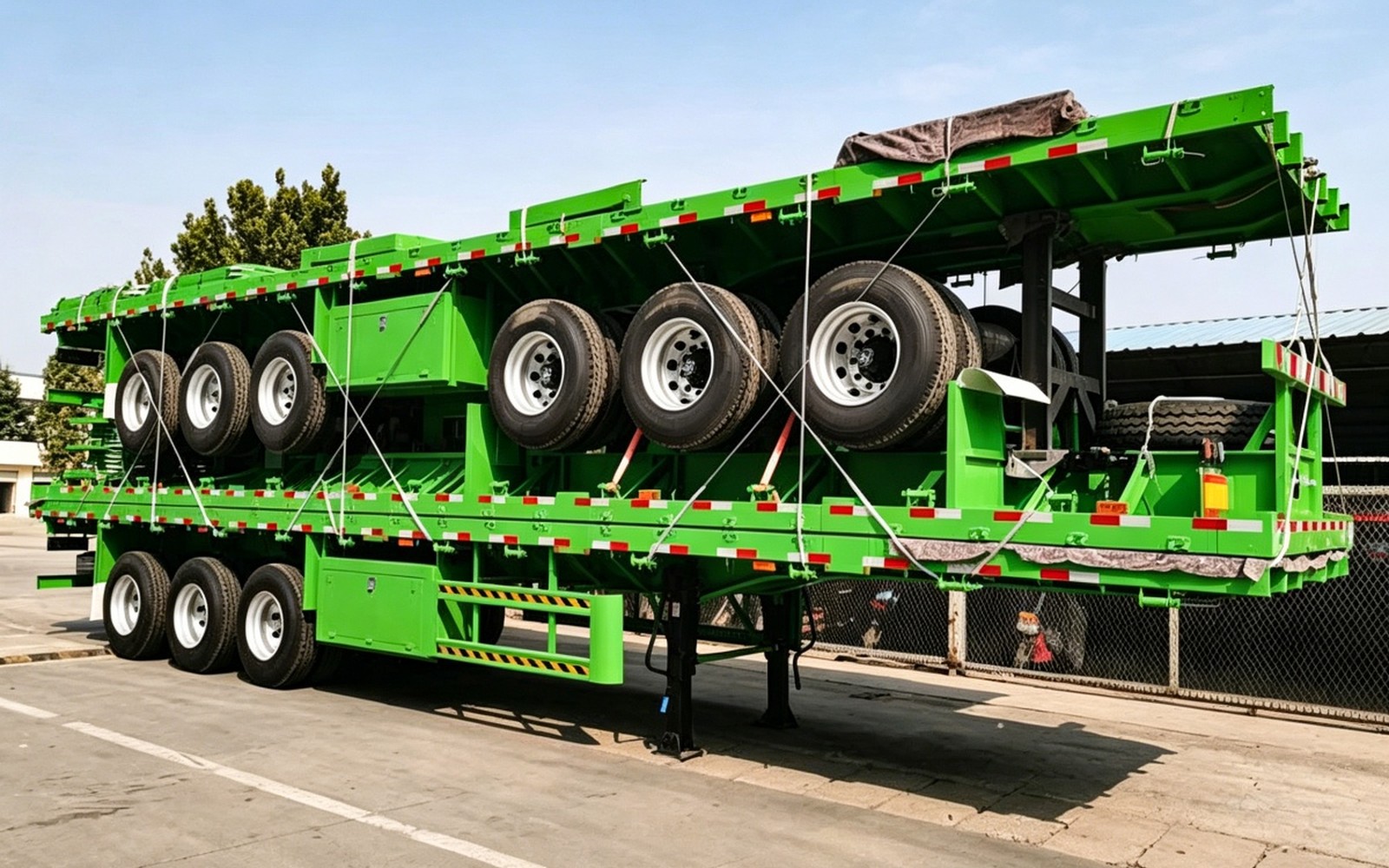
For fleets serving beverage distribution or building materials accounts, we often see these trailers paired with flatbed trailers to handle the variety of freight types those shippers move. A diversified trailer fleet allows more flexible dispatch and reduces empty miles when lanes and commodities shift seasonally.
Where Curtain-Side Trailers Earn Their Premium
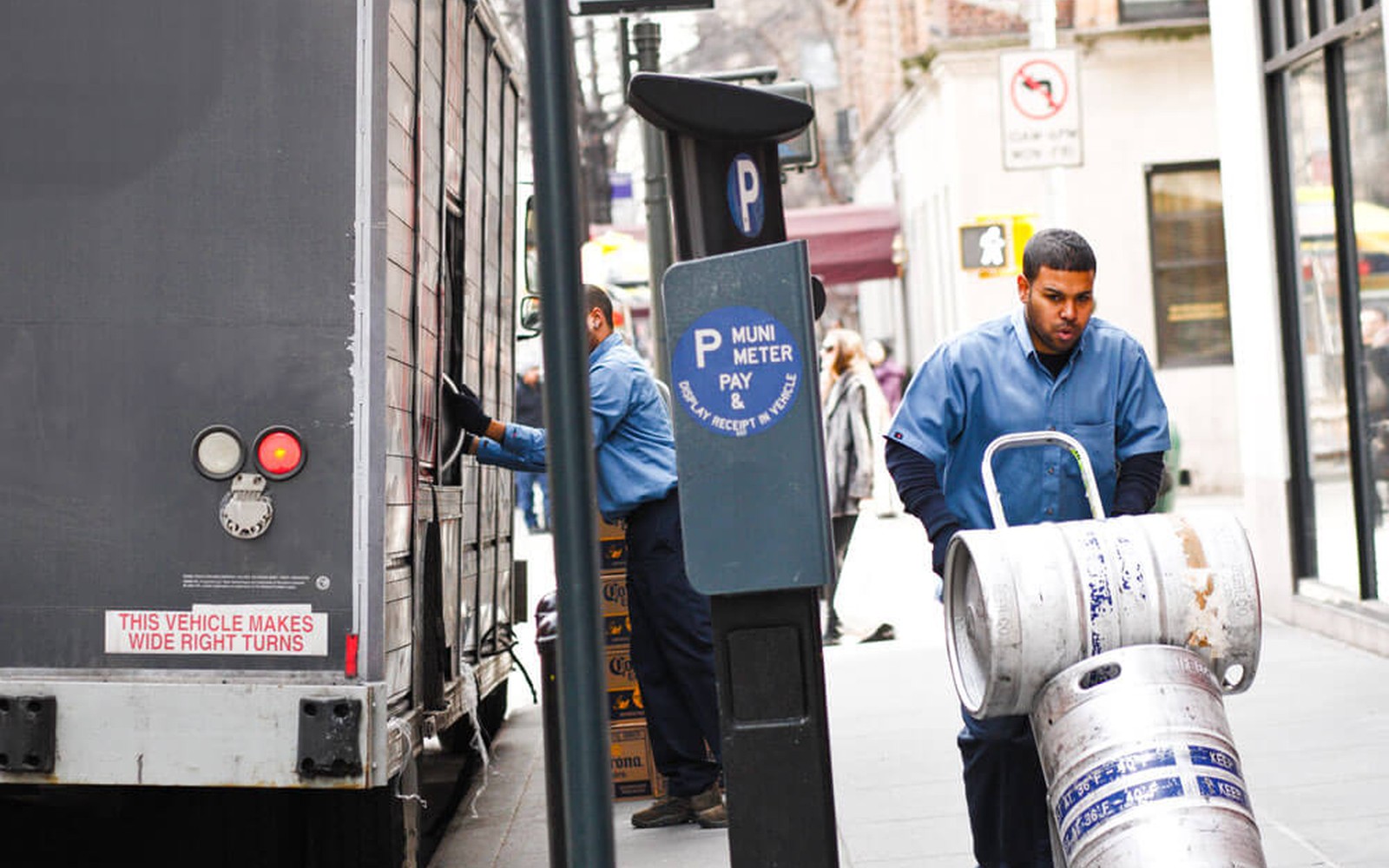
Beverage distribution is historically one of the strongest markets for curtain-side equipment. Kegs, cases, and mixed pallets that need rapid side-access delivery to venues, restaurants, and retailers demand the kind of loading flexibility that a van trailer rear door simply cannot provide efficiently. Beverage distribution fleets run curtain-sides as standard equipment in many markets precisely because accounts require it.
Building materials, particularly engineered lumber, paneling, and finished goods, represent another strong use case. These freight types are often long, awkward for rear-loading, and better managed by forklift from the side. Regional carriers serving lumber yards and building supply chains frequently spec curtain-side as their primary trailer type for exactly this reason.
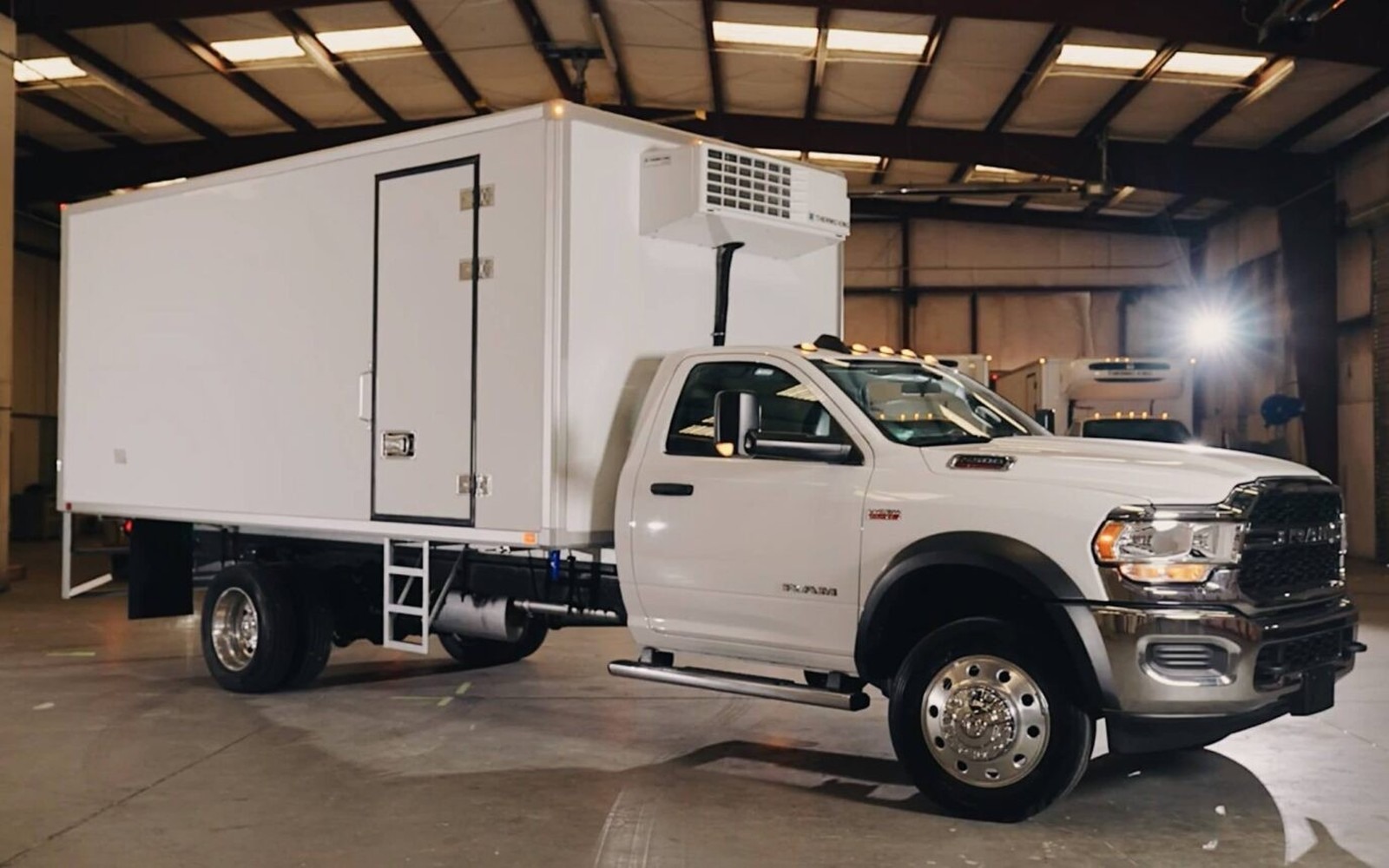
Food distribution outside cold-chain requirements is a third strong market. Non-refrigerated packaged goods, dry grocery, and ambient temperature food products that need rapid multi-stop delivery benefit from the access speed. Food distribution fleets sometimes run curtain-sides for the ambient product lines and reefers for the temperature-controlled portion of the same route structure.
Understanding the freight market the operator serves is part of how we underwrite these transactions. A carrier with a committed beverage account or a lumber yard contract brings a different risk profile than a speculative fleet addition, and we structure terms accordingly.
Credit Profiles and What We Need
Curtain-side trailer financing is available for a range of credit situations. Strong business credit with a clear operating history supports the most competitive terms, but we regularly work with B and C credit operators. Prior slow pay, prior charge-offs, or a limited personal credit file do not automatically close the door if the business fundamentals hold up.
For most curtain-side trailer transactions up to approximately $400,000, application-only approval is available. This means the application itself plus 3 months of business bank statements is sufficient to reach a decision. Larger transactions or those with more complex credit situations may require additional documentation, including business tax returns or a profit and loss statement.
Operators who are newer to the industry, including those who recently secured their authority or who are under two years in business, can apply under our startup fleet financing program. This pathway looks at the freight commitments on the table and the operator's plan rather than requiring years of tax history that newer operations simply do not have.
Operators with existing curtain-side fleets who want to unlock capital from those assets without selling them can explore a fleet sale-leaseback. The trailers stay in service, the capital comes back to the business, and the payment structure replaces the equity that was sitting idle.
How Fast We Move on Curtain-Side Trailer Deals
Most curtain-side trailer approvals come back within 24 to 48 hours of a complete application submission. Once approved, funding typically takes about 1 to 2 weeks to close. The timeline is a real variable because private-party purchases and dealer transactions process at different speeds, and some operators need time to finalize the trailer inspection on used units before funding.
We work with operators who need to move quickly on a fleet acquisition because the trailer is available at a price that will not hold. We also work with operators who are planning a fleet expansion three to six months out and want the financing pre-structured before the purchase contract is signed. Both approaches work. The earlier we know the details, the more efficiently the transaction closes when the time comes.
Operators who prefer to keep their options open can also structure financing through a fleet equipment line of credit, which allows draws on individual trailers as they are acquired rather than committing to a fixed fleet package upfront. This structure works well for fleets that expect to add curtain-side capacity in waves rather than all at once.