Expedite freight does not wait on slow money. An operator who won a last-minute automotive plant run or a pharmaceutical cold-chain dispatch has hours, not days, to confirm equipment. The business model depends on being available and capable when the call comes in, which means the fleet has to be funded and ready before the phone rings. Financing that closes in a week or two keeps that equation working; financing that drags into a month does not.
We finance expediter trucks across the full range of configurations: cargo vans and Sprinter-size units for small, time-sensitive loads; straight trucks in Class 5 and Class 6 with liftgates or refrigerated bodies for temperature-sensitive expedite freight; and the purpose-built straight truck with sleeper cabs that long-haul expedite teams run as a two-driver team operation. Owner-operators buying their first expediter and small fleets adding capacity both qualify. Minimum transaction is $50,000, and most single-unit expediter purchases fall in the $80,000-to-$150,000 range depending on spec and age.
Expediter Truck Configurations and Specifications
The cargo van tier, typically built on a Mercedes-Benz Sprinter, Ford Transit, or Ram ProMaster, runs time-sensitive freight that fits within the payload and cube limits of those platforms. Maximum cargo capacity in a high-roof extended Sprinter or Transit runs roughly 3,500 to 3,800 pounds and about 270 to 280 cubic feet of interior space. These units are economical to operate and park almost anywhere, which makes them the entry point for many expedite owner-operators.
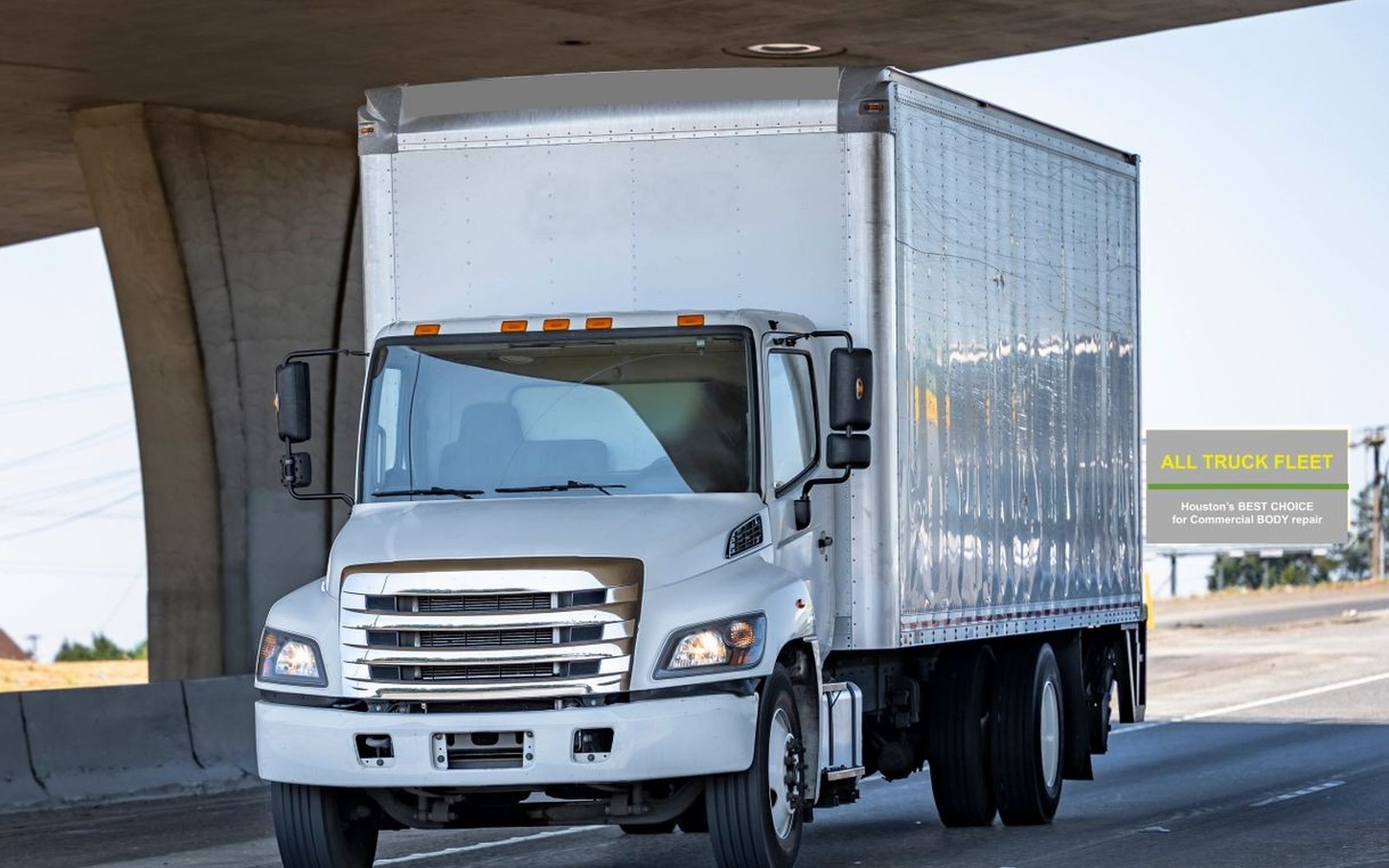
Class 5 and Class 6 straight trucks, commonly Isuzu NPR or NQR, Hino 195 or 268, or Freightliner M2 platforms, step up significantly in payload and cube. A 24-foot Isuzu NPR box can carry roughly 7,000 to 10,000 pounds of freight depending on spec. These units are common for expedite freight that exceeds the van payload envelope but does not justify a Class 8 move. Liftgate configurations are standard in many expedite applications where dock access is not guaranteed.
The team-driver straight truck with a sleeper cab, most commonly a Class 6 or Class 7 unit with an integrated or bolt-on sleeper, is the tool of choice for coast-to-coast automotive and manufacturing expedite lanes. Manufacturers like Peterbilt, Kenworth, and International produce medium-duty platforms that can be configured with sleeper accommodations for two drivers, allowing the truck to run continuously without mandatory rest stops that apply to single-driver operations.
New units from dealer stock typically clear fastest on delivery, but clean pre-owned expedite trucks are equally financeable. Private-party acquisitions from other owner-operators or small fleet sell-offs are also eligible; see our private-party truck financing program for that process.
Operator Profiles We Finance
Single-truck expedite owner-operators are common in our book. Many start with a cargo van, establish a carrier relationship with a major expedite network such as Panther or Load One, and then graduate to a straight truck as freight volume and load size grow. Financing the second unit, often while the van is still on a payment, requires showing that the combined units can generate enough revenue to service both obligations. Bank statements showing consistent van revenue typically support that approval.
Two-truck and three-truck operations that run team freight are another common profile. These operators often carry B or C credit from a period when one truck was down and cash flow contracted, but their underlying business is sound. We consider credit history in context, not in isolation. A team operation with two trucks generating consistent revenue from a known carrier relationship is a fundable deal even with imperfect credit.
Fleet operators who include expedite capacity as part of a larger freight mix, alongside day cab tractors or straight trucks on other lanes, often want expedite units under a separate facility or added to an existing fleet line. Both approaches work. The expediters are a distinct asset class but can be structured alongside Class 8 equipment in a portfolio facility if that is simpler for the operator's accounting.
Approval Speed and Funding Timeline
For deals under $400,000, the application is one page plus three months of bank statements. Approval typically comes back in 24 to 48 hours of a complete submission. Closing follows after title and lien paperwork after documentation is executed. For owner-operators and small fleets, this timeline usually works. For genuine emergency unit replacements where a team is grounded, we can sometimes compress the timeline on deals where documentation is clean and the credit picture is clear.
Operators who have been through our process once and want to add units later can reference the prior file and update the bank statements. We keep the structure familiar so repeat transactions move even faster.
The documentation package for application-only deals is intentionally light: one-page app, three months of business bank statements, and basic invoice or purchase agreement from the seller. No tax returns, no audited financials for transactions under the application-only threshold. Larger fleet additions require more, but single-unit expediter purchases almost always clear the simpler process.
For operators considering a fleet equipment line of credit, which allows drawing against pre-approved capacity for each new unit rather than reapplying each time, expedite fleet builds are a good fit. The number of units tends to grow incrementally and predictably, which is exactly what a line of credit is designed for.
Refinancing and Sale-Leaseback for Existing Expedite Fleets
Expedite operators who own their trucks free and clear, or who have significant equity built up through consistent payments, have options beyond simply buying the next unit outright. A sale-leaseback converts the owned equity in existing trucks into cash while keeping those trucks in service. The operator sells the trucks to a financing company and immediately leases them back, generating capital for expansion or operations without disrupting the dispatch schedule.
Rate-and-term refinancing on existing loans is available when market rates have shifted or when a prior deal was done under time pressure at less favorable terms. Operators who financed through a dealer at origination often find that a dedicated fleet lender can offer better terms when they refinance directly.
Cash-out refinancing, where the loan amount exceeds the existing payoff and the difference comes to the operator as cash, is another tool for expedite fleets with equity. The proceeds can fund a van upgrade, tooling, or a deposit on a second straight truck. Contact us with your current payoffs and current vehicle information to get a read on the options.
Related routes worth a look include Section 179 Truck Deduction, Truck Fleet Financing, and Truck Fleet Refinance.