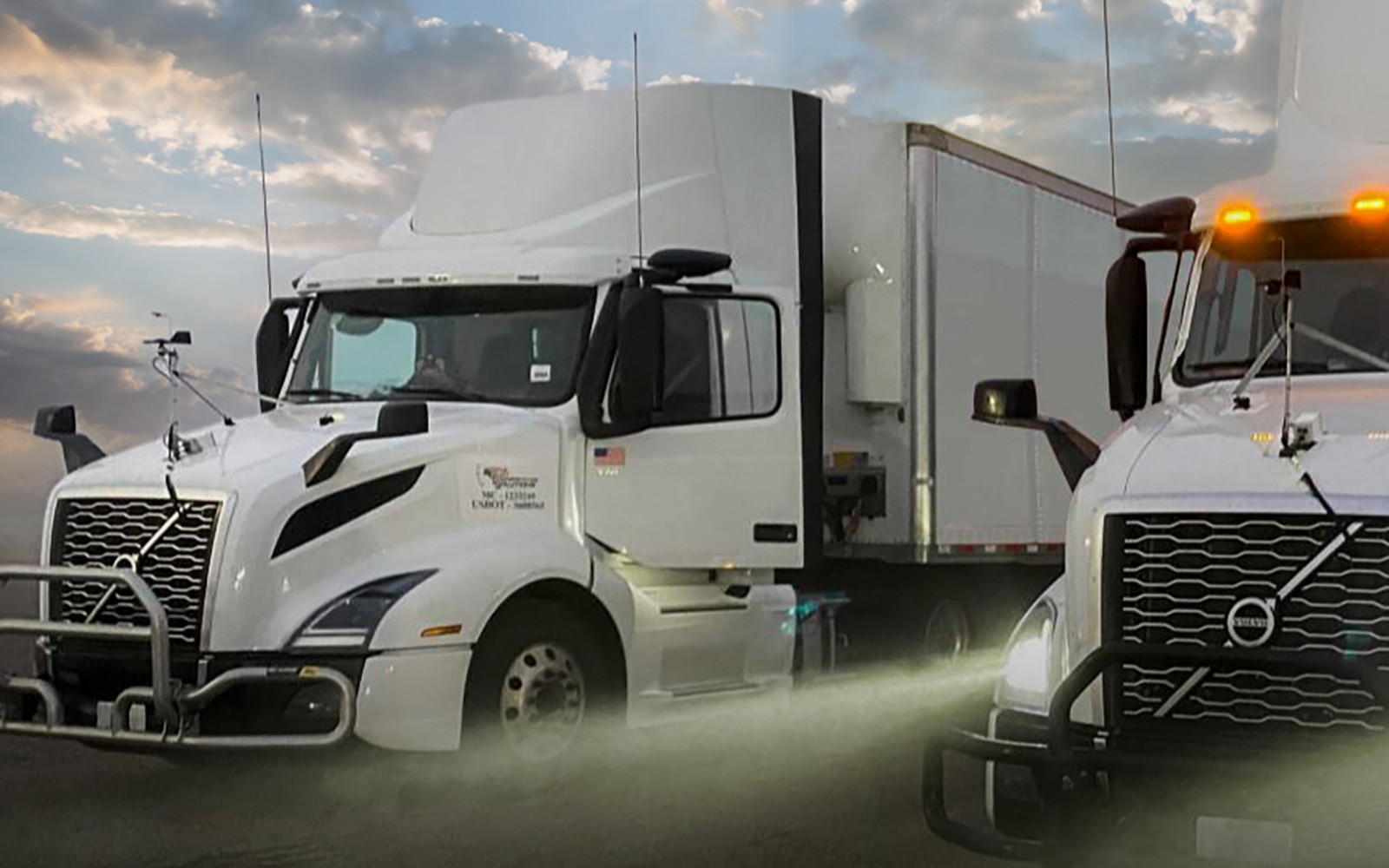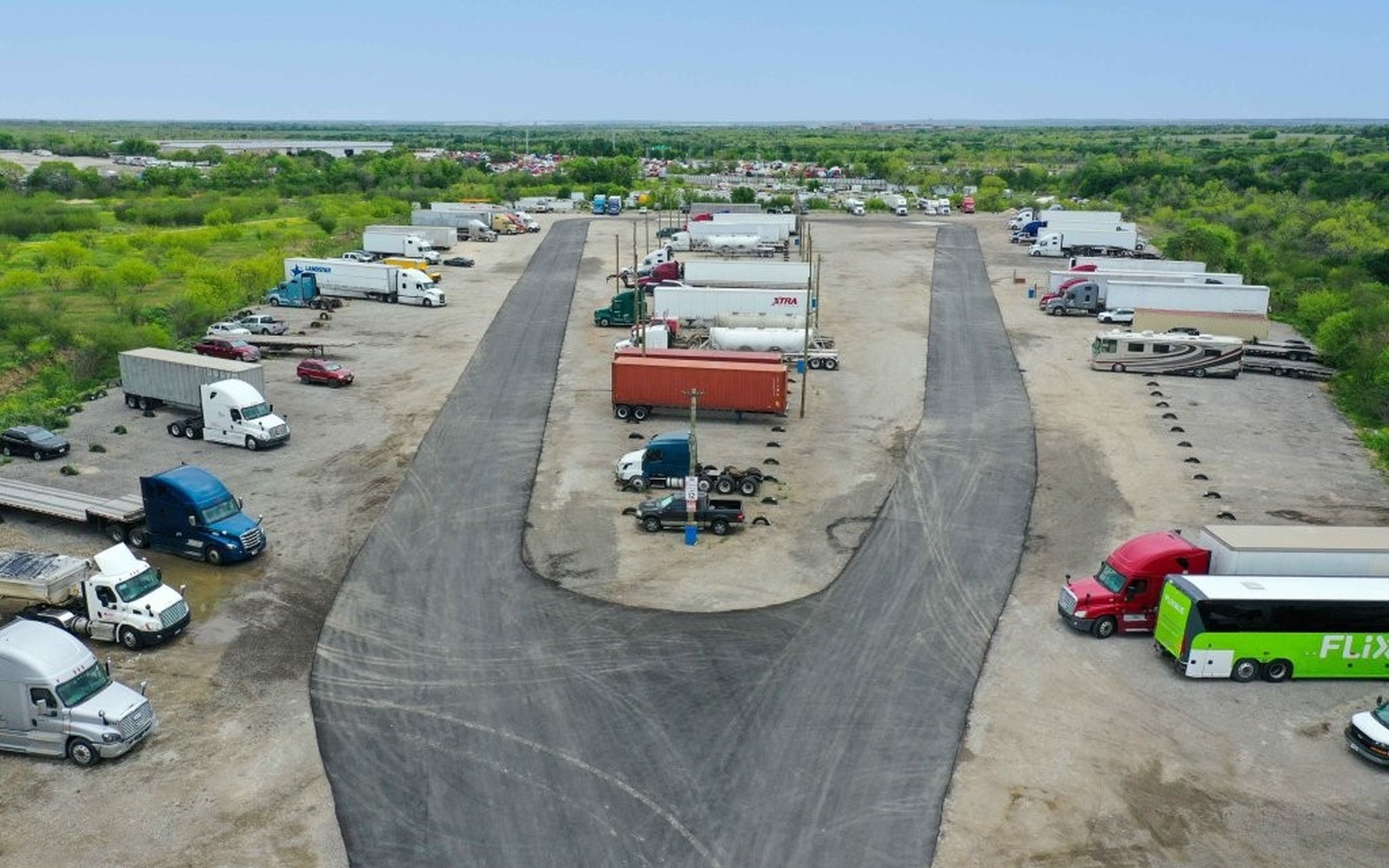
The Seagirt Marine Terminal at the Port of Baltimore handles a significant share of the container freight moving into the mid-Atlantic and Upper Midwest, and the fleet operators doing drayage out of that terminal run their tractors on a schedule that does not have much tolerance for a unit sitting in the shop. Baltimore's position on the I-95 Northeast Corridor, combined with its intermodal rail connections and proximity to the Chesapeake region's distribution infrastructure, creates a freight environment where utilization is high and the cost of downtime is immediate and measurable.
We finance truck fleets based in and operating through Baltimore, from the drayage companies running tight port cycles to the regional carriers connecting Baltimore to Philadelphia, Washington DC, and the rest of the corridor. Minimum transaction size is $50,000, with most deals running about $100k to $150k. Application-only approval up to roughly $400,000, one to two week funding, and B and C credit profiles get real consideration.
Baltimore's Freight Infrastructure and Fleet Demand
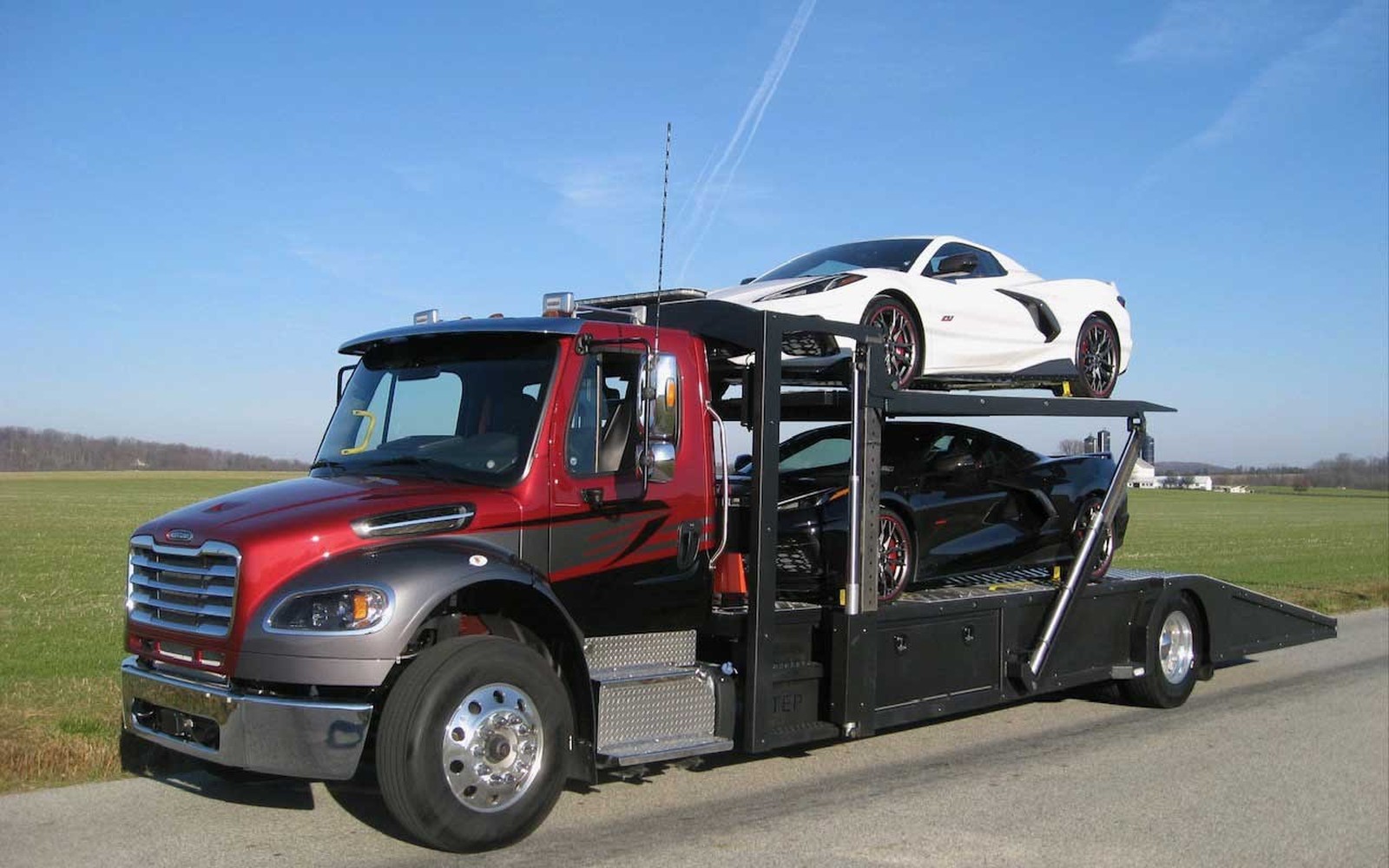
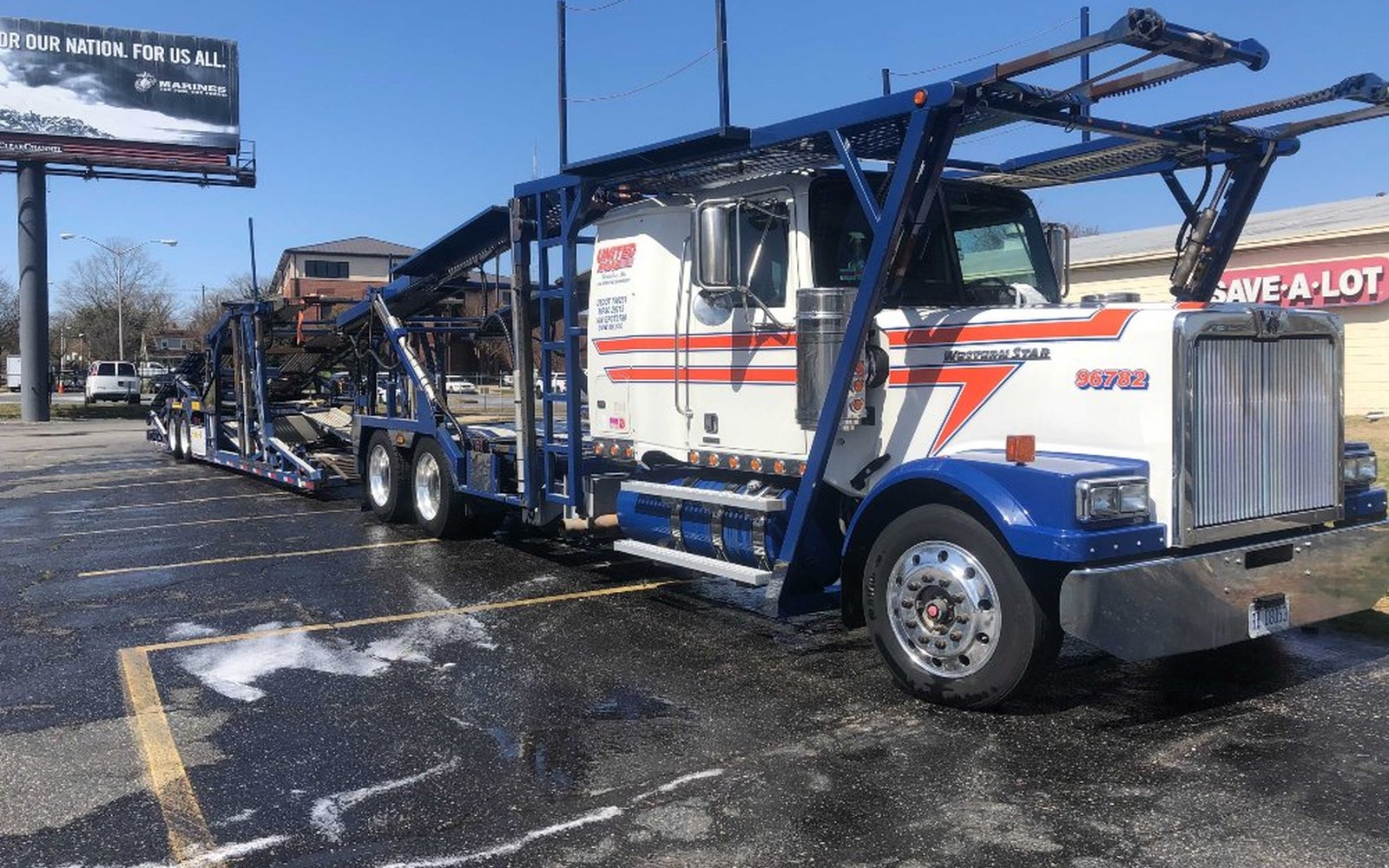
The Port of Baltimore is notable not just for container volume but for its roll-on/roll-off (RORO) cargo, which makes it the top U.S. port for cars and light trucks by volume. That generates a separate fleet demand category: car hauler trucks and car carrier trailers moving vehicles from the port to dealer networks across the mid-Atlantic, Ohio Valley, and further. Operators in this segment run specialized equipment with high acquisition costs and specific financing needs that differ from standard drayage.
Intermodal rail is significant in Baltimore. The CSX intermodal terminal and the connections through the Howard Street Tunnel (currently undergoing the historic tunnel expansion project) link the port to rail distribution reaching into the Midwest. The intermodal lanes create a category of short-drayage operators running containers between the port and the rail ramp, typically with day cab tractors on very tight turn cycles.
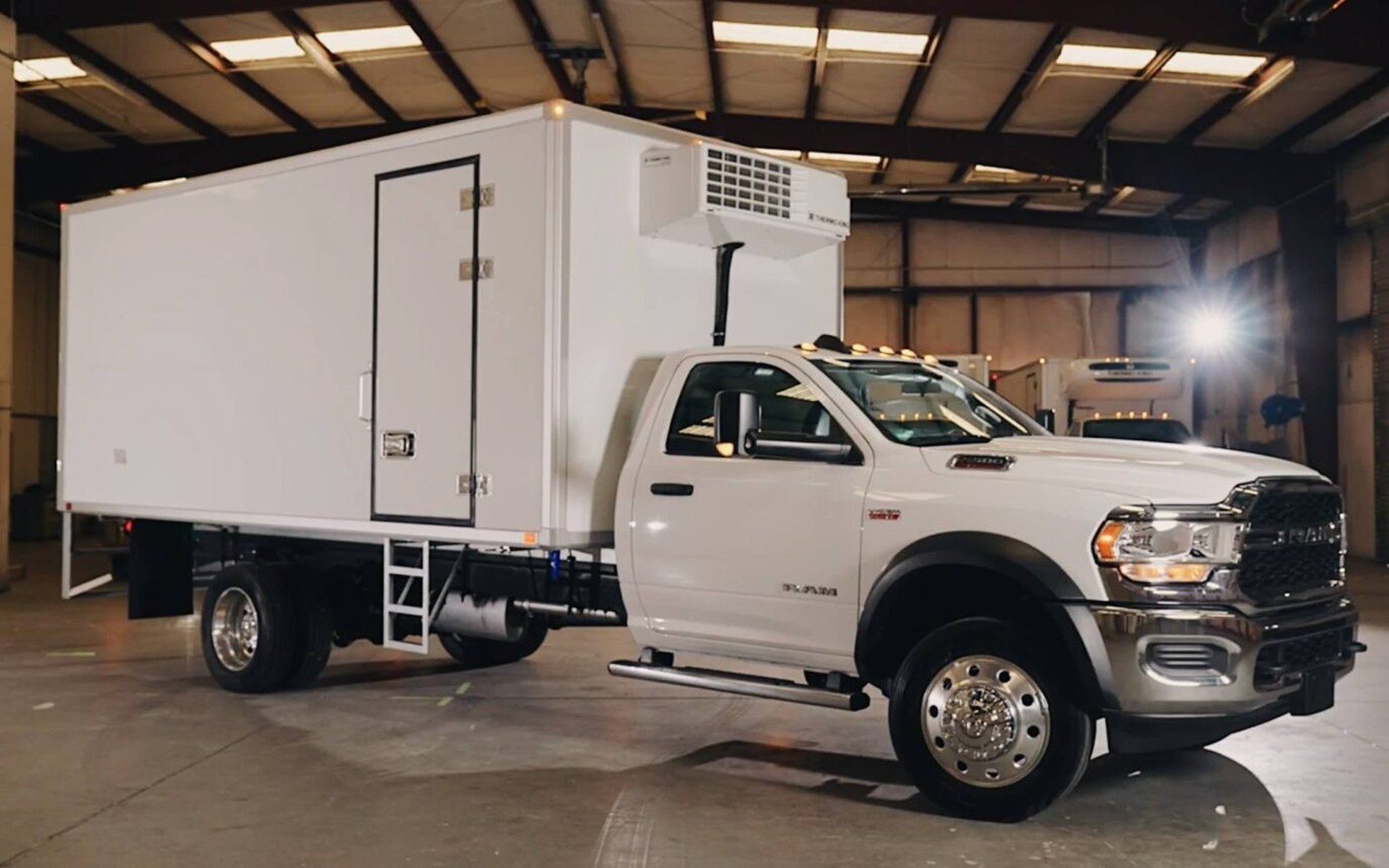
Beyond port and rail, Baltimore's fleet market includes a strong distribution sector. The regional grocery and food distribution chains, pharmaceutical distributors serving the Washington-Baltimore metro, and beverage distributors active in the dense population corridor all contribute to steady demand for refrigerated trucks and temperature-controlled operations. Construction and infrastructure activity in the city adds dump truck and flatbed truck demand from contractors working public and private projects.
Financing Terms and What to Expect
Fleet financing in Baltimore runs across a range of structures depending on the operator's priorities. The basic choice is between owning the equipment at the end of the term (finance lease or loan) and having flexibility at the end of the term in exchange for lower monthly payments (TRAC lease). We walk operators through this choice based on their replacement cycle planning, depreciation preferences, and whether they intend to hold each unit to high mileage or cycle out at a predictable point.
Truck fleet financing terms typically range from 48 to 84 months depending on unit type and operator preference. Shorter terms mean higher payments but more rapid equity build and more flexibility to refinance if conditions change. Longer terms preserve monthly cash flow but extend the commitment. For fleets replacing units on a regular cycle rather than holding them long-term, a TRAC lease often fits better because the end-of-term residual absorbs some of the payment rather than building equity in a unit the operator plans to sell anyway.
For operators with equity already in trucks they own outright, cash-out truck refinancing is a tool that extracts working capital from the iron without disrupting operations. This makes sense when a Baltimore operator needs capital to bid a port contract, expand yard capacity, or cover a period of lower-than-normal freight revenue without taking on unsecured debt at higher rates.
Who We Work With in the Baltimore Market
Baltimore attracts a particular mix of fleet operators that we see regularly. Port drayage companies are the most common, ranging from single-owner operators with three to five tractors to mid-size companies running twenty or more units. Auto transport operators moving vehicles off the RORO docks are a significant Baltimore-specific category. Regional LTL and TL carriers using Baltimore as a relay point on the I-95 corridor. Last-mile delivery fleets serving the dense residential and commercial areas of the city proper and the surrounding suburbs.
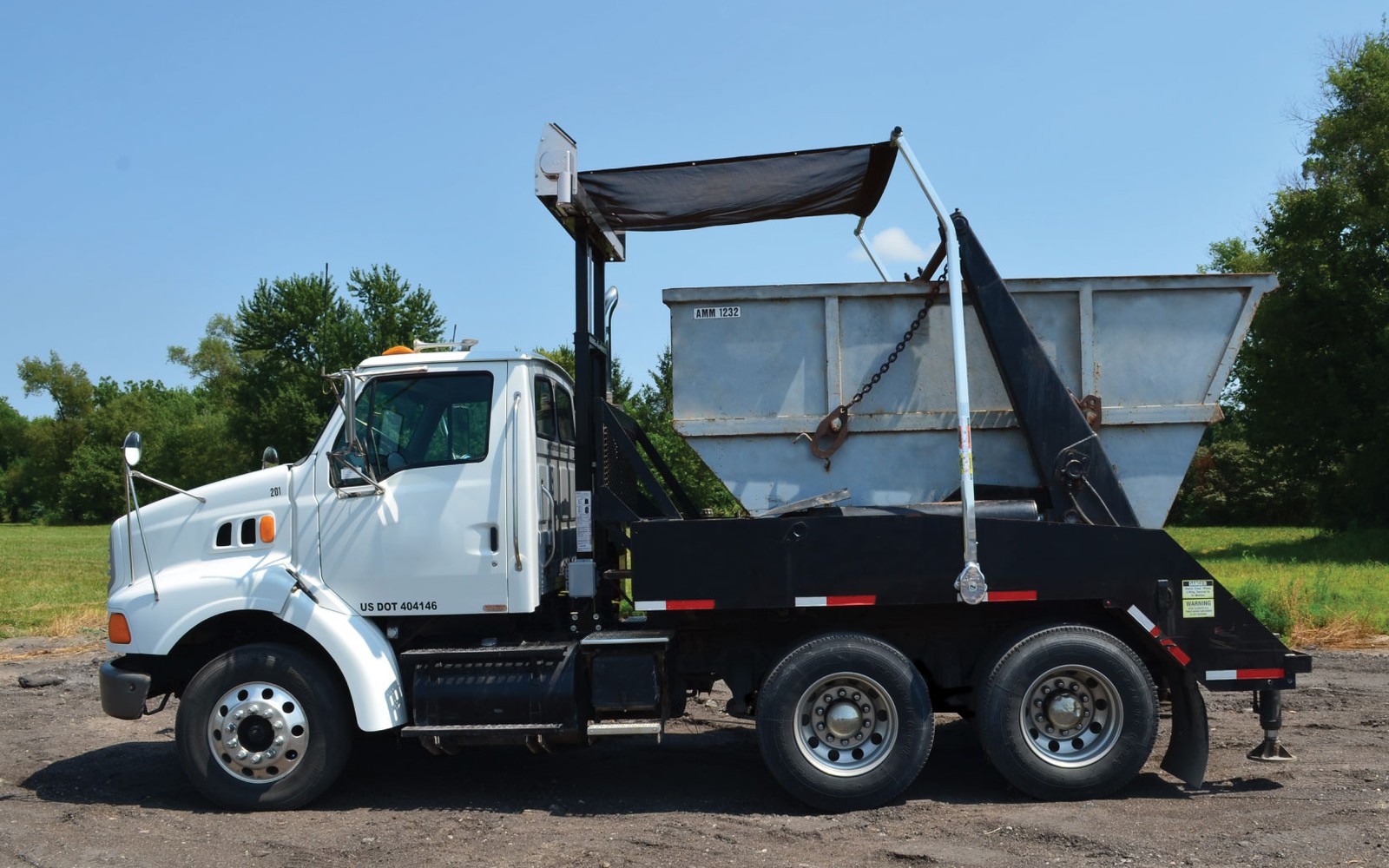
Construction fleet operators active on the city's redevelopment projects, port infrastructure work, and the suburban residential expansion in Baltimore County and Harford County. Waste hauling operators under municipal contracts, which often require fleet modernization on a schedule driven by contract requirements rather than organic equipment failure timing. All of these operators have worked through us, and the common thread is fleet managers who think about TCO across the full unit life rather than just the next payment due.