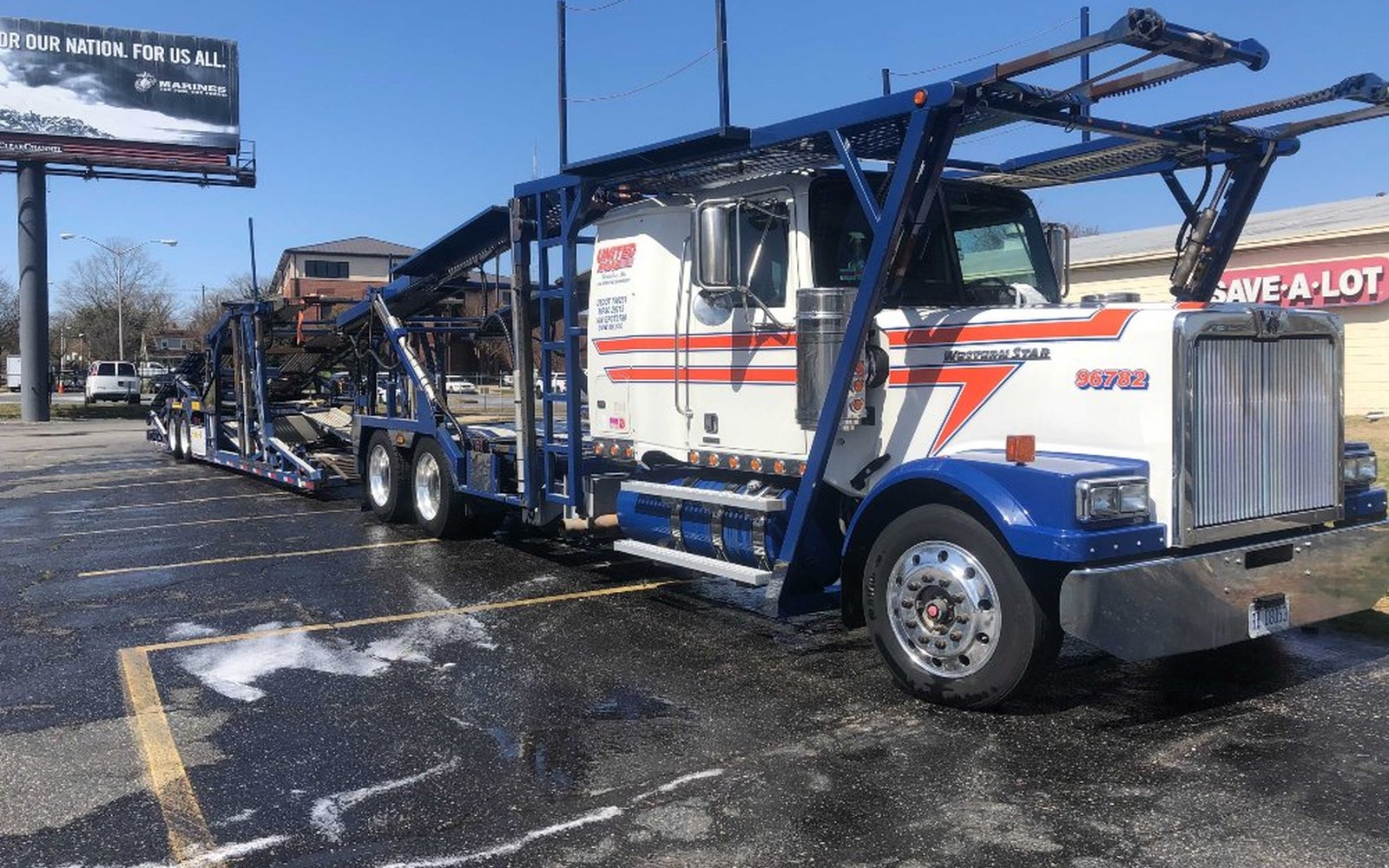
Steel moves Birmingham freight, and it has for a long time. Nucor's Jewett City operations and the U.S. Steel Fairfield Works, alongside the dense cluster of steel service centers and metal distributors in Jones Valley and the Pinson and Trussville industrial parks, generate a consistent stream of flatbed loads that keeps Alabama truckers working. That steel economy is not static. The automotive supply chain feeding Hyundai's Montgomery assembly plant and Mercedes-Benz's Tuscaloosa facility has added a second freight layer designed for just-in-time parts delivery and finished vehicle transport. Construction demand along the I-459 loop and the US-280 corridor into Shelby County adds a third. The result is a Birmingham freight market that rewards operators who can keep iron on the road and penalizes those who lose days waiting on a bank committee to approve a truck purchase.
We finance commercial truck fleets for Birmingham-area operators from $50,000 up. The program covers new trucks from franchised dealers, used equipment from dealers or private sellers, refinancing notes that have become expensive, and sale-leaseback transactions on equipment your business already owns and operates. Flatbed operators moving steel coil, plate, and structural members from the mills and service centers, dump truck contractors hauling aggregate and earthmoving material to Jefferson County construction sites, and box truck or straight truck fleets running regional distribution from Birmingham's warehouse zones all qualify. Fleet financing designed around heavy industrial and freight work closes differently than a generic bank term loan, and that difference matters when a contract start date is three weeks out. Funding typically closes after underwriting, title, and lien documents are complete. Transactions up to roughly $400,000 require application documents only and no tax returns, which removes one of the biggest slowdowns in conventional lending.
What Drives Fleet Demand in Greater Birmingham
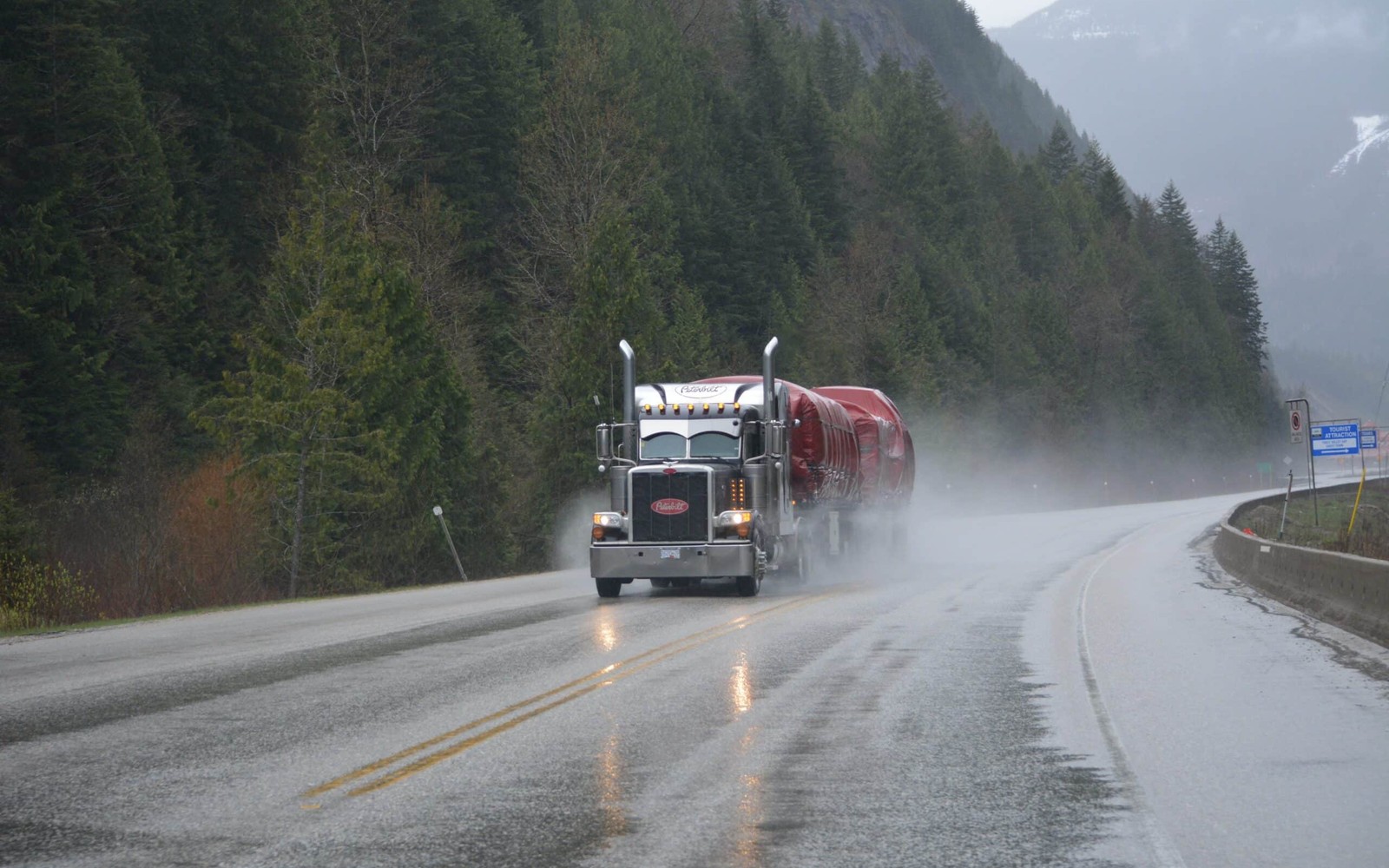
Steel and metals have always defined the Birmingham freight economy, and the current version of that market is more diversified than the old one. Flatbeds moving steel coil from the Nucor facility to roll formers and stampers in the Tennessee Valley, structural steel going to bridge and building projects statewide, plate and bar product running to fabricators in Gadsden and Anniston, and steel pipe heading to the Gulf Coast for energy infrastructure are all regular loads on the Alabama flatbed network. Operators spec'd for that work typically run heavy-duty tractors with spread axle configurations and sufficient tie-down rail for oversized coil and plate. Those trucks, when maintained and documented correctly, carry good residual values that make them solid collateral for fleet notes. Our flatbed truck fleet financing program is designed for exactly that equipment profile.
The automotive supply chain adds a parallel demand stream that runs on a different schedule than steel. Honda suppliers in Lincoln, Mercedes suppliers in the Tuscaloosa corridor, and Hyundai Tier 1 and Tier 2 parts manufacturers spread across Jefferson and Chilton counties generate JIT parts freight on tight delivery windows. Dry van and flatbed carriers running those lanes cannot afford downtime. Operators who service automotive accounts sometimes maintain a tighter replacement cycle than general freight carriers, which means fleet financing transactions recur more frequently. Freight hauling fleet financing that accounts for the automotive cycle is a different conversation than financing a random haul fleet, and we've had it with operators throughout central Alabama.
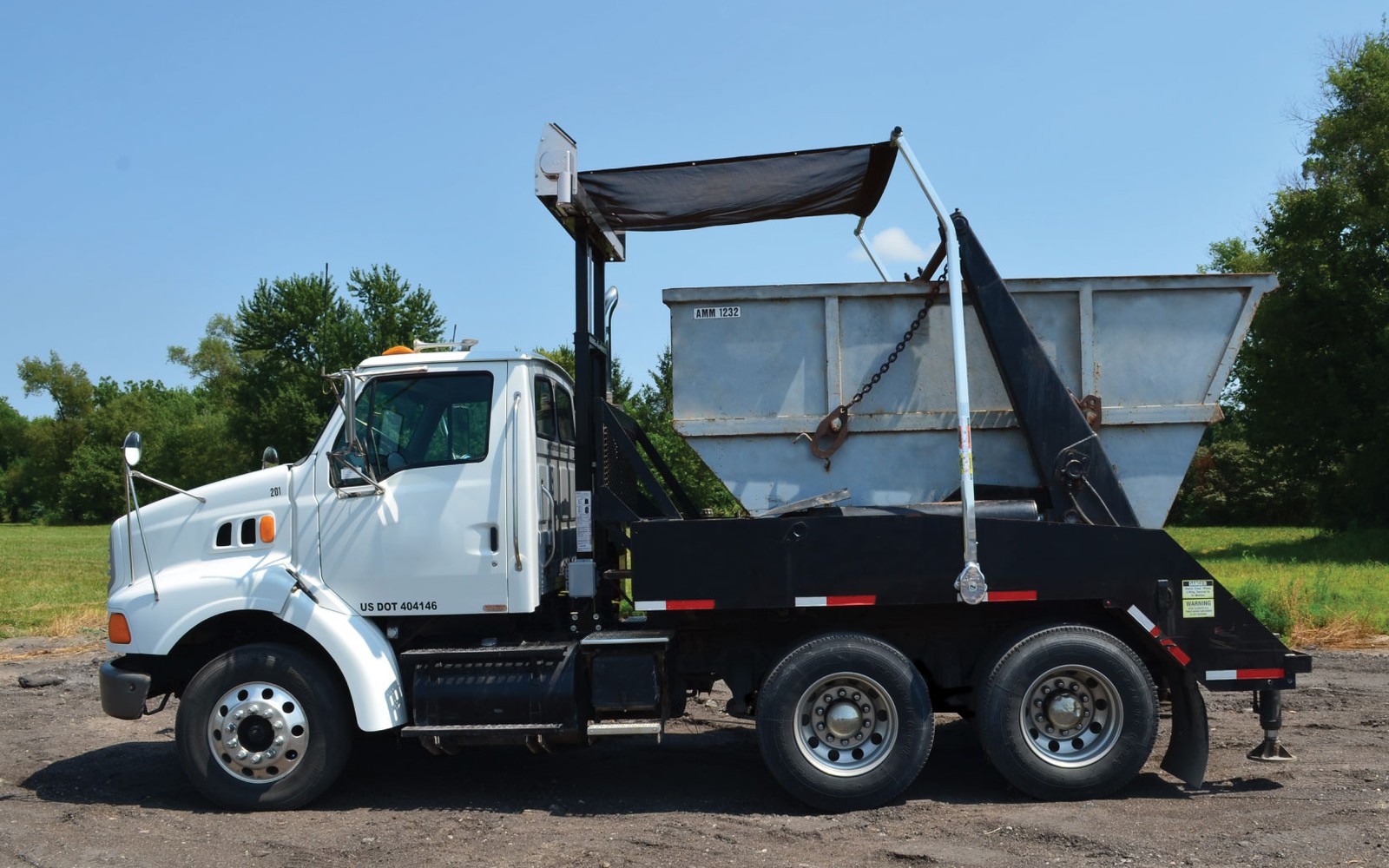
Construction demand in the Birmingham metro runs consistently. The extension of the Red Mountain Expressway, residential development pressure in Hoover, Pelham, and Helena, and commercial and industrial projects in the Colonnade and Grandview Medical Center corridors all generate aggregate, concrete, and earthmoving freight. Dump truck fleet financing for contractors serving those projects is a standard transaction for us, whether the fleet is running aggregate from the Vulcan Materials quarries in the area or hauling fill material from site clearing operations. We also see regular demand from utility contractors maintaining the Alabama Power transmission network and telecom operators running fiber and coax through Jefferson, Shelby, and St. Clair counties. Bucket trucks and utility equipment for those operators fit within the same program parameters as the heavier freight iron.
New Versus Used Equipment in the Birmingham Market
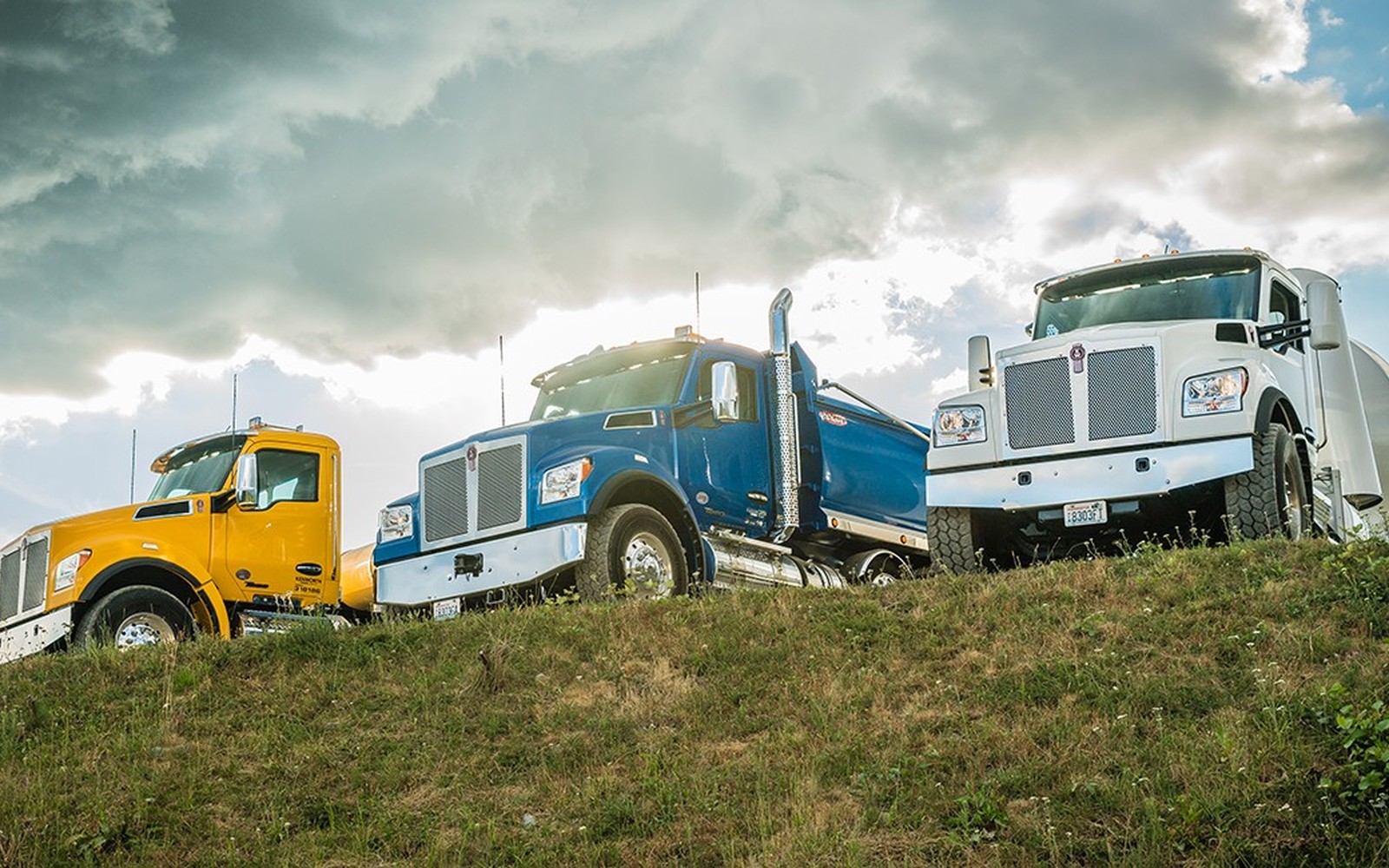
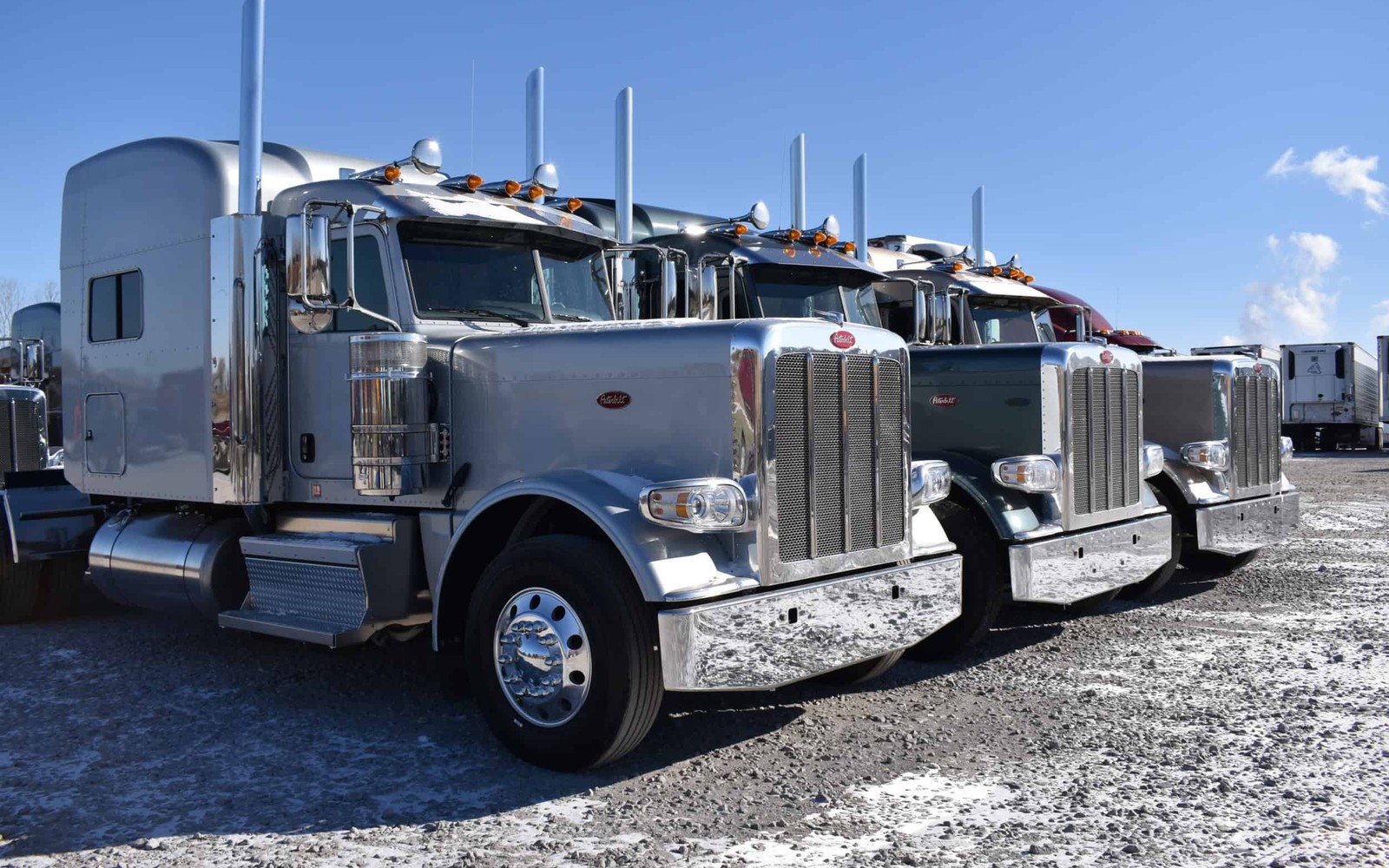
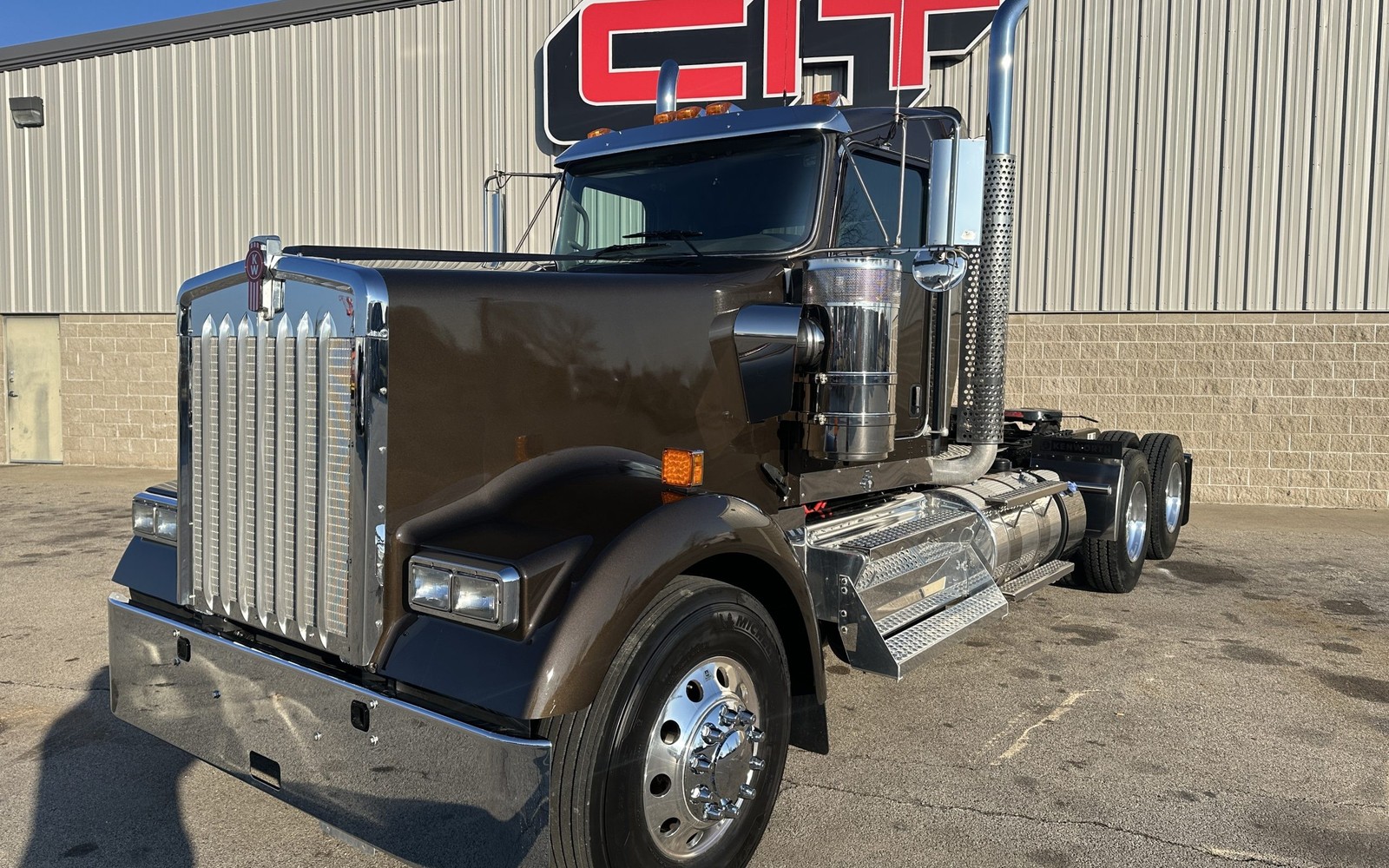
The right call between new and used depends on the freight type, the replacement cycle, and the budget. Steel haulers and construction dump operators tend to lean toward newer units because the cost of downtime in a steel mill delivery contract or a concrete pour schedule is real money. A new Peterbilt or Kenworth on a fixed monthly payment is a more predictable operating cost than an older unit with variable maintenance and a looming overhaul. Operators committed to specific new models can look at our Peterbilt fleet financing or Kenworth fleet financing programs, both of which cover the vocational and over-the-road specs common in Alabama work.
Used equipment makes sense when the budget is tighter, when the unit is a backup or a seasonal addition, or when a well-maintained specific spec truck exists in the used market at a price that leaves real margin in the deal. We finance used trucks purchased from franchised dealers, independent truck dealers, and private parties. The equipment needs a verifiable title and mechanical condition we can assess. Auction purchases are eligible provided the title transfer timeline allows for standard processing. There is no new-versus-used preference on our end. The minimum transaction is $50,000 whether the iron is new or used, and the underwriting looks at the same factors either way: collateral condition, business cash flow, and the operator's overall credit picture.
For operators working through a credit situation, our B and C credit fleet financing program handles files that fall outside standard bank parameters. The underwriting takes a full business view rather than a score cutoff, and it covers both new and used equipment. The key inputs are three months of business bank statements and the equipment details. If those tell a workable story, the file moves forward.
How the Process Works for Birmingham Operators
The application process is straightforward. For transactions up to roughly $400,000, the package starts with the credit form, recent operating statements, and the equipment details including the seller's asking price and any available inspection information. Tax returns are not required at that level, which eliminates the document-gathering delay that slows bank transactions by weeks. For larger transactions, or for operators refinancing a larger fleet, additional documentation will be requested, but the starting point is still compact.
Turnaround from a complete application to a funding decision is typically two to three business days. From approval to funding, most transactions close within seven to ten business days, which puts the total timeline at one to two weeks for a clean file. Operators with a contract start date, a dealer holding a truck on deposit, or a private party seller who needs to close quickly should mention the timeline at the outset. We prioritize files where there is a real deadline attached, and application-only transactions at or under $400,000 give us the most flexibility to move fast. The application-only fleet financing structure is worth reviewing if speed is the primary concern in your transaction.