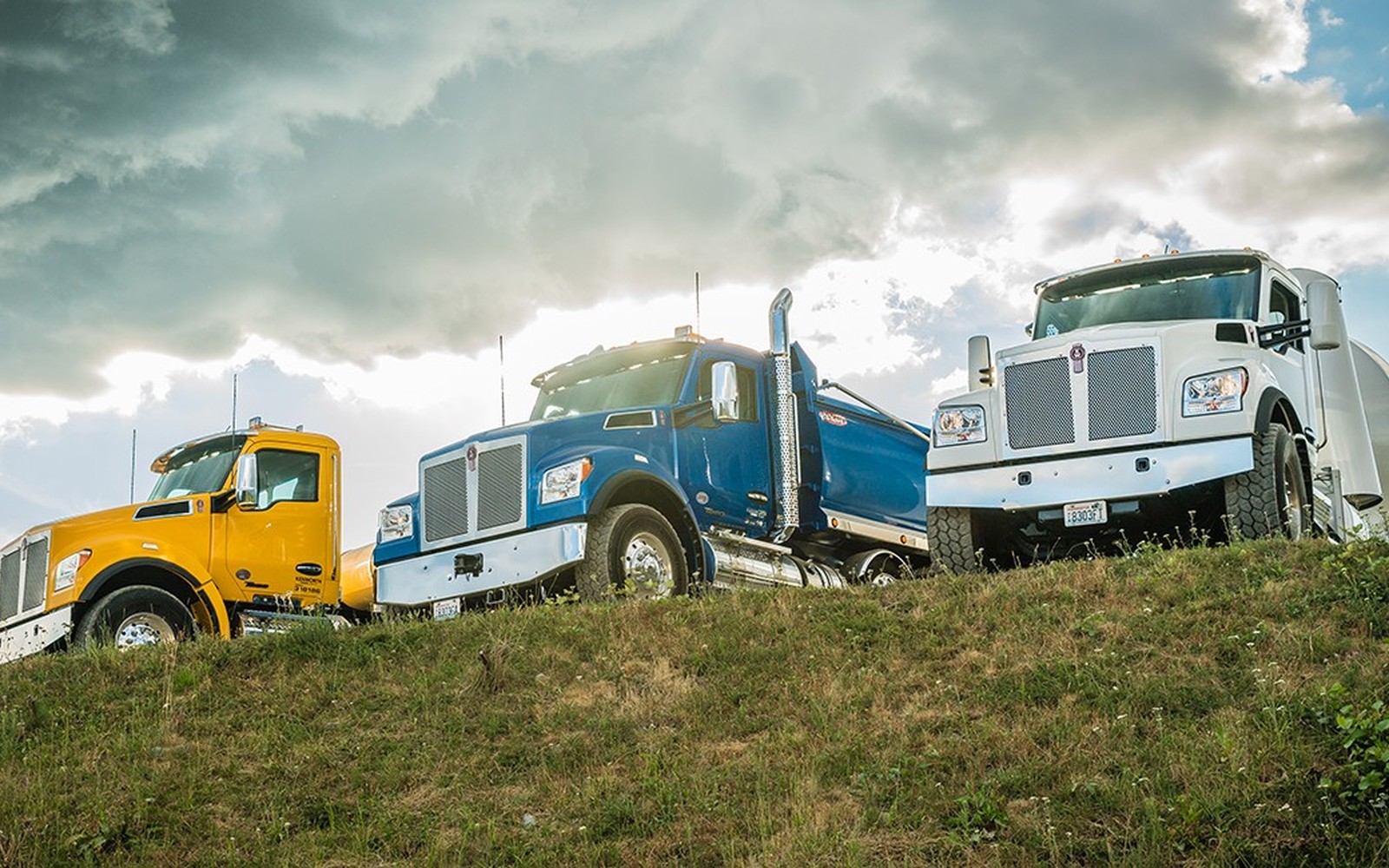
Steel production shaped Cleveland's industrial identity for over a century, and heavy freight is still the circulatory system that keeps Northeast Ohio moving. Ports along Lake Erie handle millions of tons annually, the Cuyahoga Valley carries traffic connecting I-90, I-77, and I-71, and the broad manufacturing base stretching from Euclid to Lorain creates steady demand for flatbeds, straight trucks, and day cabs running regional loops. If one unit goes down, you feel it on the dock. If two go down the same week, you start losing accounts.
We work with fleet operators across the Cleveland metro, from small three-truck contractors in Garfield Heights to multi-unit carriers serving Great Lakes shipping lanes, and the structure is the same: keep the iron earning and manage the capital so replacement cycles do not become emergencies. Our minimum is $50,000 per transaction, with a sweet spot between $100,000 and $150,000 and up, covering new and used equipment. B and C credit are considered. Application-only approval is available up to roughly $400,000, and most deals fund in about one to two weeks.
Whether you are adding capacity to handle a new manufacturing account, refinancing a unit with a high remaining balance, or pulling a sale-leaseback to free up operating capital, we structure around the economics of your routes, not a checkbox formula.
What Drives Freight Demand in the Cleveland Market
Cleveland sits at the crossroads of the Upper Midwest freight grid. The Port of Cleveland on Lake Erie moves iron ore, salt, aggregates, and breakbulk cargo that needs ground transport both inbound and out. The Cuyahoga County manufacturing sector, which includes automotive components, aerospace parts, and polymer processing, generates continuous outbound shipments on flatbed trucks and dry van trailers. I-90 connects the metro directly to Erie, Buffalo, and Toledo, while I-71 south into Columbus and I-77 into Akron and Canton make Cleveland a natural consolidation hub for Ohio freight lanes.
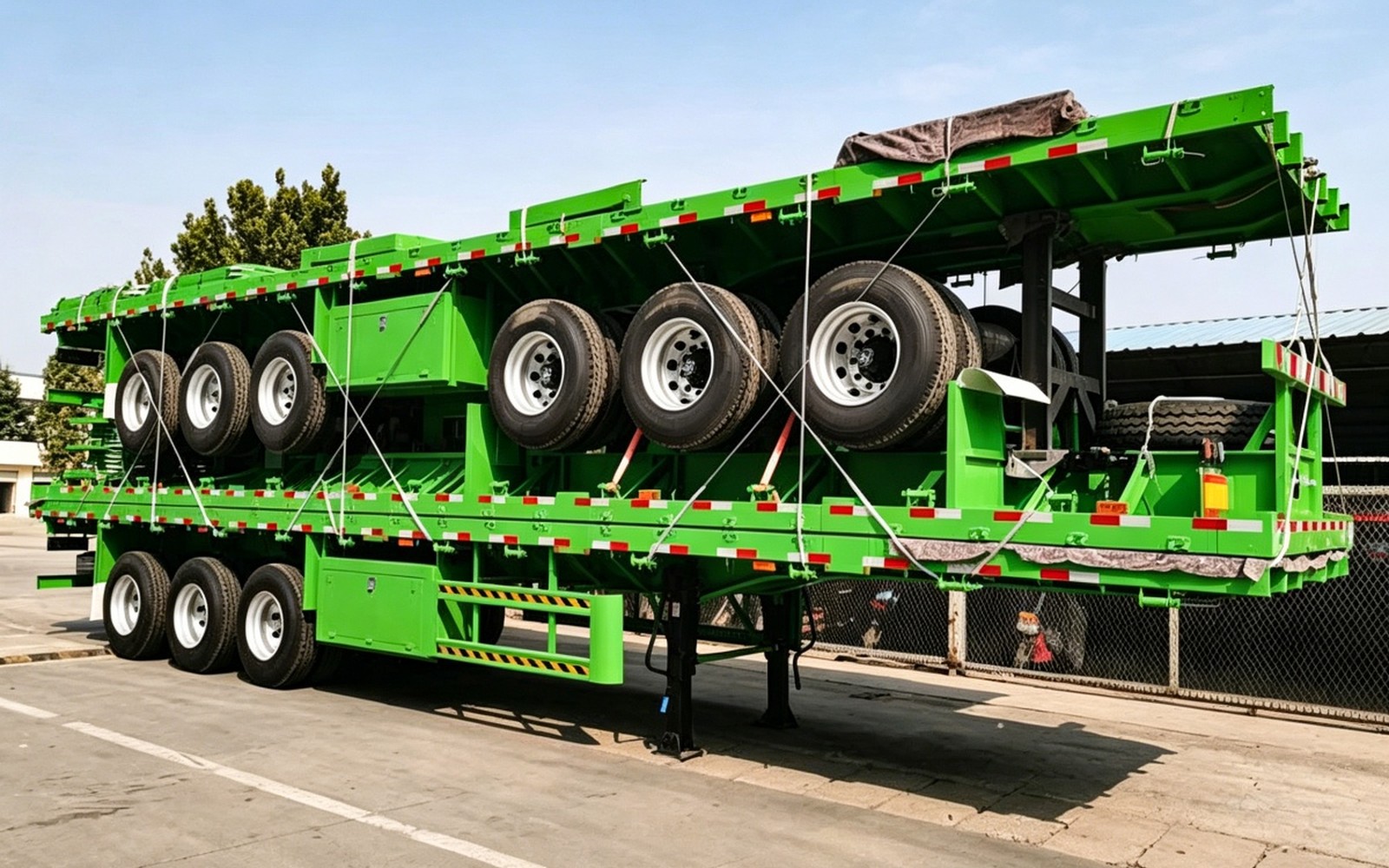
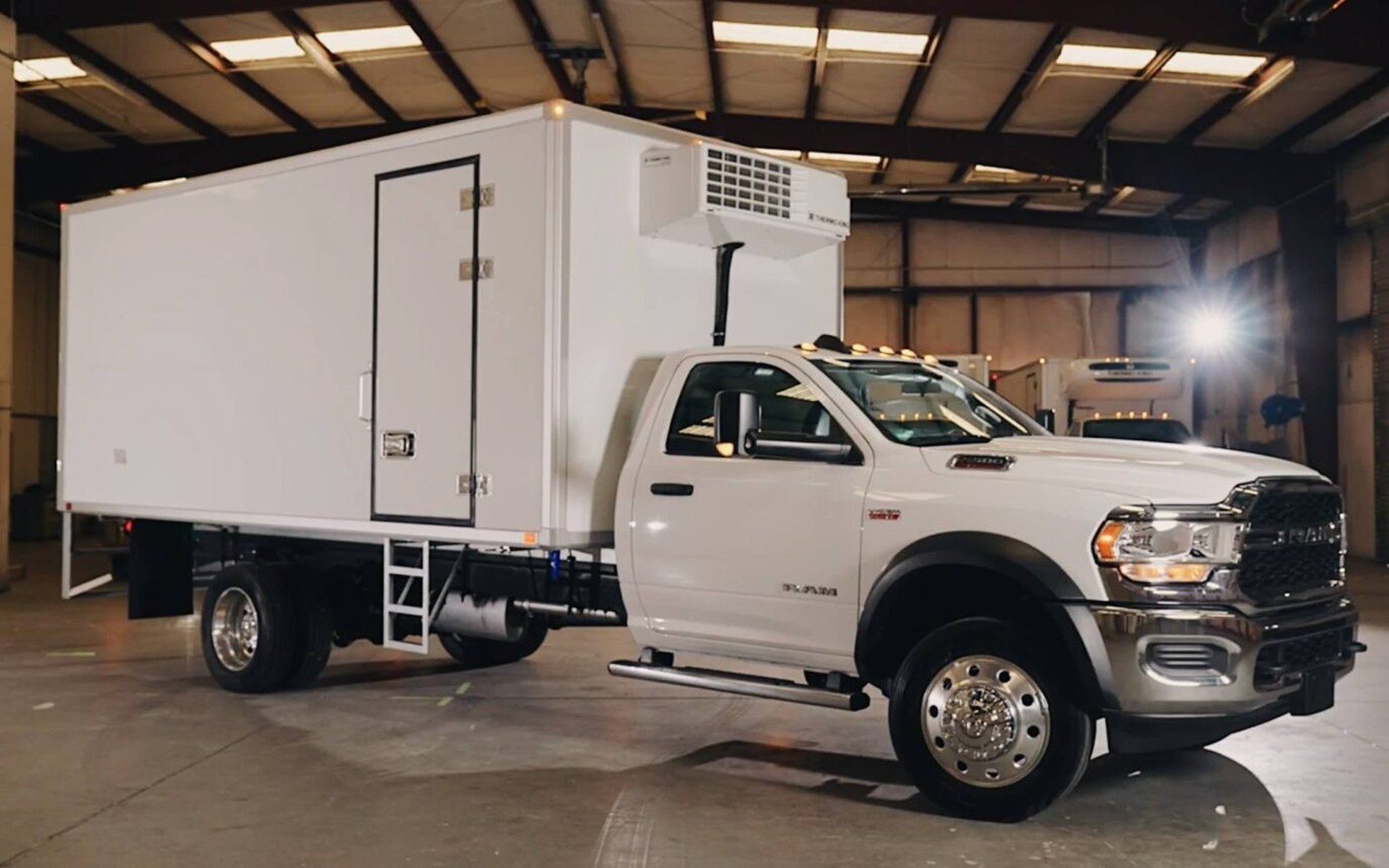
Cold storage and food distribution represent a growing share of the market. The Greater Cleveland Food Bank and several regional grocery distribution centers operate refrigerated corridors that require consistent uptime on refrigerated trucks and reefer trailers. Steel service centers along the Flats still generate heavy plate and coil loads that need proper flatbed or lowboy capacity. Seasonal swings around the Great Lakes can put significant stress on aging fleet units during winter months, which is exactly when downtime costs the most.
Fleet Operators We Work With in Northeast Ohio
The Cleveland operators who get the most out of our programs tend to fall into a few categories.
- Regional freight carriers running lanes between Cleveland, Pittsburgh, Detroit, and Columbus, looking to replace aging units without disrupting cash flow.
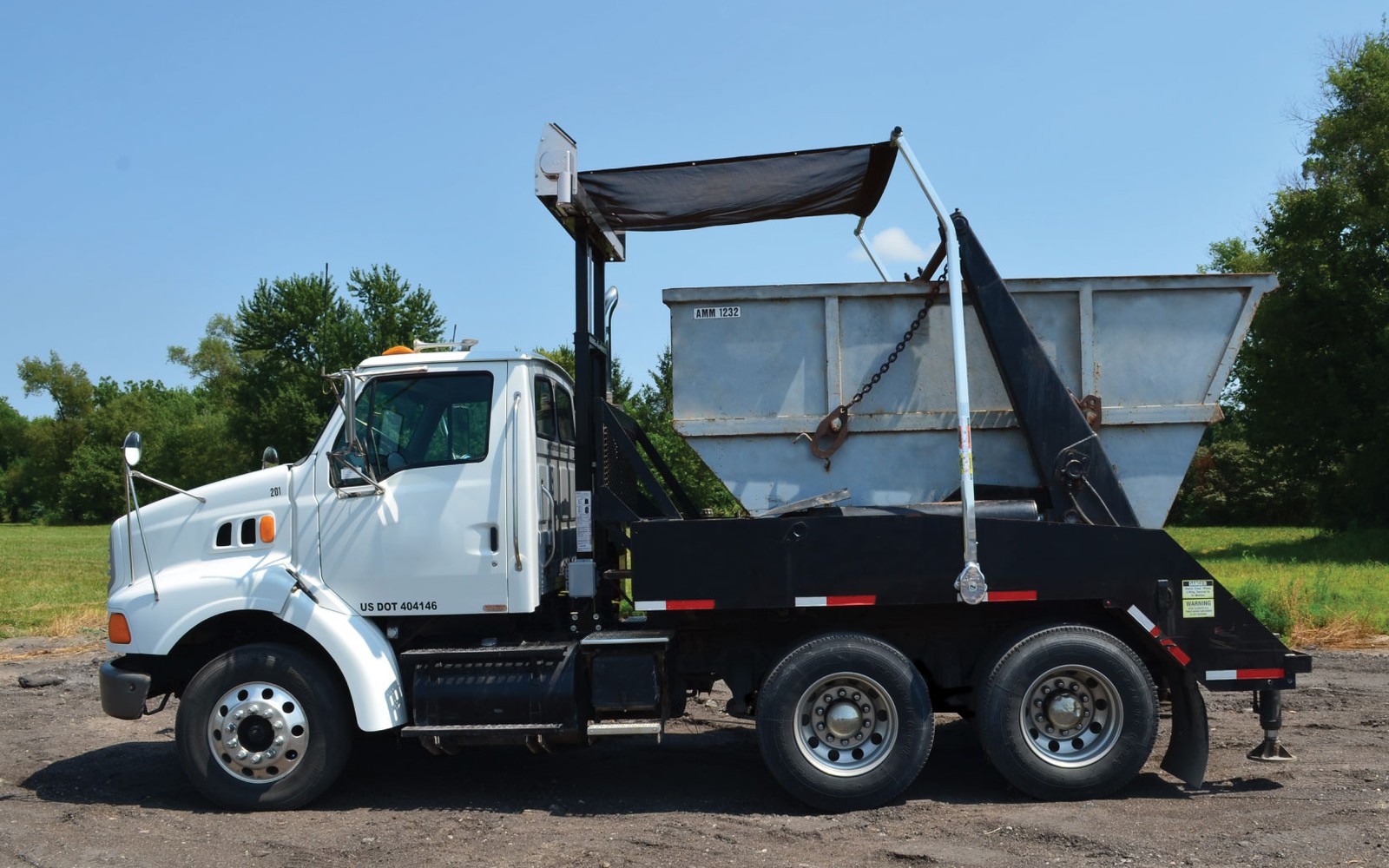
- Construction fleet operators serving the ongoing commercial and infrastructure build-out in Cuyahoga, Lake, and Lorain counties, typically looking at dump trucks, flatbed trucks, and service vehicles.
- Food and beverage distributors moving temperature-controlled product through Northeast Ohio retail and restaurant channels who need refrigerated capacity with reliable uptime.
- Owner-operators expanding to two or three units who have a proven lane and need structured financing rather than a bank loan process that takes 60 days and may still decline.
We do not require perfect credit. Three months of bank statements, basic business documentation, and a clear picture of the equipment spec and use are the core of most application-only deals under $400,000. Longer-term or larger transactions add full financials, but the process stays direct and the decisioning is fast.
How the Financing Process Works
Most Cleveland fleet deals start with a short application covering the business entity, time in business, and the equipment spec you are targeting. For transactions up to roughly $400,000 we typically work application-only, meaning we do not require full tax returns or audited financials to get to a decision. You submit, we underwrite, and you have a term sheet in hand usually within a day or two of a complete file.
Approval to funding typically runs one to two weeks, which matters when a dealer has the unit you want and someone else is ready to buy it. We coordinate directly with dealers, private sellers, or auction houses, and we can structure purchase contracts, title work, and lien filing without you chasing paperwork across multiple parties.
Structures available include straight equipment loans, TRAC leases for operators who want a known residual option at term end, and dollar buyout leases for those who want clean ownership at payoff. Refinancing an existing unit with a high-rate or short-remaining-term note is also straightforward, as is a Fleet Sale-Leaseback on owned iron you need to convert to working capital.
Structuring Terms Around Your Fleet Economics
Fleet economics in Cleveland do not look the same across every operator. A five-unit regional carrier with a manufacturer account and predictable receivables has very different capital needs than a two-unit dump truck operator working construction contracts with milestone billing. We structure terms to match the cash flow pattern of the business rather than applying a single template.
For operators with solid payment history and established time in business, terms on class 8 equipment typically run 48 to 84 months. Shorter terms carry lower total interest cost; longer terms preserve monthly cash flow. For used equipment, useful life is a real factor in setting the term, since a unit with 400,000 miles at purchase is not the right candidate for an 84-month note. We discuss that honestly at the start rather than approving a deal that creates a problem two years in.
Operators considering Section 179 deductions for equipment placed in service during the tax year should coordinate with their CPA before committing to structure, since the choice between a loan and certain lease types affects how the deduction applies. We can provide the documentation your tax advisor needs to run that analysis.