Detroit's freight economy runs on the automotive supply chain, but any fleet operator in the metro knows the lanes extend well beyond assembly plants. Wayne, Oakland, and Macomb counties generate outbound shipments of finished vehicles, stampings, powertrain components, and aftermarket parts that move by flatbed, dry van, and specialized carrier. The Ambassador Bridge and the Michigan Central corridor make Detroit one of the busiest cross-border freight crossings between the US and Canada. When your fleet is running strong, those lanes are profitable. When iron starts aging out and downtime climbs, the margin disappears fast.
We finance truck fleets across the Detroit metro, structuring loans and leases for carriers of all sizes, from a two-unit parts supplier in Sterling Heights to a regional freight operation serving multiple auto OEM accounts. The program starts at $50,000 per transaction, with most deals landing between $100,000 and $150,000 and up. New and used equipment both qualify. B and C credit are considered. Application-only processing is available up to roughly $400,000, and deals typically fund within one to two weeks of a complete file.
Detroit's Fleet Freight Landscape
The automotive supply chain is the dominant force in Detroit-area trucking, but the full freight picture is broader than the assembly line suggests. Tier 1 and Tier 2 auto suppliers in the surrounding counties rely heavily on just-in-time delivery windows that punish downtime. A single truck sitting in the shop during a production run can trigger a line stoppage call, which is exactly the kind of event that ends supplier contracts.
Beyond automotive, the Detroit metro hosts significant food distribution infrastructure serving Michigan and Ohio retail chains, large construction activity tied to infrastructure renewal projects, and Great Lakes industrial shipping that generates freight movement through the Port of Detroit. The I-75, I-94, and I-96 corridors carry dense commercial traffic, and the Ambassador Bridge handles substantial cross-border volume connecting to Windsor and the broader Canadian distribution network.
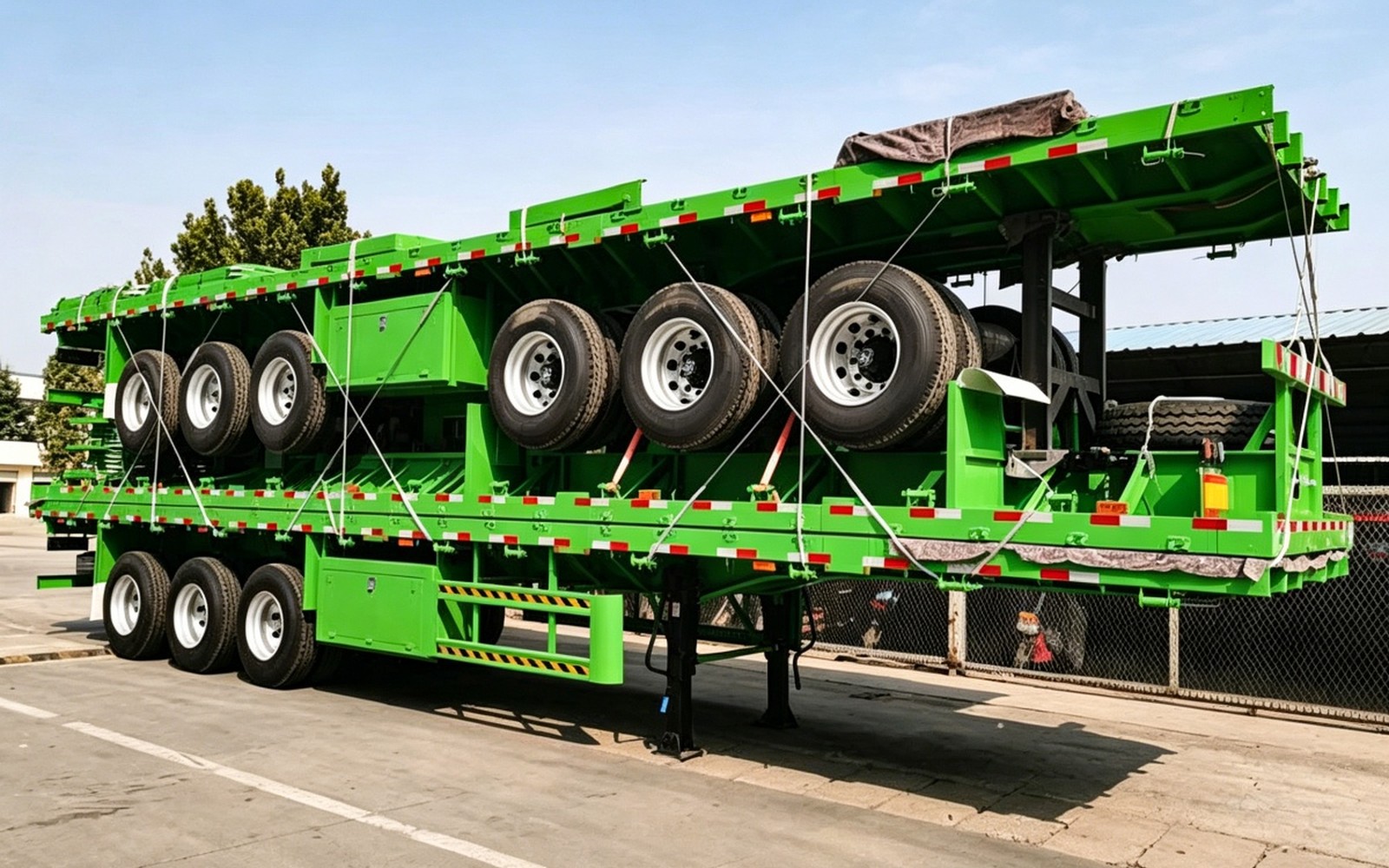
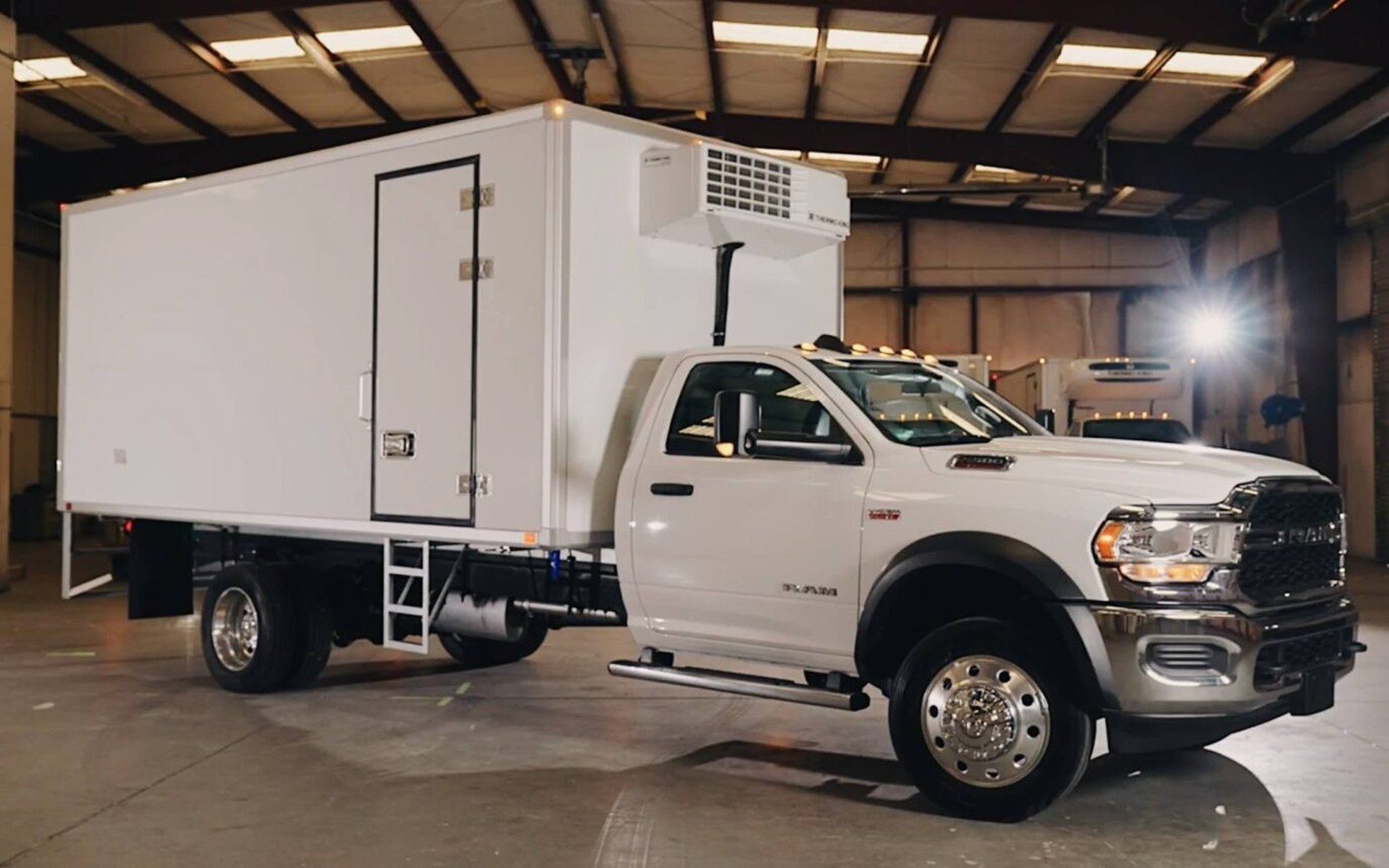
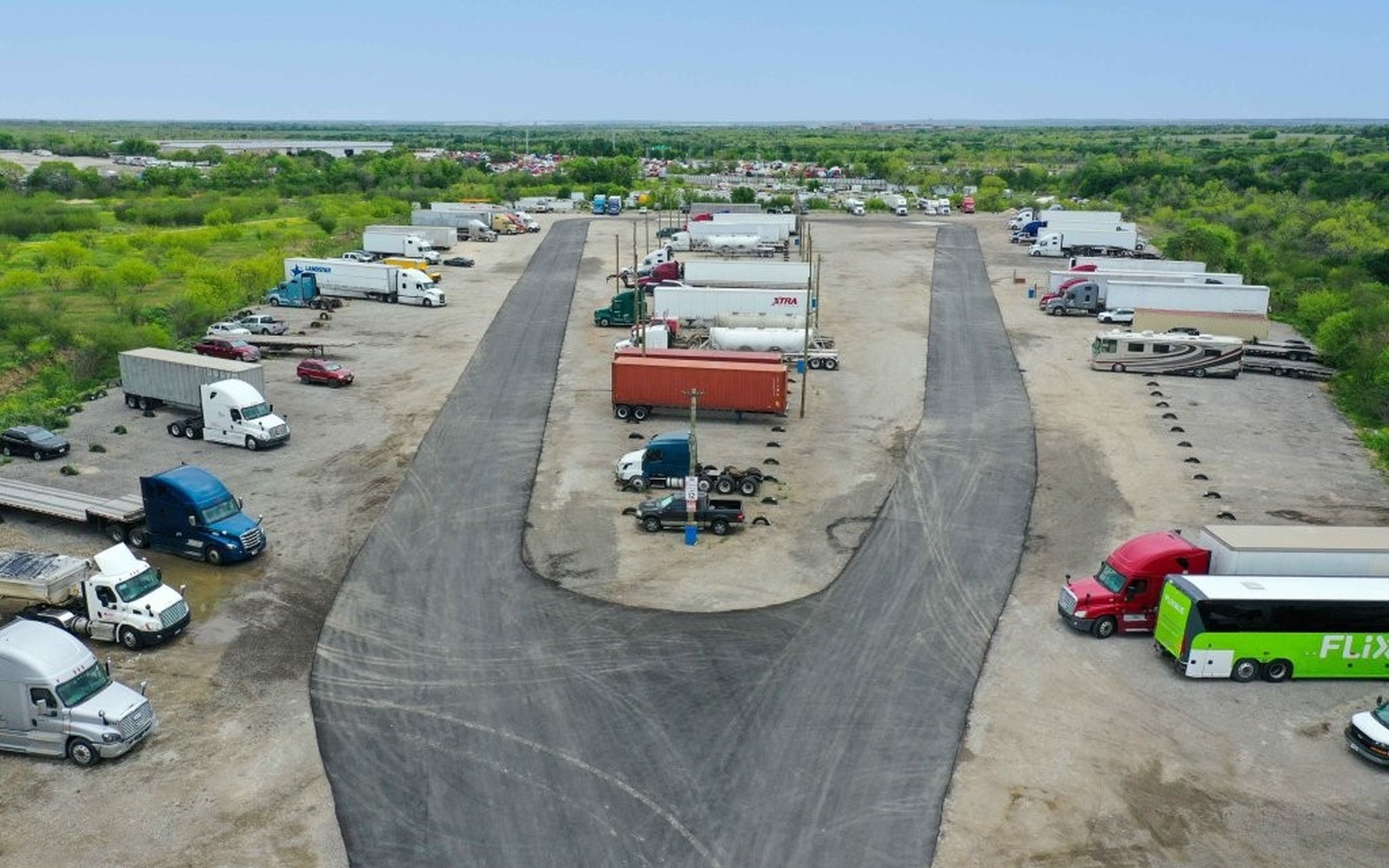
Operators running flatbed trucks for steel and automotive parts, dry van trailers for consumer goods, and refrigerated trucks for food distribution all face the same operational reality: aging iron is a cost center, not an asset. Our financing is designed to make the replacement cycle manageable without creating a cash-flow squeeze that disrupts operations during the transition.
Equipment That Moves Through Our Program
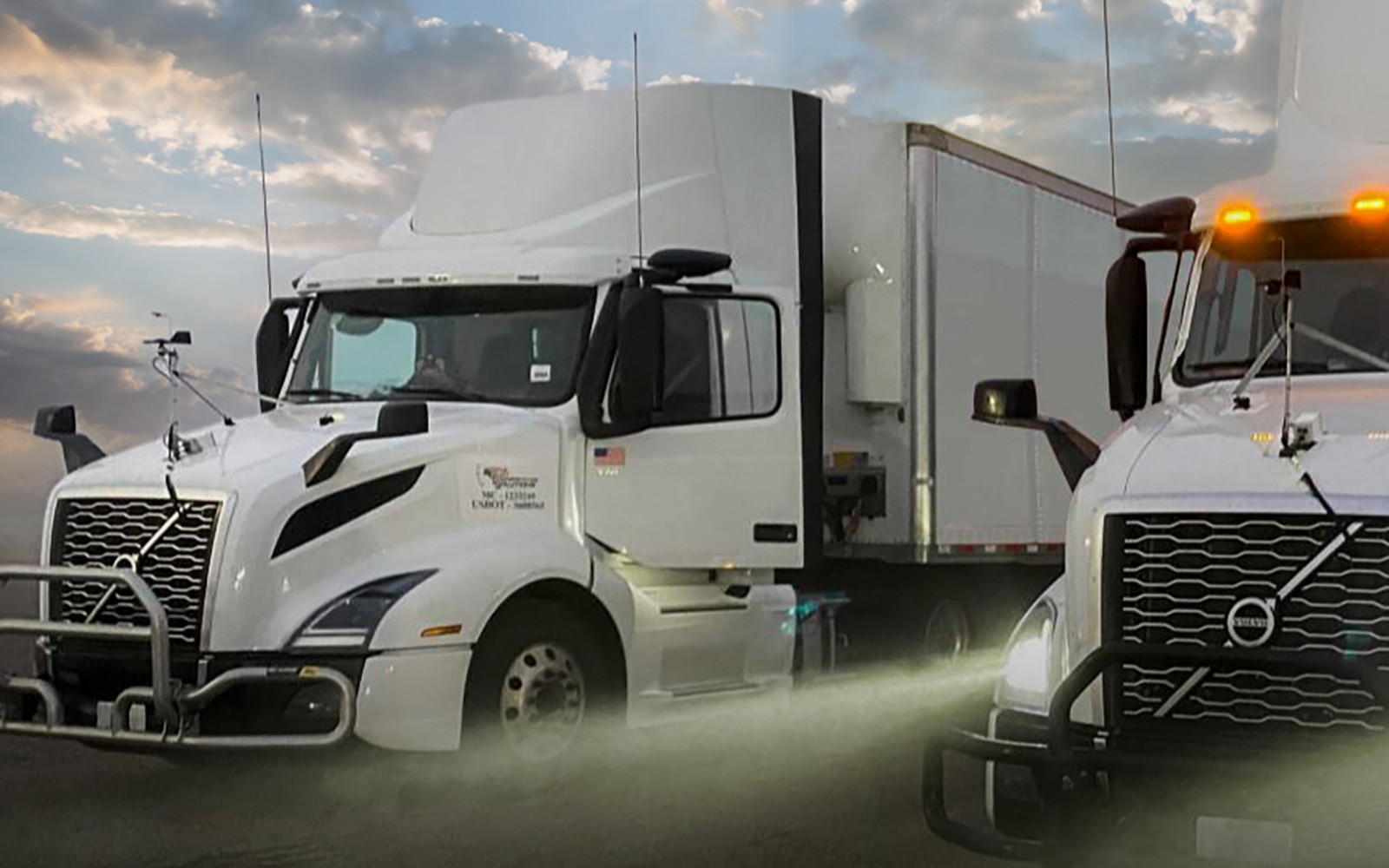
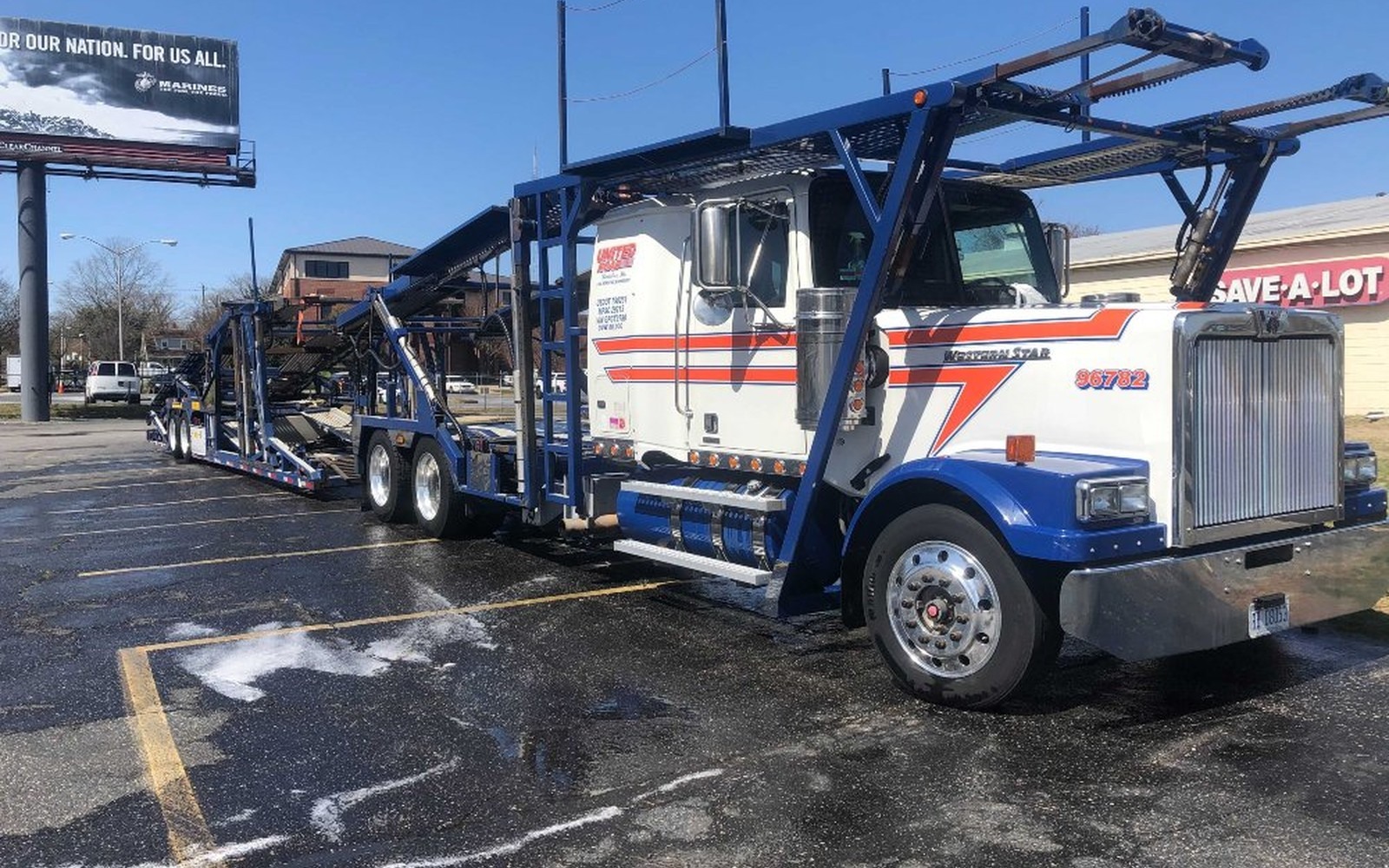
The range of equipment we finance reflects the diversity of Detroit-area fleet operations. Class 8 sleepers and day cabs dominate OTR and regional lanes, respectively. Day cab tractors are the workhorse for intra-Michigan routes and cross-border runs where a return trip is the same day. Sleepers appear on longer corridors into Ohio, Illinois, and Pennsylvania.
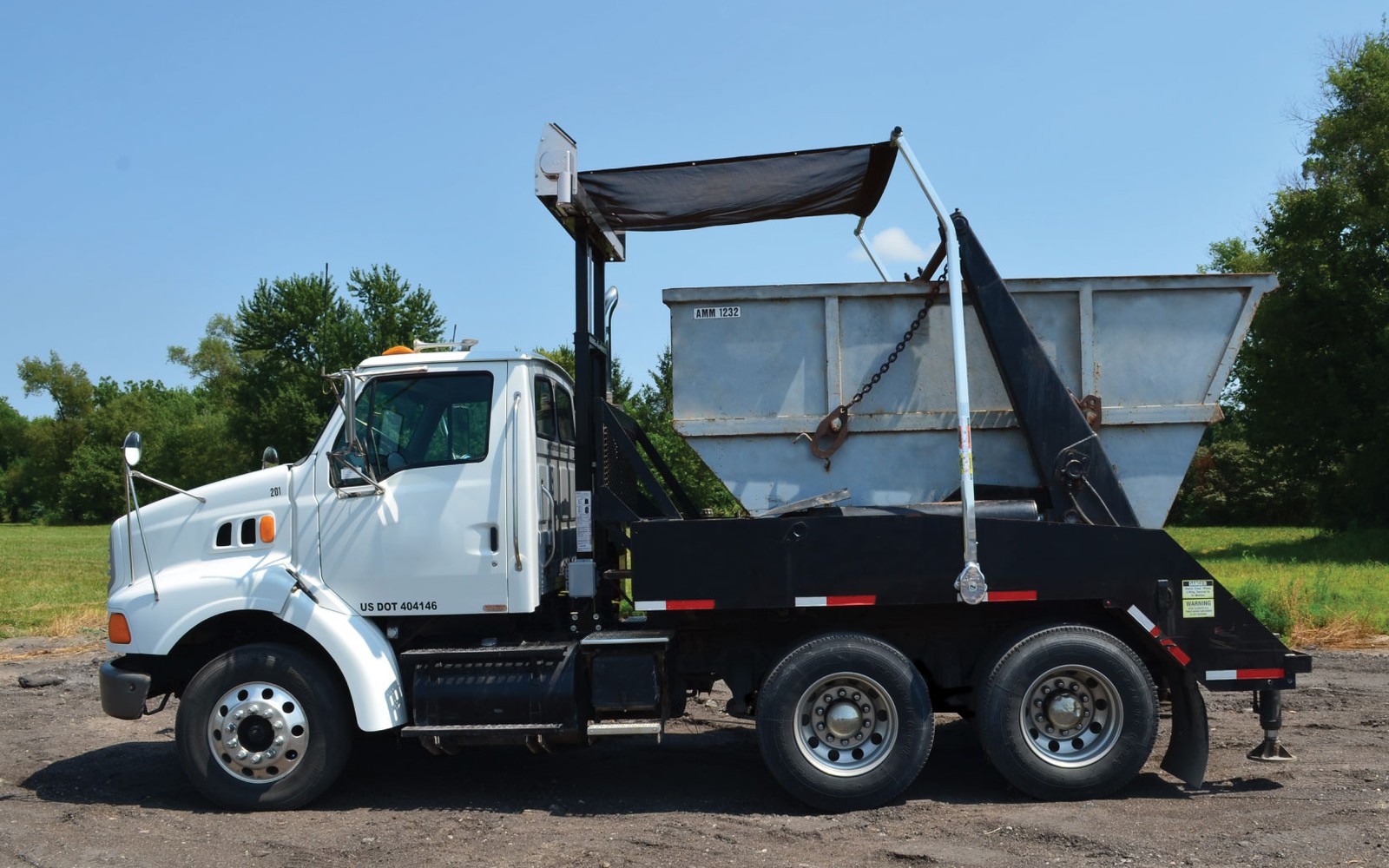
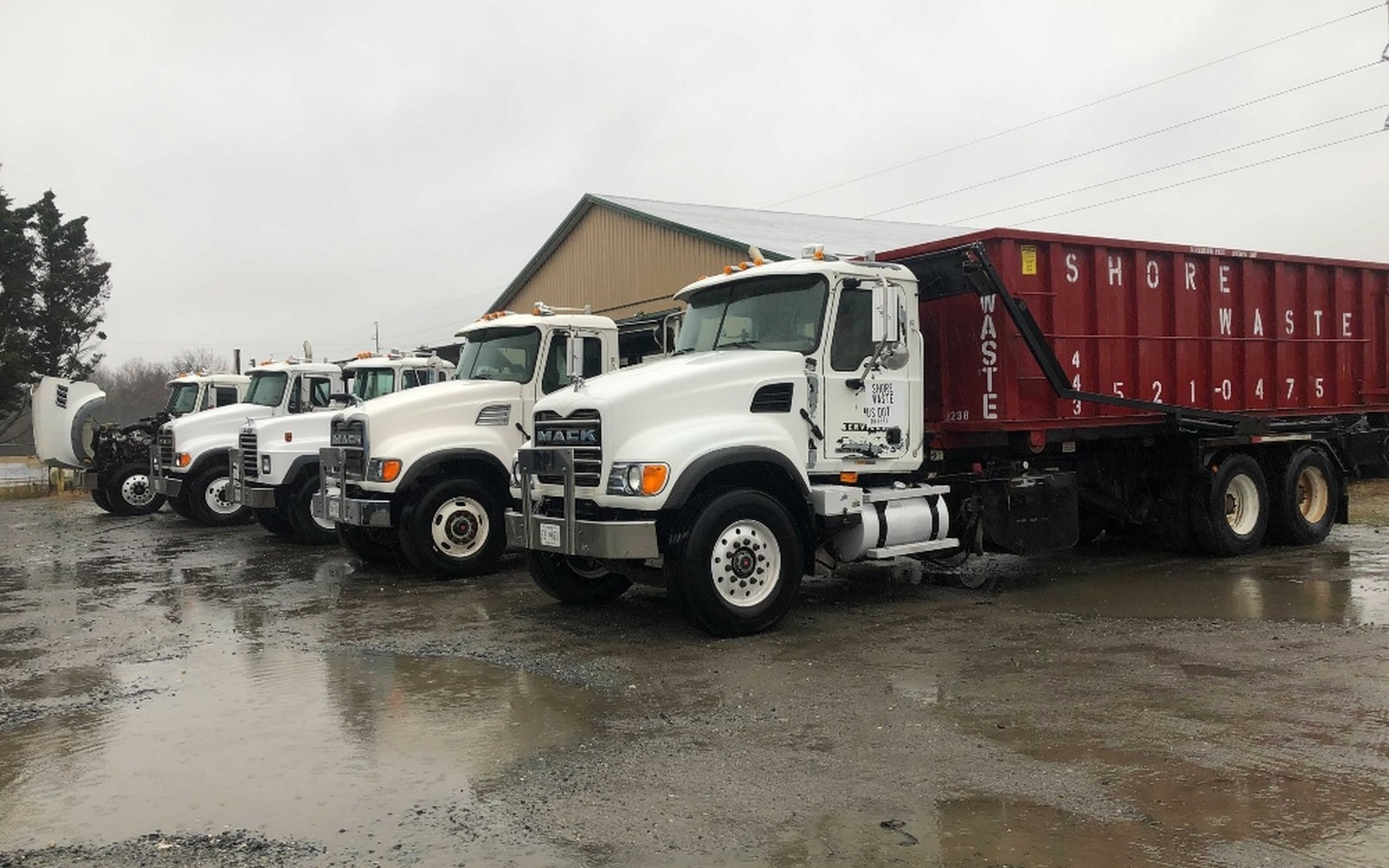
Vocational equipment also moves through our program regularly. Dump trucks serving road construction and site work in Oakland and Wayne counties, service trucks supporting utility and infrastructure contractors, and crane trucks handling heavy lifts at manufacturing facilities all qualify. If the unit earns revenue for your business and carries a title, it can typically be financed.
For operators who are adding to an existing fleet, we can structure multi-unit transactions on a single application, consolidating underwriting and simplifying the documentation process. Dealers and private sellers both work within our process, and we have handled transactions sourced from commercial auctions as well.
Refinancing and Sale-Leaseback Options
Many Detroit fleet operators come to us not to buy new equipment but to restructure existing iron. A unit you purchased two or three years ago at a high rate, or one you own free and clear that is tying up equity you need for operations, can be restructured to improve your monthly cash position.
A fleet refinance replaces your existing note with a new structure, potentially lowering your monthly payment or extending the term to free up cash. If rates have moved or your credit profile has improved since the original purchase, refinancing can meaningfully reduce your cost-per-unit over the remaining useful life of the equipment.
A Fleet Sale-Leaseback converts equity in owned trucks into working capital immediately. You transfer title to a lender, receive the appraised value as cash, and continue operating the same unit under a structured lease payment. For operators who need liquidity without taking on additional debt tied to a new purchase, this structure makes sense. We also offer a cash-out truck refinance for operators who want to extract equity from units that still carry a balance.
Credit Situations We Work With
The Michigan auto industry created boom-and-bust cycles that affected small carriers and suppliers alike. Business credit that took a hit during a slow period, a previous note that ran into trouble, or a personal credit score that does not reflect current operating strength are all situations we work through regularly. B and C credit programs exist for exactly this reason, and we do not pre-screen based on a single metric.
For application-only deals up to roughly $400,000, the documentation is minimal: basic business information, three months of bank statements, the equipment spec, and a short application. Larger transactions or more complex structures add full financial statements, but the turnaround from a complete file to a decision is still measured in days, not weeks. If your situation has nuance, bring it. We have seen most scenarios and can usually find a structure that works.
Operators who are new to fleet financing, including those exploring startup fleet financing for a recently established business, can also qualify depending on the strength of the individual application and the equipment in question.