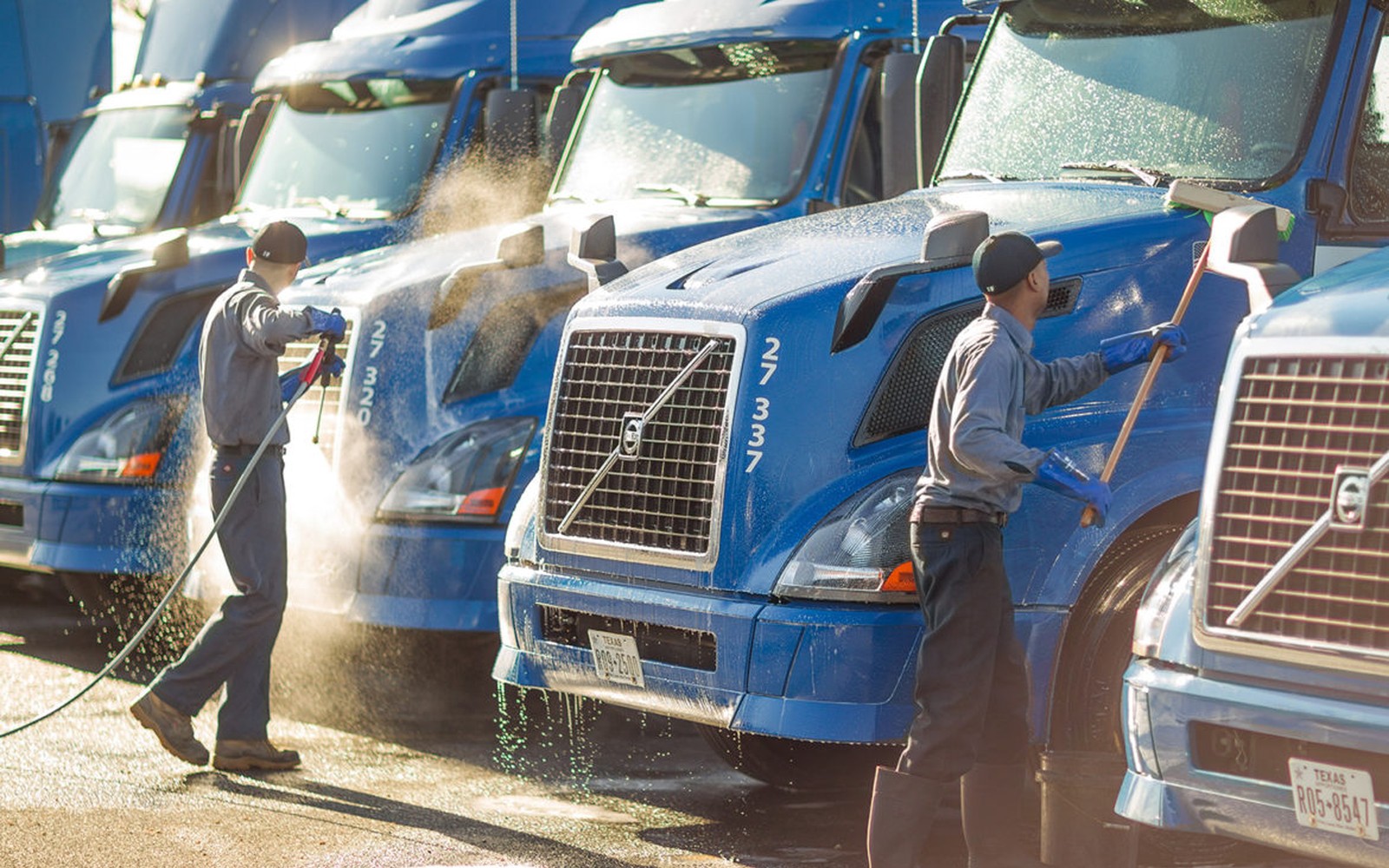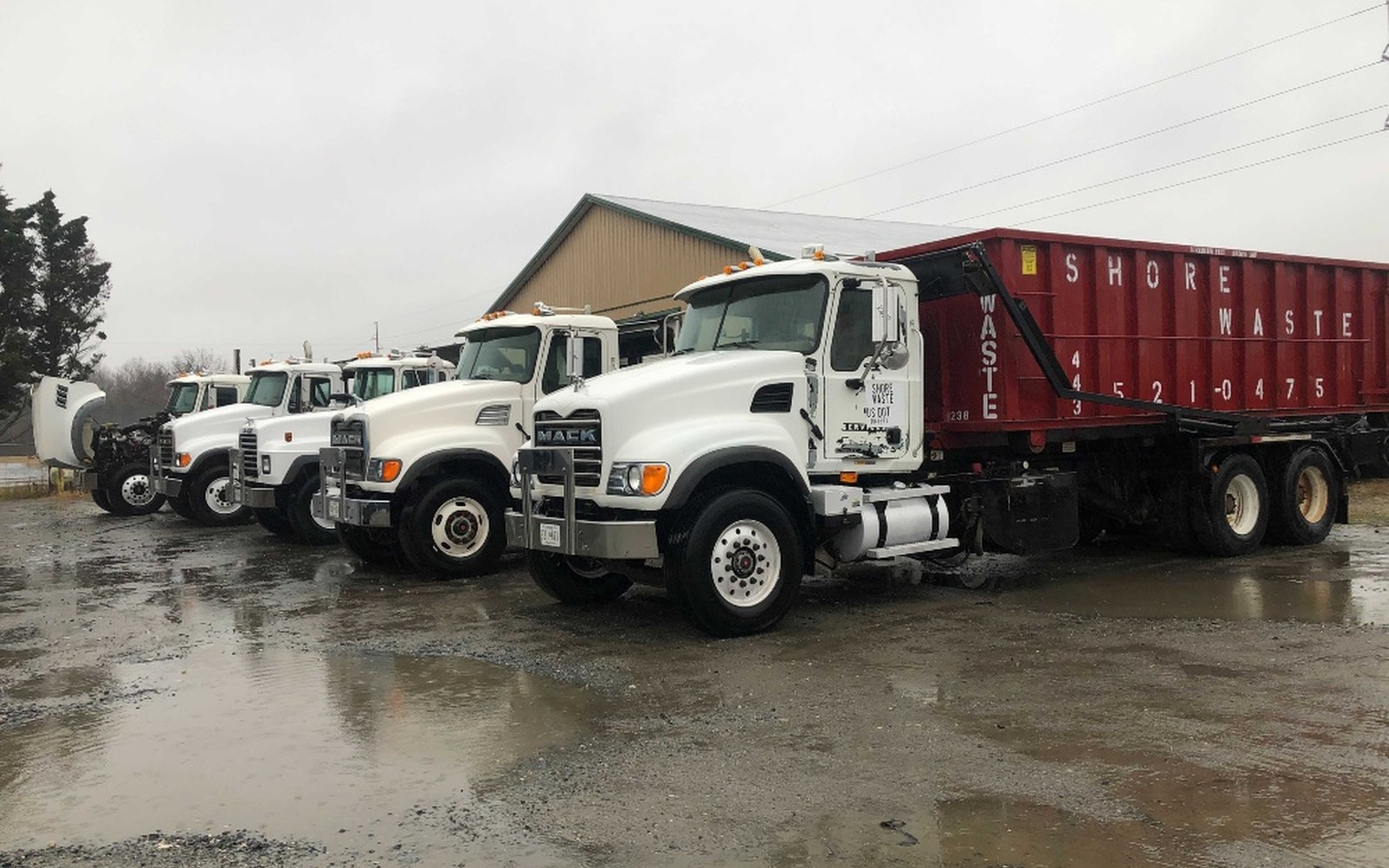
Harrisburg's highway intersection is not accidental. The Pennsylvania Turnpike (I-76) runs east-west through the metro while I-81 slices north-south from New York state through the Shenandoah Valley into Tennessee. That cross-axis makes Harrisburg one of the most significant truck crossover points on the entire East Coast, and the fleet operators based here see a range of freight assignments that few single-market carriers can match. Regional runs to Philadelphia, Pittsburgh, Baltimore, and New York come out of the same terminal.
We work with Harrisburg-area fleets across all those freight types. Minimum deal size is $50,000, the typical transaction lands in the $100,000 to $150,000 per-unit range, and application-only approval handles most requests under roughly $400,000. Funding closes in about one to two weeks. B and C credit gets evaluated on the full business picture, not just the score.
Harrisburg's Position on the East Coast Freight Map
The I-81 corridor through Harrisburg has become one of the most concentrated freight corridors in the Northeast because the land costs along that stretch are lower than the I-95 coastal corridor, making it a natural location for large distribution centers. Amazon, FedEx, UPS, and numerous retail and e-commerce shippers have built major fulfillment and distribution facilities along I-81 in the Cumberland Valley from Carlisle south through Chambersburg. The net effect is a dense cluster of distribution activity that feeds fleets of box trucks and straight trucks doing last-mile and regional delivery, plus day cab tractors handling facility-to-facility line haul moves between buildings in the same corridor.
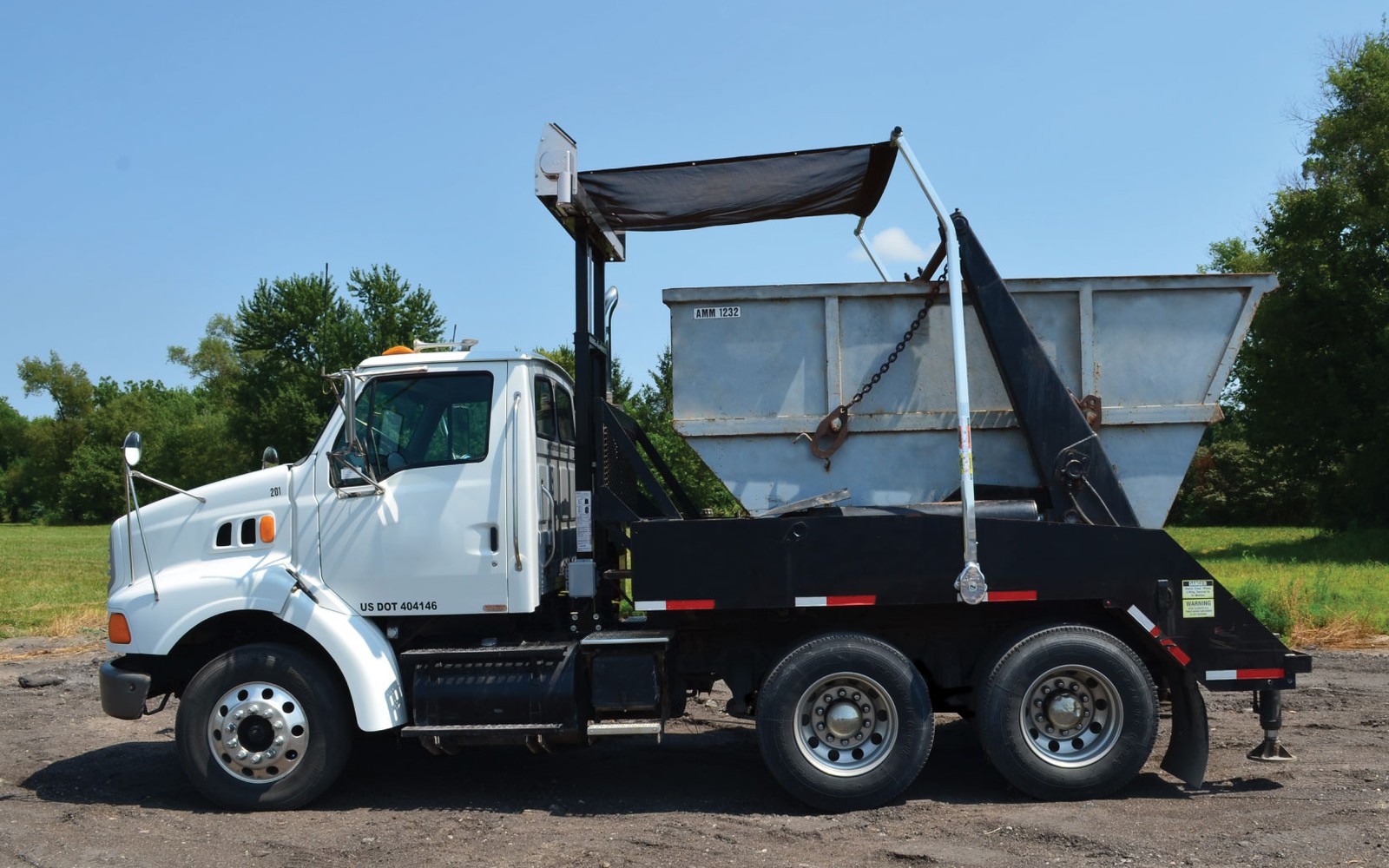
Steel, manufacturing, and agriculture also contribute to Harrisburg's freight base. Flatbed trucks serve the steel service centers and fabricators in the Lebanon and Bethlehem corridors, while agricultural haulers run grain, feed, and equipment throughout the Cumberland Valley's active farming areas. This variety means a single Harrisburg-based fleet often runs different equipment categories simultaneously, and financing needs to accommodate that mixed spec reality.
Equipment Common to the Harrisburg Market
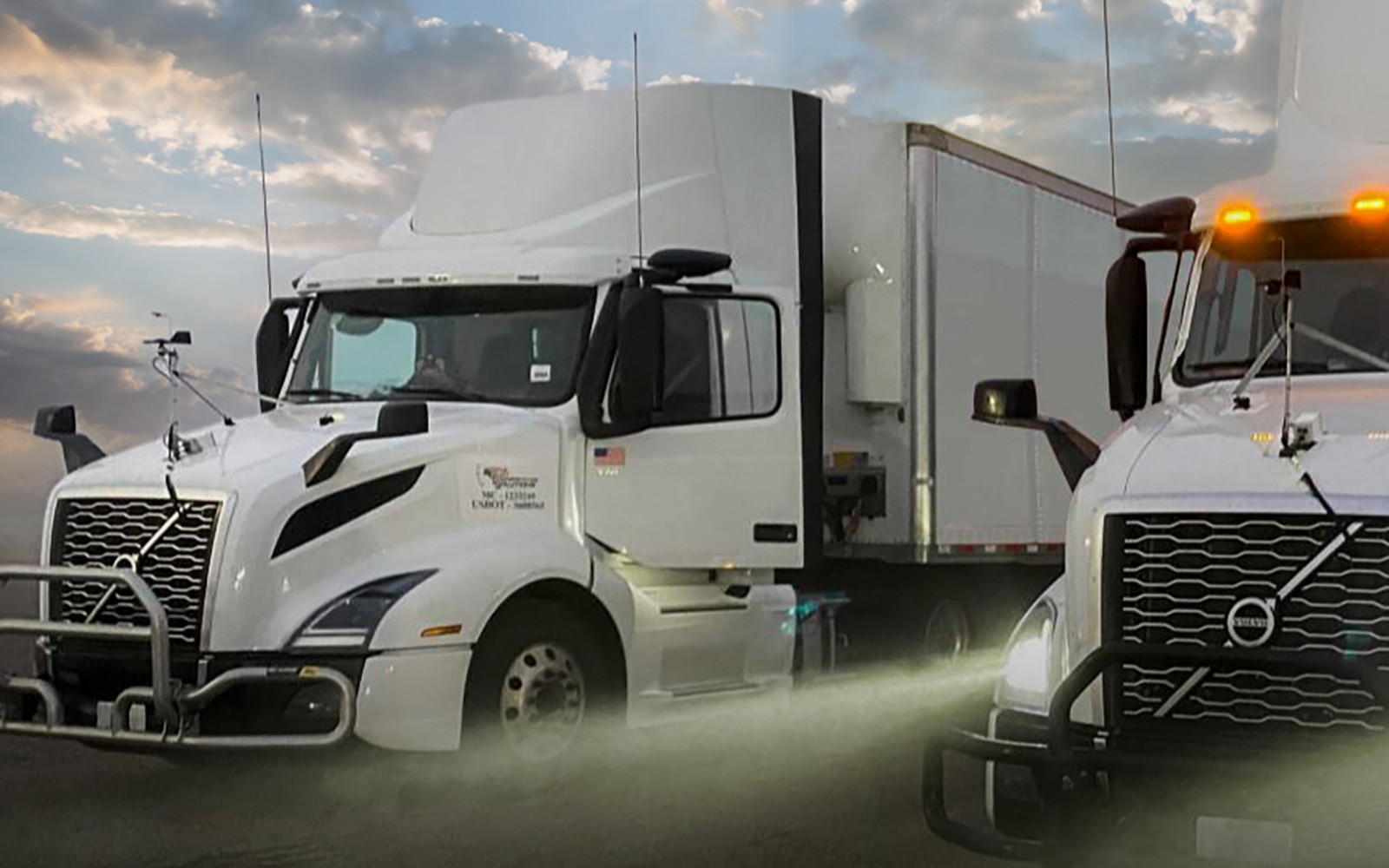
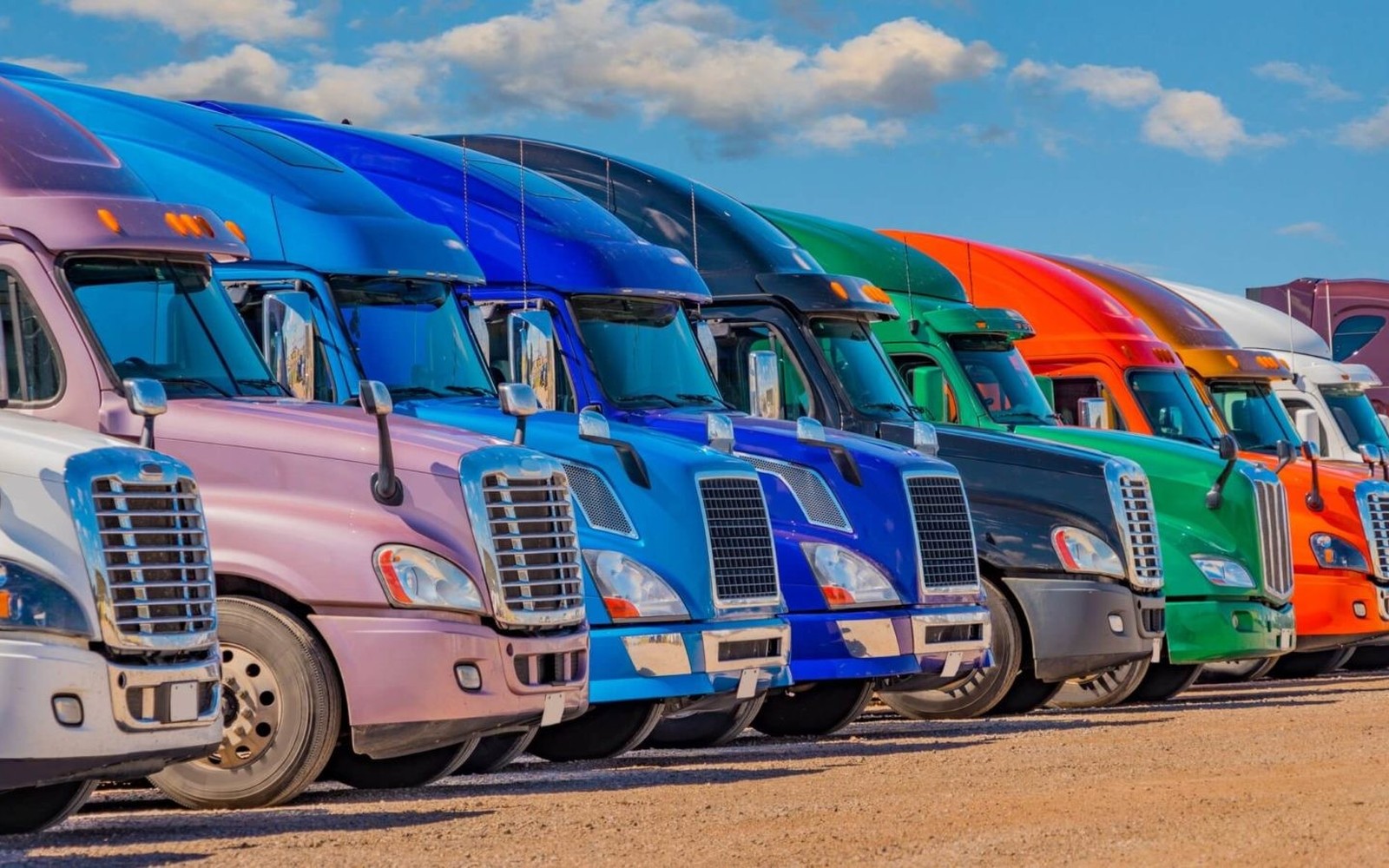
The most common equipment request we see from Harrisburg operators is for sleeper tractors doing long-haul runs down I-81 toward Tennessee and the Southeast, or cross-country I-76 runs to Pittsburgh and beyond. Freightliner Cascadias and Kenworth T680s dominate those lanes because of fuel efficiency and driver acceptance. Both are readily financeable, new or used, and used units in the 400,000 to 700,000 mile range with documented maintenance history are common in this market.
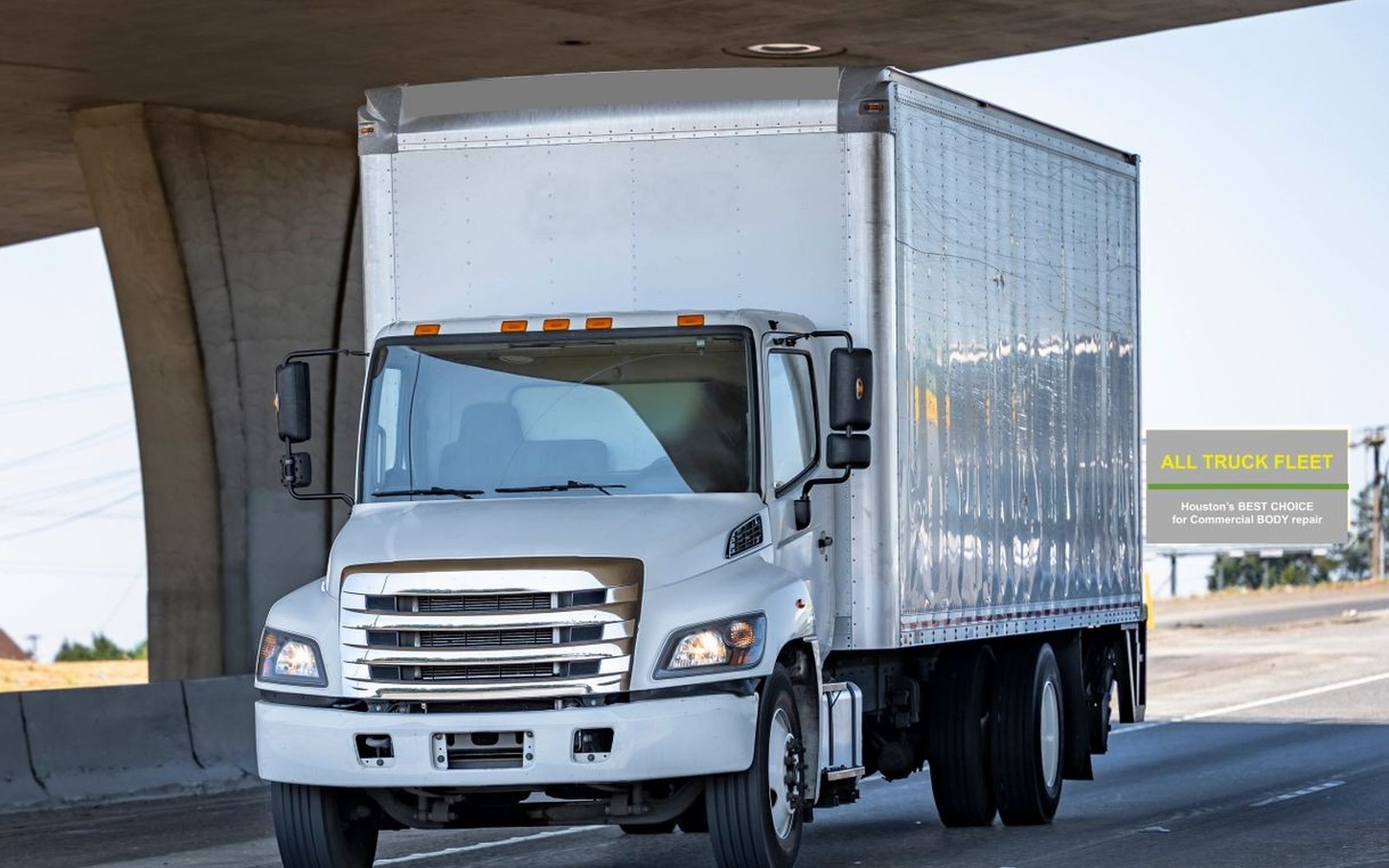
Day cabs serving the I-81 distribution corridor are the second most common request, often in groups of three to six units as operators scale up to match new distribution contracts. These tend to be simpler transactions per unit, but the multi-unit structure requires a lender comfortable handling fleet packages rather than individual retail transactions.
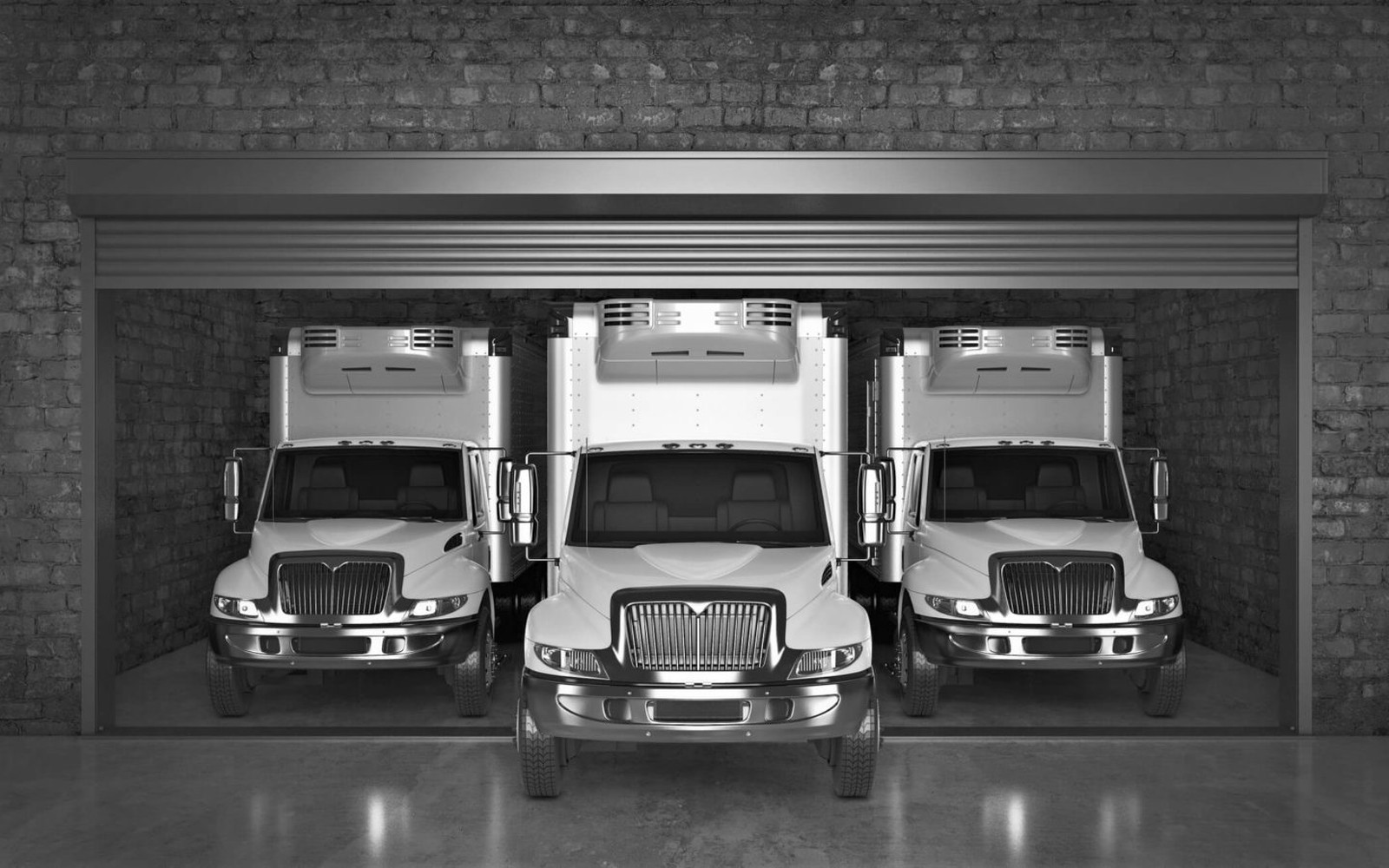
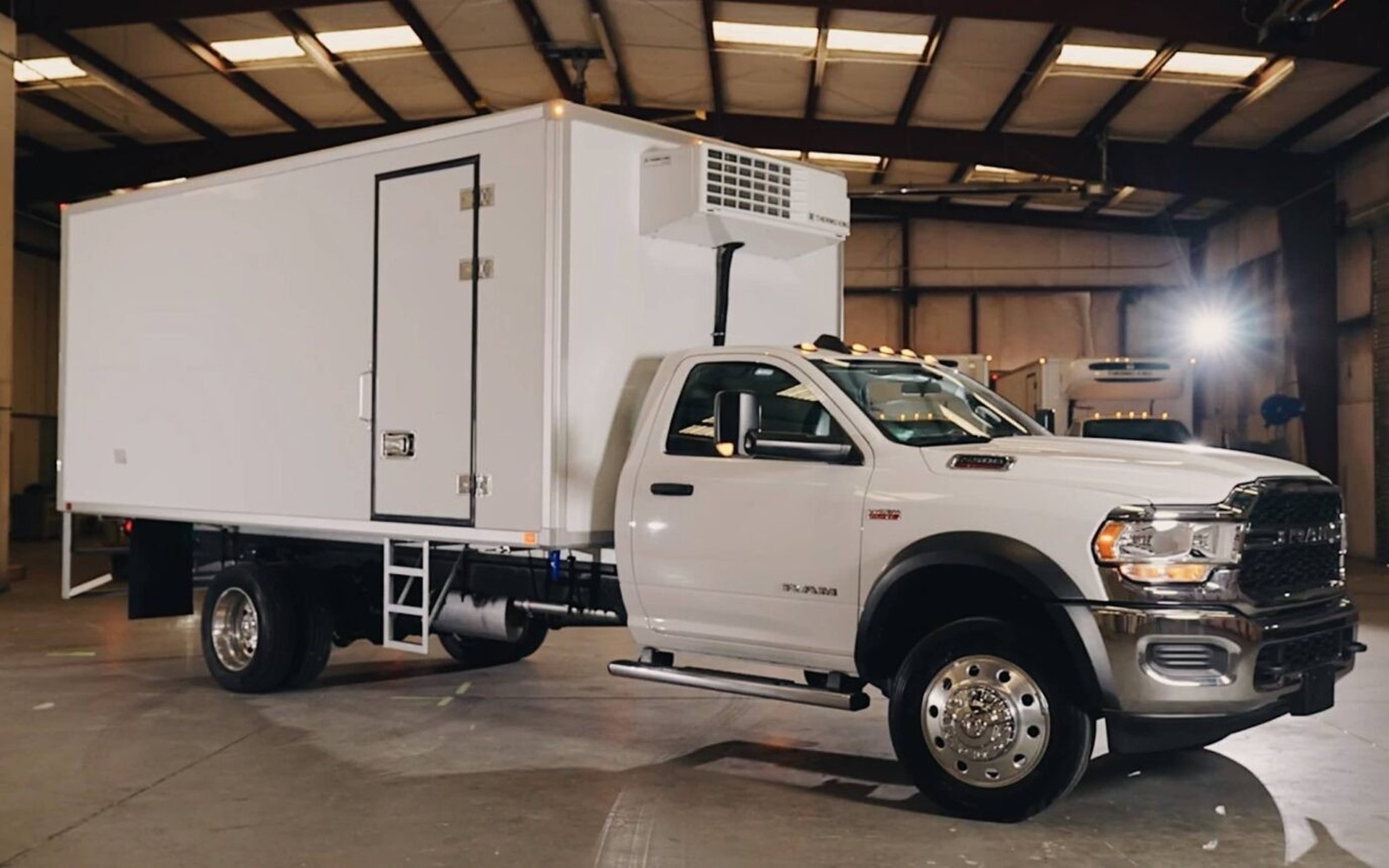
Reefer and temperature-controlled equipment for the food processing and dairy distribution activity in the region is a third category. Pennsylvania has a significant dairy industry, and distribution routes from processing facilities in Lancaster and Lebanon counties into the metro areas require reliable refrigerated capacity. Reefer trailers and refrigerated trucks serving these routes are eligible regardless of the sourcing channel.
Documentation and Credit Requirements
Our Harrisburg clients range from established regional carriers with fifteen years of operating history to newer operators three years into building their first fleet. The documentation requirements scale accordingly. A one-page application and three months of bank statements handle most transactions under roughly $400,000. For larger deals or more complex credit situations, we add to the package proportionally rather than front-loading a massive document request.
Operators with less-than-perfect credit get the same process, with honest communication about what the approval looks like. Bad credit truck financing is a real program for us, not a traffic page with a phone number. If the revenue is consistent and the operation has demonstrated staying power, we find a way to structure financing that makes sense. Operators who have been in business for three or more years with steady revenue are often better risks than their credit score suggests, and we treat them that way.
For newer operations, startup fleet financing is available for operators who are still building their track record. Requirements differ, typically involving a stronger down payment to offset the shorter history, but the program exists and we work with it.