Downtime in Las Vegas means something specific: the Strip never stops running, the construction cranes never seem to come down, and the supply chains feeding hospitality, distribution, and the constant building activity do not accommodate trucks sitting in a shop waiting for financing to close. Fleet operators based in the Las Vegas Valley know the pressure. We work with them to make the capital side move as fast as the market does.
We finance commercial truck fleets throughout Clark County and the greater Las Vegas metro, starting at $50,000 per transaction. The typical deal lands between $100,000 and $150,000, and application-only approval is available up to roughly $400,000 for qualified operators. New and used trucks are both in scope. B and C credit situations are considered alongside clean credit files. Three months of bank statements plus a one-page application is usually all we need to start. Most operators get a funding decision within a few business days and have capital in hand within one to two weeks.
Las Vegas Fleet Demand: Construction, Hospitality, and Distribution
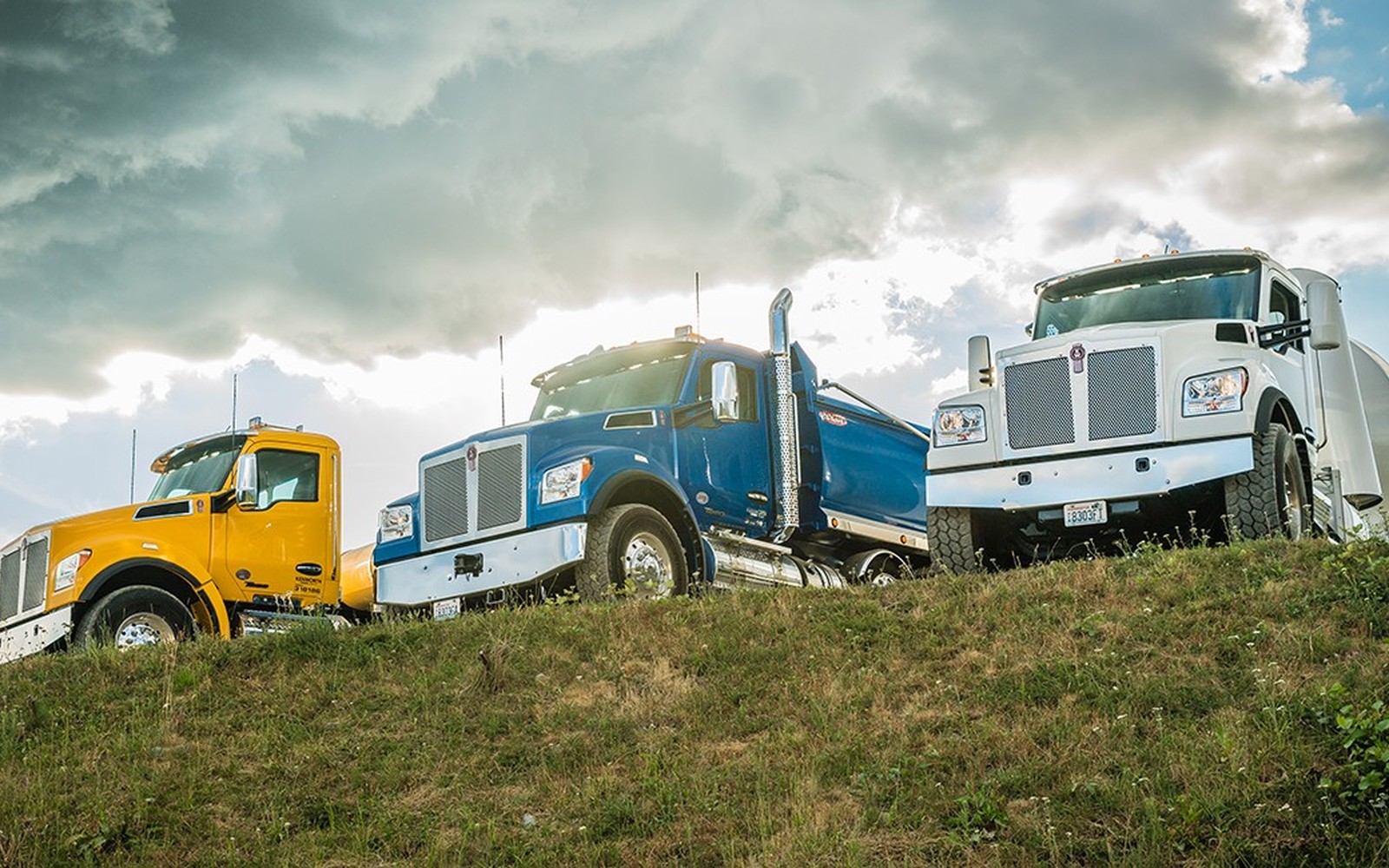
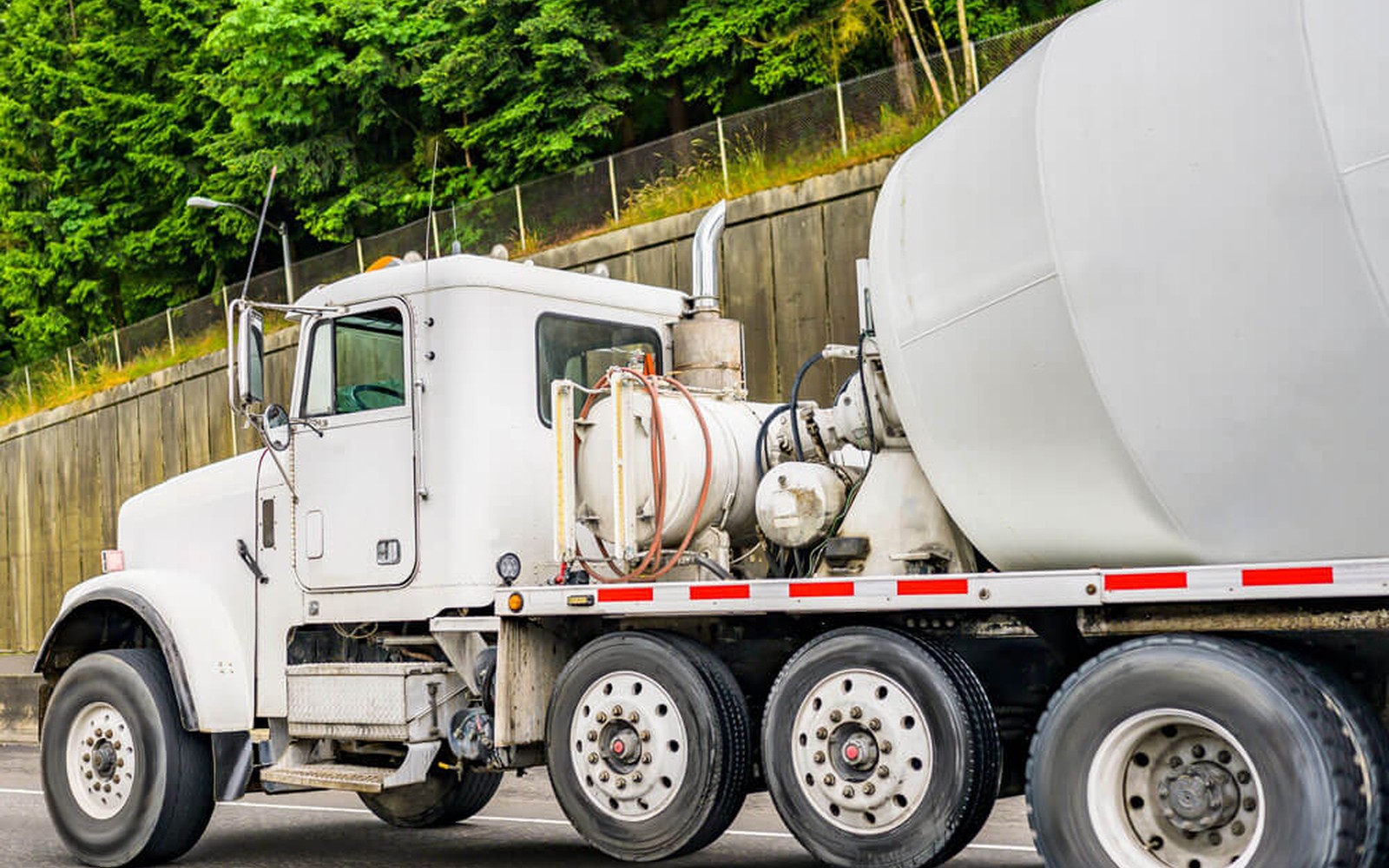
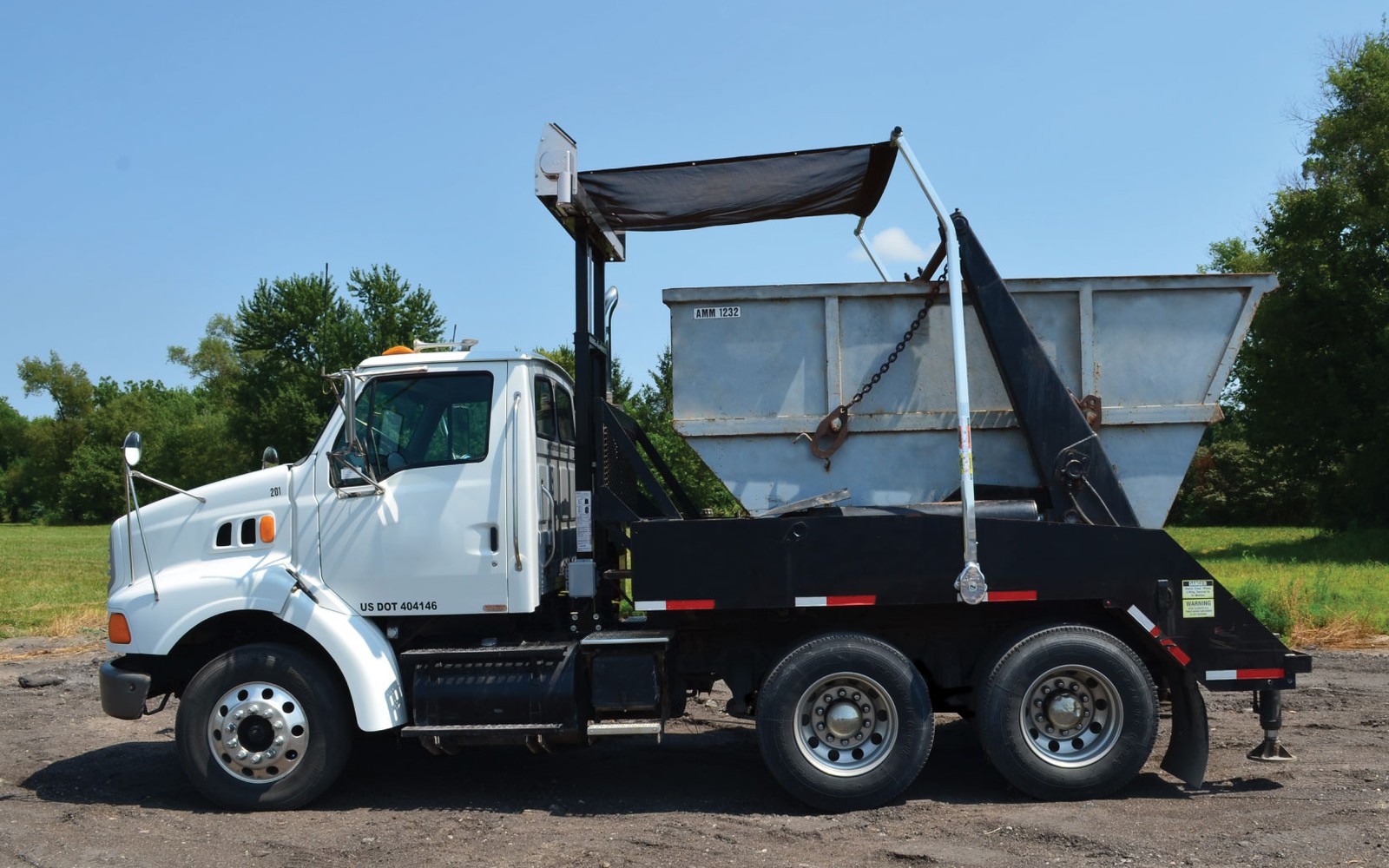
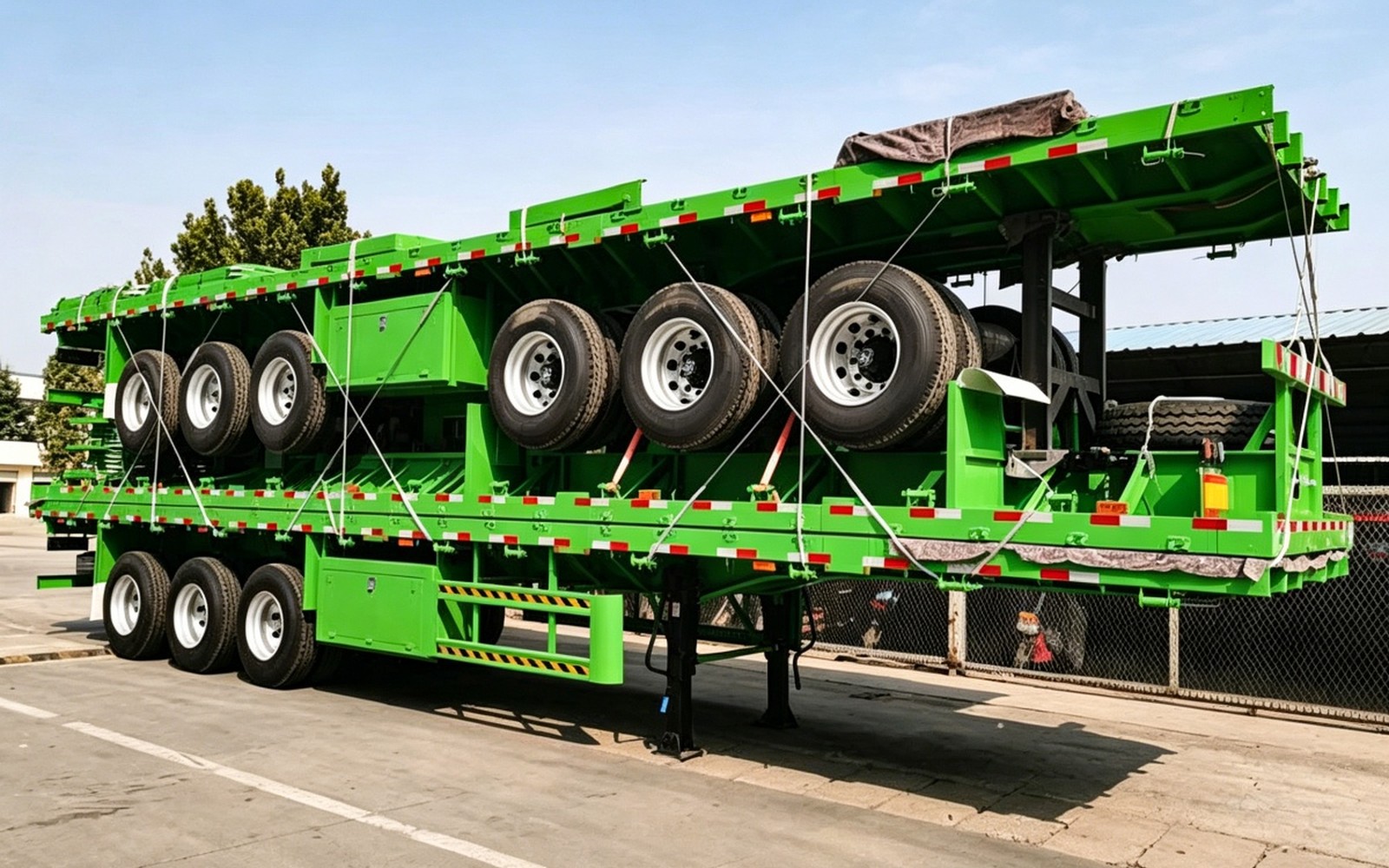
Las Vegas is one of the few metros in the country where three completely different industries all generate substantial freight and fleet demand simultaneously. The construction sector has been in a continuous cycle of hotel, casino, residential, and infrastructure development for decades. That activity drives demand for dump trucks handling aggregate, concrete mixer trucks servicing high-volume pours, and flatbed trucks moving steel, glass, and prefabricated components to active sites across the valley.
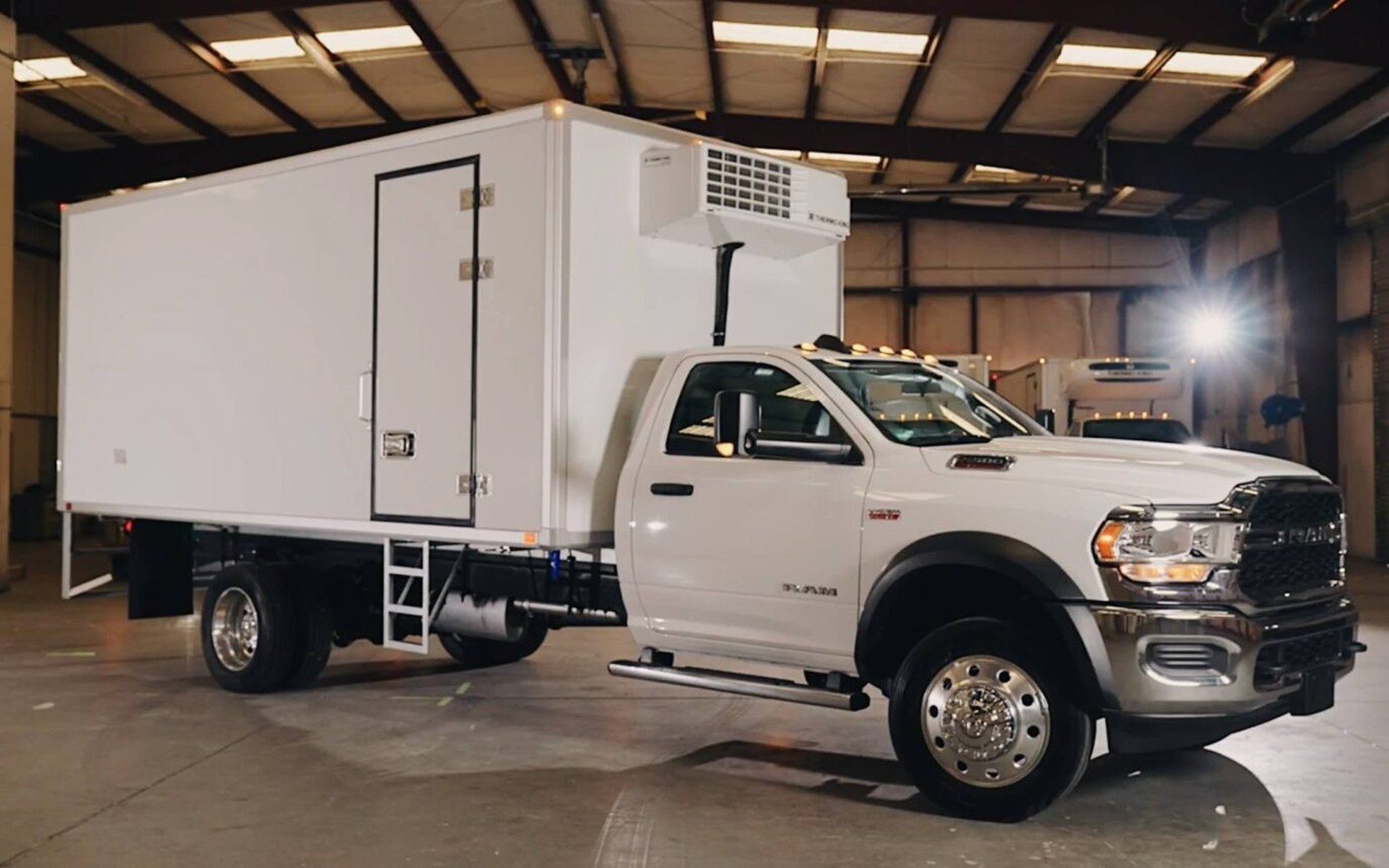
Hospitality logistics is the second engine. The resort corridor on and around the Strip requires massive, continuous food and beverage distribution, linen services, and supply replenishment. Refrigerated trucks, cargo vans, and straight trucks run tight delivery windows into back-of-house receiving areas that operate around the clock. The third driver is regional distribution. Las Vegas has grown as a distribution hub for southern Nevada and surrounding states, with fulfillment and cross-dock facilities expanding in the North Las Vegas industrial corridor along I-15 and Cheyenne Avenue.
For fleet operators serving any of these segments, the equipment cost equation is constant. Utilization rates are high, replacement cycles matter, and a truck that earns its payment three times over still needs that payment to be manageable on a monthly basis.
Equipment That Qualifies for Las Vegas Fleet Financing
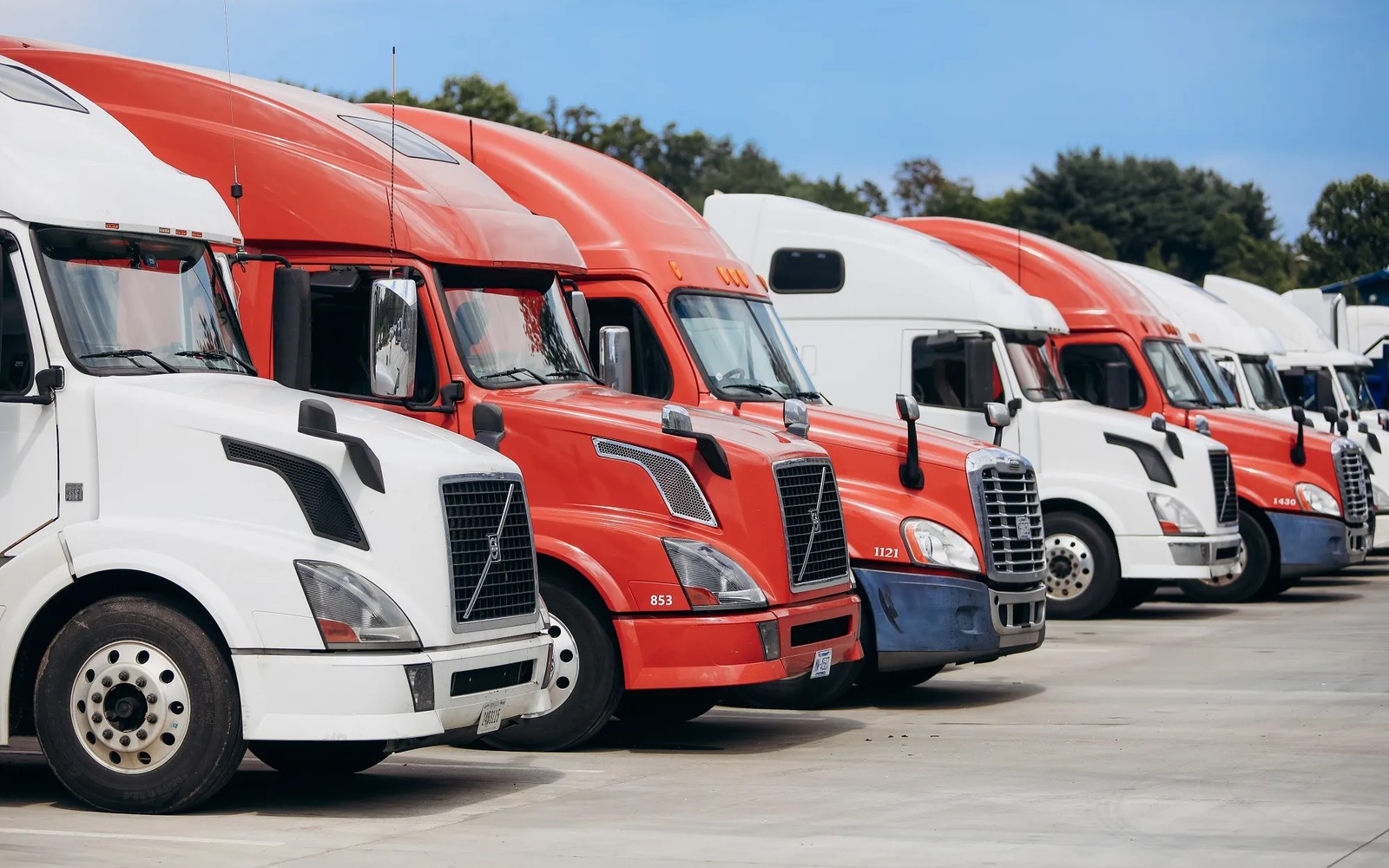
The full range of commercial truck and trailer types qualifies. Class 8 tractors in both sleeper and day cab configurations are a regular part of our Las Vegas book, particularly for operators running freight between Las Vegas and Los Angeles, Salt Lake City, or Phoenix. Medium-duty trucks in the Class 4 through Class 7 range are also active here, covering box trucks for last-mile delivery, service trucks supporting the trades, and refrigerated trucks serving the hospitality and food distribution segments.
Trailers finance separately or together with tractors. Dry van trailers and reefer trailers are common alongside sleeper and day cab purchases. Used equipment is fully eligible, and we do not apply a blanket age cutoff. A clean five-year-old unit with documented service history and reasonable miles often fits the profile better than an older unit regardless of what the calendar says. Condition, title history, and the operator's intended utilization carry more weight than model year in our underwriting process.
Terms and Structure: How the Numbers Work
Fleet financing terms depend on the equipment type, the transaction size, the credit profile, and the structure chosen. Purchase financing for Class 8 trucks typically runs on 48- to 72-month terms, with payment sized to the loan amount and the borrower's cash flow. Medium-duty trucks sometimes carry shorter terms given the equipment's useful life in heavier commercial use. Trailer financing can extend further depending on the asset.
For operators who want to preserve cash flow on a per-unit basis, a TRAC lease structure offers lower monthly payments than a traditional loan by establishing a residual value at the end of the term. The TRAC residual is guaranteed by the lessee, which creates a clean path to either purchasing the unit or turning it back. A dollar buyout lease takes the opposite approach: higher monthly payments but full ownership transfers at the end for one dollar. We walk operators through both options and compare them against a traditional loan so the structure chosen reflects the actual goal, not just the lowest number on the payment sheet.
Interest rates are not guaranteed in advance and depend on credit profile and market conditions at the time of approval. We disclose rate and terms in writing before any commitment is required.