Arkansas puts a heavy load through Little Rock. Intermodal freight from the Union Pacific and BNSF rail yards feeds into a truck network that reaches Memphis to the east, Dallas to the southwest, and St. Louis to the north. The Port of Little Rock on the Arkansas River handles barge commodities that move by truck once they clear the terminal. Agricultural processors, poultry integrators, and steel service centers in the metro generate consistent outbound freight volume. For fleet operators here, the question is rarely whether loads exist. It's whether the equipment to run them is financed and ready.
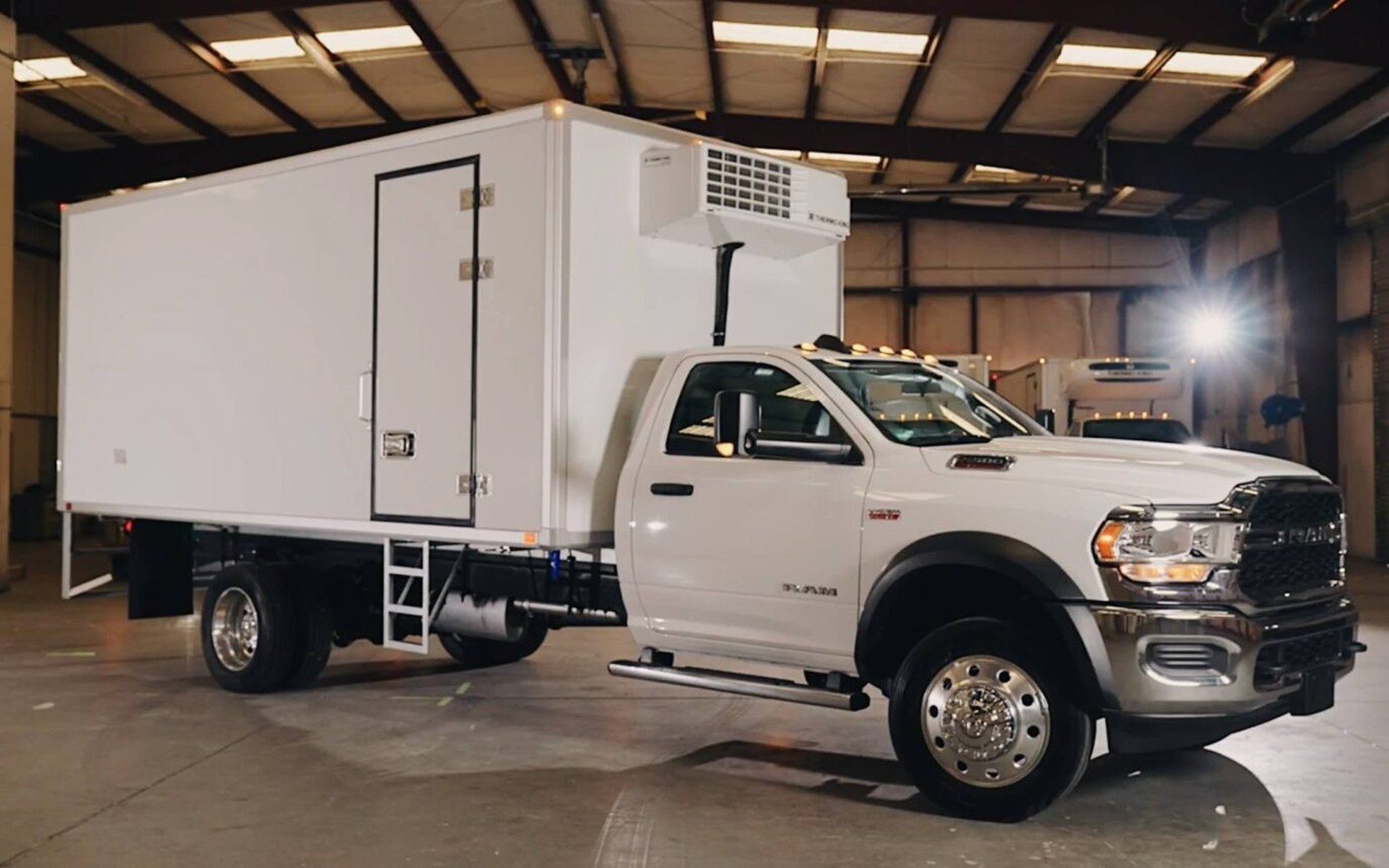
We structure fleet financing from $50,000 up, with most transactions landing between $100,000 and $150,000 or higher. The deal can cover new trucks, used equipment from dealers or private sellers, refinancing an existing note, or a sale-leaseback on iron you already own. Operators servicing the poultry processing corridor running from Little Rock toward Russellville and Fort Smith often carry refrigerated truck fleets that need capital cycling on a faster schedule than conventional bank lending allows. We fund most transactions within one to two weeks.
The Freight Economics Behind Little Rock Fleets
Arkansas ranks among the top states for poultry production, and that single industry drives enormous refrigerated and flatbed freight volume through the Little Rock hub. Tyson Foods, Simmons Foods, and George's Inc. operate major processing plants in the region. Refrigerated vans and straight trucks move finished product to distribution centers across the South and Midwest. Feed trucks and flatbeds supply the grow-out operations. Agriculture hauling fleet financing fits the seasonal cash flow that comes with that business better than a standard monthly bank note. Those businesses run hard, and their trucking contractors need equipment that stays on the road.
Beyond agriculture, the Port of Little Rock moves timber, steel, and chemical freight that shifts to truck for final distribution. Construction along I-30, the ongoing widening projects on I-430, and commercial development in west Little Rock keep dump trucks and flatbeds occupied. Utility and telecom contractors working the grid in central Arkansas need bucket truck financing to staff up for project cycles that don't wait for bank timelines.
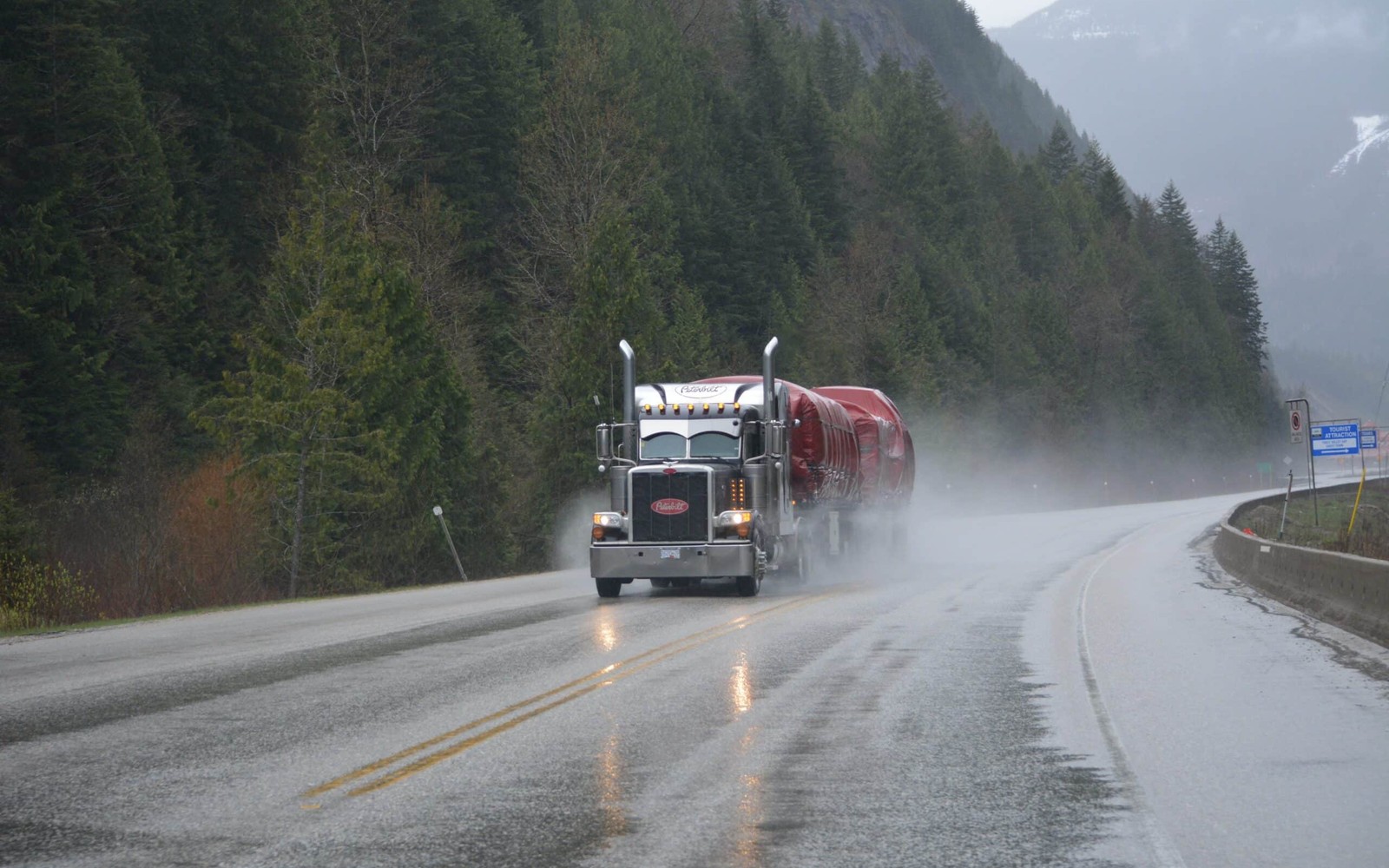
The intersection of I-30 and I-40 at Little Rock makes it one of the most significant freight nodes in the South-Central region. Long-haul operators running I-40 lanes to Memphis and Oklahoma City use Little Rock as a reload and maintenance hub, so freight hauling fleet financing that can close quickly matters here more than in markets where the freight is slower and more predictable.
Credit Requirements and Documentation
We work with B and C credit profiles alongside stronger credits. A prior slow pay period, a restructured note, or a business that's younger than three years doesn't close the file. We review the complete operating picture: the bank statements, the contracts on hand, the equipment type, and what the fleet earns month to month. Three months of business bank statements and the equipment details are typically the whole doc package for standard transactions.
Applications in the range up to roughly $400,000 move on application only, which means no tax returns and no audited financials required at that tier. That structure is deliberately faster because a fleet decision timed around an opportunity doesn't allow for a six-week underwriting process. For transactions above that threshold, bank statements and some additional background are needed, but the turnaround still targets roughly two weeks after a complete file.
Operators who've been financing elsewhere and want a second look are welcome. If you're carrying a note at a rate that no longer fits the business or that was set before your credit profile improved, a fleet refinance can reduce the monthly load and sometimes pull equity out at the same time.
Operators Who Use This Program
The typical Little Rock fleet financing client runs between two and twenty units and operates in a specific freight niche. Produce and poultry haulers, construction dump truck operators, flatbed contractors serving the timber and steel trades, and box truck fleets supporting last-mile and regional delivery all use this program. So do owner-operators who've been running one truck and are ready to add a second or third.
Startup carriers with new authority also apply. Lenders who see new authority as an automatic decline miss the operators who've been driving for a carrier for years, know the freight, and are ready to go on their own. Our new authority truck financing program looks at the operator's background, not just the business's age. We've helped first-time fleet owners in Arkansas get equipment moving within two weeks of applying.