Manufacturing is the backbone of Milwaukee's freight economy. The city and surrounding Waukesha, Ozaukee, and Washington counties host a dense concentration of industrial manufacturers, including industrial machinery, fabricated metals, printing equipment, food processing, and specialty chemicals. That industrial base generates outbound freight volume that is less sensitive to the seasonal swings affecting agricultural markets, and it sustains consistent demand for regional carriers, flatbed operators, and LTL distributors serving the Chicago-Milwaukee-Green Bay corridor.
Lake Michigan sits on the city's eastern border, and while the Port of Milwaukee handles less volume than Great Lakes ports in Cleveland or Detroit, it generates drayage and bulk commodity freight that keeps a subset of local operators busy year-round. I-94 runs through the metro as the primary north-south artery, and US-41 and I-43 extend the reach into Green Bay and northern Wisconsin markets that depend on Milwaukee as their primary logistics hub.
We finance truck fleets for Milwaukee and southeastern Wisconsin operators, with a minimum transaction of $50,000 and a sweet spot of $100,000 to $150,000 and up. New and used equipment qualify. B and C credit are considered. Application-only processing is available up to roughly $400,000, and most deals fund in about one to two weeks.
Milwaukee's Industrial Freight Base
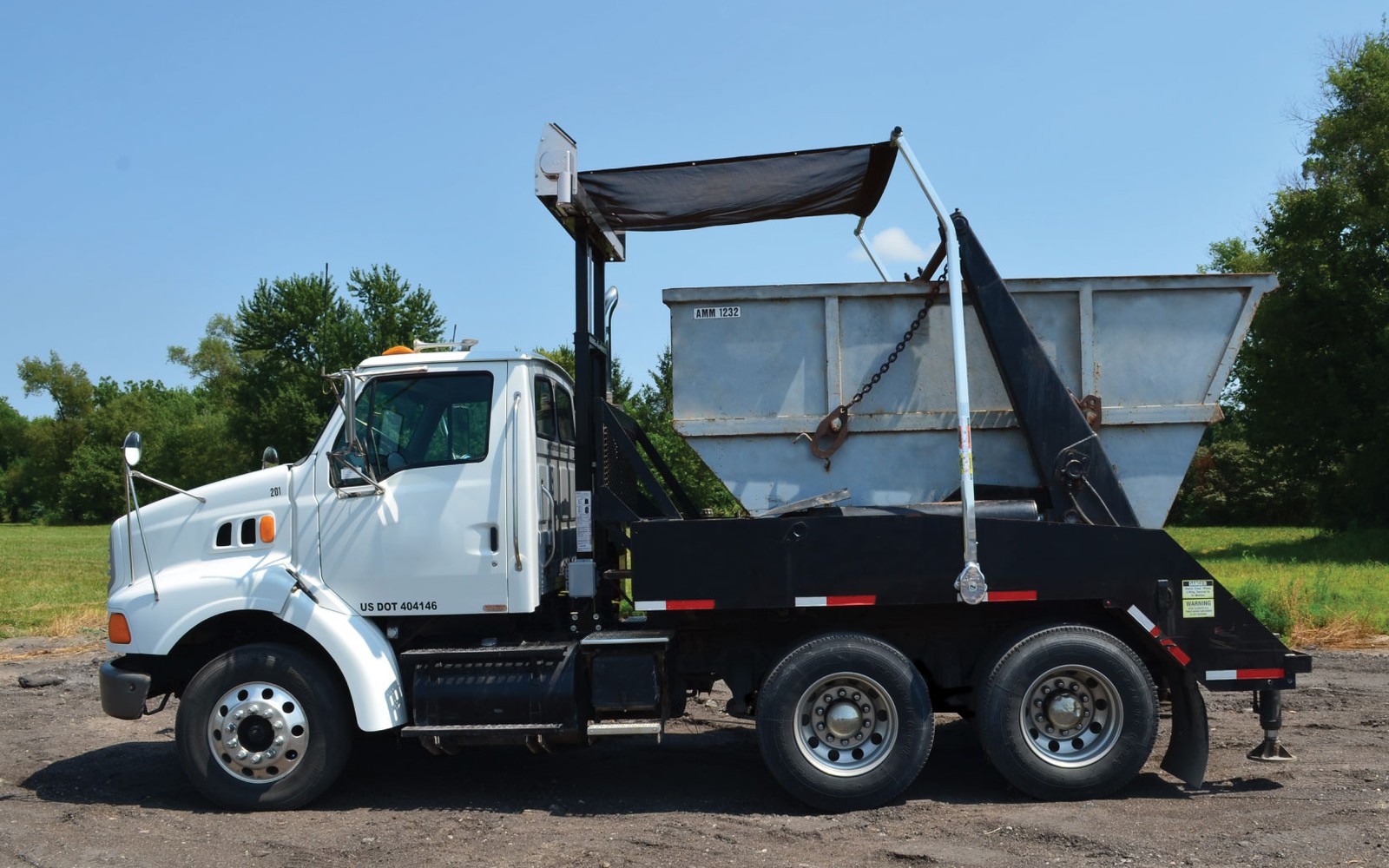
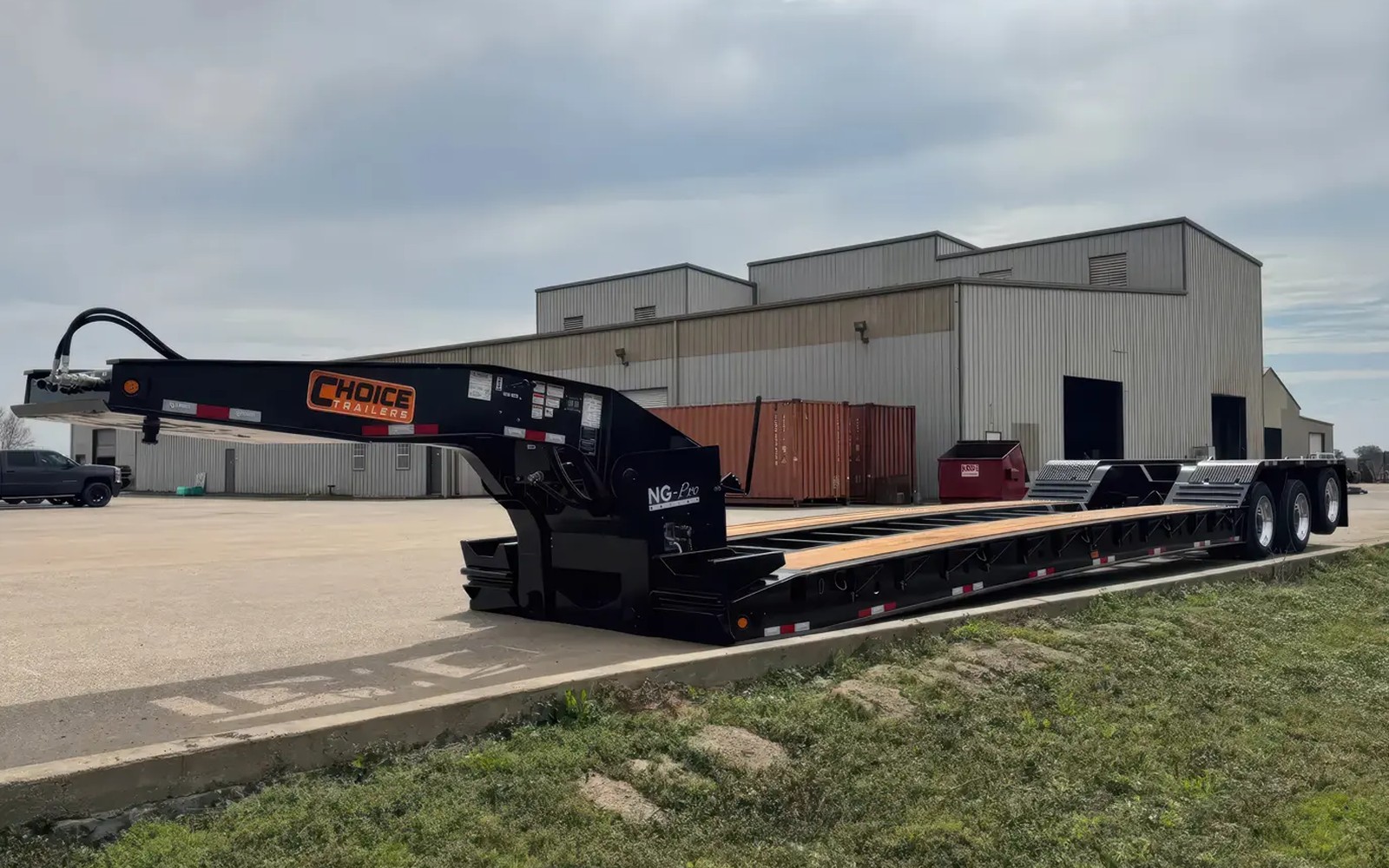
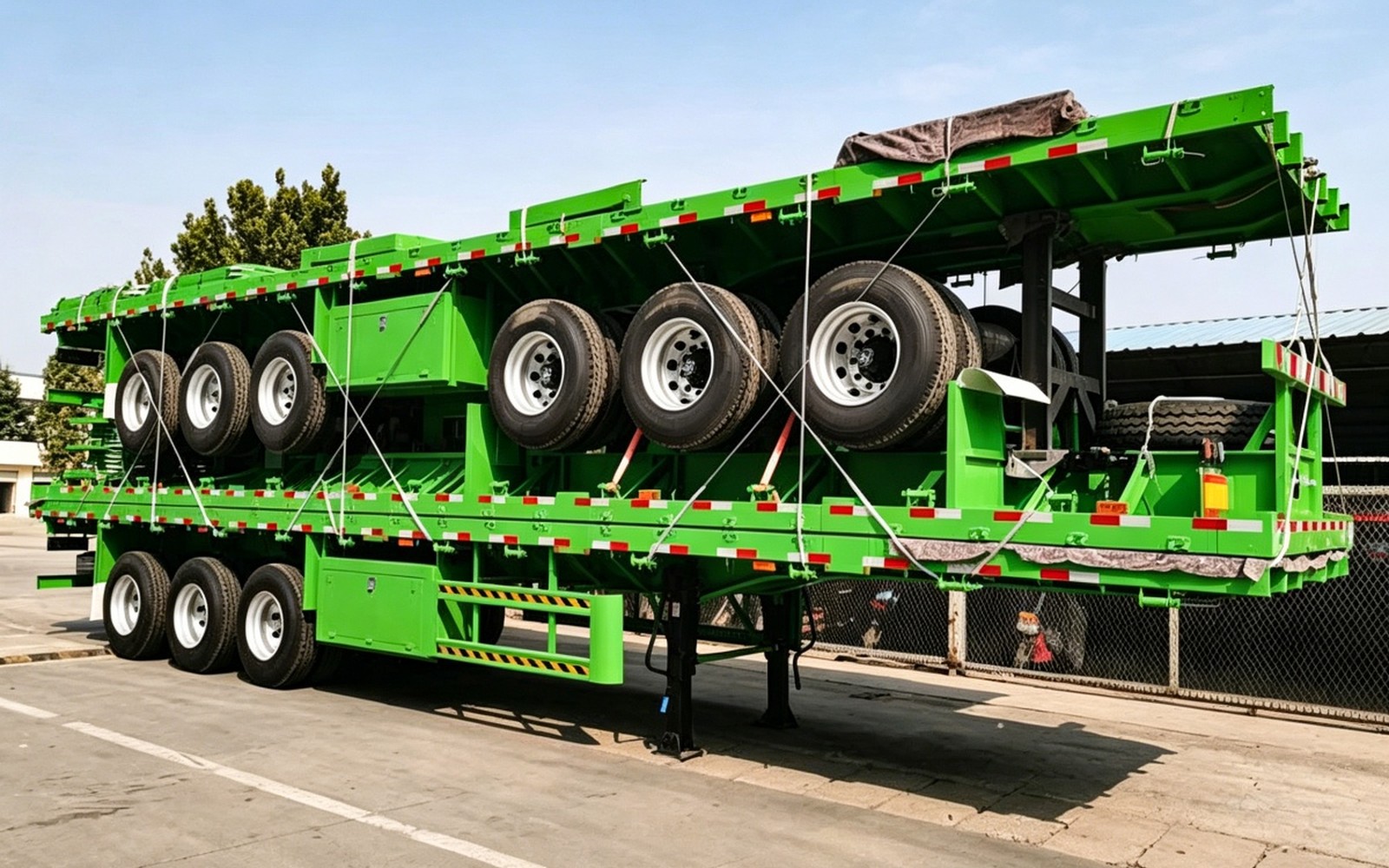
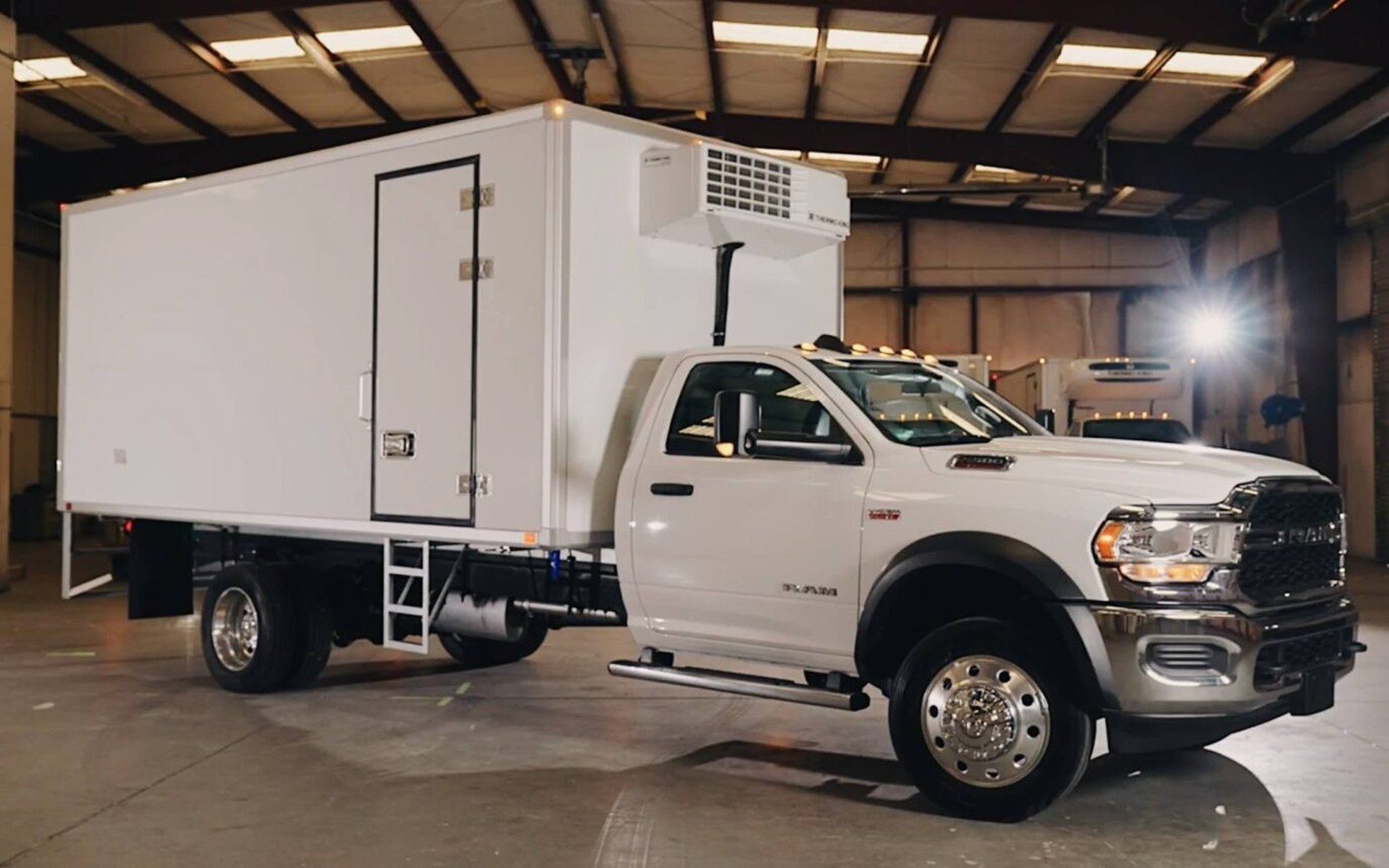
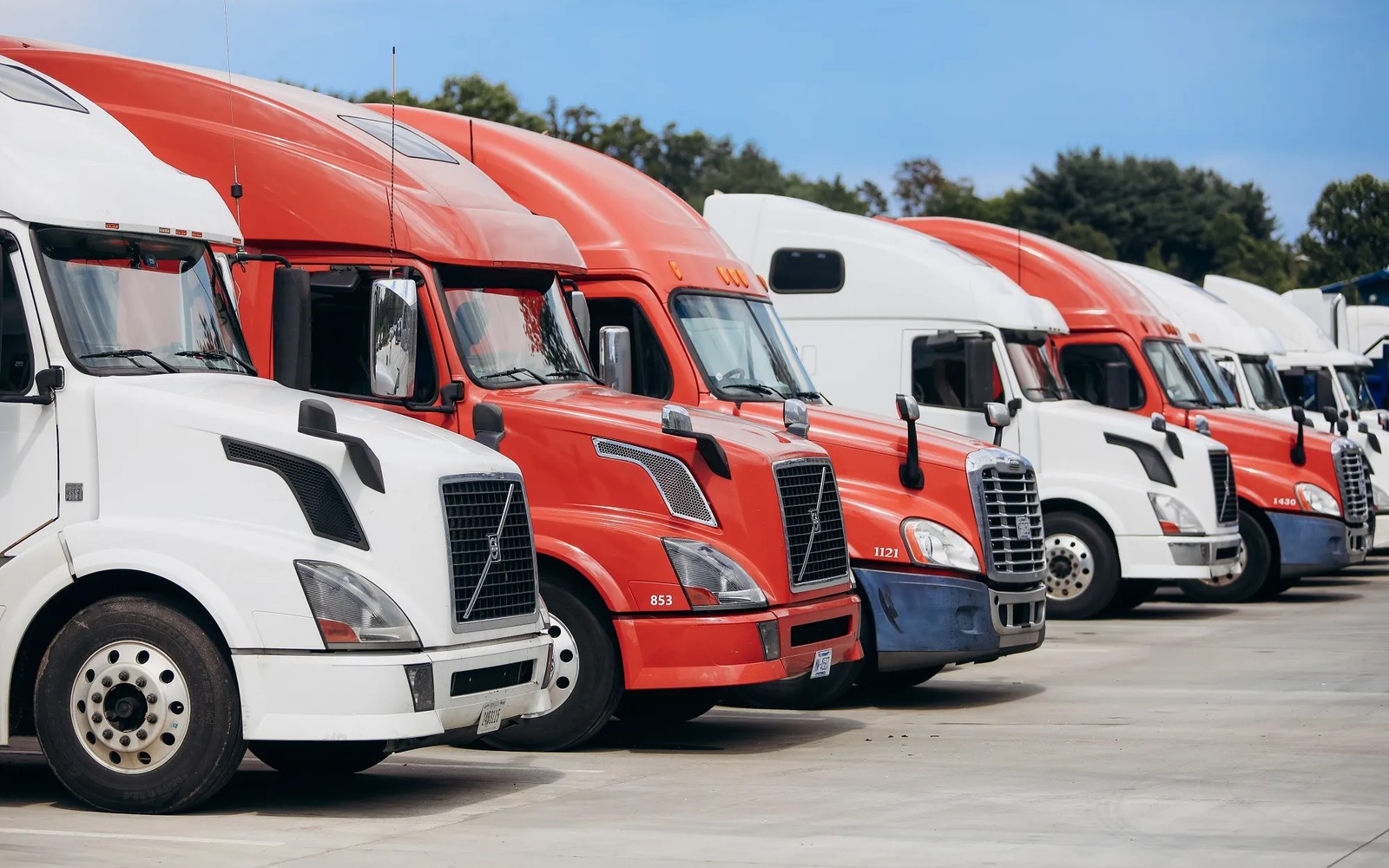
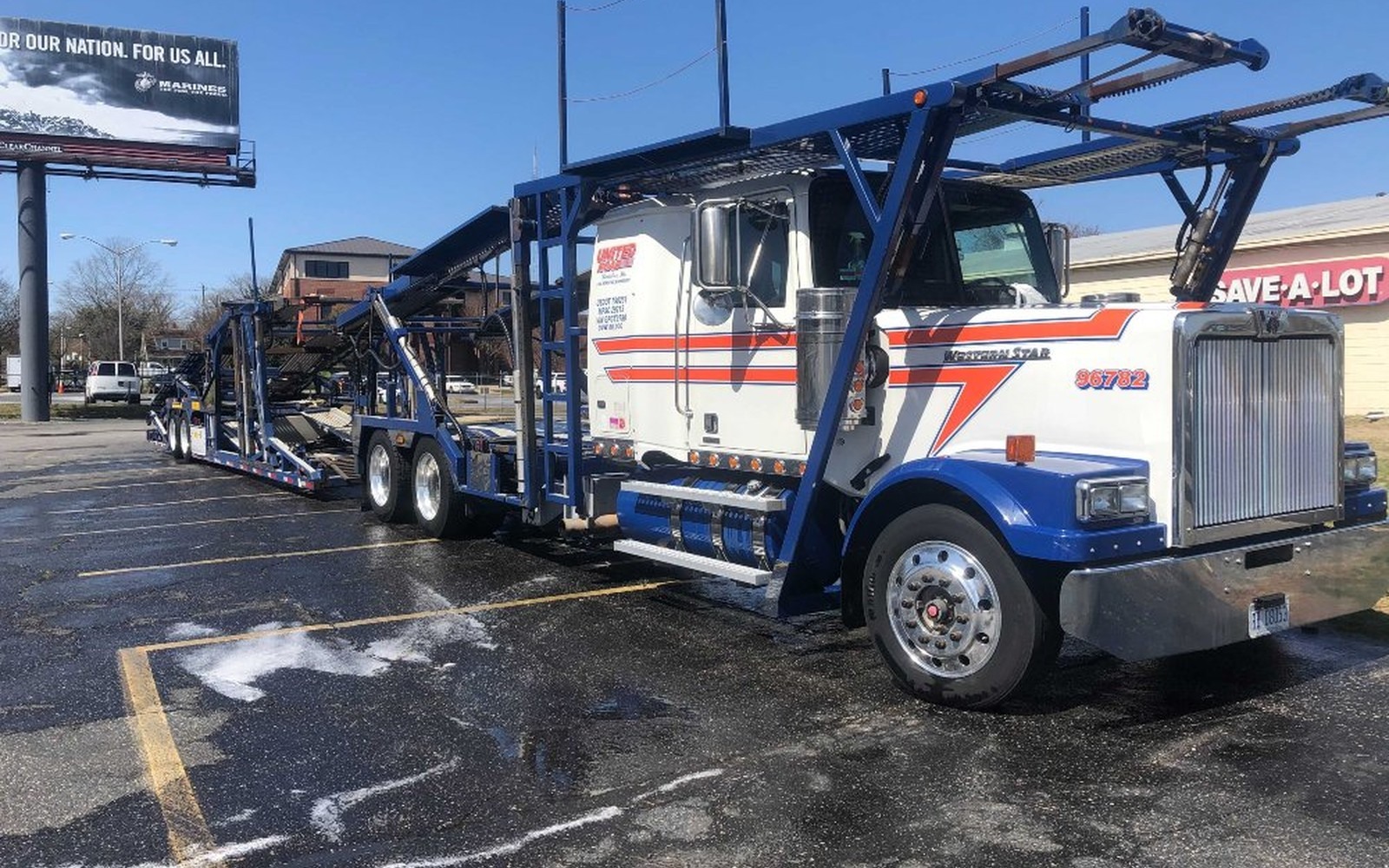
The manufacturing sectors clustered in the Milwaukee metro create freight demand across multiple equipment categories. Outbound shipments of heavy industrial machinery and components move on flatbed trucks and lowboy trailers. Consumer goods and packaged products from the food and beverage processing sector move in dry van trailers. Temperature-controlled distribution for dairy products, processed meats, and specialty foods depends on a reliable refrigerated truck fleet. The full range of commercial vehicle types is active in this market.
Construction in the Milwaukee metro has been steady, with ongoing infrastructure and commercial development projects requiring dump trucks, service vehicles, and crane support. The Foxconn manufacturing facility in Racine County, while a smaller operation than originally announced, has contributed to ongoing construction and logistics activity in the southern part of the metro. General commercial development in suburban Milwaukee markets keeps vocational equipment in consistent demand.
The Chicago-Milwaukee corridor along I-94 is one of the most commercially dense freight lanes in the Midwest, and Milwaukee operators who serve that corridor face high utilization rates that compress replacement cycles. A carrier running loads down the corridor daily accumulates mileage faster than a carrier working a larger geographic area with more empty time. Fleet managers here are generally sharp about their cost-per-mile numbers.
Milwaukee Fleet Operators We Serve
The Milwaukee operators in our program tend to fit a few distinct profiles.
- Regional and LTL carriers running lanes between Milwaukee and Chicago, Madison, Green Bay, and the Fox Valley corridor, managing aging Class 8 fleets and looking for efficient capital to maintain replacement schedules.
- Industrial freight specialists hauling machinery, fabricated parts, and oversized loads for Milwaukee's manufacturing base, operating flatbeds and step decks that accumulate wear on heavy loads.
- Food and beverage distributors serving the Milwaukee metro's restaurants, grocery chains, and food service accounts, dependent on refrigerated uptime that is non-negotiable during summer months.
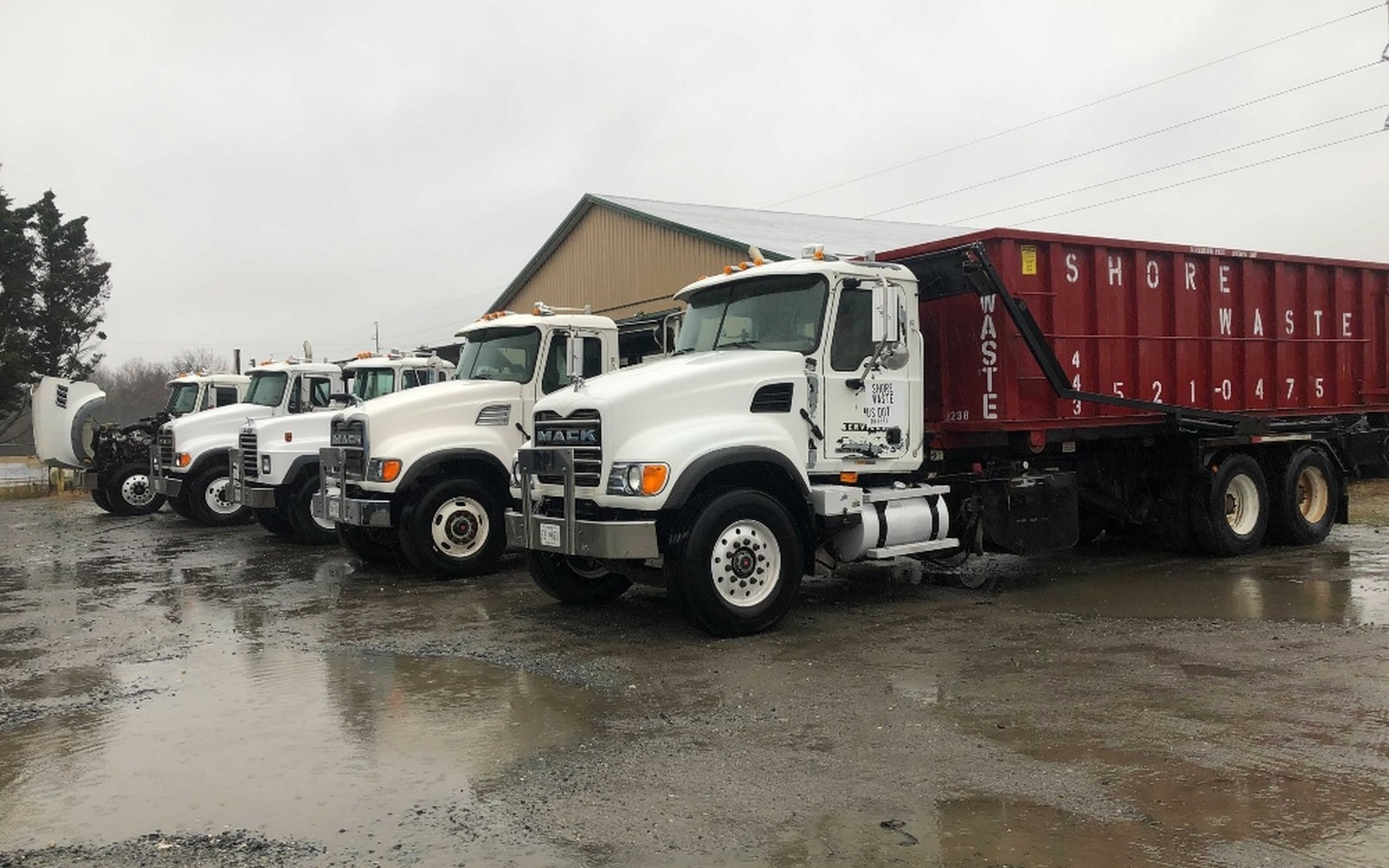
- Construction operators running dump trucks and service vehicles on commercial projects across Waukesha, Milwaukee, and Ozaukee counties.
- Owner-operators building from a single unit to a small fleet, who need structured commercial financing to support growth that their current operating revenue can support.
We do not limit the program to established businesses. Newer operations with solid revenue and a clear freight model can qualify, and we assess each situation directly rather than applying a blanket time-in-business filter.
Terms and Structures Available to Milwaukee Operators
Fleet financing terms in our Milwaukee program range from 24 to 84 months depending on the equipment, the transaction size, and the borrower profile. Shorter terms on used equipment reflect the shorter remaining useful life of the asset. Longer terms on new Class 8 units align with the multi-year depreciation curve of a well-maintained sleeper or day cab.
For operators who want the monthly payment flexibility that comes with a lease structure rather than outright ownership, a TRAC lease provides a predictable term with a residual option at the end. You decide at term end whether to buy the unit at the predetermined residual, return it, or refinance. For operators who want clean ownership at payoff, a dollar buyout lease delivers that with a minimal end-of-term payment.
For Milwaukee operators with existing debt on their fleet at unfavorable rates, a refinance can reduce monthly payments or improve the overall cost structure. For owned iron sitting on the balance sheet, a Fleet Sale-Leaseback frees that capital for other uses. Both structures are available without requiring a new equipment purchase, and both can close within our standard one-to-two-week timeline once the file is complete.