The Port of Oakland is the third-busiest container port on the West Coast, and its cargo volume feeds a dense network of drayage operators, regional carriers, and distribution fleets spread across the East Bay, the Central Valley corridor, and the greater Bay Area. Fleet operators running out of Oakland, Richmond, Hayward, and Fremont deal with the same capital challenge that operators in any major port market face: the equipment cost is high, the utilization is relentless, and the replacement cycle moves faster than conventional bank financing can handle.
We work with Bay Area fleet operators on transactions from $50,000 up through multi-unit fleet purchases. The typical range is $100,000 to $150,000, and application-only approval is available up to approximately $400,000. B and C credit operators are considered alongside clean profiles. Three months of bank statements and a one-page application start the process. Funding closes in about one to two weeks.
Oakland's Fleet Market: Port Traffic and Bay Area Logistics
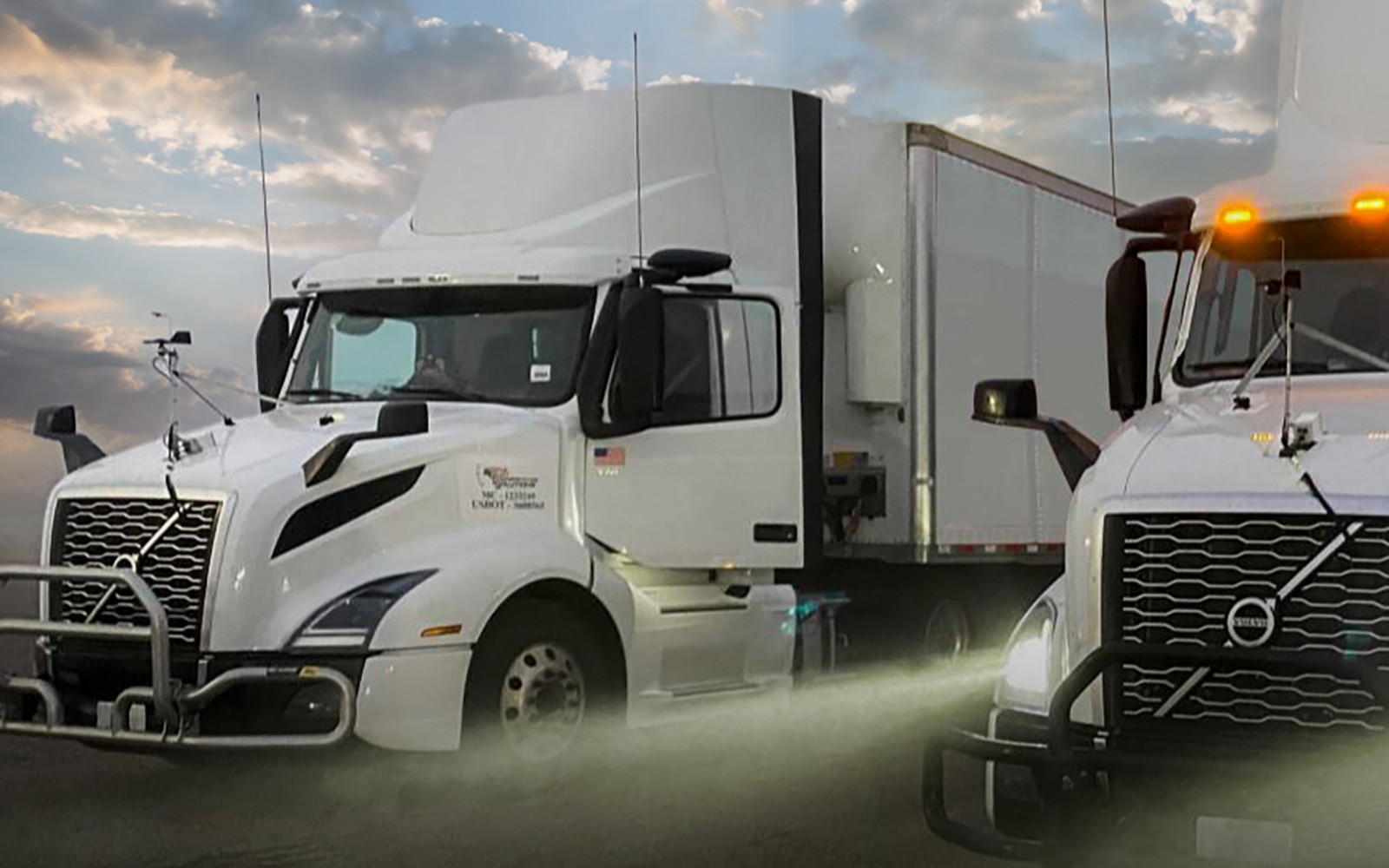
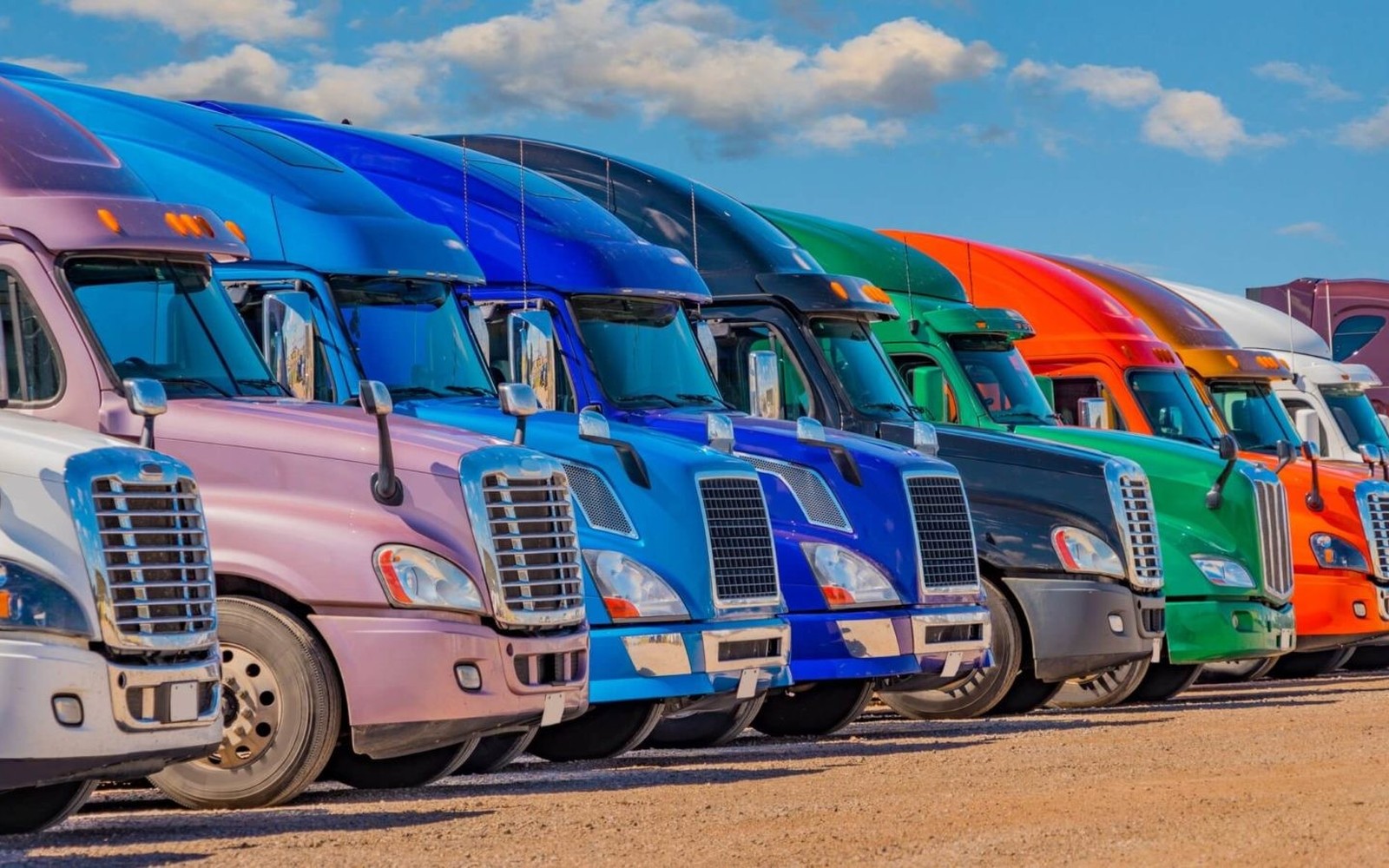
Oakland International has historically served as the primary container gateway for Northern California, handling imports and exports across a range of commodities. Agricultural exports from the Central Valley moving through Oakland are a significant volume driver, as is the retail import traffic that fills warehouses in Tracy, Stockton, and the East Bay. That freight flow supports a large population of day cab tractors running drayage cycles between the port terminal and nearby distribution centers, as well as sleeper tractors carrying freight to the Central Valley and beyond.
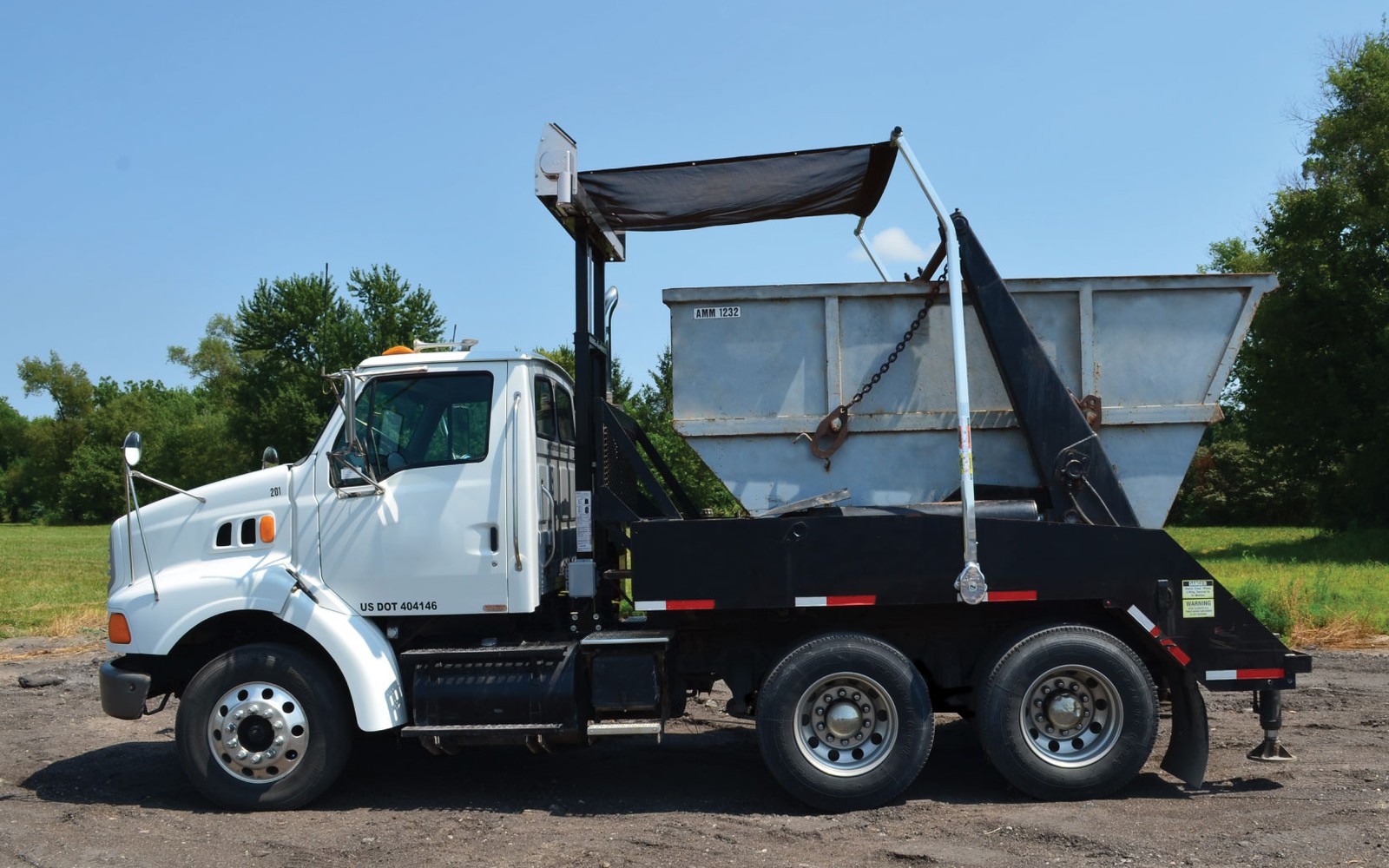
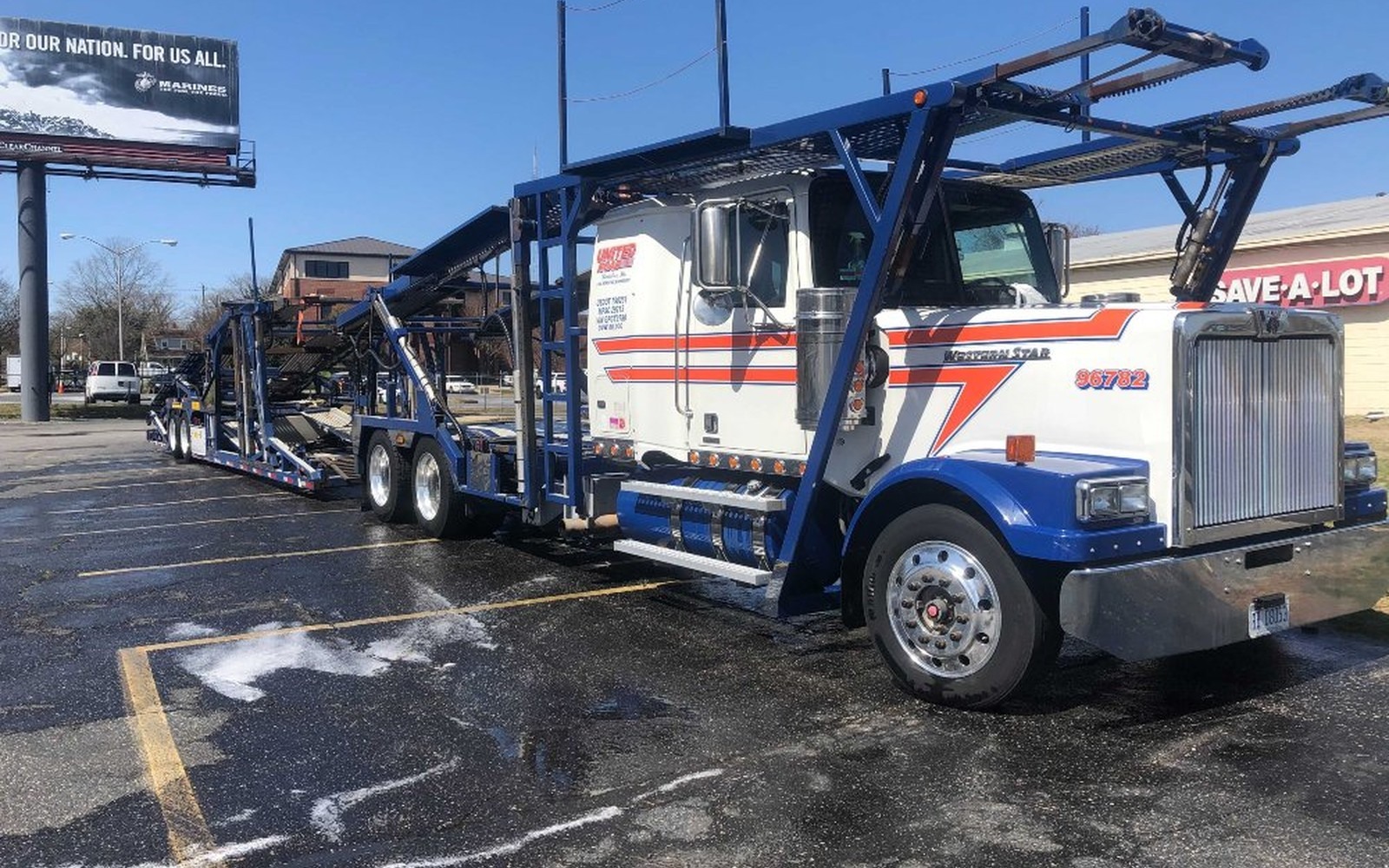
The Bay Area's tech and biotech economy has also generated a different class of freight demand: precision shipments, lab equipment moves, and the supply chains supporting semiconductor fabs and data center construction in Silicon Valley. Flatbed trucks and specialized service vehicles serve those sectors in ways that go beyond the standard drayage profile. The construction boom throughout the Bay Area, particularly in the South Bay and along the East Bay corridor, adds consistent demand for dump trucks and flatbeds serving residential and commercial development.
CARB compliance is a factor here just as in Southern California. Bay Area operators running state routes are subject to the same diesel equipment regulations, and several have used financing to accelerate unit replacement ahead of enforcement deadlines.
How We Structure Deals for Bay Area Operators
The Bay Area operating environment comes with high costs across the board: fuel, labor, insurance, and equipment all run above national averages. That reality shapes how we read a deal. We do not compare a Bay Area operator's margin structure against a mid-country benchmark. We look at the business in its actual operating context, which means bank statement revenue after known operating costs is the primary lens rather than a standardized ratio.
Application-only approval up to roughly $400,000 is a meaningful option here. Tax returns and financial statements are not required for transactions within that range when the credit file and bank statements support the deal. For operators carrying B or C credit, we look at cash flow trajectory and the fleet's actual revenue-generating capacity. A fleet running port drayage at high utilization, even with a credit score in the 600s, has a fundamentally different risk profile than a truck sitting on a lot. We make that distinction in our underwriting.
Structures available include purchase financing, fleet refinance, fleet sale-leaseback, and cash-out truck refinance. We also offer fleet equipment lines of credit for operators who want ongoing borrowing capacity rather than a fixed transaction each time they add a unit.
Buying New vs. Used in the Bay Area Market
Used equipment prices in Northern California tend to run higher than in other regions due to local demand and the relatively small supply of CARB-compliant used units. That dynamic makes used truck financing calculations specific to the local market. A two-year-old CARB-compliant day cab in Oakland may carry a purchase price closer to a new unit than operators accustomed to mid-country used prices expect. We finance at market value and do not impose artificial age or mileage ceilings.
New unit purchases from Bay Area dealers carry the advantage of full warranty coverage and confirmed compliance status, which matters in a regulated market. For fleets replacing high-utilization port equipment on regular cycles, new units sometimes pencil out better over a four-year term than a used unit with unknown maintenance history and potential compliance risk. We walk operators through both scenarios with the actual numbers before they make a decision. Produce and cold-chain fleet financing is one area where new refrigerated equipment particularly makes sense given the food safety and compliance requirements in California.