Phoenix runs hot in more ways than one. The construction sector alone puts thousands of commercial units on valley roads every day, and the freight volume moving through Sky Harbor and along the I-10, I-17, and Loop 202 corridors has made the metro one of the fastest-growing commercial truck markets in the Southwest. For fleet operators, that growth creates opportunity and a recurring capital problem: you need equipment on the road to earn the revenue that would pay for the equipment. We help break that loop.
We finance truck fleets for Phoenix-area operators from $50,000 up through multi-million-dollar fleet builds. The sweet spot is $100,000 to $150,000 per unit or per transaction, and application-only approvals are available up to roughly $400,000 for qualified operators. B and C credit profiles are considered alongside strong credit. Three months of bank statements, a one-page application, and a clear picture of the equipment is usually enough to get the process moving. Funding typically takes one to two weeks from application to keys.
The Phoenix Fleet Market: Construction, Distribution, and Growth
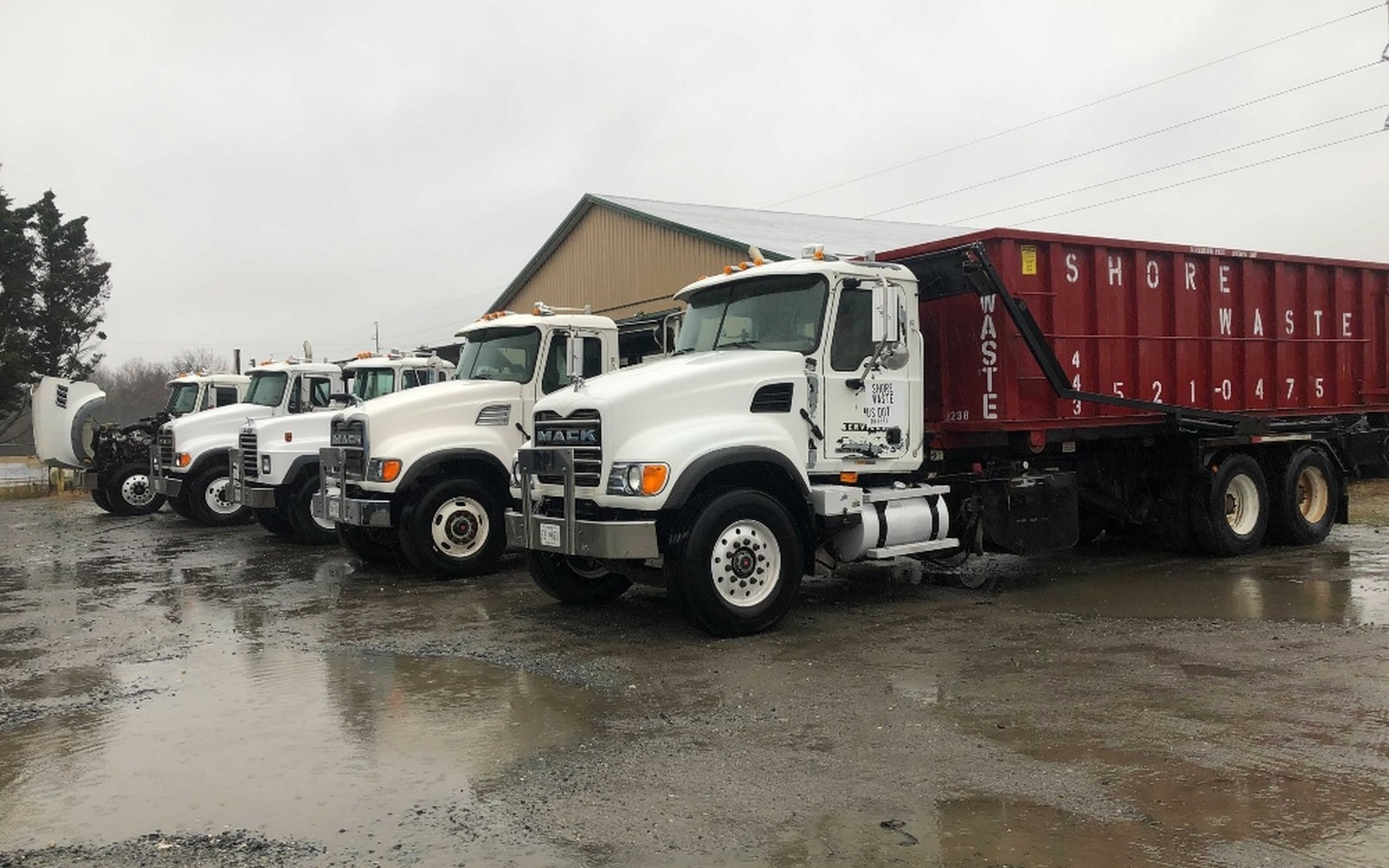
The greater Phoenix metro has been in a sustained construction expansion, with residential, commercial, and infrastructure projects all running simultaneously across Maricopa County. That activity drives significant demand for dump truck fleets hauling aggregate and fill, flatbeds moving steel and manufactured components, and service truck fleets supporting the trades. The utility corridor expansion into the West Valley and Queen Creek has also pushed demand for bucket trucks and aerial equipment supporting electric and telecom infrastructure.
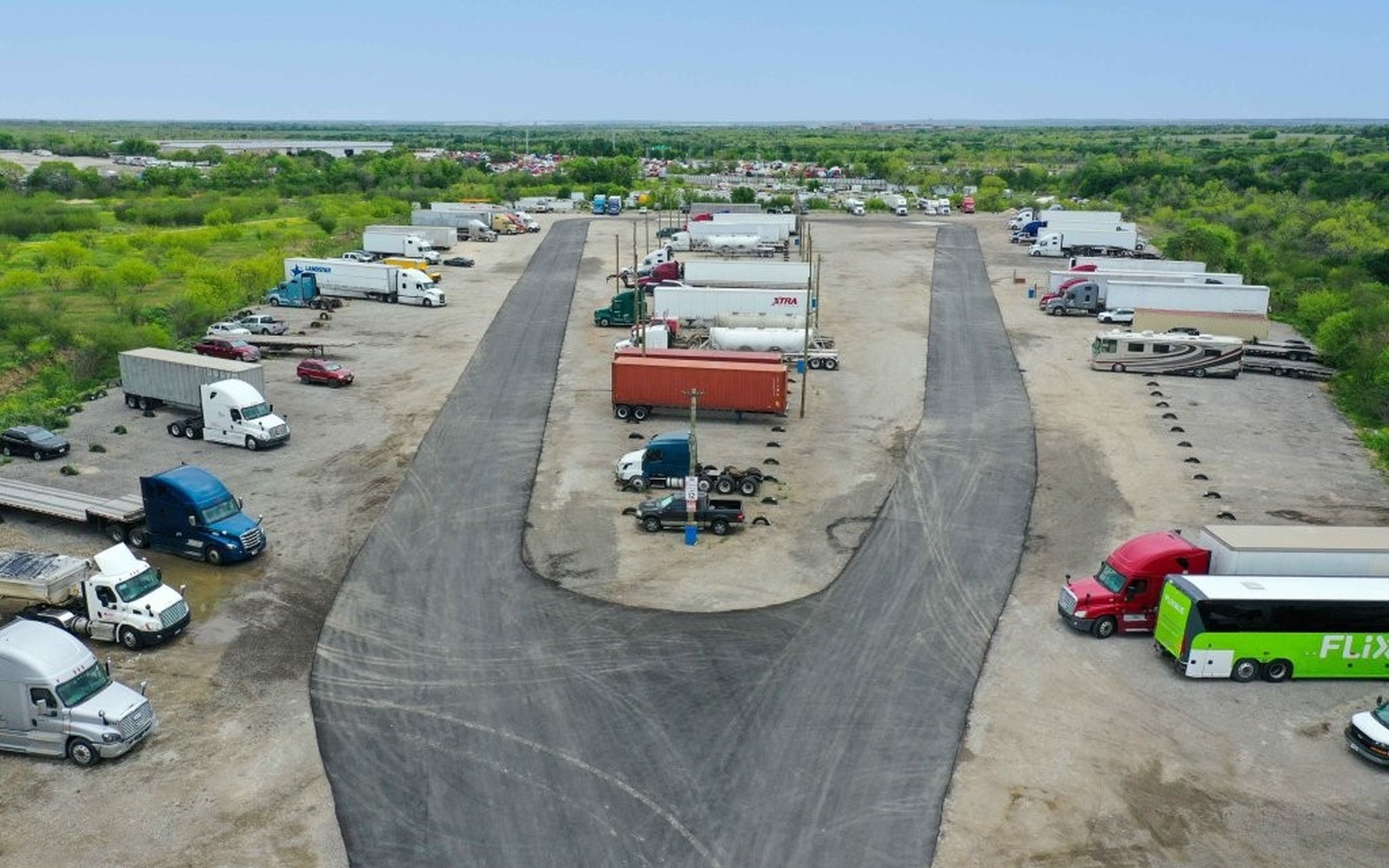
Distribution is the other major engine. Phoenix has grown into a regional distribution hub for the Southwest, with fulfillment and cross-dock facilities running along the I-10 corridor near Goodyear, Tolleson, and Surprise. Day cab tractors running regional loops into Tucson, Las Vegas, and El Paso are a standard fleet mix here, and the cold chain segment has expanded as fresh grocery distribution has scaled to serve the metro's population. Fleet operators in this environment cannot afford extended downtime. A truck sitting for a week waiting on repair or on a lender's underwriting clock costs real money in missed loads and contract obligations.
We are structured to move quickly. Most Phoenix-area operators we work with have a decision in days, not weeks, and we do not require the full financial statement package that a conventional bank demands.
Equipment Types We Finance Across the Valley
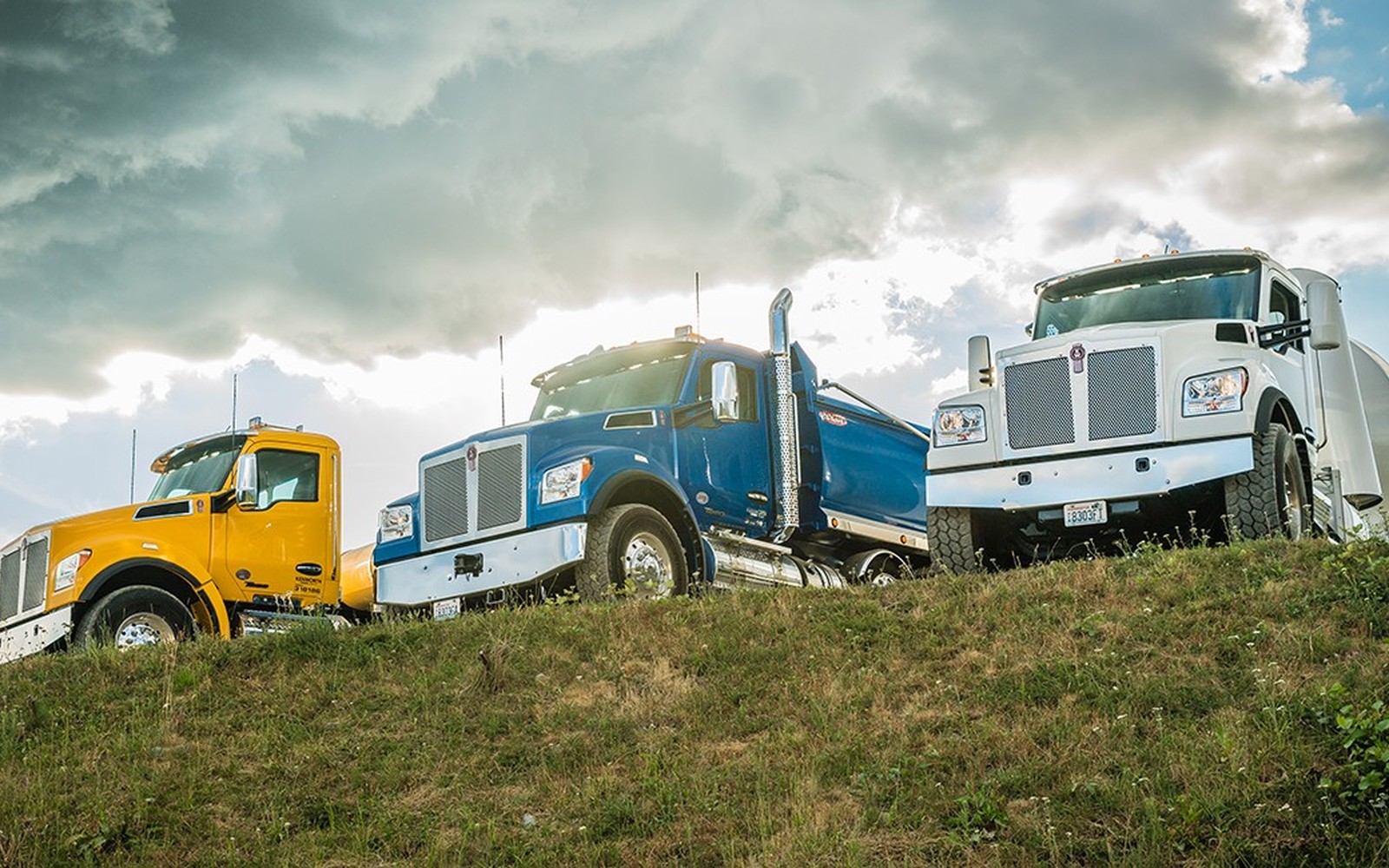
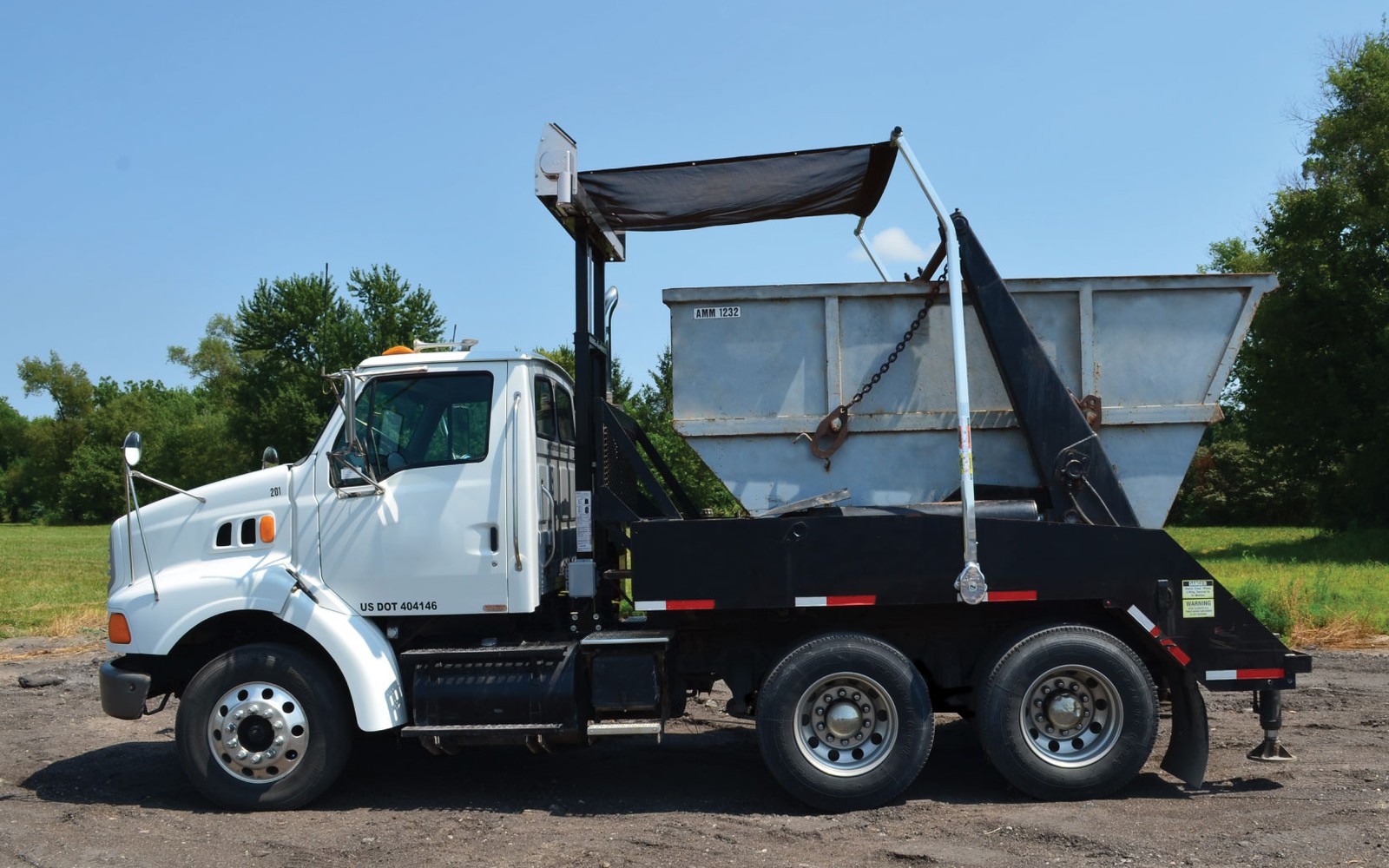
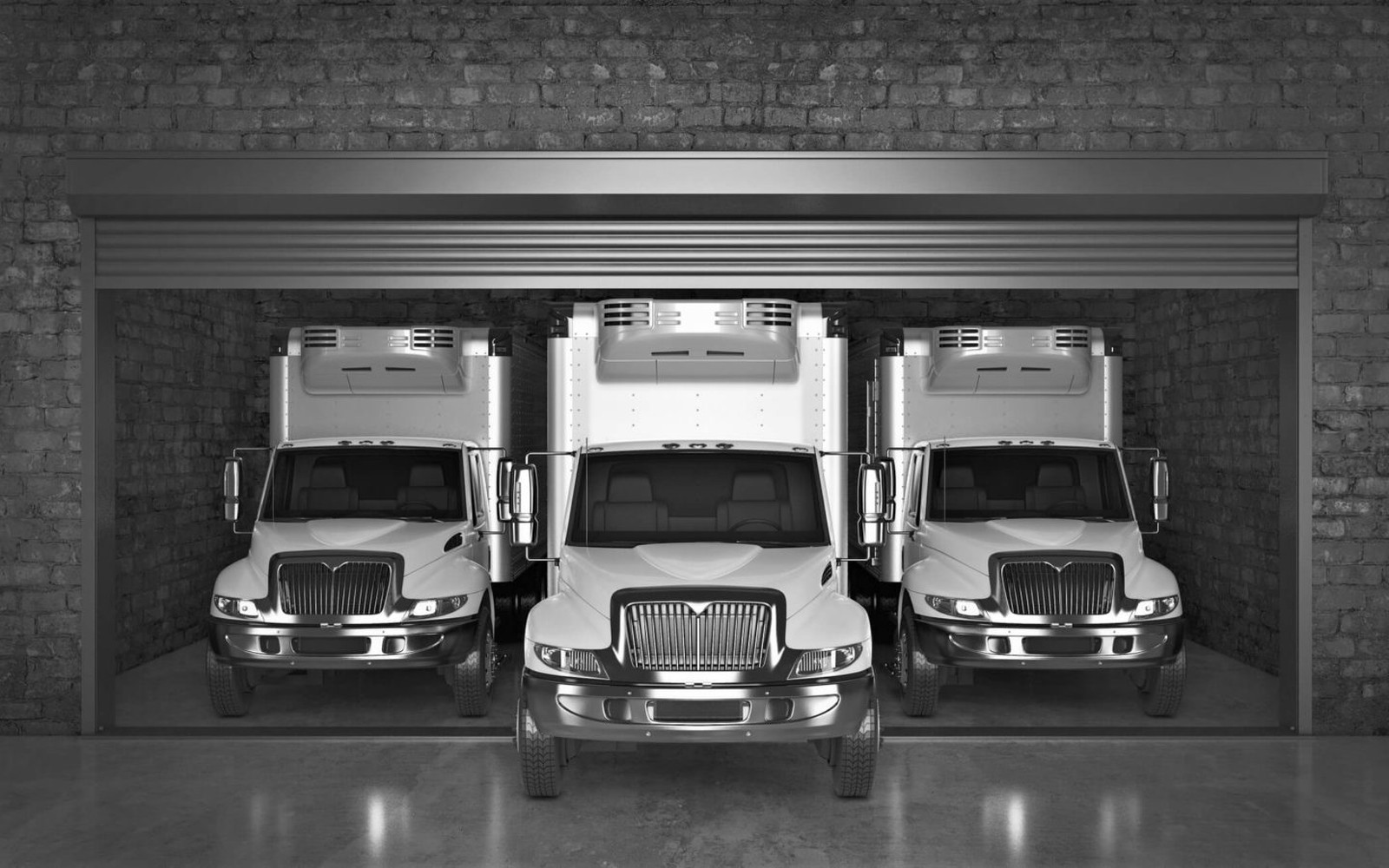
Phoenix fleet operators run a wide mix of equipment, and we finance across that full range. Class 8 sleeper tractors running long lanes to California ports or Denver distribution centers, day cabs handling regional Arizona freight, refrigerated units serving grocery and pharmaceutical distribution, and heavy-spec dump trucks supporting aggregate and earthmoving operations are all types we see regularly.
For the construction segment, flatbed trucks and crane trucks are common additions as project sizes grow. Last-mile and e-commerce delivery operations tend to need box truck fleets and cargo vans, which we also finance. Regardless of the unit type, the underwriting approach is the same: we look at what the equipment earns, not just what it costs. That distinction matters for fleet operators who run high utilization and want a lender that understands the business model.
Used equipment is fully in scope. A three to five-year-old Class 8 in solid mechanical condition, bought from a reputable dealer or another fleet, often makes more financial sense than a new unit for operators building out a replacement cycle. We do not apply a bias toward new iron, and our structures for used trucks mirror what we offer on new.
Refinance and Sale-Leaseback Options for Existing Fleets
Fleet operators who already own equipment outright, or who carry older financing at elevated rates, have options beyond new purchase financing. A cash-out truck refinance lets you pull working capital from units you own by refinancing at current values. That capital can fund a truck purchase, cover an insurance payment, handle a large maintenance bill, or bridge a slow revenue period without touching your operating line.
A fleet sale-leaseback takes this a step further: we buy the equipment from you at fair market value and lease it back under a structured payment. You stay on the road, your operation is unaffected, and the lump sum goes to work wherever you need it most. This structure works well for operators who have built equity in a fleet over several years and want to redeploy that capital without taking on traditional debt. The buyout option at lease end preserves your ability to own the equipment again once the lease runs its course.