No city in the United States sits closer to more active land border crossings with Canada than Buffalo. The Peace Bridge, the Queenston-Lewiston Bridge, and the Niagara Falls crossings collectively handle an enormous volume of commercial truck traffic carrying automotive components, manufactured goods, and agricultural products between the U.S. and Ontario. For the fleet operators based in Buffalo doing cross-border freight, equipment reliability is doubly critical: a truck that goes down mid-run creates customs and border logistics problems that a flat tire on an I-90 run does not.
We finance truck fleets based in Buffalo and the Western New York market, from the border drayage companies to the regional carriers running the I-90 Thruway toward Rochester, Albany, and New York City. Minimum $50,000, typical deal $100,000 to $150,000 per unit. Application-only approval up to roughly $400,000. Closing scheduled once the package is complete. B and C credit evaluated on the full business picture.
Buffalo's Freight Geography: Border, Thruway, and Regional
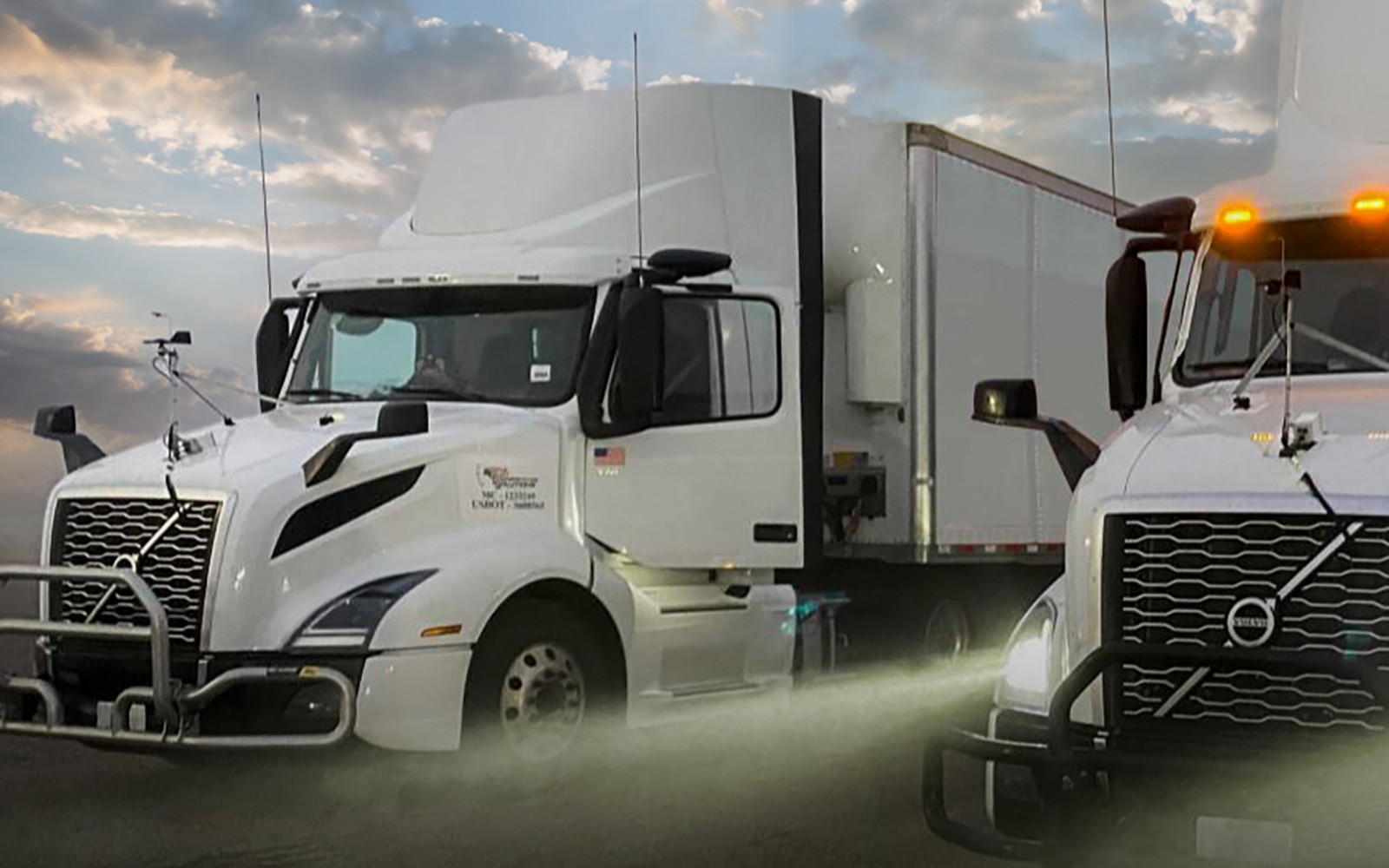
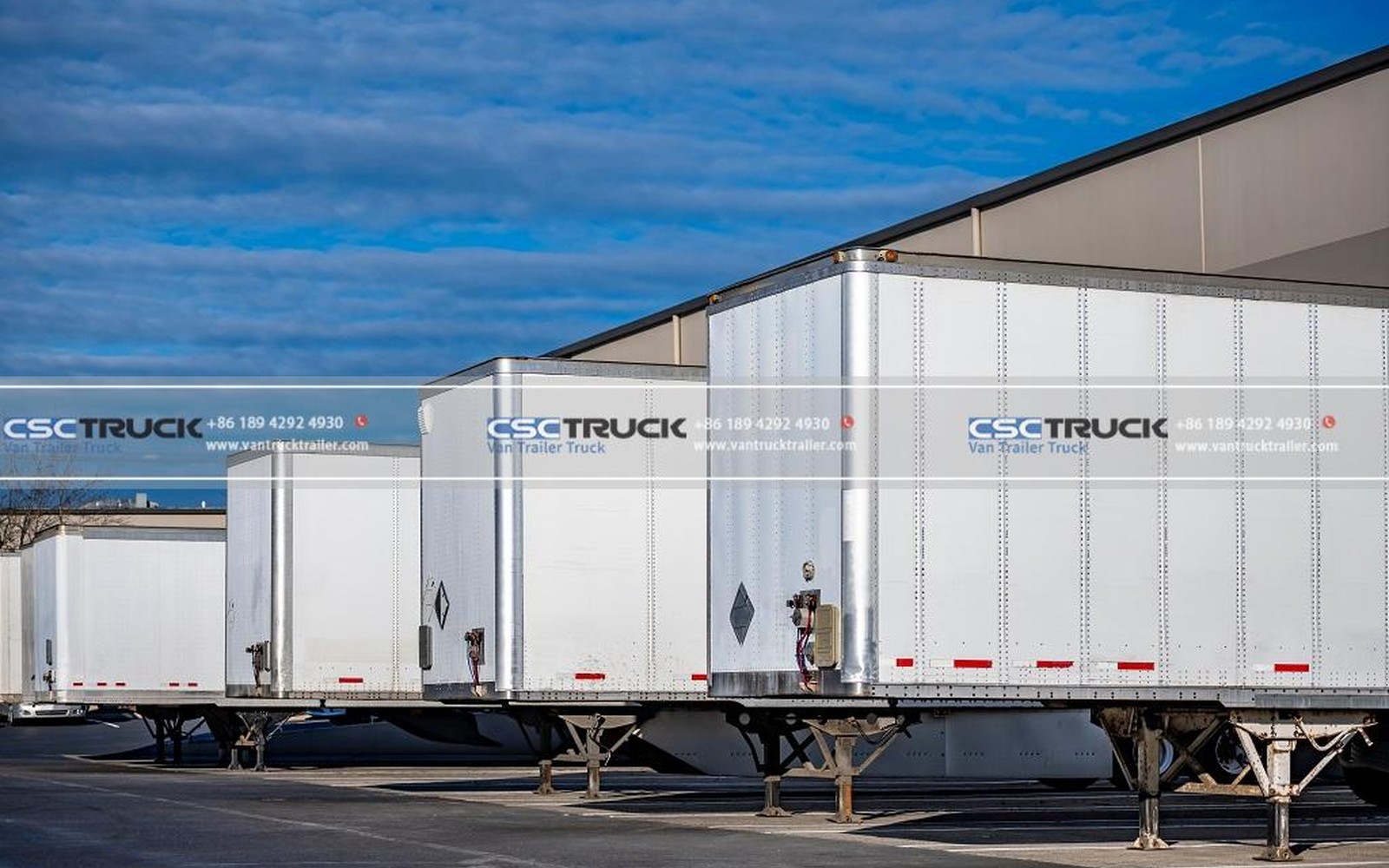
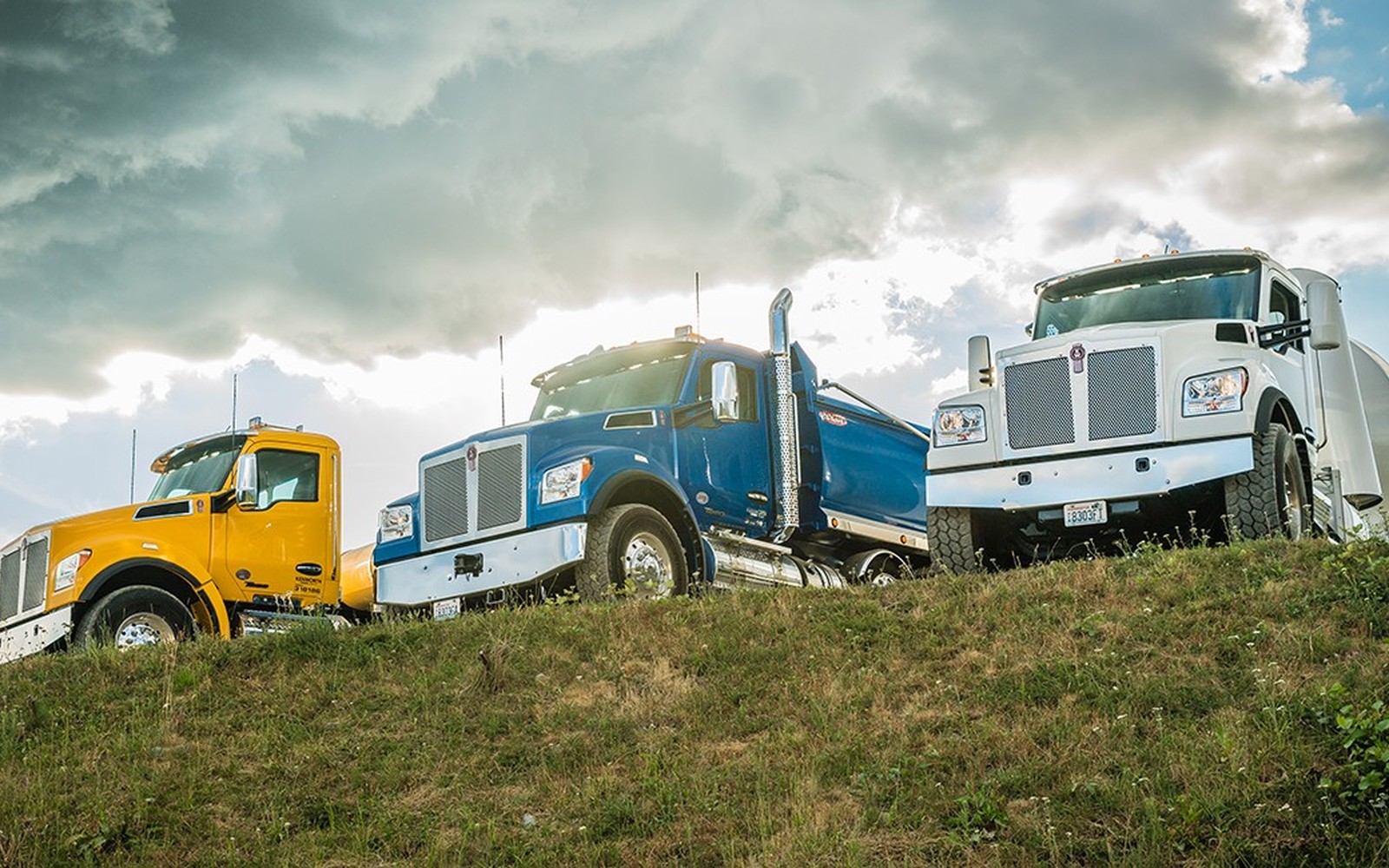
The Ambassador Bridge in Detroit handles the largest single volume of U.S.-Canada truck freight, but the Buffalo crossings collectively are a close second region, and the Ontario manufacturing corridor between Windsor, Hamilton, and the Toronto suburbs sends a steady stream of automotive parts, steel, and manufactured goods through the Buffalo crossings. Operators running these cross-border lanes need day cab tractors compliant with both Canadian and U.S. standards, and dry van trailers or flatbed trailers spec'd for the mixed load types common in cross-border manufacturing supply chains.
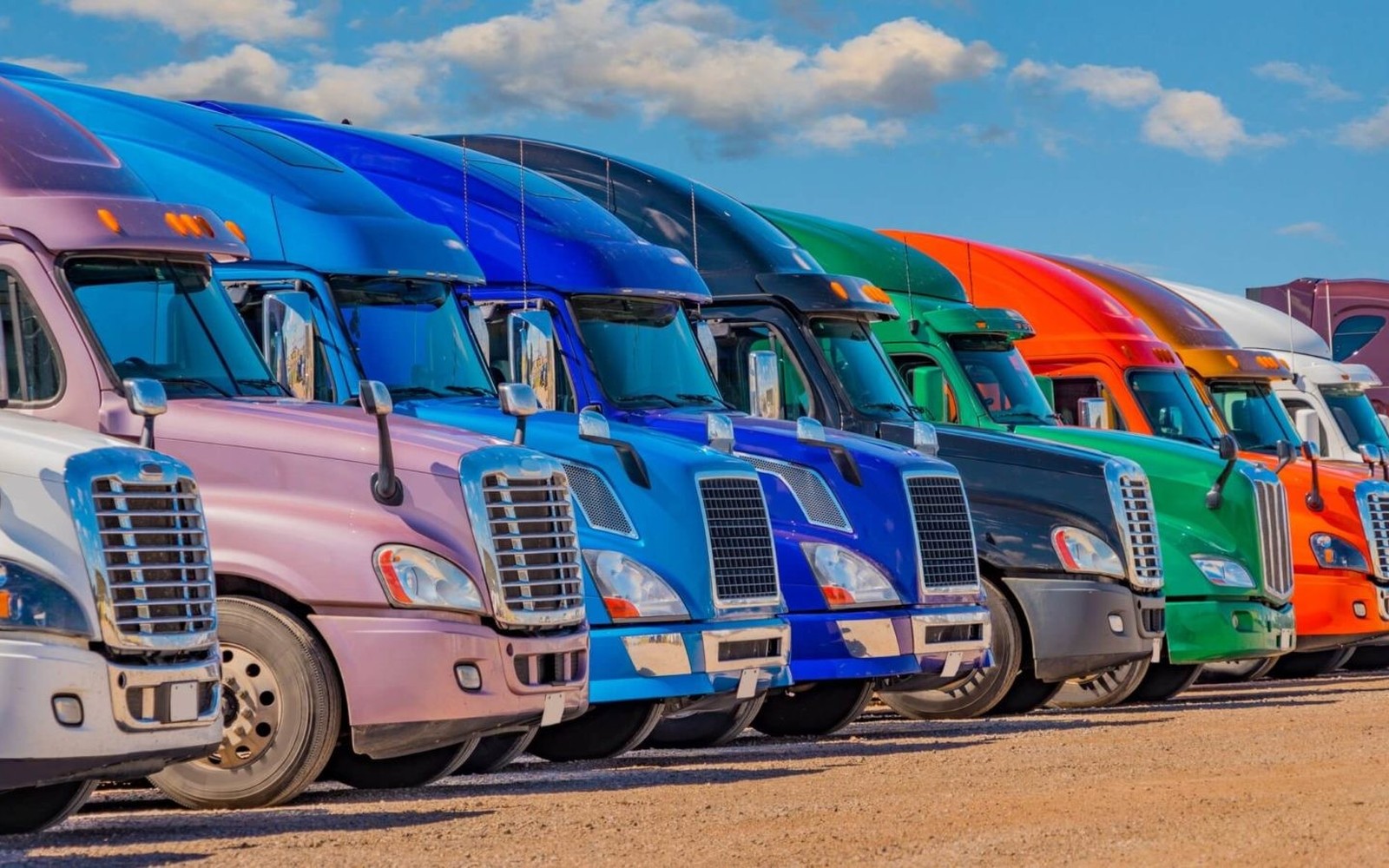
The New York State Thruway (I-90) running east from Buffalo creates a second corridor dynamic, connecting Western New York to Rochester, Syracuse, and eventually Albany and the Hudson Valley. Carriers on these lanes often run sleeper tractors for drivers doing overnight runs to the New York metro, while shorter-haul operators within Western New York rely on day cabs for the regional distribution work.
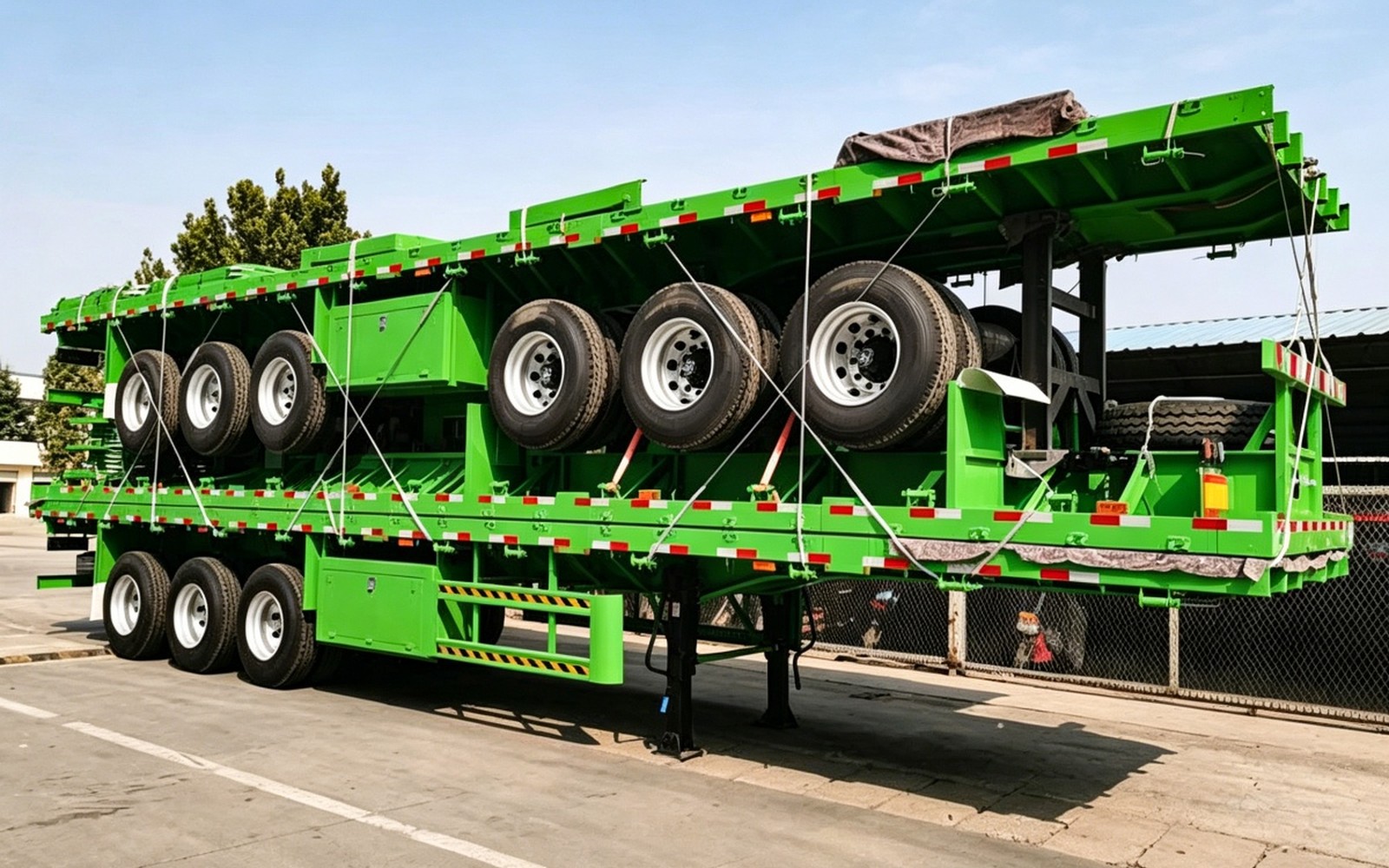
Buffalo's resurgent manufacturing and construction sectors, supported by significant semiconductor and green energy investment in the region (including the large-scale Micron investment in Central New York drawing contractor traffic through Buffalo), have driven demand for flatbed trucks and dump trucks serving infrastructure and commercial building projects throughout Erie and Niagara counties.
What Qualifies in the Buffalo Market
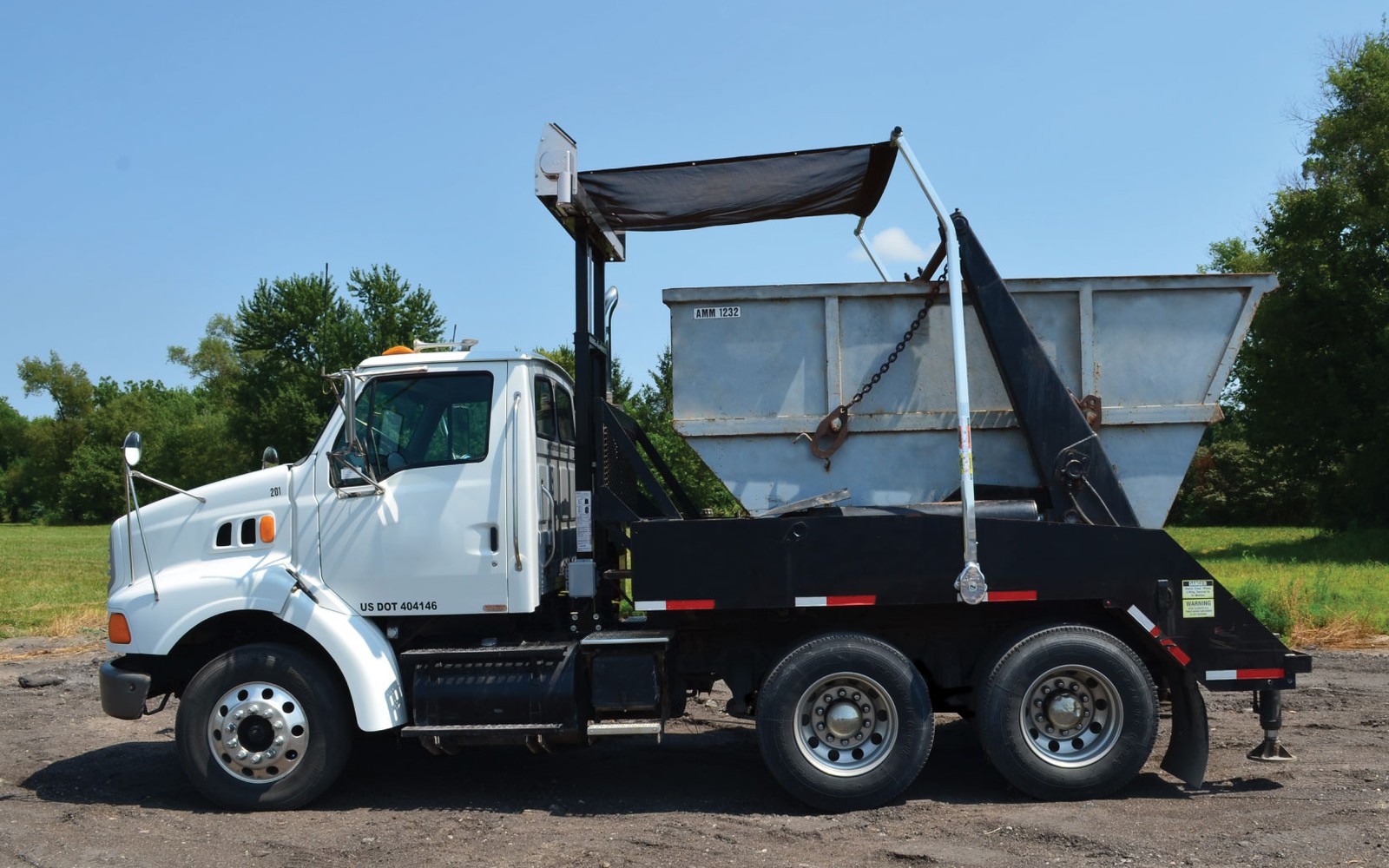
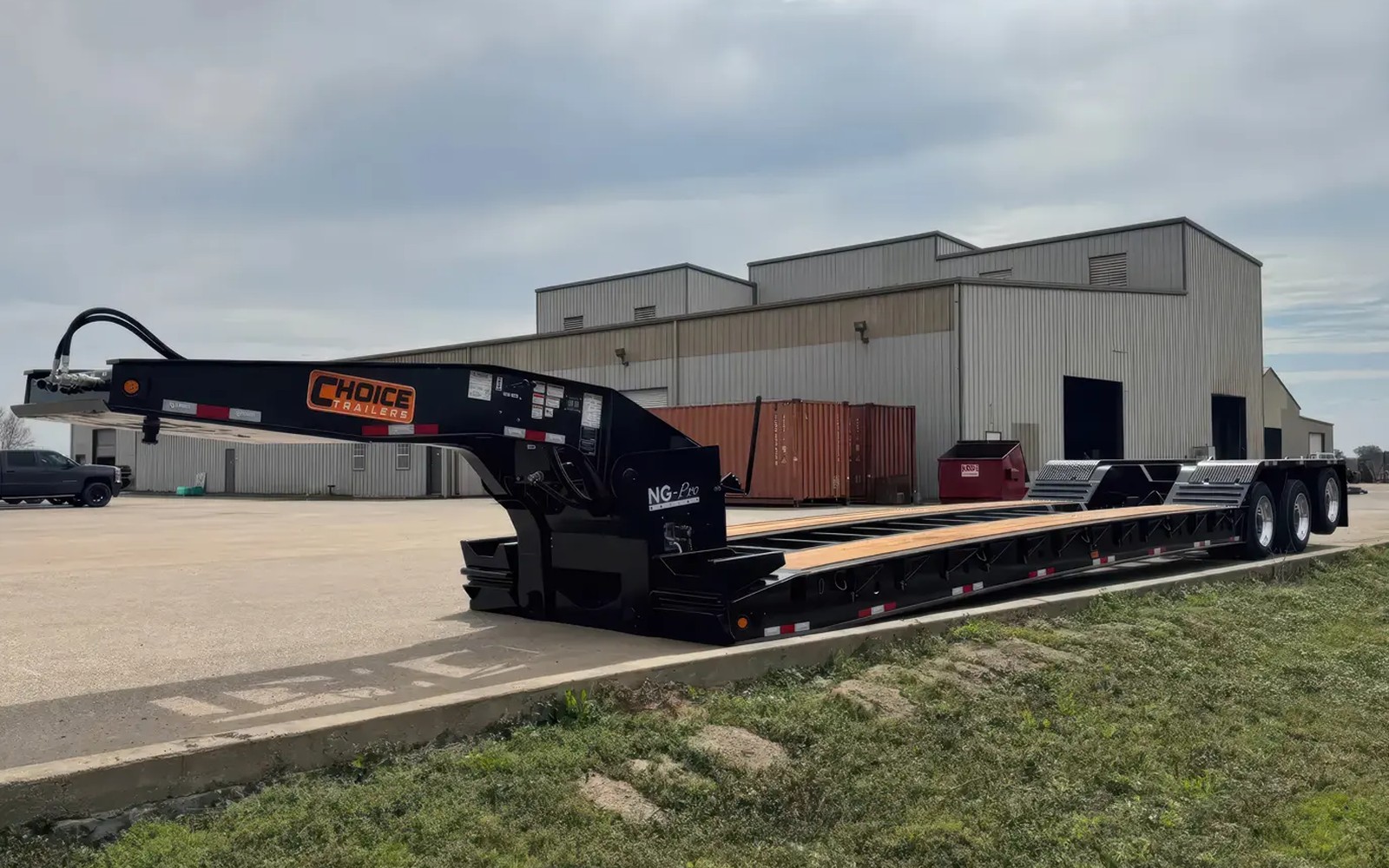
The Buffalo market spans a range of equipment types that we are comfortable financing. Day cabs for port and border drayage. Sleepers for Thruway and regional runs. Flatbeds and lowboys for the construction and manufacturing sectors. Refrigerated units for the food processing and agricultural distribution that remains significant in Western New York's economy. Lowboy trailers for the heavy construction equipment movement that accompanies large infrastructure projects are a niche category we see in Buffalo that is less common in the eastern Pennsylvania markets.
Cross-border operation does not disqualify a truck from our financing program. We finance equipment that runs into Canada regularly, understanding that it is a normal commercial pattern for Buffalo-area fleets. The key requirements are that the equipment is properly titled, valued at current market, and that the operator has a business with demonstrable revenue history.
New and used equipment are both fully eligible. Used truck availability in Buffalo benefits from proximity to Detroit and the Upper Midwest, where fleet disposal from the automotive supply chain generates well-maintained used units. A good-condition used day cab from a Michigan or Ohio fleet operator often enters the Western New York market and represents value that operators here know how to evaluate. We finance those transactions without the added friction some lenders attach to private-party or cross-state purchases.
The Application and Credit Process
For most Buffalo fleet transactions under roughly $400,000, the documentation is a one-page application plus three months of business bank statements. That handles the income verification, revenue pattern assessment, and cash flow picture in a single step. We do not ask for tax returns upfront on deals that do not require them. Approval comes back in 24 to 48 hours on clean files, and funding closes in about two weeks.
Operators with B or C credit are evaluated with the same process, with honest communication about what the terms look like at that credit tier. B and C credit fleet financing is a real program, not a fallback. If the business revenue is consistent and the operation has been running for at least a year with demonstrable income, we can usually find a workable structure. Operators who took credit hits during difficult freight cycles but have rebuilt their business profile in the years since are often better candidates than their scores suggest.
Newer operators under two years in business have access to new authority truck financing if they are operating under their own operating authority, or startup fleet financing programs with structured down payment requirements. We are direct about what is available and what it costs rather than routing new operators through a standard application only to decline them at the end.