Denver's fleet operators deal with something that East Coast operators rarely think about: altitude, grades, and weather combined on every mountain run. A truck spec'd for flat Interstate work will underperform on I-70 heading into the mountains, and a maintenance program that works fine at sea level needs adjustment in Colorado's thin air. Fleet operators based in Denver who run I-70 or US-285 into the mountains know the equipment has to be spec'd right, serviced on schedule, and replaced before aging iron starts costing more than the loads it hauls.
We finance truck fleets throughout the Denver metro and the broader Front Range corridor, from Boulder down through Castle Rock and into the Colorado Springs area. Minimum deal is $50,000, most transactions fall running about $100k to $150k. Application-only approval up to roughly $400,000. Closing scheduled once the package is complete. B and C credit considered on the full business picture, not just the score.
Denver's Freight Market: Energy, Mountain, and Regional Distribution
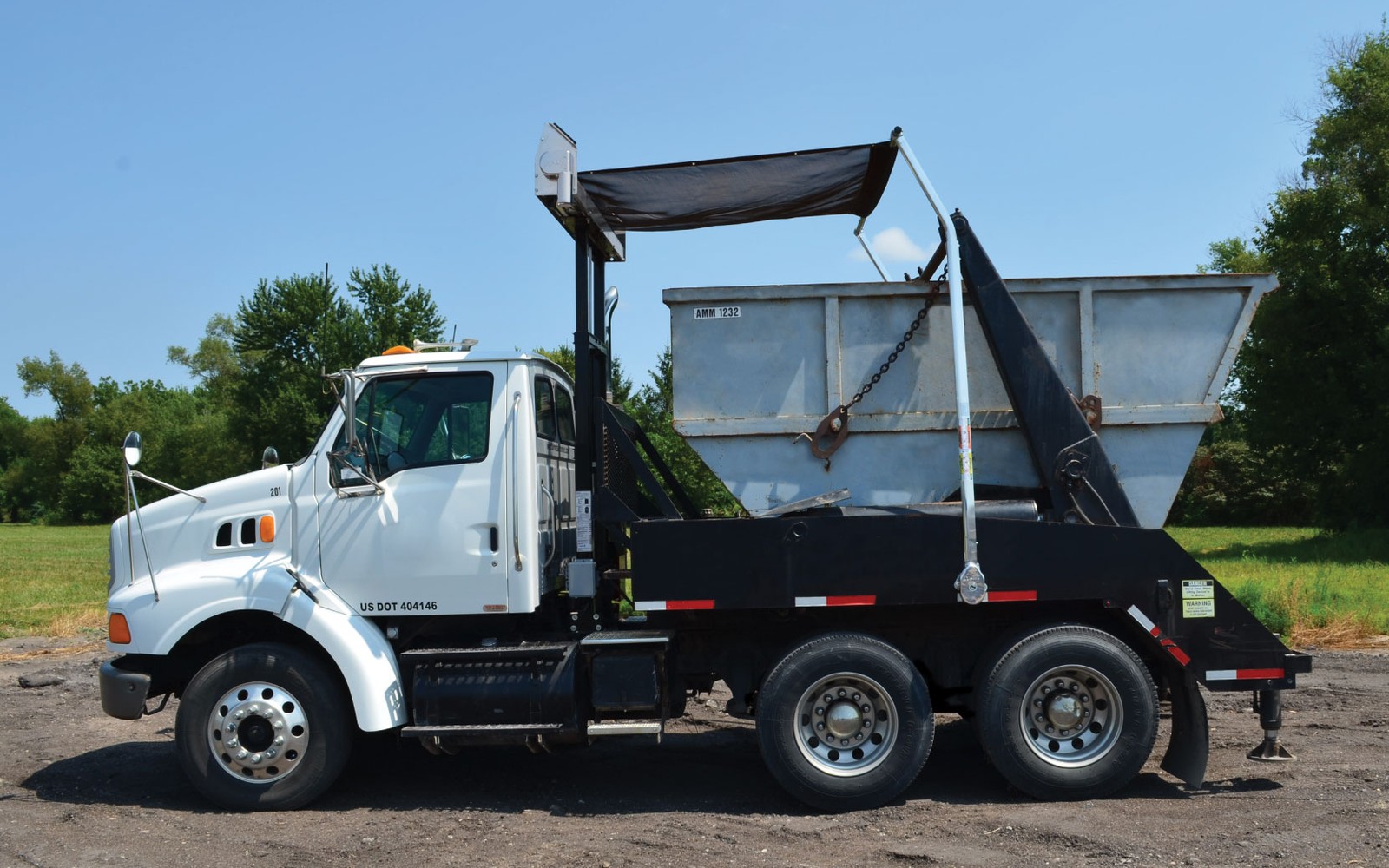
The DJ Basin (Denver-Julesburg Basin) oil and gas production activity in Weld County, Adams County, and extending northeast of Denver generates oilfield services transport demand that is distinct from the mountain freight and distribution work that defines the southern I-25 and I-70 corridors. Oilfield services fleets working the DJ Basin run water trucks, vacuum trucks, and specialized flatbed configurations for moving frac equipment, tubulars, and well service gear. These operators need financing that understands their equipment and their cycle without requiring a lengthy education on what oilfield trucking is.
Mountain freight is a category unto itself. The I-70 mountain corridor carries freight to and from the ski resort communities, the Western Slope agricultural areas, and the mining activity around Grand Junction, Glenwood Springs, and beyond. Flatbed trucks and step-deck trailers moving construction materials to mountain resort communities, refrigerated delivery to the grocery and hospitality supply chains in Summit and Eagle counties, and regional freight to Western Slope communities that cannot be served from a Front Range distribution center without a mountain crossing all define the specific equipment demands here.
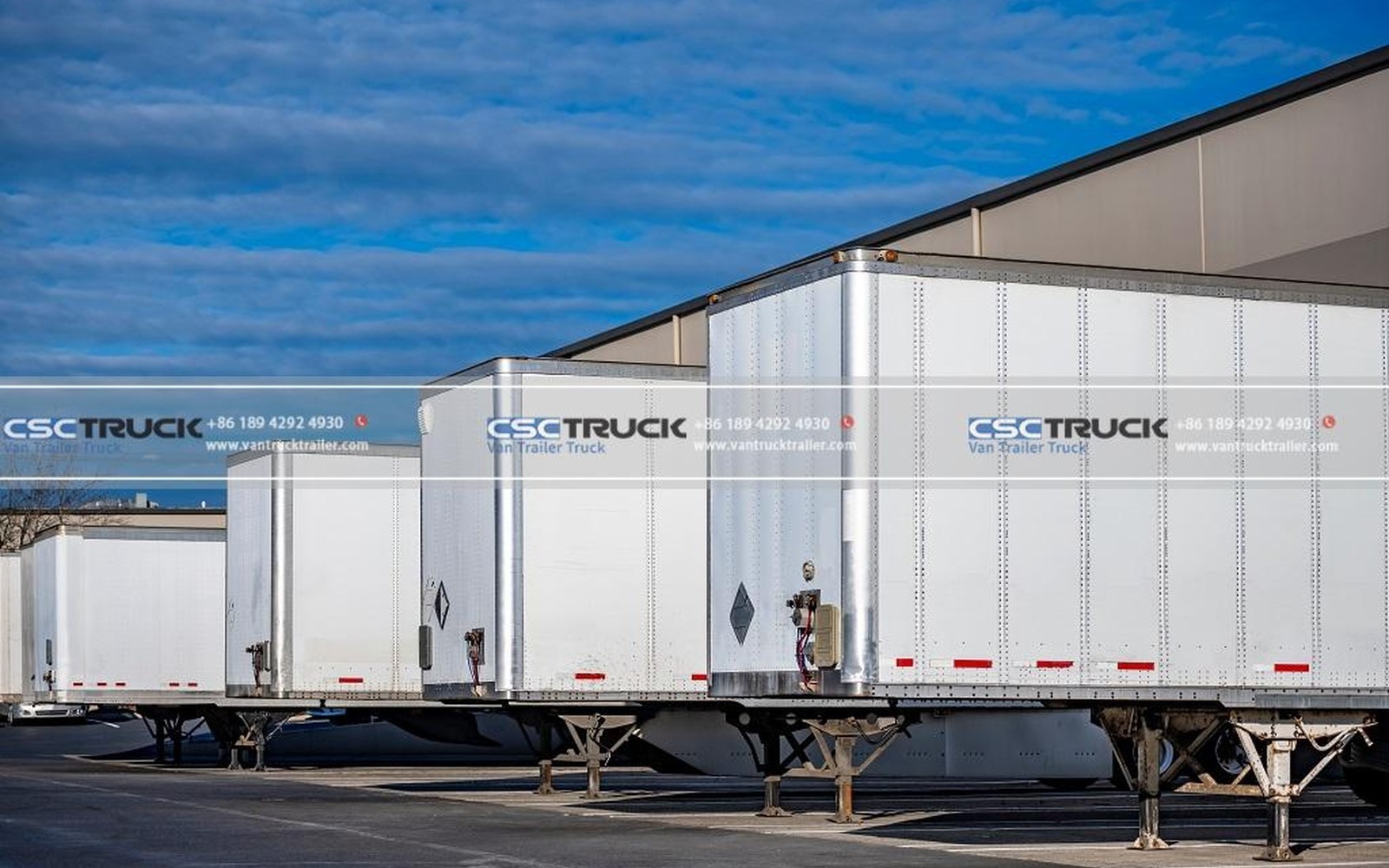
Denver's role as a regional distribution hub for the Mountain West adds a third layer. The intermodal facility in Denver and the Union Pacific and BNSF connections through the city make it a natural origin point for distribution serving Wyoming, Utah, and New Mexico. Dry van trailers and refrigerated trucks serving the Mountain West from Denver distribution centers are a consistent part of the fleet financing market here.
Equipment Choices for Colorado Operations
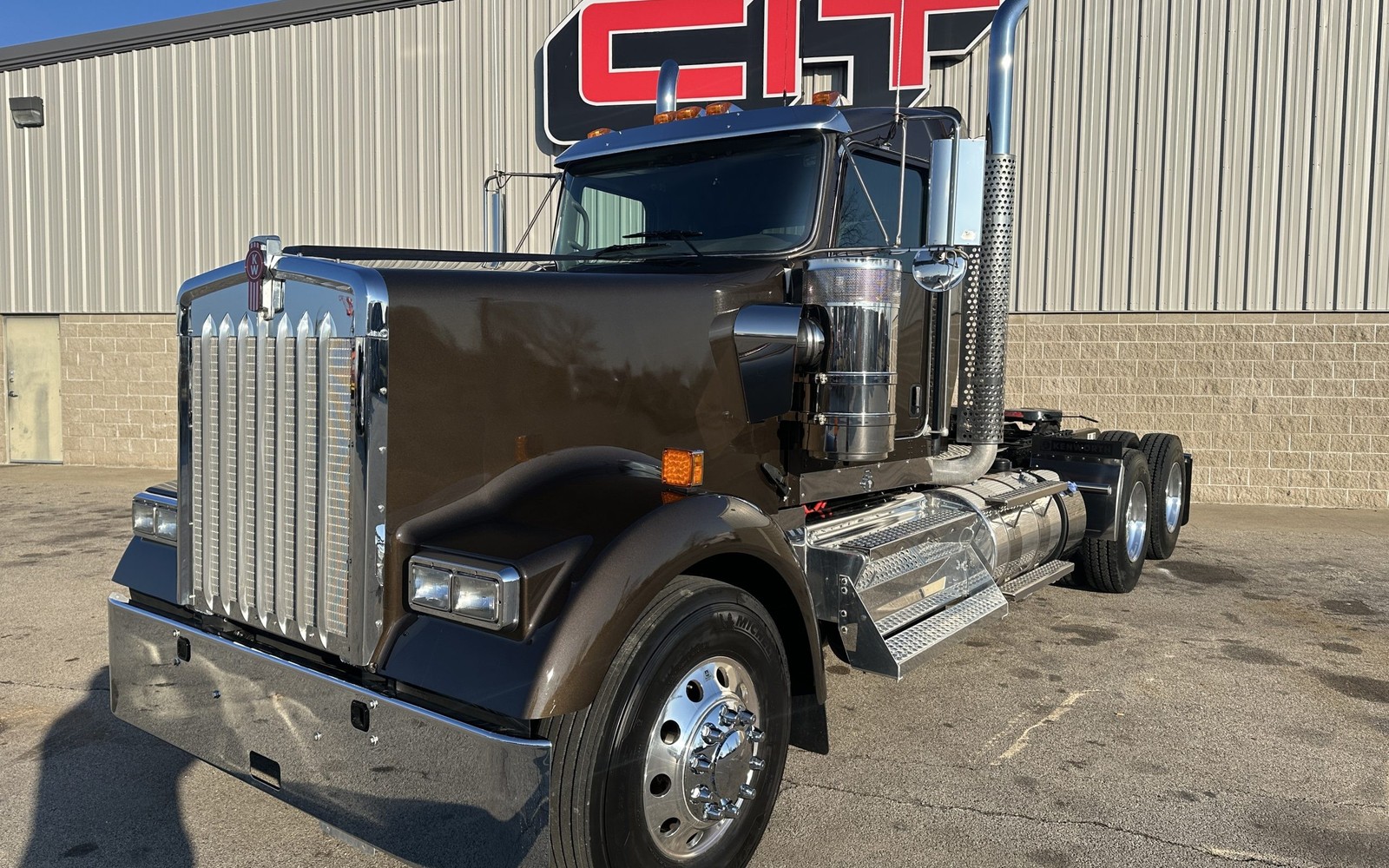
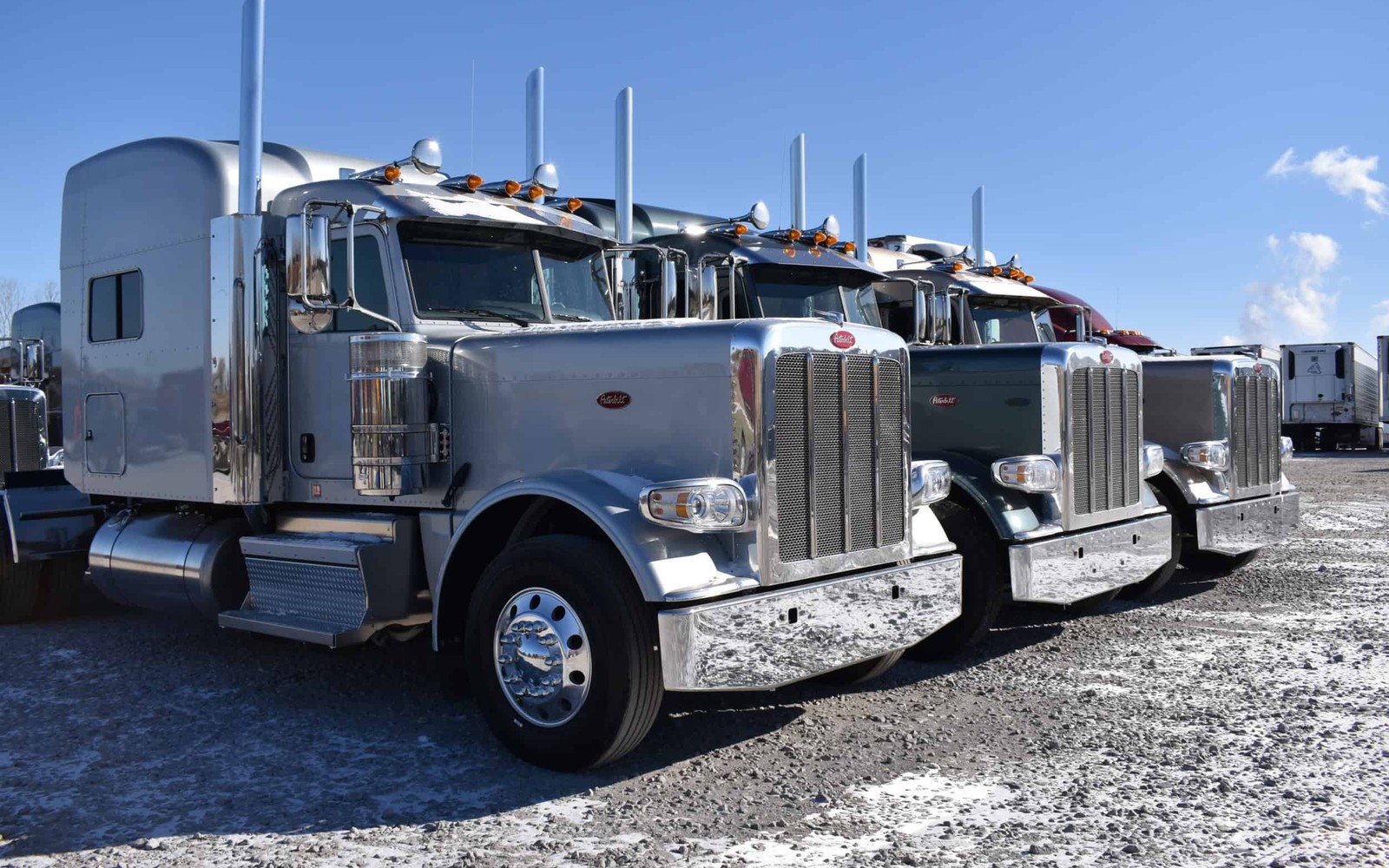
Mountain freight puts different demands on a truck than flat Interstate work. Operators running I-70 into the mountains know that engine braking capability, transmission specs, and cooling system design matter more here than on a Texas-to-Oklahoma run. The most common mountain freight tractors we see in Denver are Kenworth T880s and Peterbilt 567s spec'd for vocational mountain use, alongside Freightliner and Mack units in various configurations. These units hold their value better than base-spec highway tractors in this market because demand for properly-spec'd mountain equipment keeps used prices firm.
Day cabs dominate the DJ Basin oilfield work because pad-site access roads limit trailer lengths and the runs are short enough that sleeper accommodations are not needed. Used day cabs with documented oilfield service history are a segment we finance regularly, and the documentation trail on oilfield equipment is usually better than average because production company requirements create maintenance record keeping discipline.
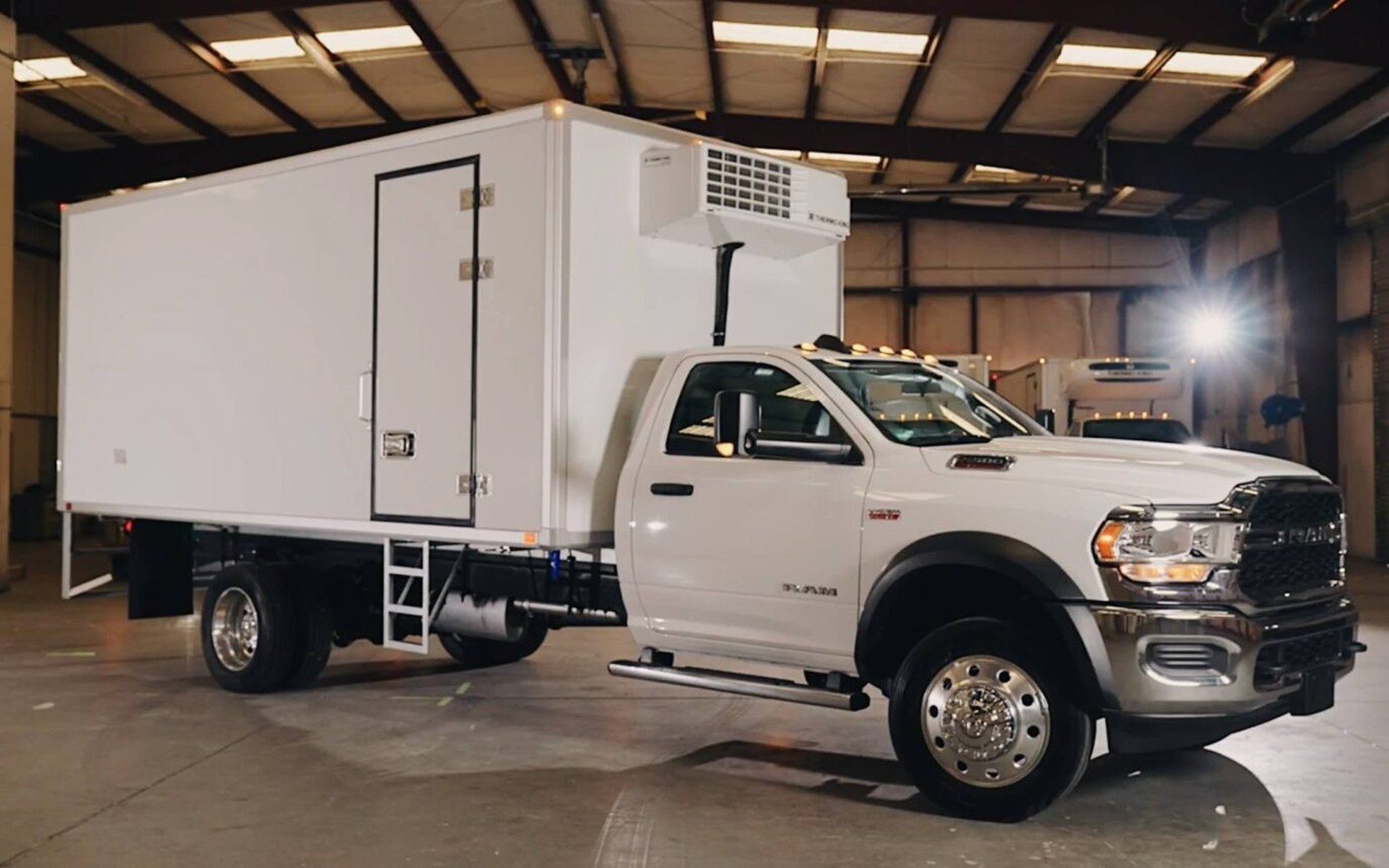
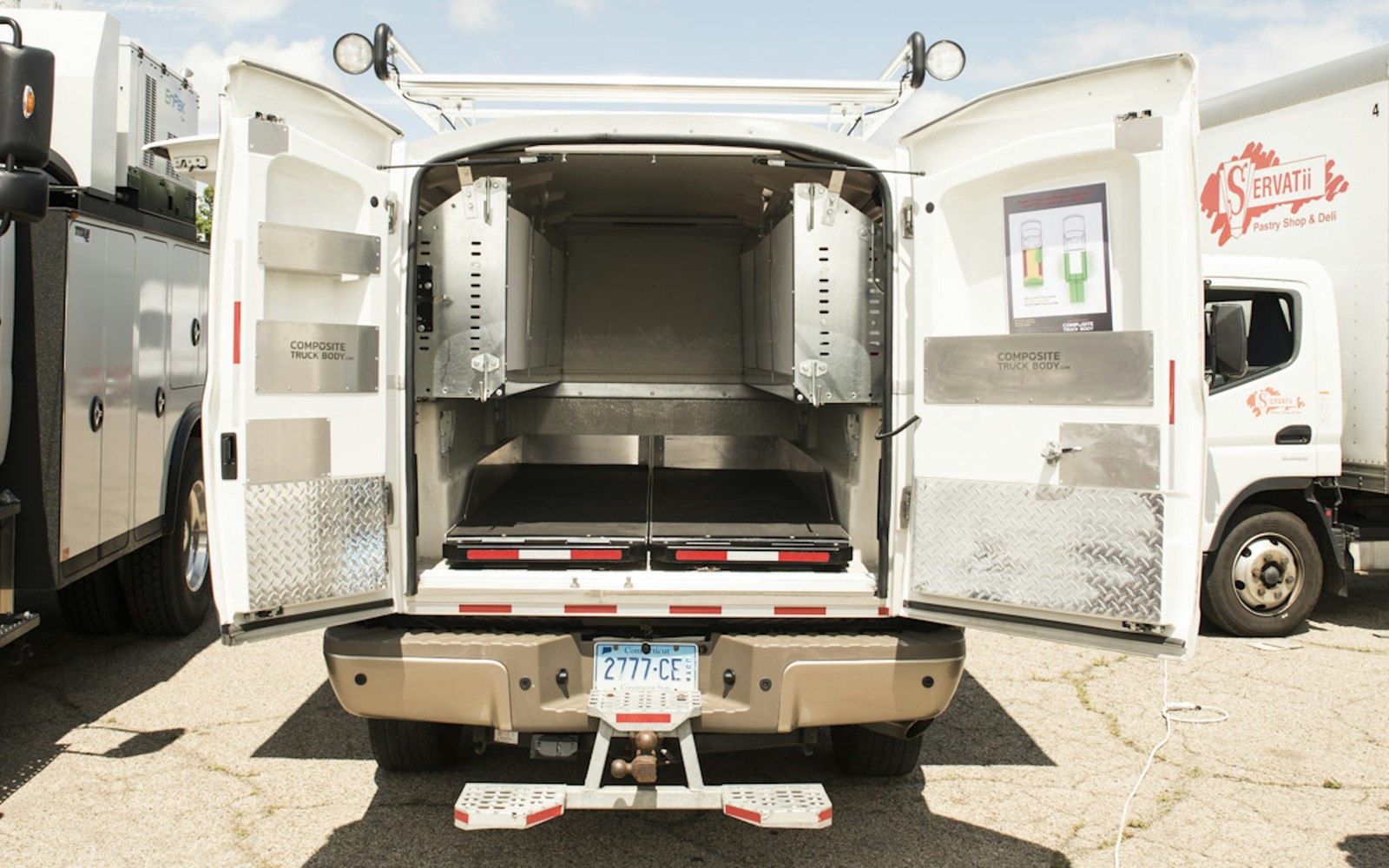
For the e-commerce and last-mile distribution boom in the Denver metro, cargo vans, Sprinter vans, and medium-duty box trucks are the volume equipment. Denver's population growth over the past decade has sustained last-mile demand through multiple freight cycle turns, and the operators serving the suburban delivery markets in Aurora, Arvada, and Highlands Ranch need fleet capacity that can grow with their contract volumes.
Refinancing and Cash-Out Options for Denver Fleets
Denver's freight market has gone through significant rate and volume changes over recent years, and some operators financed equipment at rates or terms that no longer reflect their improved business position. Fleet refinancing is a regular tool for operators who want to restructure existing notes without adding units, and the process is straightforward when the equipment values support it.
Cash-out truck refinancing provides liquidity for operators who have equity in owned or low-balance equipment. An operator who owns five trucks outright after paying off earlier financing can use a cash-out refinance to extract working capital for a yard expansion, a bid bond on a new contract, or to add a sixth unit to the fleet without a separate purchase financing transaction. The math often works better than drawing on a line of credit at higher rates.
For operators with seasonal variation, which is common in Colorado where mountain freight slows significantly during mud season and certain construction work stops in winter, seasonal deferred payment financing can align the payment schedule with when the revenue actually arrives. A Denver operator doing mountain resort supply who sees a strong November-through-April ski season and a slower summer should not be straining cash flow in June to make flat monthly payments.