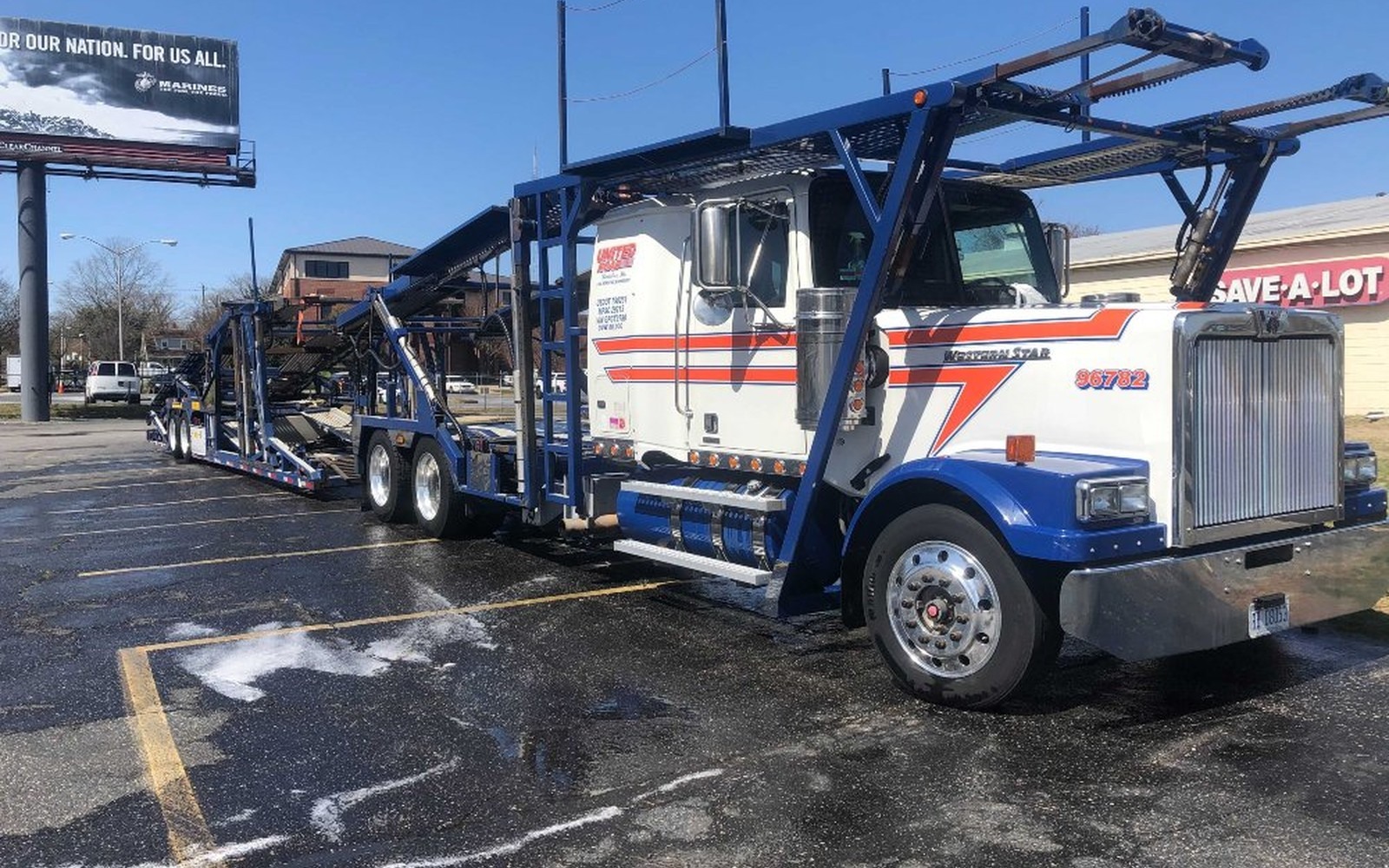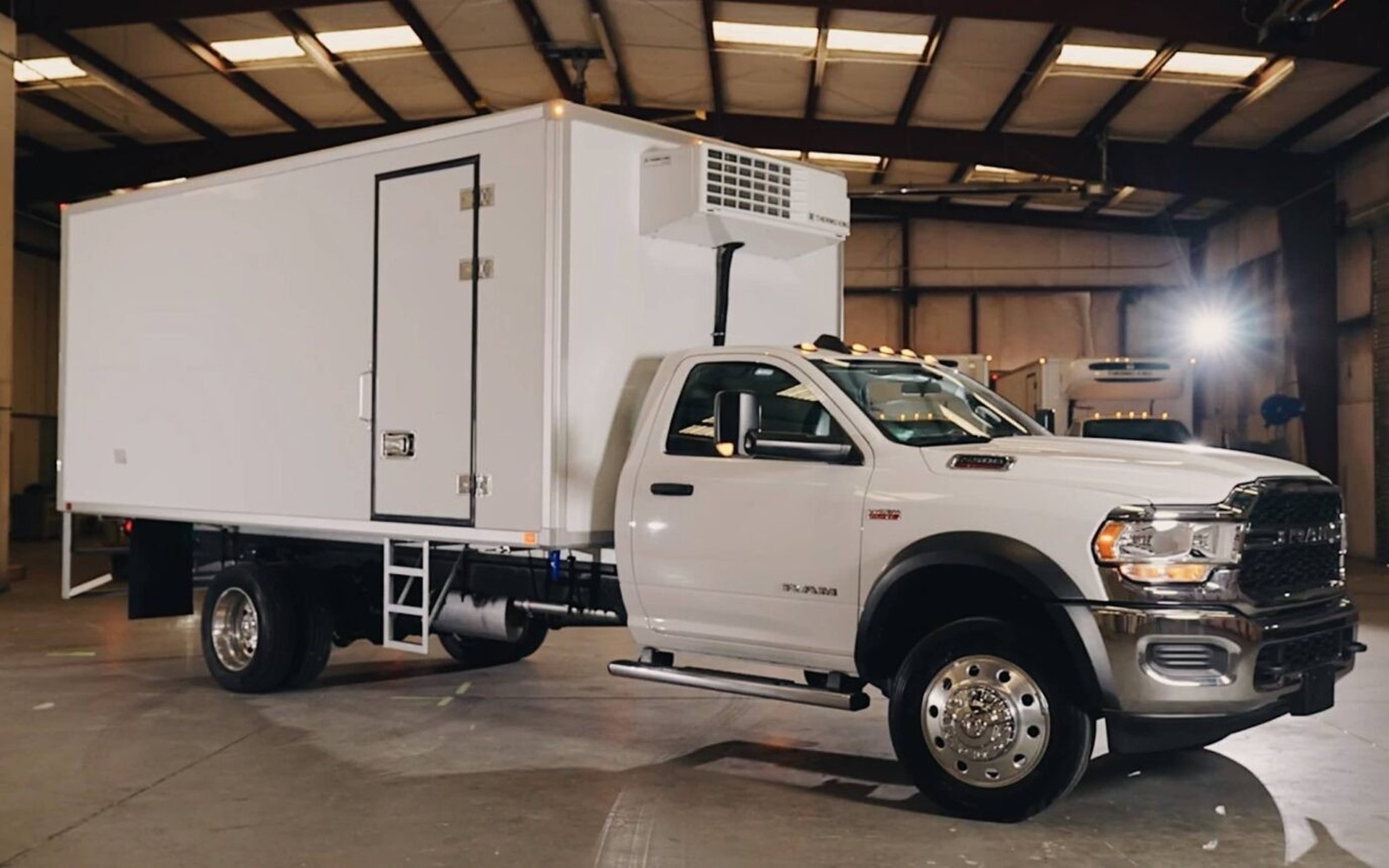
Fort Worth's logistics profile is distinct from its eastern neighbor in ways that matter to fleet operators. The Alliance Texas megaplex in the city's northern tier, with BNSF's intermodal facility at its core and over 50 million square feet of industrial and logistics development surrounding it, generates freight movement that is almost entirely truck-dependent on the final-mile side. Operators running equipment in and around Alliance are moving goods for aerospace manufacturers, consumer goods distributors, and a growing roster of e-commerce fulfillment centers. The throughput demands are high and the replacement cycle for the trucks serving those facilities is short by any standard.
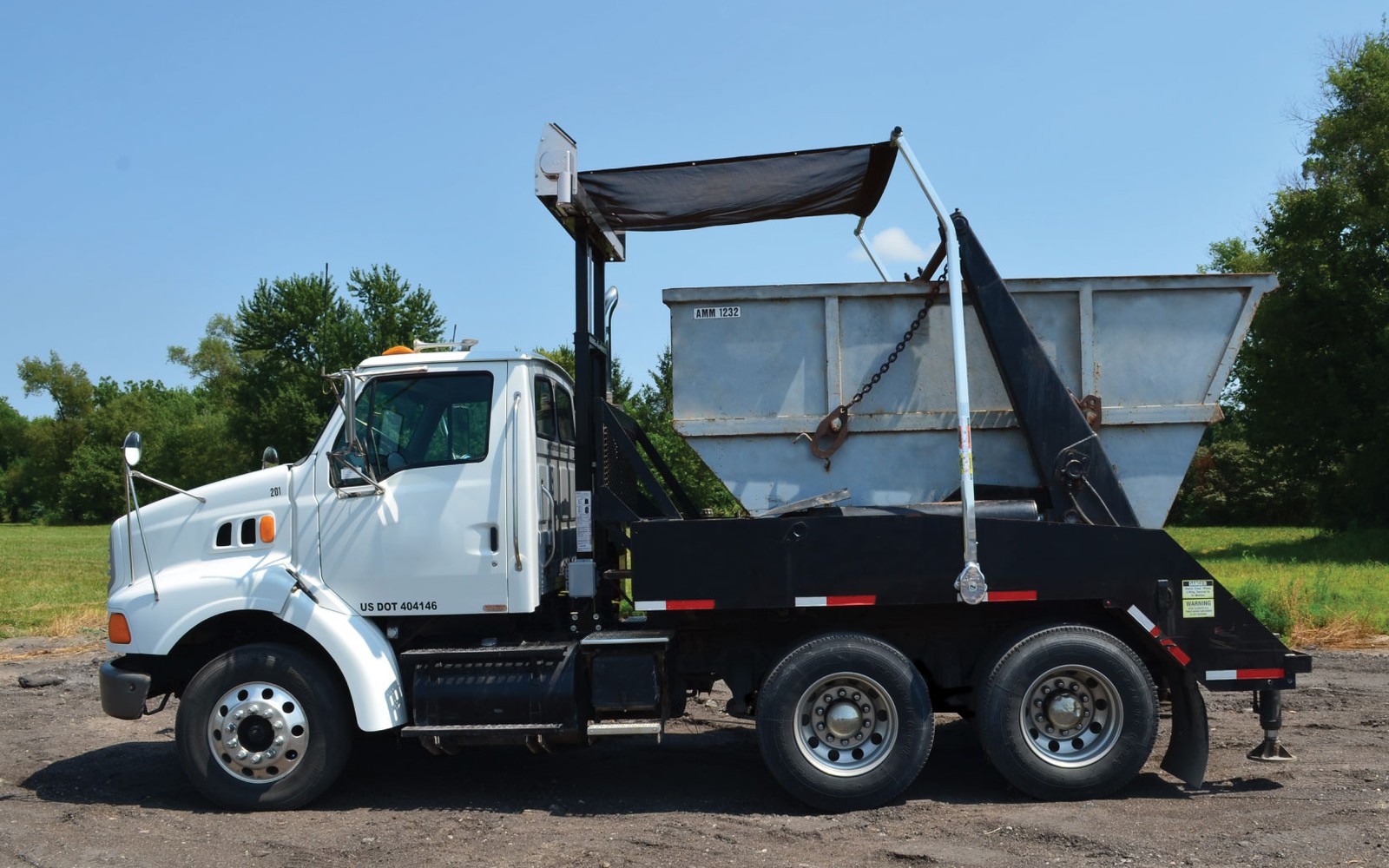
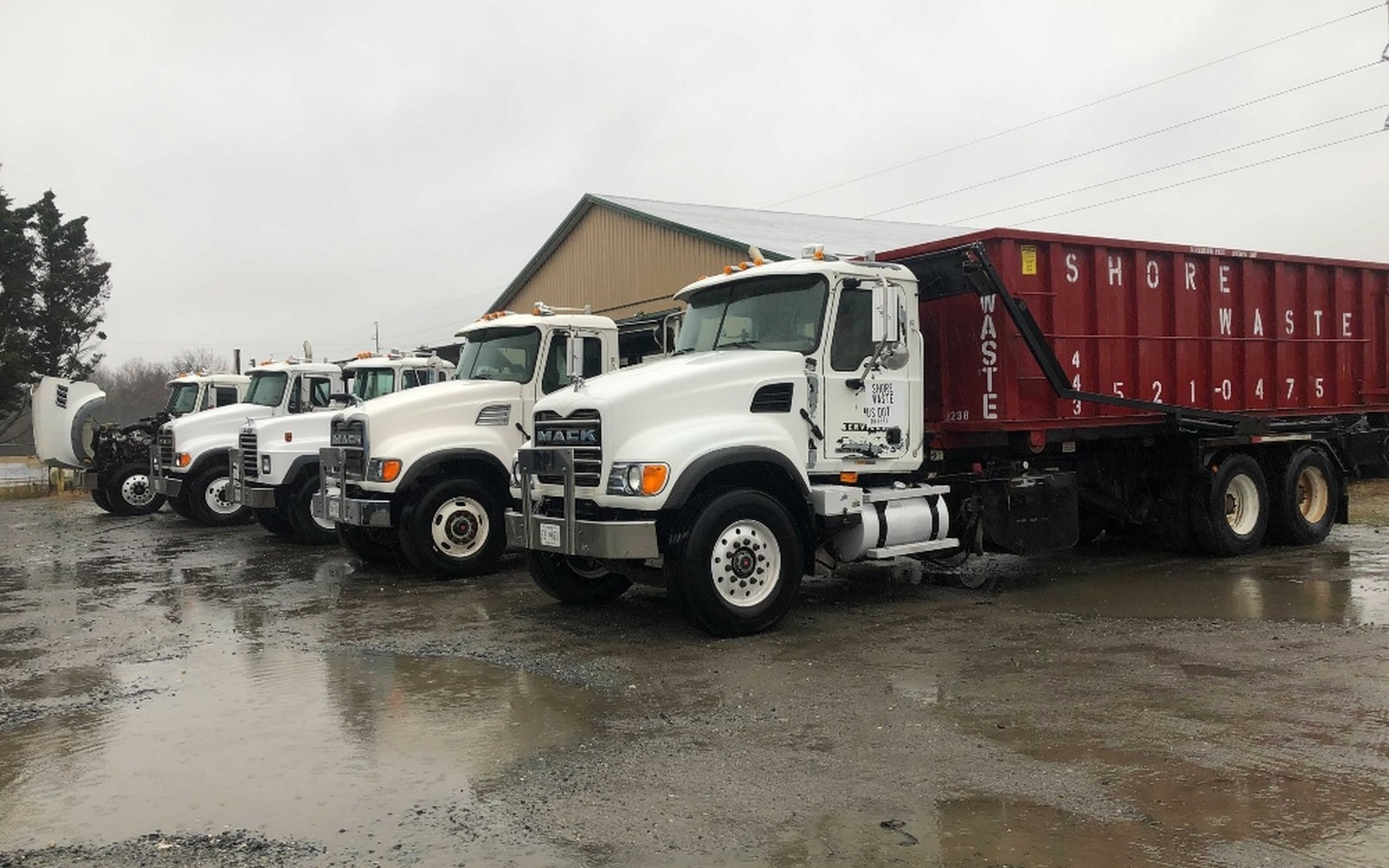
We finance commercial truck fleets for Fort Worth-area operators from the straightforward to the complicated. Day cabs pulling regional loads out of the Alliance corridor, sleepers running west toward the Permian or south toward the Gulf, flatbed truck fleets servicing the construction activity across Tarrant County, service trucks working the oil and gas infrastructure west of the metro, all of these are equipment categories we finance on a regular basis. Our floor is $50,000 and the typical transaction lands between $100,000 and $150,000, with application-only decisions available up to roughly $400,000.
Equipment Profile for the Fort Worth Market
The freight moving out of Fort Worth's industrial corridors skews heavily toward Class 7 and Class 8 equipment. Sleeper tractors run the long-haul lanes; day cabs handle the regional and intermodal drays. The BNSF terminal at Alliance generates consistent drayage demand, and the trucks serving that terminal put on miles in concentrated patterns that accelerate wear cycles. An operator running intermodal dray from the BNSF facility typically turns trucks faster than a standard long-haul fleet, and financing that accommodates a shorter replacement cycle (shorter terms, lower residuals) makes more economic sense than stretching a note on iron that will be past its prime well before payoff.
Tarrant County's construction sector, which has been running at a high pace through the broader DFW residential and commercial building cycle, drives demand for crane truck fleet financing and heavy-haul flatbeds. Steel-service centers, precast yards, and roofing material distributors all depend on trucks to move product to job sites, and those operators often need to add equipment mid-project without waiting for a lengthy approval process. We know that constraint and build the process around it.
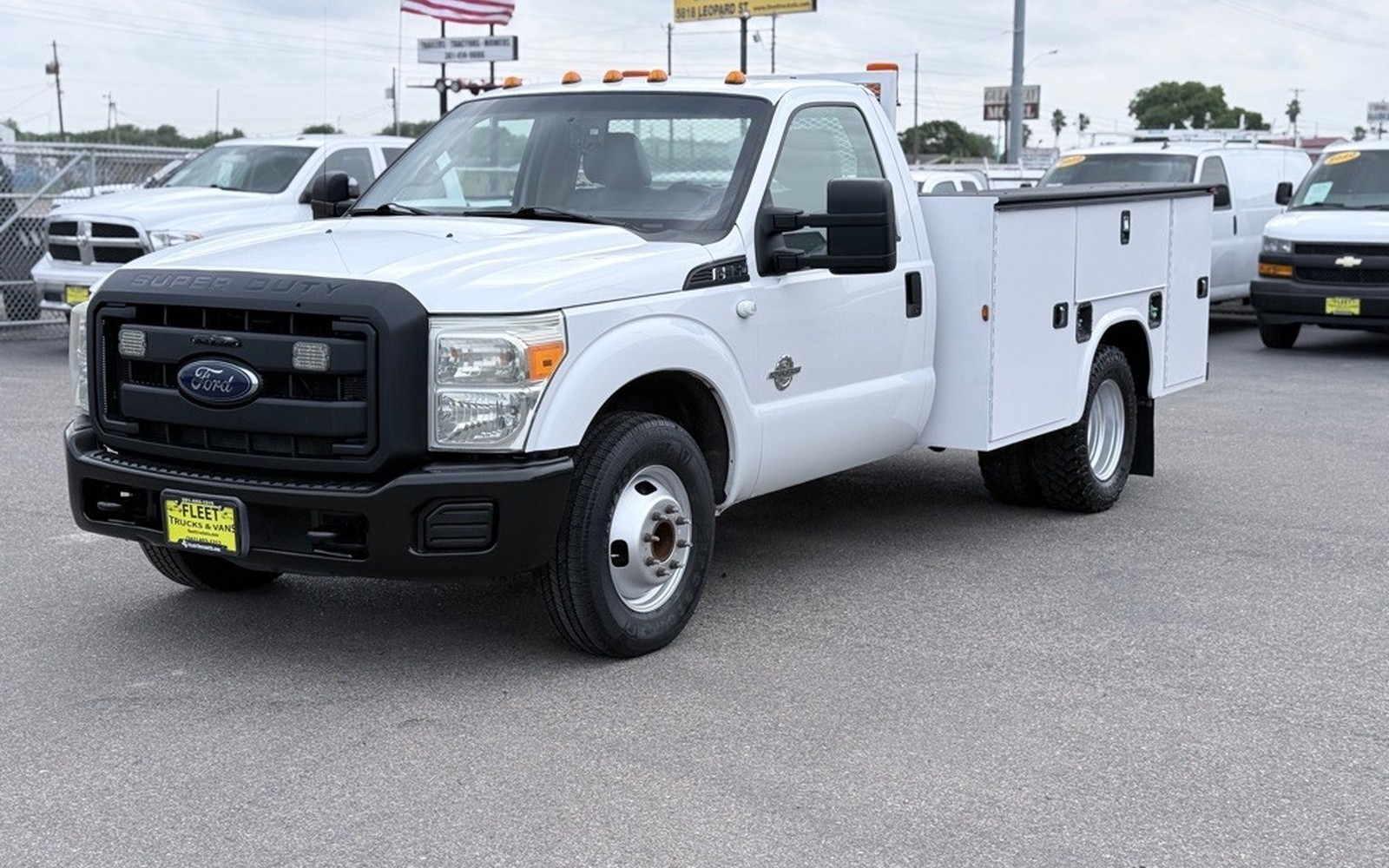
Service truck fleets for the oilfield, utility, and mechanical sectors are also common in the Fort Worth market. West Texas operations often stage equipment in Fort Worth before deploying to the Permian, and operators buying or refinancing that service equipment benefit from a lender who understands how the asset is actually used in the field.
Refinancing and Equity Options for Existing Fleets
Not every financing conversation starts with a new purchase. A meaningful share of the operators who call us are looking at existing equipment: trucks they own free and clear, notes they want to reduce, or equity they want to convert to cash for operations. Fort Worth fleet managers who have accumulated iron over several years often have substantial equity sitting in their trucks while they manage tight working capital. A fleet sale-leaseback converts that equity to usable cash while keeping the equipment in service under the operator's control.
The mechanics are simple. We value the fleet, purchase the equity in the trucks, and lease them back to you on terms that fit your payment capacity. Your drivers keep driving, your contracts keep running, and you have cash on hand for payroll, insurance deposits, fuel costs, or the down payment on a facility expansion. The lease payments are typically structured lower than a conventional loan on the same asset base because we are financing equity, not purchase price.
Truck fleet refinancing is a related option for operators who have existing notes they want to restructure. If rates have moved, if the original loan terms were not optimal, or if you want to extend the term to reduce monthly outlay, refinancing the current balance into a new note is often a straightforward transaction. We handle both approaches and can run the numbers on both scenarios so you can see the comparison clearly before deciding.
Timeline and Documentation
Fort Worth operators who need to move on equipment fast are the norm, not the exception. The pace of construction projects, the commitment windows on intermodal dray contracts, and the simple reality that trucks sit at auction for only a short window all put pressure on the financing timeline. We structure our process to reflect that reality.
Application-only deals under roughly $400,000 move quickly. For most transactions in that range, we need the equipment details (year, make, model, mileage, price), the business information, and a completed credit application. Bank statements are helpful but often not required at this level. Decisions come back fast, and funding follows in approximately one to two weeks from a complete package.
Larger transactions, fleet blocks, and refinancing packages that exceed the application-only threshold will call for three months of bank statements and sometimes basic business financials. Even at that level, the timeline is typically within two weeks of a complete submission. We do not have the extended underwriting cycles that bank credit departments often impose, because we are not running these deals through a committee review process.
Related routes worth a look include Reefer Trailer Fleet Financing, and Flatbed Trailer Fleet Financing.