Positioned at the junction of I-44, I-55, I-64, and I-70, St. Louis is one of the most naturally positioned freight hubs in the country. The Mississippi River crossing connects east-west land corridors, the Port of Metropolitan St. Louis handles barge-to-truck transfers for agricultural and industrial commodities, and the metro's manufacturing base spans automotive, aerospace, chemicals, and food production. Every one of those sectors runs on commercial truck fleets, and fleet operators who lose a unit to downtime or to financing gaps feel it across multiple accounts at once.
We finance truck fleets across the St. Louis metro, including operators in St. Charles, Jefferson County, and the Illinois side of the river in communities like Belleville and O'Fallon. Minimum transaction is $50,000, with most deals between $100,000 and $150,000 and up. New and used equipment qualify. B and C credit are considered. Application-only approval is available up to roughly $400,000, and most funded deals close within one to two weeks.
St. Louis Freight: More Than the Gateway Arch
The freight economy in St. Louis runs deep and wide. The Port of Metropolitan St. Louis stretches roughly 70 miles along the Mississippi River and handles more than 30 million tons of cargo per year, making it one of the largest inland river ports in the US. That volume creates constant demand for short-haul drayage, transloading capacity, and bulk commodity trucking. Barge-to-truck transfers alone generate significant work for dump trucks, tanker trailers, and flatbed trucks operating within a 50-mile radius of the riverfront.
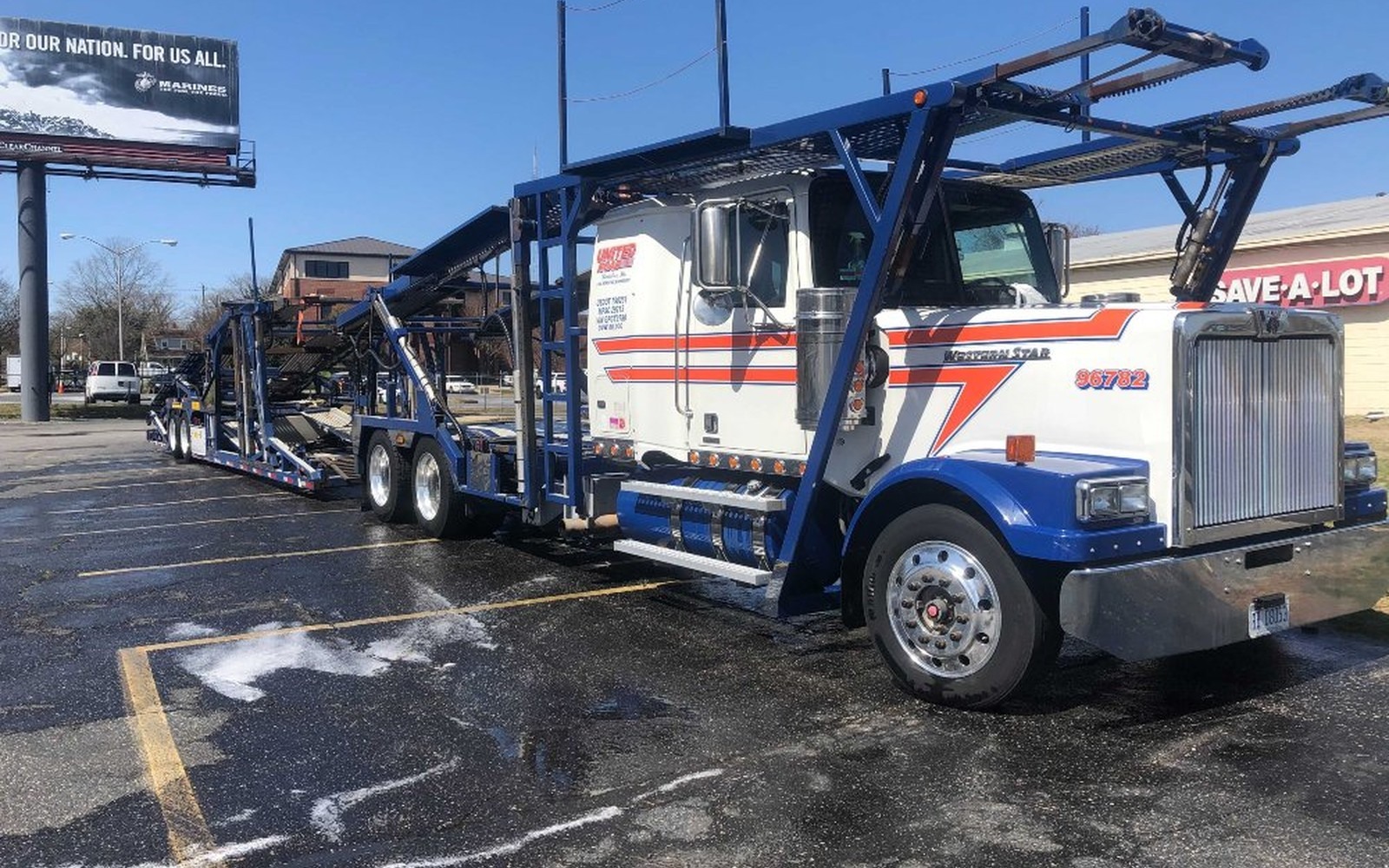
Automotive is another anchor sector. St. Louis has a long automotive manufacturing history, and the supplier base throughout the Missouri and Illinois portions of the metro generates steady inbound parts traffic and outbound finished-component shipments. Food and beverage processing, including major grain milling, brewing, and specialty food operations, keeps refrigerated capacity in demand year-round. And the construction market along the Missouri side has seen significant commercial and infrastructure activity that sustains demand for vocational trucks and heavy equipment support vehicles.
Who This Program Serves in St. Louis
The operators who use our program in the St. Louis market tend to be people who have real freight demand and need capital to match it. The mix looks like this:
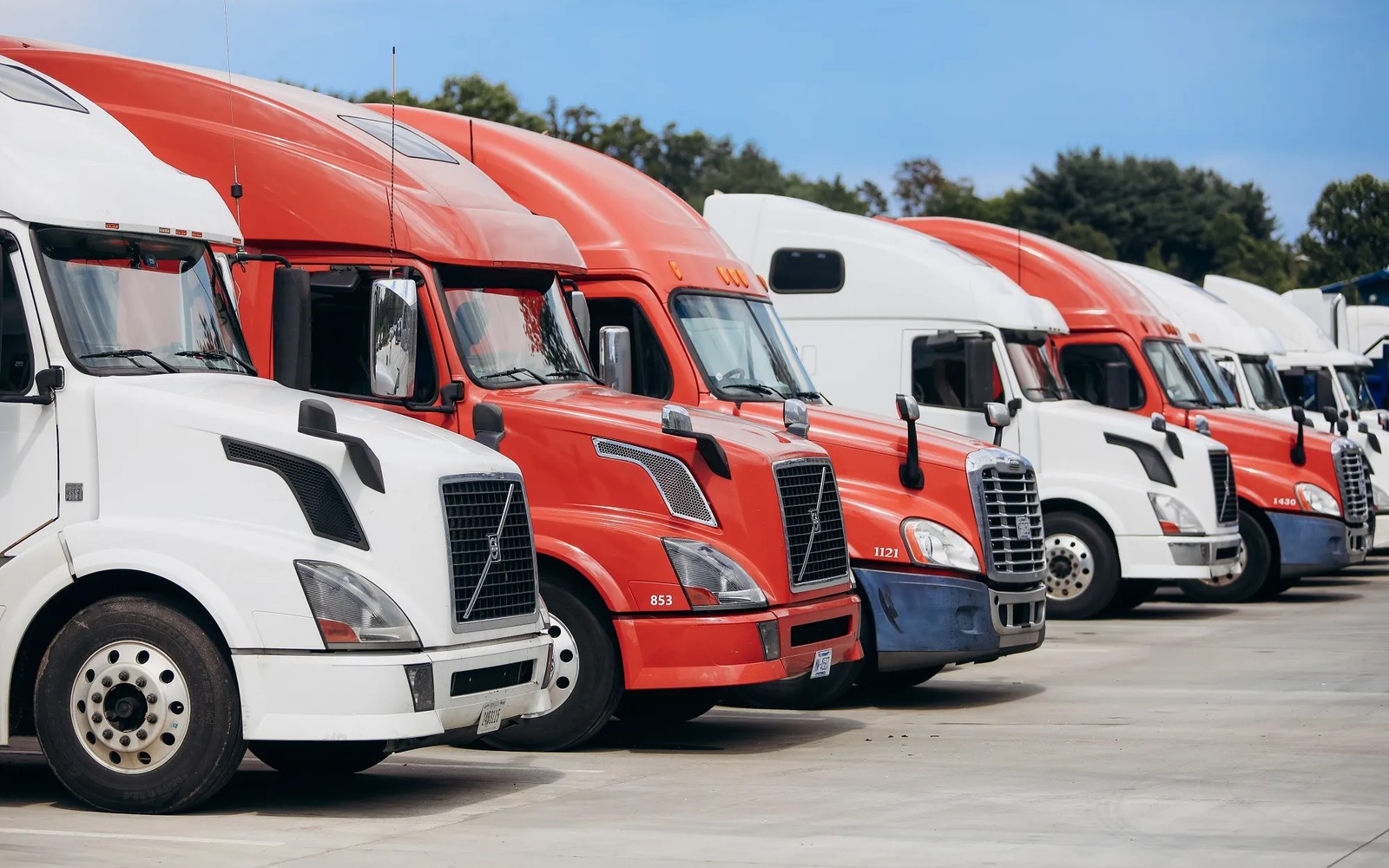
- Regional LTL and truckload carriers running lanes between St. Louis and Kansas City, Memphis, Indianapolis, and Nashville, replacing aging class 8 units without disrupting the payment cycle.
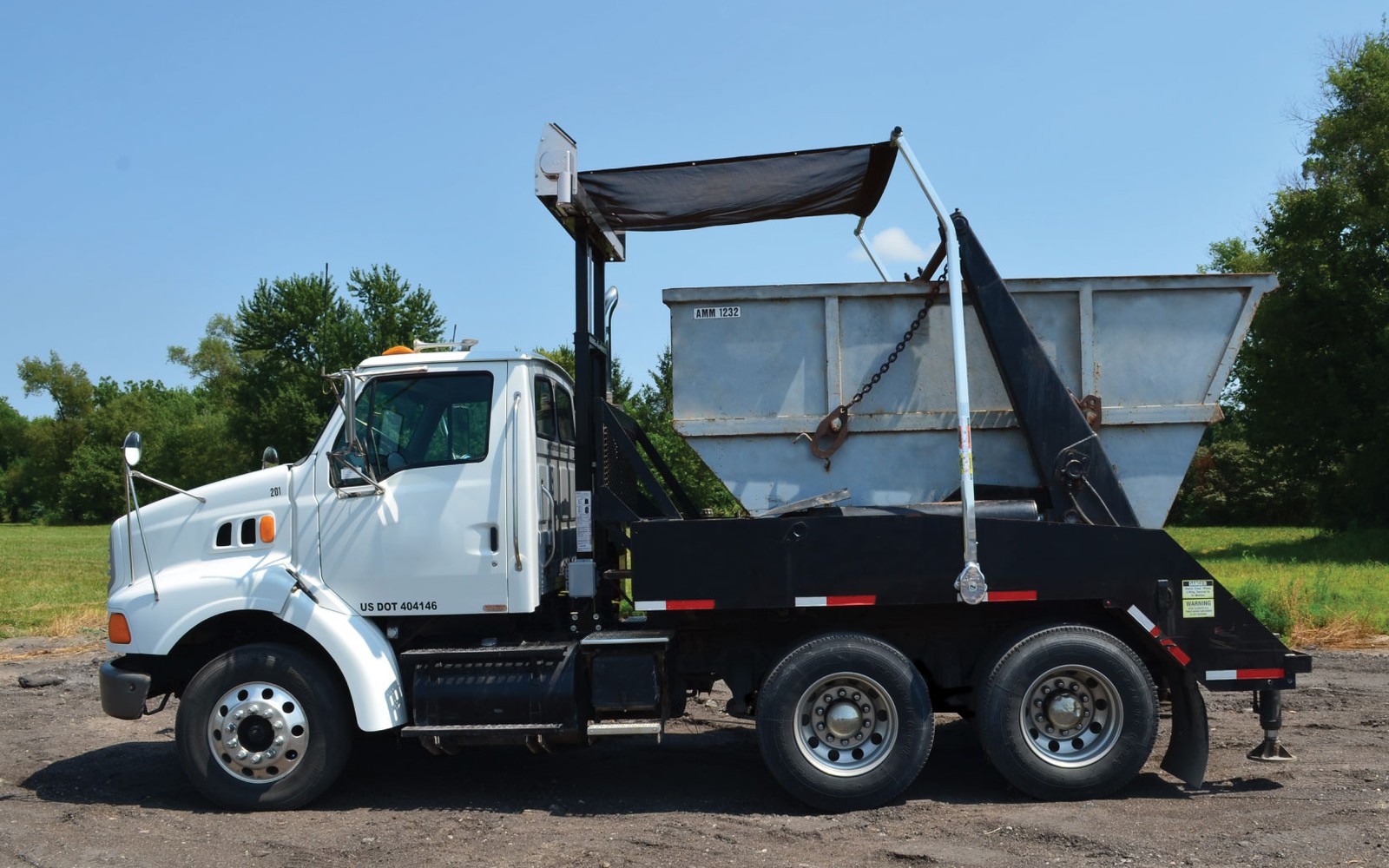
- Drayage and port-adjacent operators moving bulk commodity loads off the river and into distribution points across Missouri and southern Illinois.
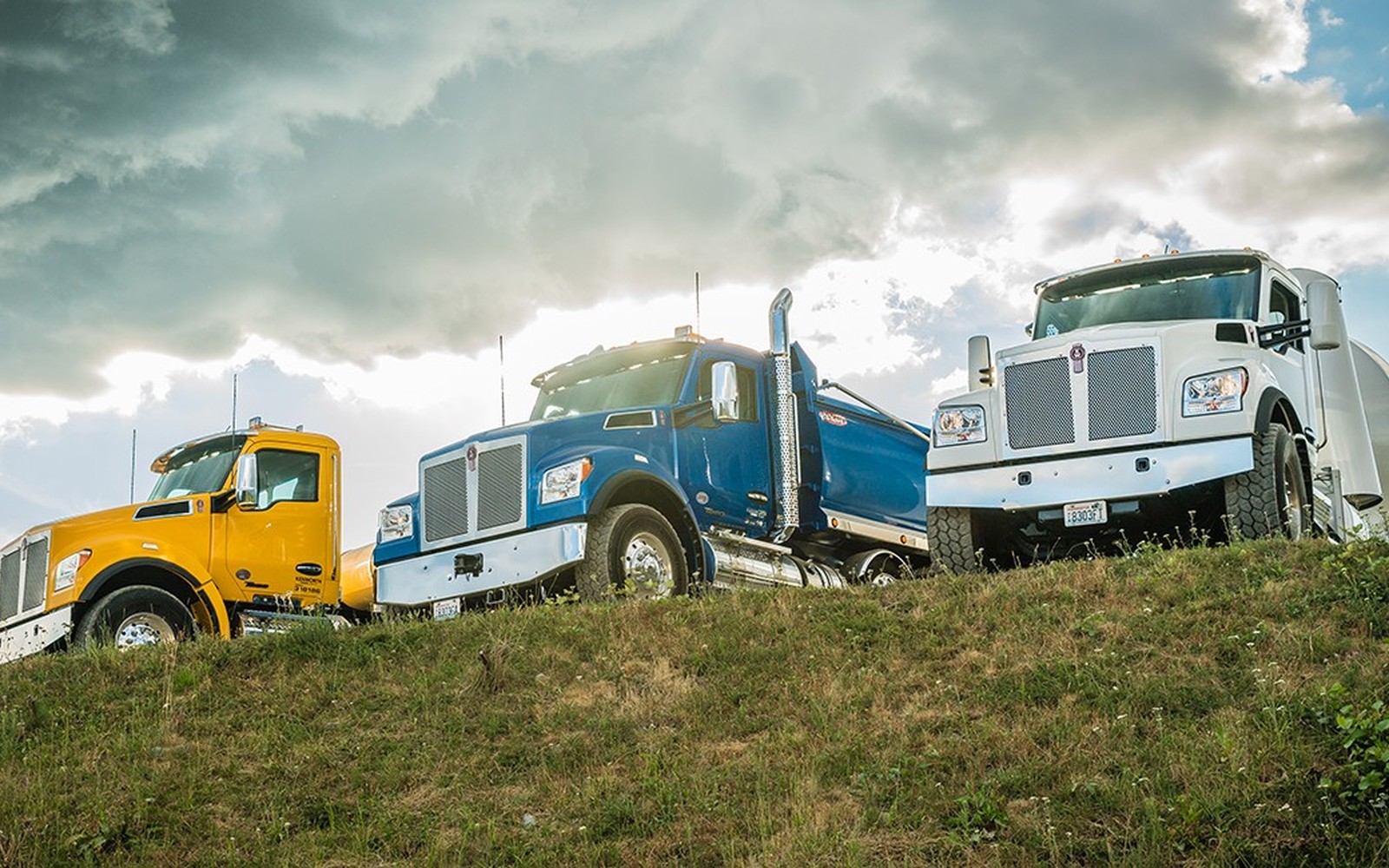
- Construction fleet operators managing multiple dump trucks and service vehicles on commercial and municipal projects in St. Louis County and surrounding areas.
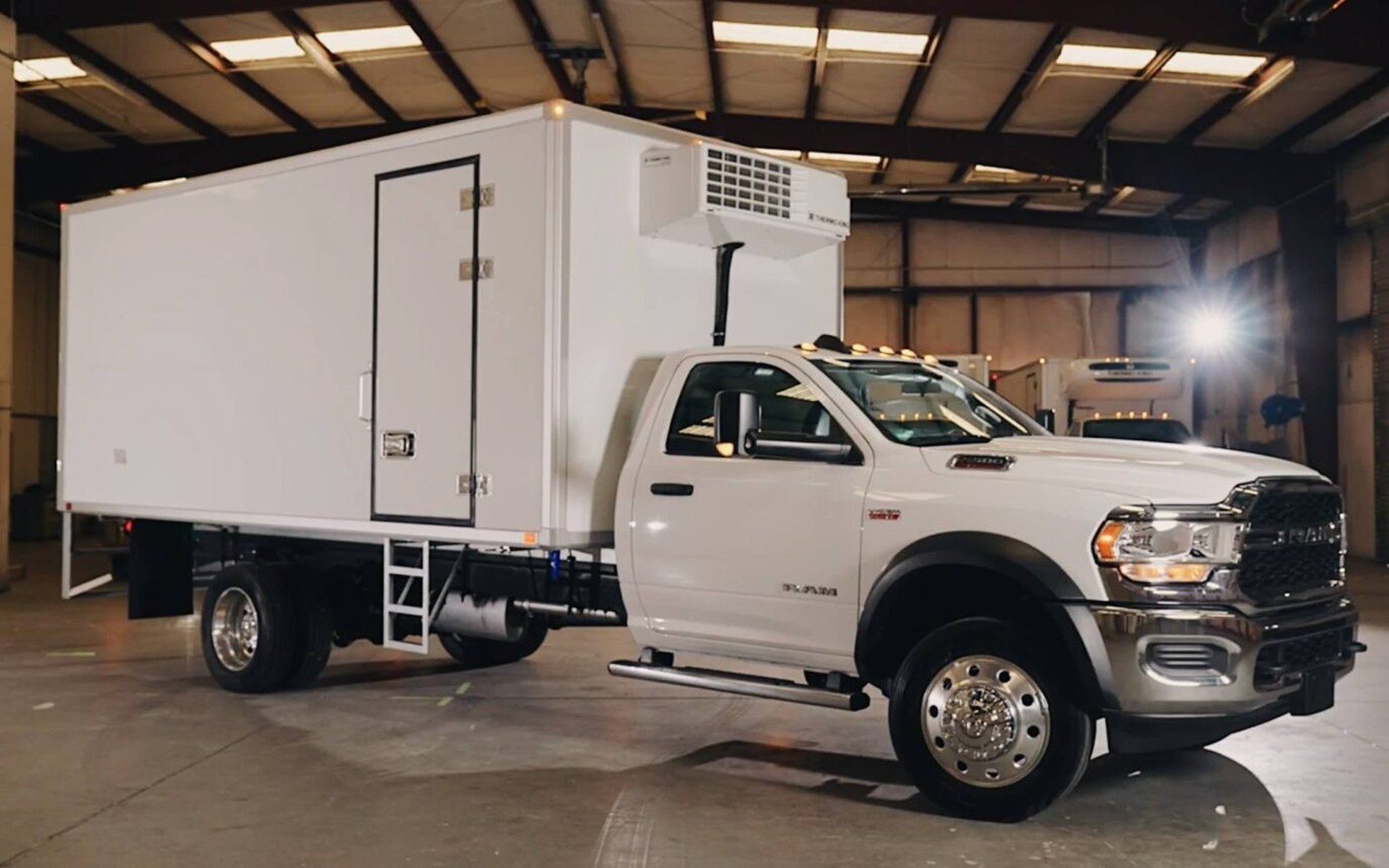
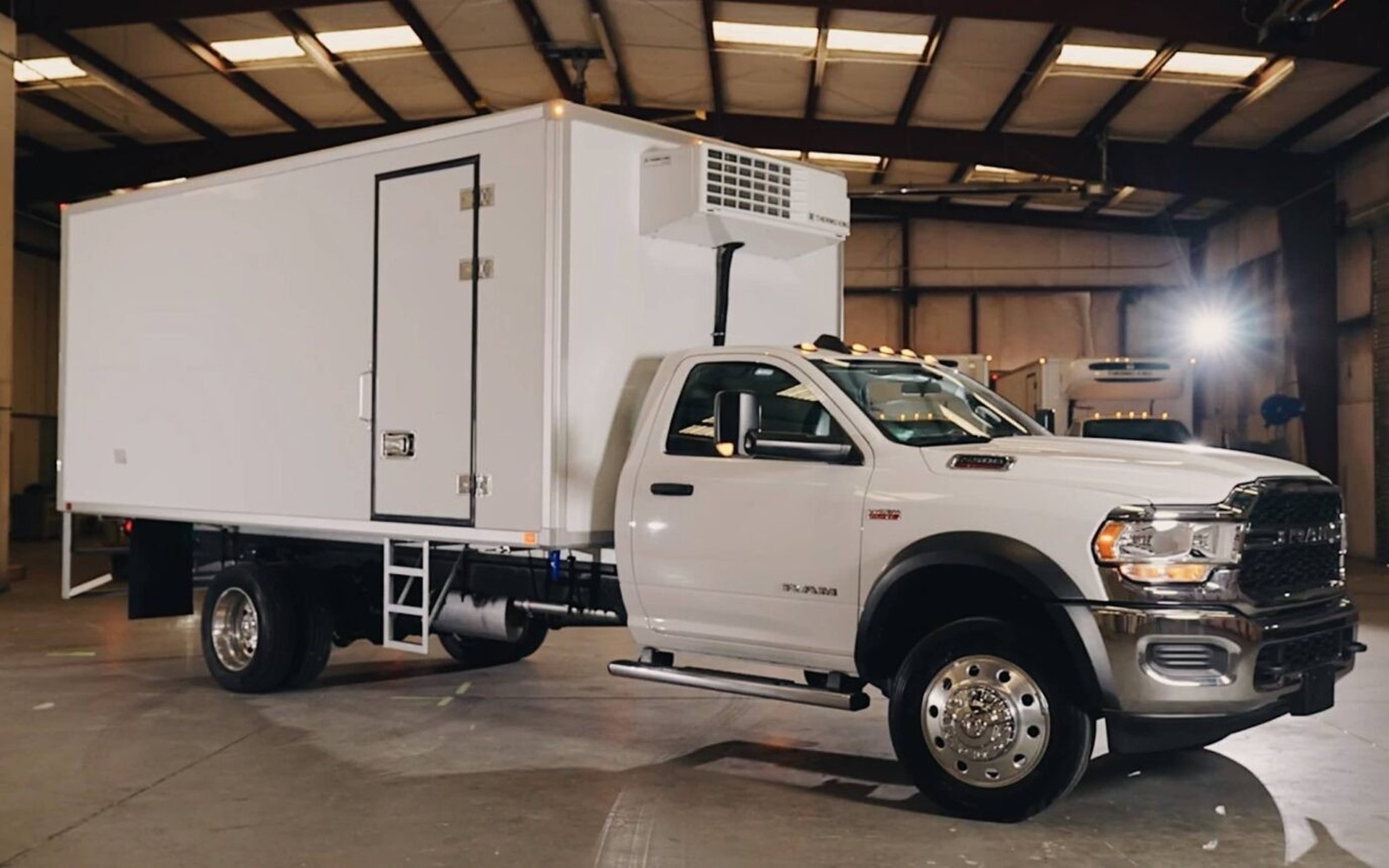
- Beverage and food distributors running refrigerated routes through the metro who need consistent uptime on refrigerated trucks and reefer trailers.
- Owner-operators scaling up from one or two units to a small fleet, who need structured commercial financing rather than a personal loan or a high-rate factoring arrangement.
We do not limit the program to operators with pristine credit. B and C credit situations are common in our book, and the underwriting process accounts for the full operating picture rather than reducing the decision to a single score.
The Application and Funding Process
For deals up to roughly $400,000, we process on an application-only basis. That means a short application, three months of bank statements, and the equipment spec. No full tax returns, no audited financials, no drawn-out bank review committee process. You submit a complete file, we review it, and you typically have a term sheet within one to two business days.
From approval to funded deal is usually one to two weeks. The time in that window goes to documentation: purchase agreements with dealers or private sellers, title work, lien filing in Missouri or Illinois depending on where the business is registered, and insurance verification. We coordinate that process directly so you are not chasing multiple parties.
Structure options include straight equipment loans, TRAC leases with a residual option at term end, and dollar buyout leases that deliver clean ownership at payoff. For operators with existing notes, we can structure a refinance that replaces the current lender and adjusts terms to fit today's situation. And for owned iron carrying equity, a fleet sale-leaseback converts that equity into working capital without requiring a new equipment purchase.