Tampa's port complex handles more than 40 million tons of cargo annually, and the fleet operators moving that freight across the I-75 and I-4 corridors know exactly what a truck sitting in the shop costs per day. Every hour of downtime is a load uncovered, a broker relationship strained, and a payment still due whether the wheels turn or not. We work with fleet operators throughout the Tampa Bay area, from the port terminals in East Tampa to the distribution centers clustered along the US-301 corridor in Riverview, to keep replacement cycles moving and utilization rates where they need to be.
Our financing covers new and used trucks from $50,000 on up, with the sweet spot in the $100,000 to $150,000 per-unit range that most Tampa fleets operate in. Applications under roughly $400,000 can often be processed with minimal paperwork, and funded within one to two weeks. B and C credit profiles get a fair look, and existing debt on a unit does not automatically disqualify a refinance.
What Tampa's Freight Network Actually Demands
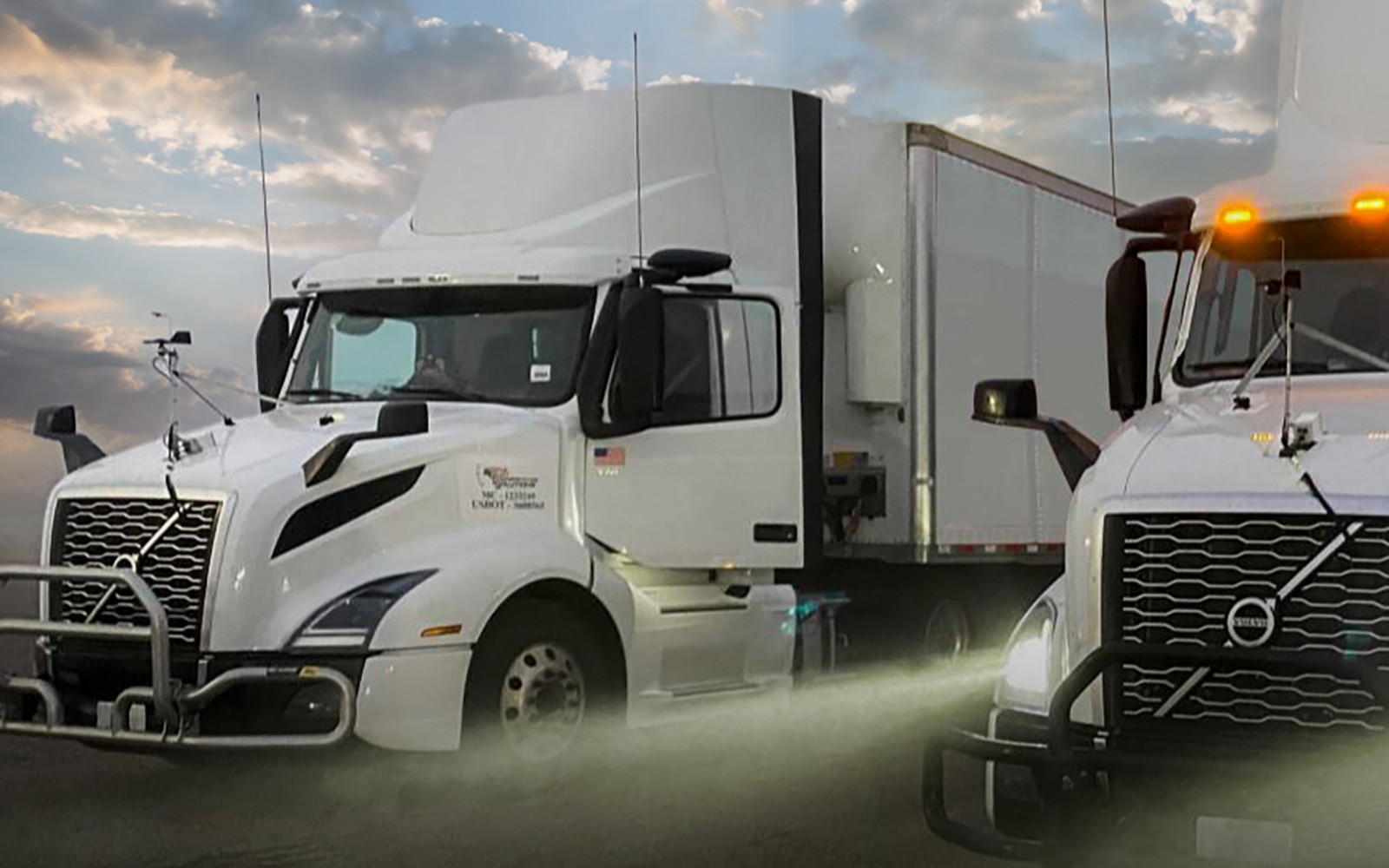
Port Tampa Bay is Florida's largest port by tonnage, handling phosphate exports, bulk liquids, and container freight that feeds distribution networks up and down the state. The port's cargo volume creates a steady base of drayage demand, and the fleets doing that work run day cab tractors hard through short-cycle turns between the terminal gates and inland warehouses in Brandon, Plant City, and Polk County.
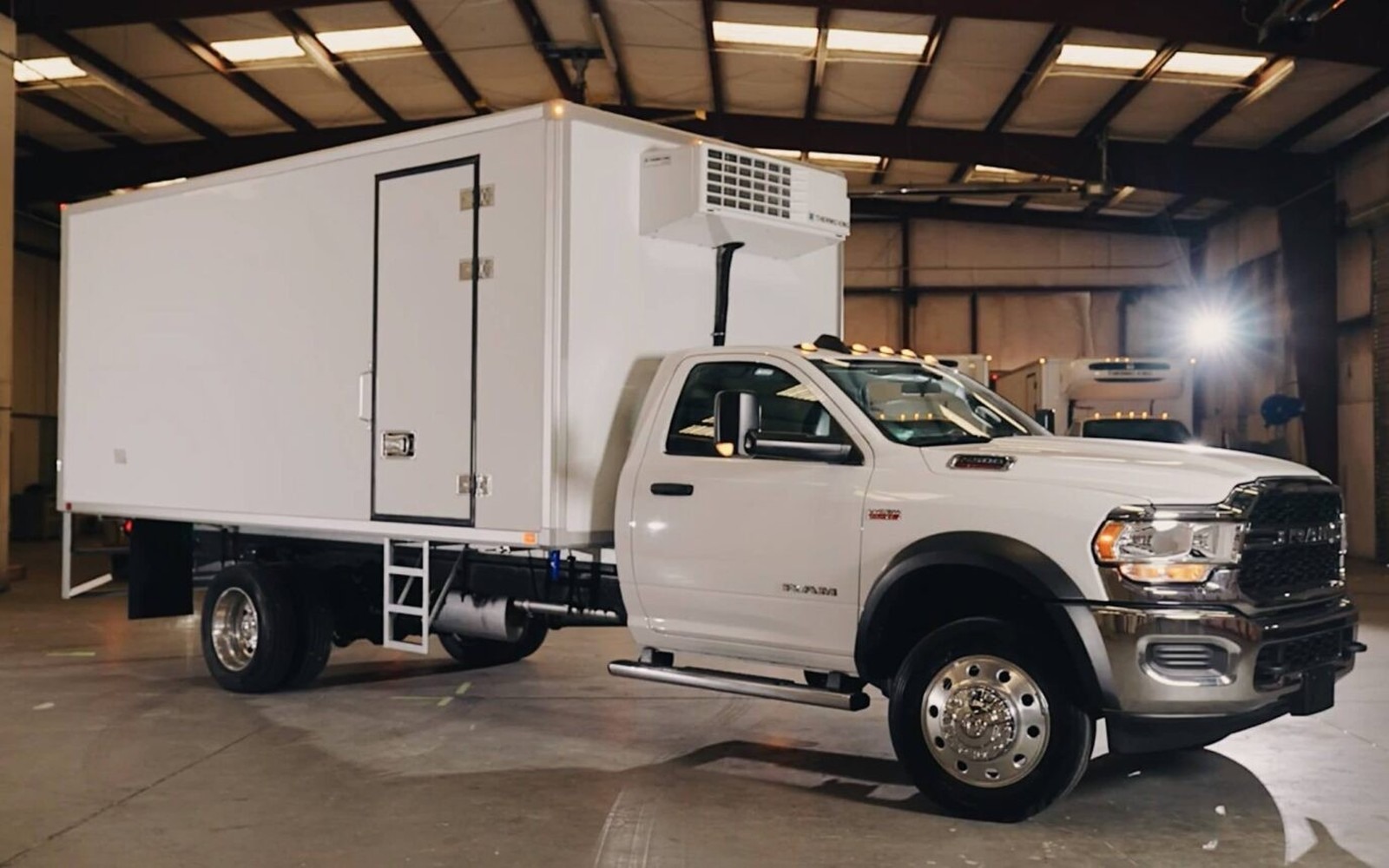
Beyond drayage, Tampa sits at the convergence of I-275, I-75, and I-4, making it a natural relay point for freight moving between Miami, Orlando, Jacksonville, and the Southeast interior. Flatbed operators serving the region's phosphate industry and construction materials sector run flatbed trucks and flatbed trailers south toward the phosphate mining areas around Lakeland and Bartow. Refrigerated capacity is in high demand from the produce distributors and food processors active in the Hillsborough and Manatee county areas.
Fleet operators here also contend with Florida's heat index, which accelerates tire wear, coolant system stress, and DEF consumption. Factoring those costs into replacement timing is how smart operators stay ahead of maintenance spirals instead of reacting to them.
Fleet Operators We Work With in the Tampa Market
Our Tampa clients fall into a few consistent profiles. Drayage operators running two to ten day cabs on port assignments are the most common, followed by regional carriers with sleeper fleets connecting Tampa to Atlanta, Charlotte, or the Texas markets. We also work with food distribution fleets serving the grocery chains and restaurant groups spread across the Tampa Bay metro, where refrigerated uptime is non-negotiable.
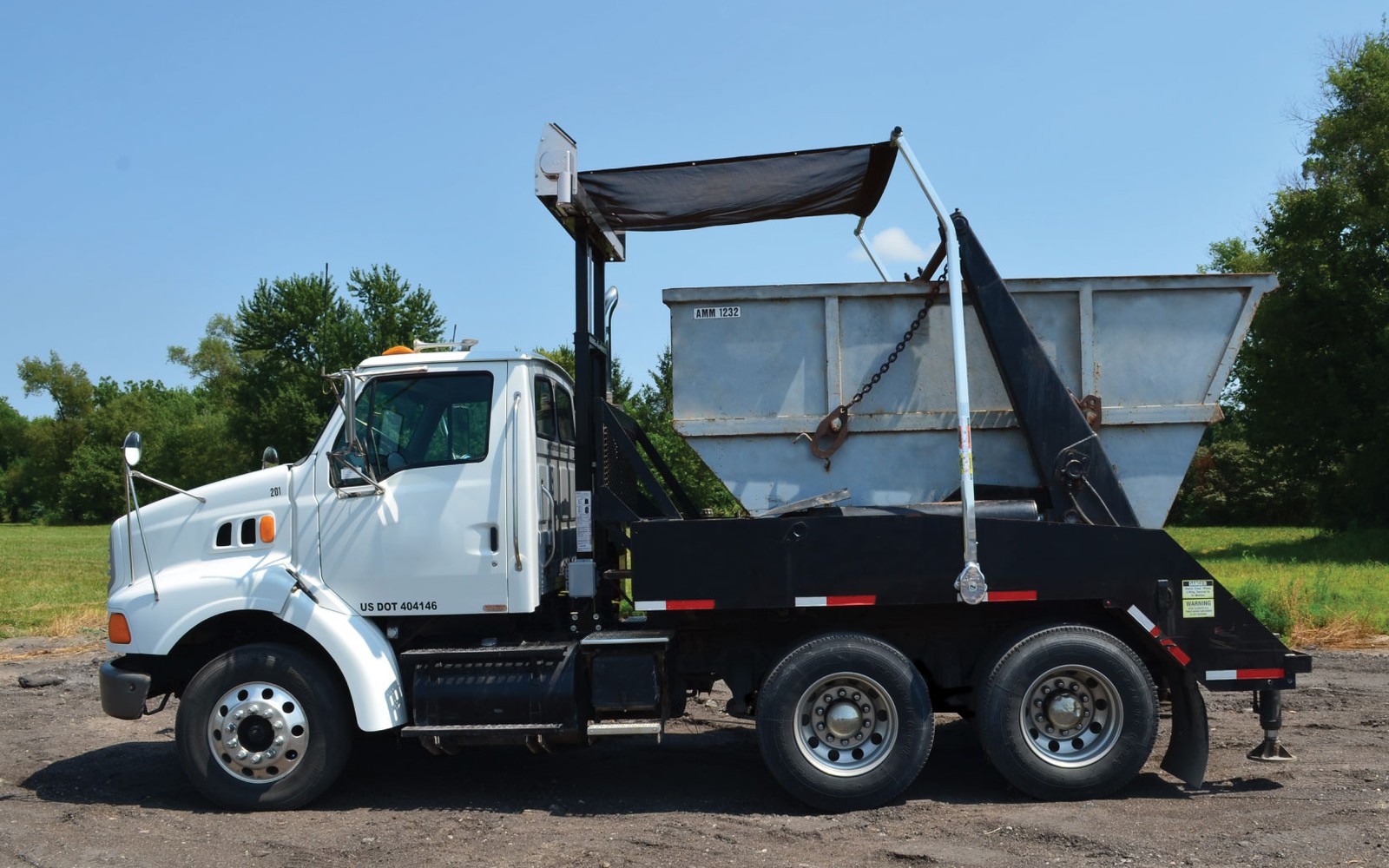
Construction fleet managers adding dump trucks or flatbeds to support the residential building wave in Pasco and Hillsborough counties show up regularly. So do owner-operators who have grown to three or four units and need a lender who treats them like a business, not just a single-unit buyer. The common thread is operators who think about cost-per-mile and total cost of ownership, not just the monthly payment in isolation.
- Drayage and port shuttle operators running day cabs out of Port Tampa Bay
- Regional LTL and TL carriers on the I-75 and I-4 lanes
- Food and beverage distributors requiring refrigerated capacity
- Construction material haulers serving the Pasco and Hillsborough growth corridors
- Owner-operators scaling from two to ten units
How the Process Works
We keep the front end simple because fleet operators in Tampa do not have time to babysit a loan application. A one-page application covers most requests under roughly $400,000, and three months of bank statements handles the income verification side for most clients. For larger multi-unit purchases, we pull together a fuller package, but the goal is always to keep the documentation burden proportional to the deal size.
Approval decisions typically come back within 24 to 48 hours on straightforward applications. Once approved, funding generally closes in one to two weeks. Truck fleet financing structures can be set up as term loans, finance leases, or TRAC leases, depending on what fits the fleet's depreciation and end-of-term objectives. Operators who prefer to own at the end of the term usually favor the finance lease or $1 buyout lease structure; those who want lower monthly payments and plan to cycle out equipment on a fixed schedule often prefer the TRAC lease.
Used truck financing is available alongside new unit purchases, and we do not require trucks to be sourced from a dealer. Private-party purchases are eligible, which matters when a fleet manager finds the right spec at a fair price from another operator rather than from a lot.
Refinancing and Sale-Leaseback Options
Refinancing an existing note makes sense when market rates have moved, when a fleet has grown and qualifies for better terms than it did two years ago, or when the current lender's structure no longer fits the operation. We handle truck fleet refinancing on units with existing liens, and we can work around the payoff as part of the transaction. Lowering the monthly payment on a ten-unit fleet can free up meaningful operating cash without adding new iron.
Sale-leaseback is a separate tool that some Tampa operators use when they own units outright and need liquidity. The fleet sells trucks to a finance company and leases them back, converting equity in the iron into working capital without disrupting operations. This is particularly useful for operators who need cash to bid on a new port contract, add a yard, or cover a period of uneven cash flow without taking on unsecured debt. We run fleet sale-leaseback transactions and can discuss whether the structure fits your current situation.