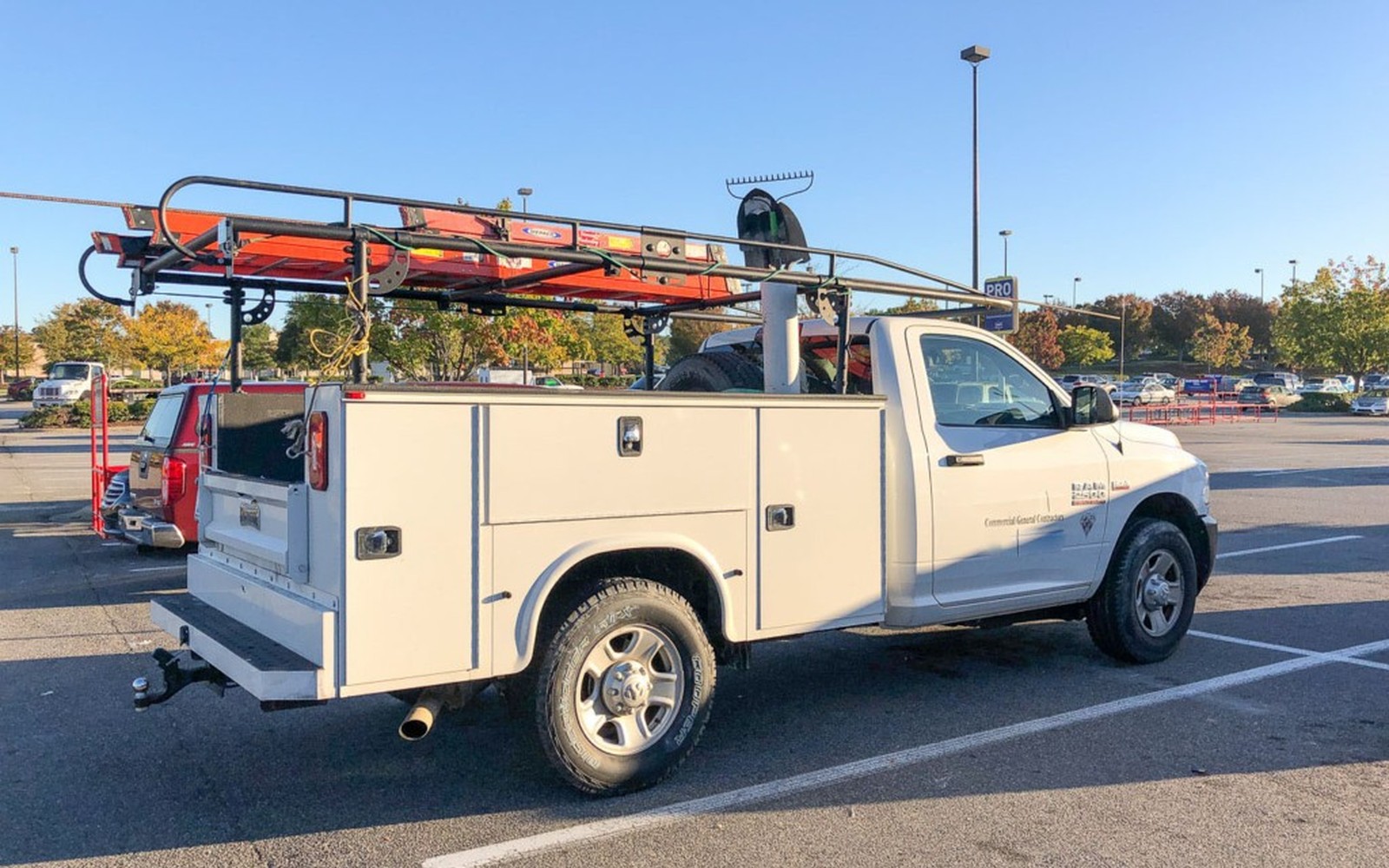
The gooseneck's value to a fleet comes down to load height. By connecting to the truck's fifth wheel rather than a bumper hitch, the gooseneck drops the deck height enough to carry taller equipment without routing issues or permit burdens that would make the move cost-prohibitive. Construction equipment, oil field gear, agricultural machinery, and industrial loads that stand too tall for a standard flatbed move on goosenecks precisely because of that clearance margin. Fleets that serve construction contractors, equipment dealers, or oilfield services operations run goosenecks as core capacity, not as occasional-use trailers.
Financing a gooseneck fleet involves understanding the operator's specific application. A contractor running a 25-foot equipment gooseneck to haul a skid steer between jobsites is a different asset than a heavy-haul carrier running a 40-foot tandem-axle gooseneck for equipment dealer moves. Both qualify under our commercial trailer programs, and we structure each transaction around the actual equipment and its intended use rather than treating all goosenecks as equivalent assets.
Gooseneck Trailer Types and Specifications
Gooseneck Trailer Specifications and Types
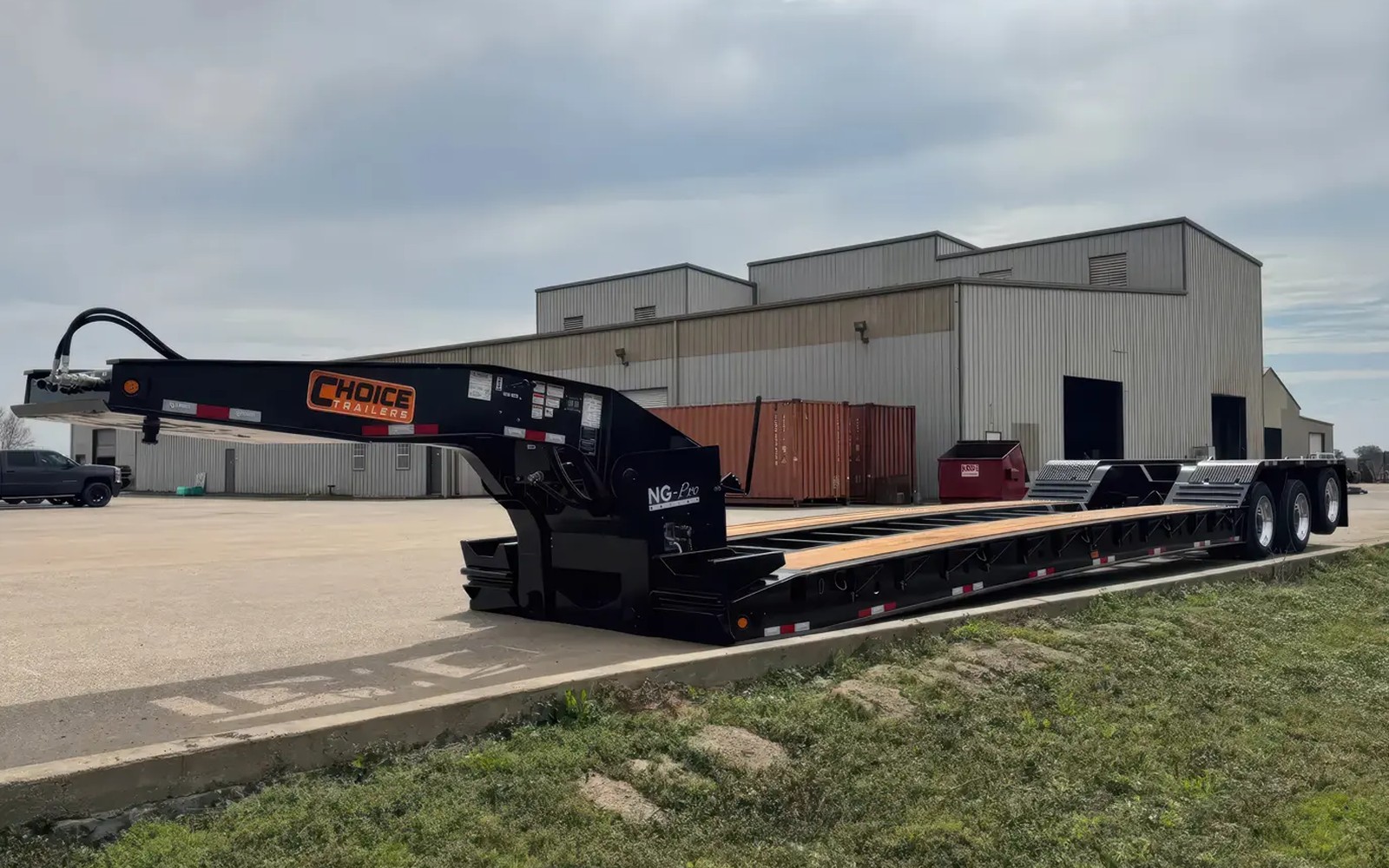
Gooseneck trailers attach to the truck's fifth wheel via a vertical forward section (the gooseneck neck) rather than a ball hitch or pintle connection. This coupling method shifts weight distribution forward onto the truck's drive axles and drops the deck level, which is the functional advantage over a bumper-pull design at comparable lengths and payloads.
Equipment goosenecks run from 20-foot single-axle configurations for light equipment and residential use to 40-foot or longer tandem- and triple-axle configurations for heavier commercial loads. Payload ratings span from 14,000 pounds on light-duty units to 30,000 pounds and above on heavy commercial configurations, with gross vehicle weight depending on the tractor's fifth wheel capacity and the trailer's axle and frame rating.
The dovetail, which is the angled rear ramp section that allows wheeled or tracked equipment to drive on and off, is a defining feature on equipment goosenecks. Flip-over removable dovetails, hydraulic beaver tails, and fixed ramps each suit different loading situations. Hydraulic tilts are common on commercial units used to load tracked excavators, skid steers, and compact construction equipment where the extra dovetail angle helps get low-clearance machinery onto the deck without frame contact.
Builders like Big Tex, PJ Trailers, and Load Trail dominate the light-to-medium commercial gooseneck market. Heavy commercial and industrial gooseneck builders like Landoll, Talbert, and Witzco serve the heavier freight and equipment moving sector. New equipment goosenecks in commercial configurations run from the low $20,000s for basic tandem-axle units up to $60,000 and beyond for heavy-spec hydraulic tilt configurations. Heavy-haul and specialized units push significantly higher.
Operators serving construction fleets often run goosenecks alongside flatbed trailers and lowboy trailers to cover the range of equipment types that show up on a commercial construction site.
Fleet Operators Who Finance Goosenecks With Us
The most common buyer profile is a contractor or equipment dealer who needs to move their own equipment between sites or between customers and needs a trailer that is reliable, appropriately spec'd, and does not create permit headaches on standard routes. These operators often run pickup trucks or Class 5 to 7 medium-duty trucks as the tow vehicle rather than Class 8 tractors, and the gooseneck hitch configuration gives them meaningful payload and deck-height advantages over a bumper-pull flatbed at comparable lengths.
A second profile is the commercial equipment transporter who hauls for multiple contractors or dealers in a regional market. These operators typically run heavier gooseneck configurations on Class 8 power, focus on maximizing legal payload on every move, and treat the trailer as the revenue-generating asset the business depends on. These transactions are our core commercial book: operators who move equipment for a living and need financing that understands the asset rather than applying residential-trailer logic to a commercial operation.
Oilfield services is a third strong market for commercial goosenecks. Wellhead equipment, portable generators, pumping units, and related gear moves constantly in active drilling markets, and the speed of that movement matters to the drilling contractor. Operators in Houston, Oklahoma City, and Tulsa markets serve oilfield clients who need equipment on location fast, and the gooseneck's combination of load height and payload makes it a reliable choice for that freight type. We connect operators in these markets to oilfield services fleet financing programs structured for their specific freight patterns.
Financing Terms for Gooseneck Trailers
Our minimum transaction size is $50,000. Lighter commercial gooseneck configurations can fall below that threshold individually, so single-unit purchases in that range may need to be bundled with a tractor, related equipment, or other trailer units to meet the minimum. Heavier commercial and hydraulic configurations typically clear $50,000 individually on new purchases. Fleet additions of three or more commercial units almost always exceed the threshold comfortably.
Equipment loans with a standard amortization schedule are the most common structure for gooseneck trailer financing. A $1 buyout lease is an alternative for operators who want the lease structure for accounting purposes but still want ownership at the end of the term. TRAC leases work for heavier commercial units where a terminal residual makes the payment structure more attractive than a fully amortized loan.
For most gooseneck transactions up to approximately $400,000, application-only approval is available with 3 months of bank statements. Approvals typically come back in 24 to 48 hours. Funding closes in about 1 to 2 weeks from approval, which fits the typical timeline for trailer purchases from dealer inventory.
Operators with existing goosenecks and equity in those assets can explore a cash-out refinance to pull working capital out without selling the equipment. This is common among contractors who want to use the trailer's equity value to fund additional equipment purchases or cover operating expenses during a growth phase.
B and C credit is considered. Prior slow pay or modest credit scores do not automatically close a gooseneck trailer transaction if the business picture supports it. We look at the revenue trend, the freight or equipment transport activity the business is doing, and the collateral value of the unit.