Oklahoma City runs on oil, agriculture, and the freight that connects both to the rest of the country. The Anadarko Basin sits west of the city as one of the most productive natural gas and oil formations in the continental US, and oilfield services traffic runs in and out of OKC constantly, whether the basin is drilling aggressively or consolidating. Agriculture covers the surrounding flatlands with wheat, cattle, and row crops that generate seasonal but substantial freight demand. And OKC's position along I-35 and I-40 makes it a natural crossroads for freight moving between the Gulf Coast, the Midwest, and the Mountain West. Fleet operators here work hard, and their equipment accumulates miles quickly.
We finance truck fleets for Oklahoma City operators and the broader central Oklahoma market. The program starts at $50,000 per transaction, with most deals in the $100,000 to $150,000 and up range. New and used equipment qualify. B and C credit are considered. Application-only approval is available up to roughly $400,000, and deals typically fund in one to two weeks from a complete file.
Oklahoma City's Freight Economy
The Anadarko Basin generates oilfield services traffic that is different from standard freight: specialized equipment, heavy loads, and time-sensitive deliveries tied to drilling schedules and completion operations. Frac sand, pipe, coil tubing, and production equipment all move by truck, and carriers serving the basin need vehicles that can handle heavy axle loads on routes that include unpaved lease roads and state highways with varying conditions.
Agriculture generates a different but equally consistent demand profile. Oklahoma is a major winter wheat producer, and the harvest period, typically May through early July, drives significant grain hauling activity. Cattle operations across the state generate livestock freight throughout the year. Agriculture hauling operators based in OKC typically cover routes across central and western Oklahoma, and many run into Kansas and Texas as well.
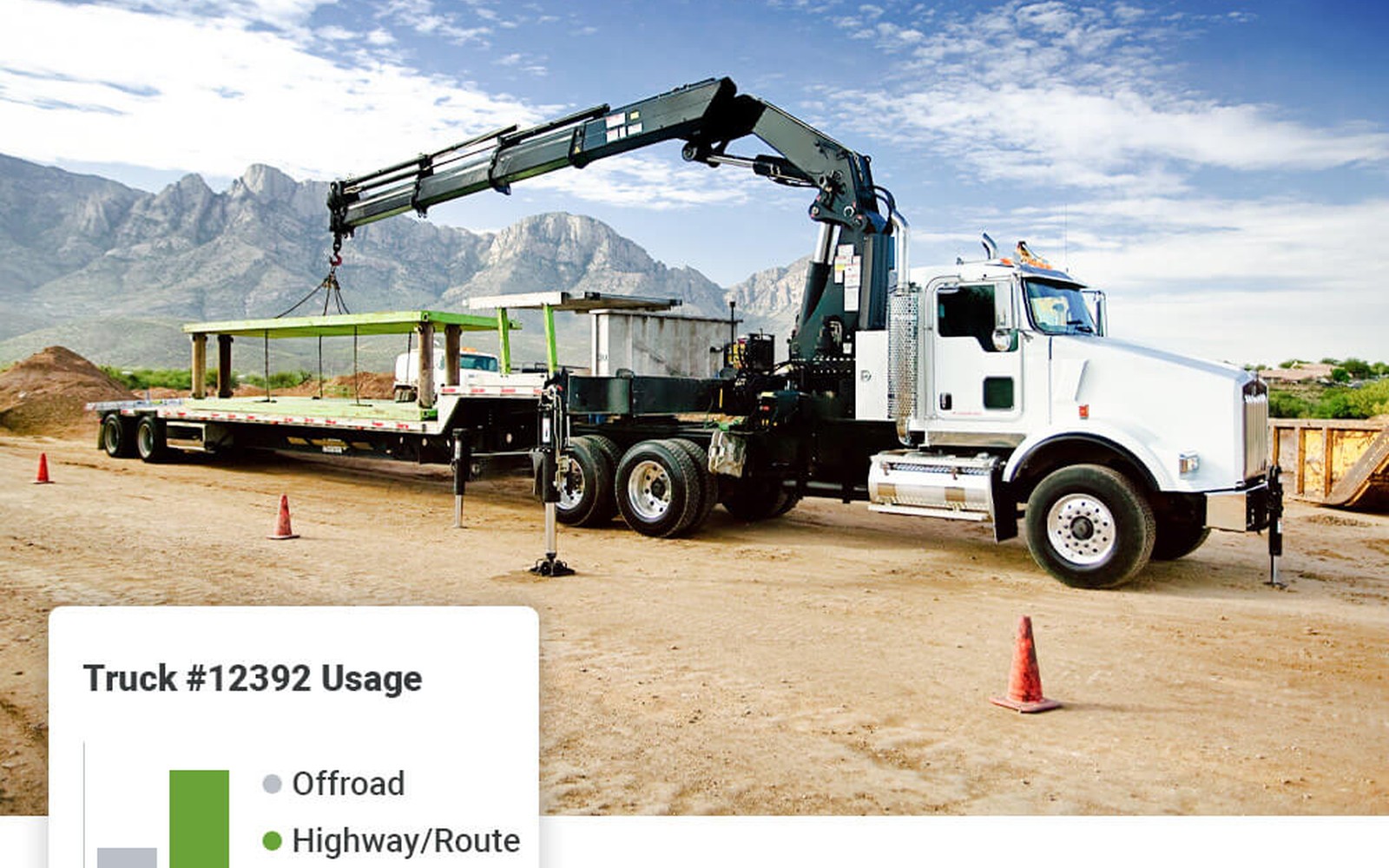
The construction sector in the OKC metro has been active through multiple development cycles, with significant commercial and infrastructure projects sustaining demand for dump trucks, flatbed trucks, and crane trucks. The broader regional economy's recovery from oil price cycles tends to lag the basin, so OKC construction operators see cycles that do not always track the headline commodity price.
For oilfield services carriers specifically, the boom-and-bust nature of basin activity creates capital management challenges. Equipment purchased at peak demand may be underutilized in a slowdown, and the financial structure around that equipment needs to be realistic about the revenue pattern.
Oklahoma City Fleet Operators in Our Program
Oklahoma City operators come to us from a range of sectors.
- Oilfield services carriers running pipe, sand, and equipment into the Anadarko Basin and STACK/SCOOP plays, looking for financing that understands the cyclical nature of basin utilization.
- Agricultural haulers running grain and livestock routes across central and western Oklahoma, with revenue patterns tied to harvest and cattle market cycles.
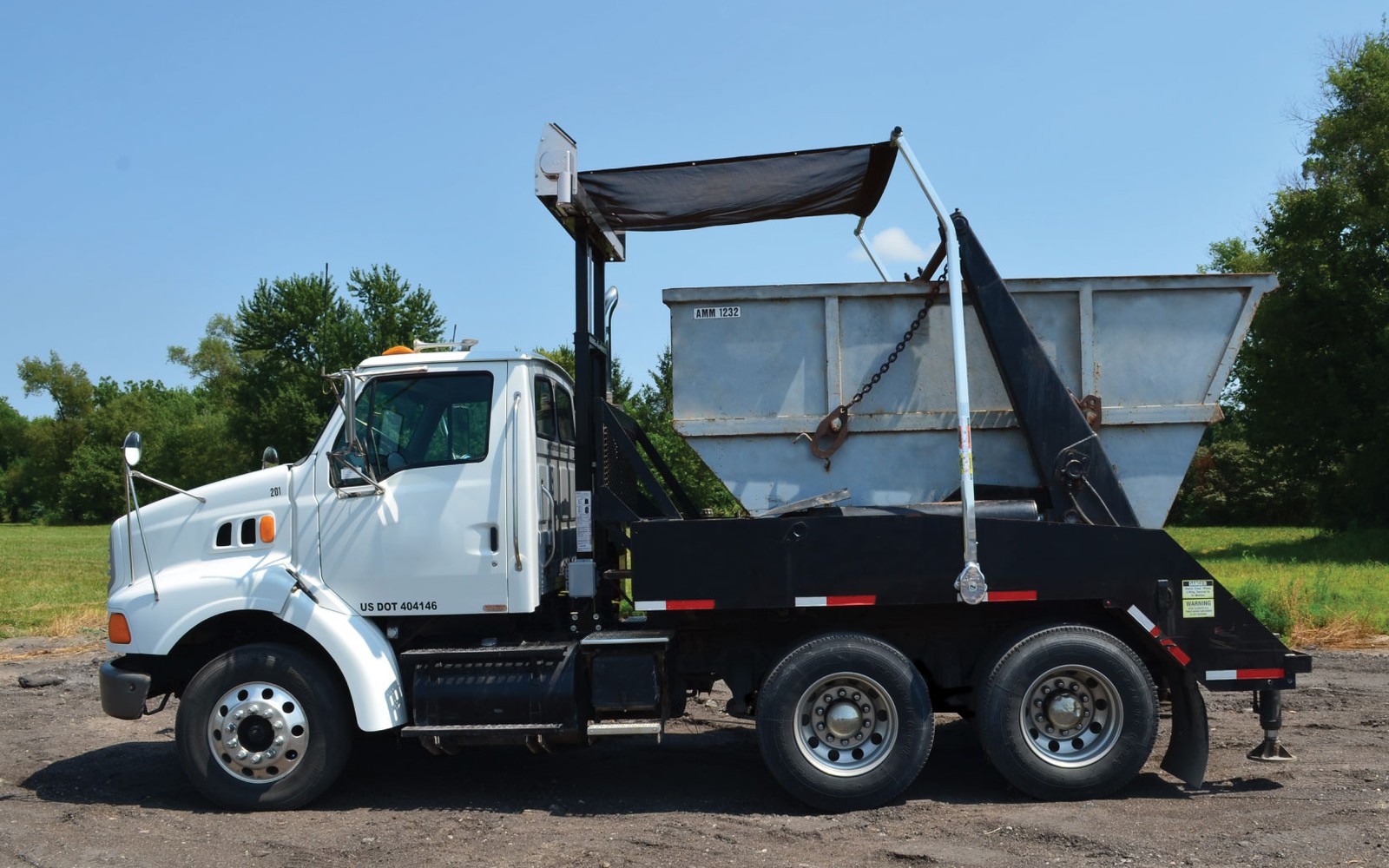
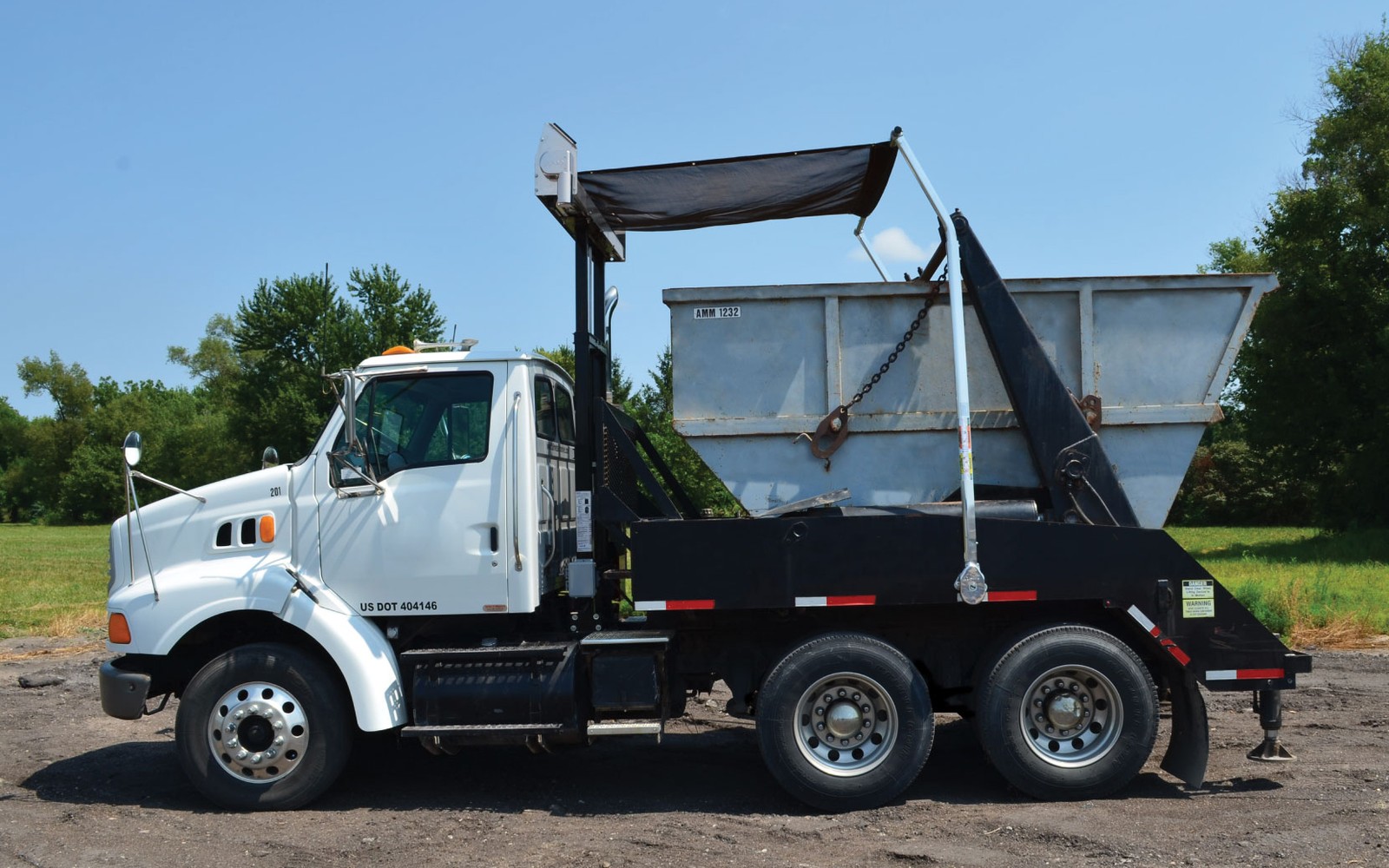
- Construction fleet operators managing dump trucks and flatbeds across multiple active commercial and municipal projects in the OKC metro and surrounding communities.
- Regional freight carriers running I-35 and I-40 lanes between OKC and Dallas, Kansas City, Amarillo, and Tulsa, operating day cabs and sleepers on predictable commercial freight.
- Owner-operators who have proven a lane and need capital to add a second or third unit without going through a months-long bank process.
We do not require a minimum years-in-business threshold across the board. Newer businesses with strong revenue and clear operating plans can qualify. B and C credit situations, which are not uncommon in a market affected by oil price cycles, are reviewed on their full merits.
New vs. Used Equipment in the Oklahoma Market
Oklahoma has strong used truck market access. Commercial auction lanes through OKC regularly move vocational equipment from oilfield services operators who are right-sizing after a down cycle. That creates buying opportunities for fleet operators in adjacent sectors who can pick up well-maintained units at prices below dealer retail.
For oilfield carriers specifically, used equipment often makes sense because the utilization pattern in basin work puts high stress on units during active periods and low stress during slowdowns. Paying for new-truck depreciation on iron that may sit for a quarter is harder to justify than financing a quality used unit at lower cost. A used truck financing deal on a well-maintained unit with documented service history can be the most capital-efficient move for an oilfield services operator in a mid-cycle environment.
For OKC regional freight carriers running consistent lanes, new equipment with warranty coverage and lower near-term maintenance risk often makes more sense. The constant mileage accumulation on predictable freight lanes means maintenance costs on aging units compound quickly, and the predictable revenue of a freight contract justifies the higher monthly payment on a new unit.
We finance both, and we will give you an honest read on which structure makes more sense for your specific situation. Our interest is in a deal that funds and performs, not in steering you toward the higher ticket.