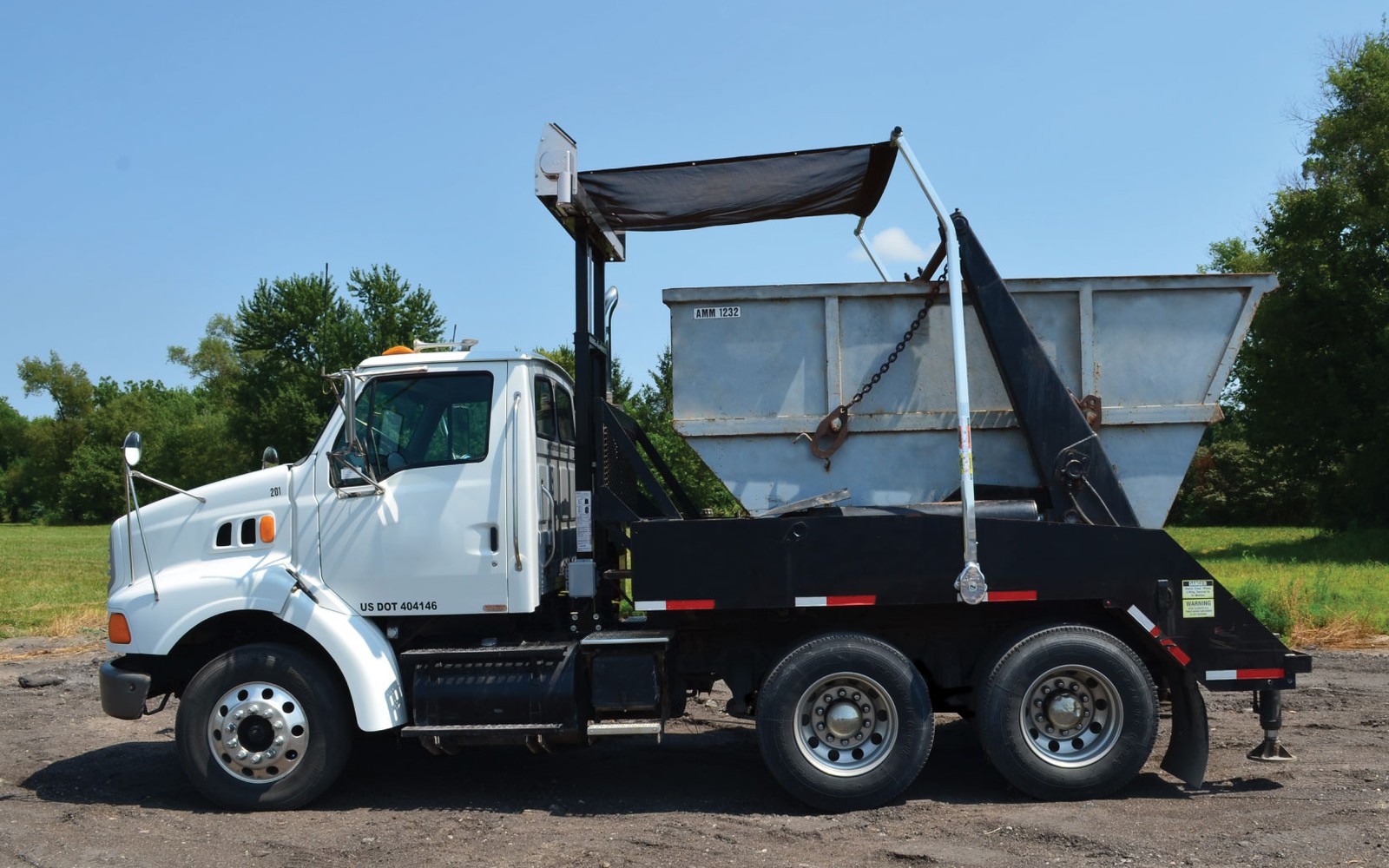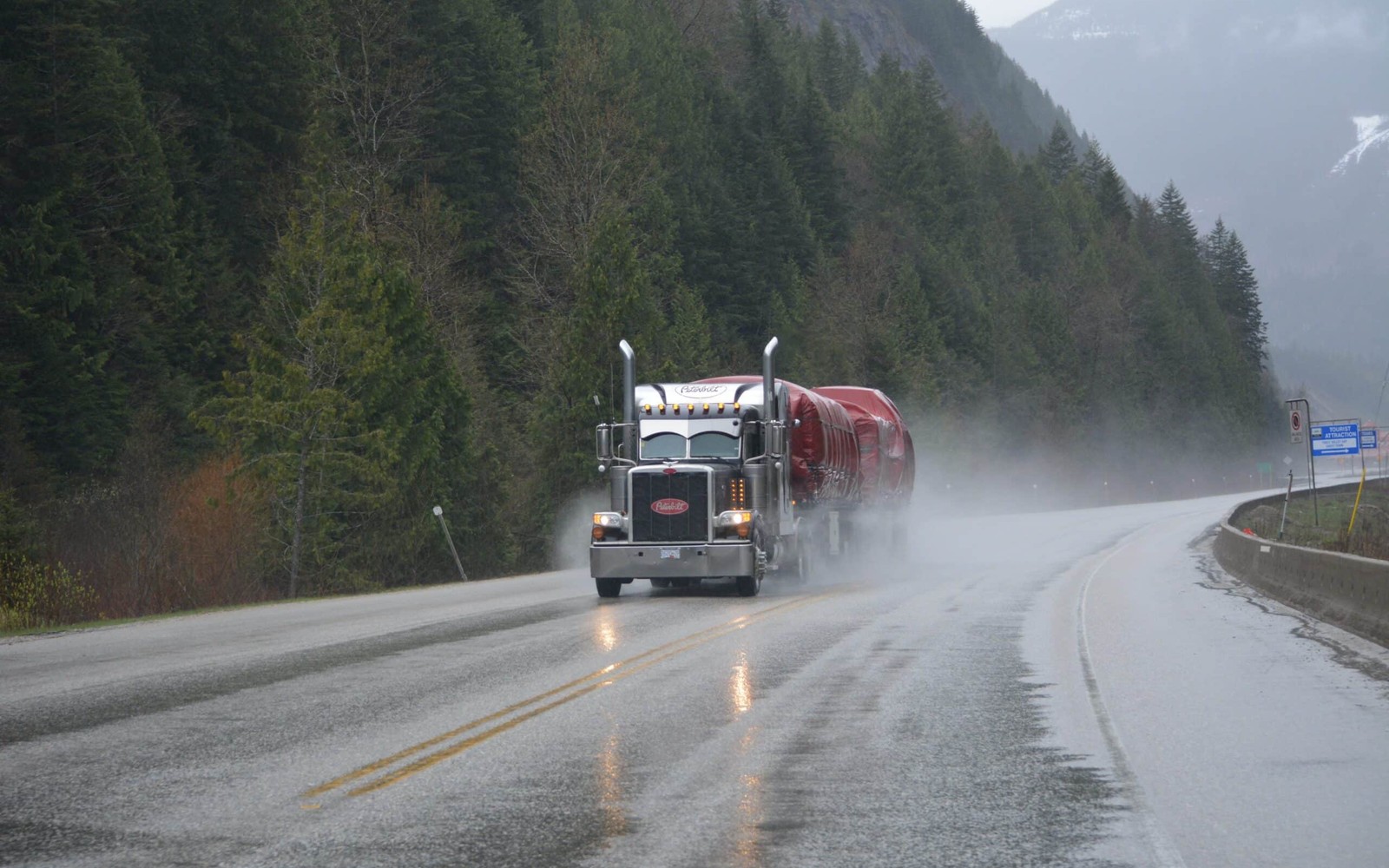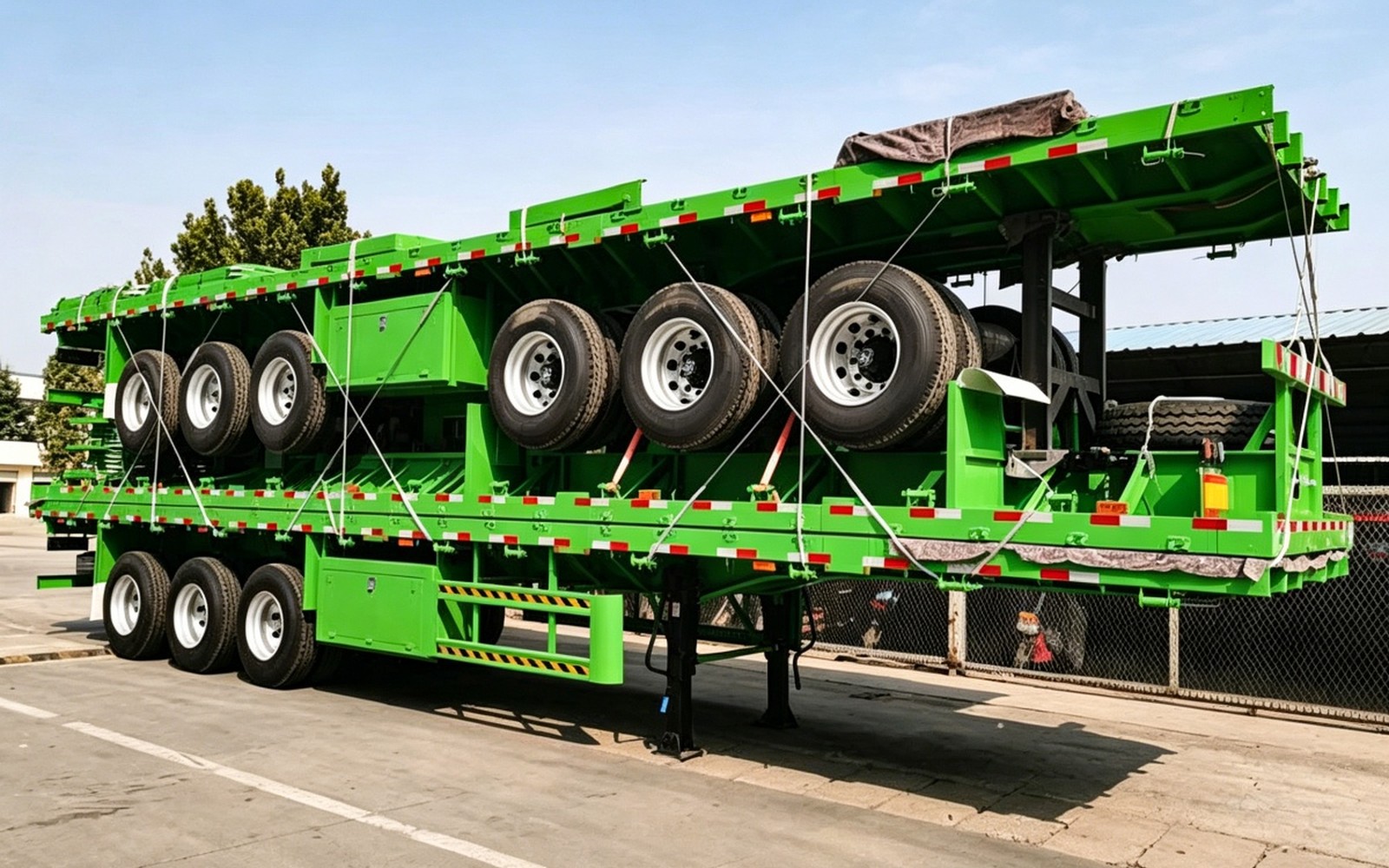
Greenville-Spartanburg has quietly become one of the most important manufacturing freight markets in the American Southeast. BMW's only North American assembly plant operates in Greer, just outside Greenville, producing X-series SUVs for global distribution. Michelin North America's headquarters is here. More than 200 foreign-owned companies from over 40 countries have facilities in the Upstate South Carolina region. The freight demand that supports that manufacturing base, parts inbound, vehicles outbound, and raw materials continuous, generates consistent work for flatbed, enclosed car hauler, and just-in-time parts carriers based in the market.
We finance truck fleets for Greenville-Spartanburg operators from $50,000 up, with most deals falling in the $100,000 to $150,000-plus range. New iron, used trucks from dealers or private sellers, refinancing notes that have gotten expensive, and sale-leaseback on trucks the business already owns. Operators running flatbed trucks for automotive and manufacturing freight on the I-85 corridor between Atlanta and Charlotte have used this program to add capacity without waiting on bank committee schedules. Applications up to roughly $400,000 move without tax returns and fund in one to two weeks.
The Manufacturing Freight Economy in Upstate SC
BMW's Spartanburg plant produces more than 400,000 vehicles per year and exports the majority, making it among the highest-value automotive export facilities in the US. The inbound supply chain runs a mix of container freight from BMW's global parts network through the Port of Charleston and direct rail and truck shipments from domestic Tier 1 suppliers. Flatbed carriers haul oversized parts, car haulers move finished units to staging, and specialized enclosed auto transporters handle show vehicles and specialty models. Freight hauling fleet financing sized for the automotive supply chain is a specific conversation we have regularly in this market.
Michelin's North American headquarters in Greenville and its tire manufacturing plant in Lexington, plus the company's global research and development presence in the area, generate freight volume in their own right. Rubber and chemical feedstocks moving in, finished tire product moving out to distribution centers and dealers. That freight runs on flatbeds and dry vans and is continuous.
Beyond automotive and tires, the Upstate SC manufacturing base includes aerospace, textiles, and plastics. GE Aviation has a significant facility in Mauldin. These industries generate specialty freight that requires properly spec'd equipment and operators who understand the logistics of just-in-time manufacturing. Dry van trailers for just-in-time parts runs and flatbed trailers for heavy manufacturing freight are the core of what Upstate SC operators run.
What We Need to Get Your Deal Done
The application process is built for speed, not for paperwork. Three months of business bank statements and a completed application are the core documents for transactions under roughly $400,000. No tax returns, no audited financials at that tier. For larger transactions, we'll ask for additional financial background, but the timeline still targets one to two weeks.
Credit profiles at the B and C level get a full review. A prior slow-pay period, a tax lien that's been resolved, or a business that's building its credit history doesn't close the conversation. We look at what the bank statements show now, what customers or contracts support the revenue, and whether the cash flow can carry the proposed payment. Operators who've been declined elsewhere are welcome to apply. The answer from a bank committee is not the last word on whether a fleet deal can be done. Our B and C credit fleet financing program is built for exactly this kind of review.
For operators who want to use existing equipment as part of the capital structure, a cash-out refinance on trucks you already own can pull equity out of the fleet and fund new equipment purchases or operations. We also structure sale-leaseback transactions for operators who own their trucks free and clear and want to convert that asset value into working capital without selling the trucks permanently.