Fire apparatus is among the most expensive and most mission-critical fleet equipment in any organization's portfolio. A pumper truck out of service for mechanical repair means a station is running below response capacity. An aerial platform that has exceeded its useful life is both a liability and a gap in the department's ability to respond to structure fires above ground level. For volunteer departments, rural fire districts, and private fire protection companies, financing the replacement cycle is not a luxury. It is how organizations maintain readiness without exhausting their capital reserves in a single purchase.
Custom-built fire apparatus from manufacturers like Pierce, Rosenbauer, E-ONE, Ferrara, and Spartan Emergency Response can run from $350,000 for a basic pumper to well over $1.2 million for a custom aerial ladder platform. Even refurbished or remanufactured apparatus at 10 to 15 years old commands six-figure prices because of the specialized nature of the build and the ongoing demand from departments managing aging fleets on tight budgets. We finance fire apparatus starting at $50,000, with most deals falling between $150,000 and $800,000.
Application-only approval is available up to approximately $400,000, covering many single-unit pumper and rescue purchases. B and C credit is considered for private fire protection companies and commercial fire service operators. Most deals fund after underwriting, title, and lien documents are complete.
Who Uses Fire Apparatus Financing
Fire truck financing serves several distinct buyer types, each with different financing needs and underwriting profiles.
Volunteer fire departments and rural fire districts often operate on a combination of property tax levy revenue, grant funding, and community fundraising. Financing is a bridge that lets a department replace apparatus on the department's schedule rather than waiting for the full purchase price to accumulate. Some departments have been waiting years for a grant while running a truck that is past its service life. Financing ends that wait.
Municipal fire departments may use financing through their municipality's general obligation process, but some smaller cities use equipment financing rather than bond issuance for single-unit or small fleet additions. The lower transaction cost of a term loan versus a bond makes this practical for purchases under $1 million.
Private fire protection companies that provide contract fire suppression services to industrial facilities, airports, or large private properties operate as commercial businesses. Their underwriting looks like any commercial fleet operator. We finance private fire protection fleets the same way we approach any other vocational fleet deal.
Industrial fire brigades serving oil refineries, airports, or large chemical facilities also purchase specialized apparatus and are eligible for financing. Those buyers often operate within the oilfield services sector or under regulated facility compliance requirements. Pairing fire apparatus financing with broader fleet needs is common in those contexts.
Fire Apparatus Types and Financing Considerations
Fire apparatus spans a wide price and capability range, and the financing structure varies by apparatus type:
- Pumper trucks (engine companies): The most common apparatus. Carries water, pump, and hose with typical pump ratings of 1,500 to 2,000 GPM. New price range: $350,000 to $600,000 on custom chassis.
- Tanker and tender trucks: High-capacity water transport for areas without hydrant coverage. Tanks from 2,000 to 5,000 gallons are common in rural and wildland departments. New: $200,000 to $450,000.
- Aerial ladder and platform trucks: Ladders from 75 to 105 feet (straight or articulating). The most expensive apparatus category at $700,000 to over $1.3 million new.
- Heavy and medium rescue trucks: Carry technical rescue, extrication, and hazmat equipment. New: $200,000 to $500,000.
- Wildland and interface units: Type 3, 4, and 6 brush trucks on commercial or light-duty chassis. New: $75,000 to $200,000. Well within our financing range and increasingly in demand as wildland-urban interface risk grows.
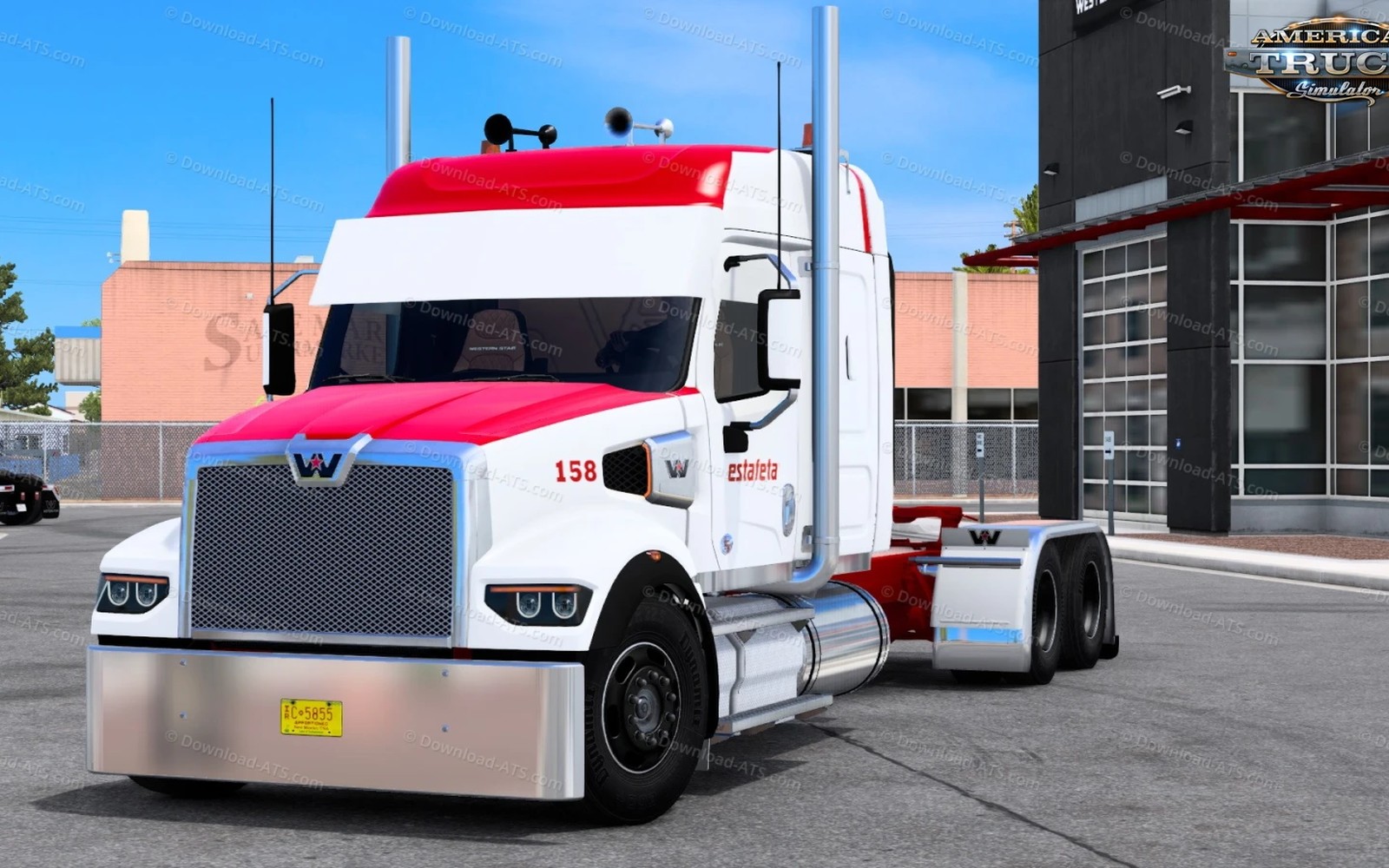
Apparatus manufacturer brand significantly affects residual value. Pierce Manufacturing, Rosenbauer, E-ONE, and Ferrara apparatus hold value in the secondary market because the buyer pool is broad and parts availability is well-established. A strong Class 8 chassis from Western Star or a comparable platform paired with a reputable body manufacturer supports strong collateral value in underwriting.
Financing Structures for Fire Apparatus
Fire apparatus deals are structured based on whether the buyer is a private company, a nonprofit department, or a governmental entity, since those different statuses affect what structures are most efficient.
Private companies and industrial operators finance on standard commercial equipment terms: 48 to 84 months, fixed monthly payment, with lease structures available for accounting or tax treatment. Our standard commercial application process applies, and deals close in about one to two weeks.
Volunteer departments and fire districts that are organized as governmental or nonprofit entities may qualify for tax-exempt financing structures depending on their state and organizational status. We can discuss the right structure for a department's specific situation during the application review.
For apparatus with long delivery lead times, which is common with custom-built new apparatus where 12 to 24 months from order to delivery is typical for complex builds, we can structure financing that commits capital at the time of order and funds at delivery. Departments do not need to hold the full purchase price in reserve during a multi-year build cycle.
Used fire apparatus through our used truck financing program covers apparatus purchased from dealers, apparatus brokers, or direct from other departments. The process is the same as any other used vocational truck, and the specialized nature of the equipment is understood by our team.
Other Emergency Fleet Equipment We Finance
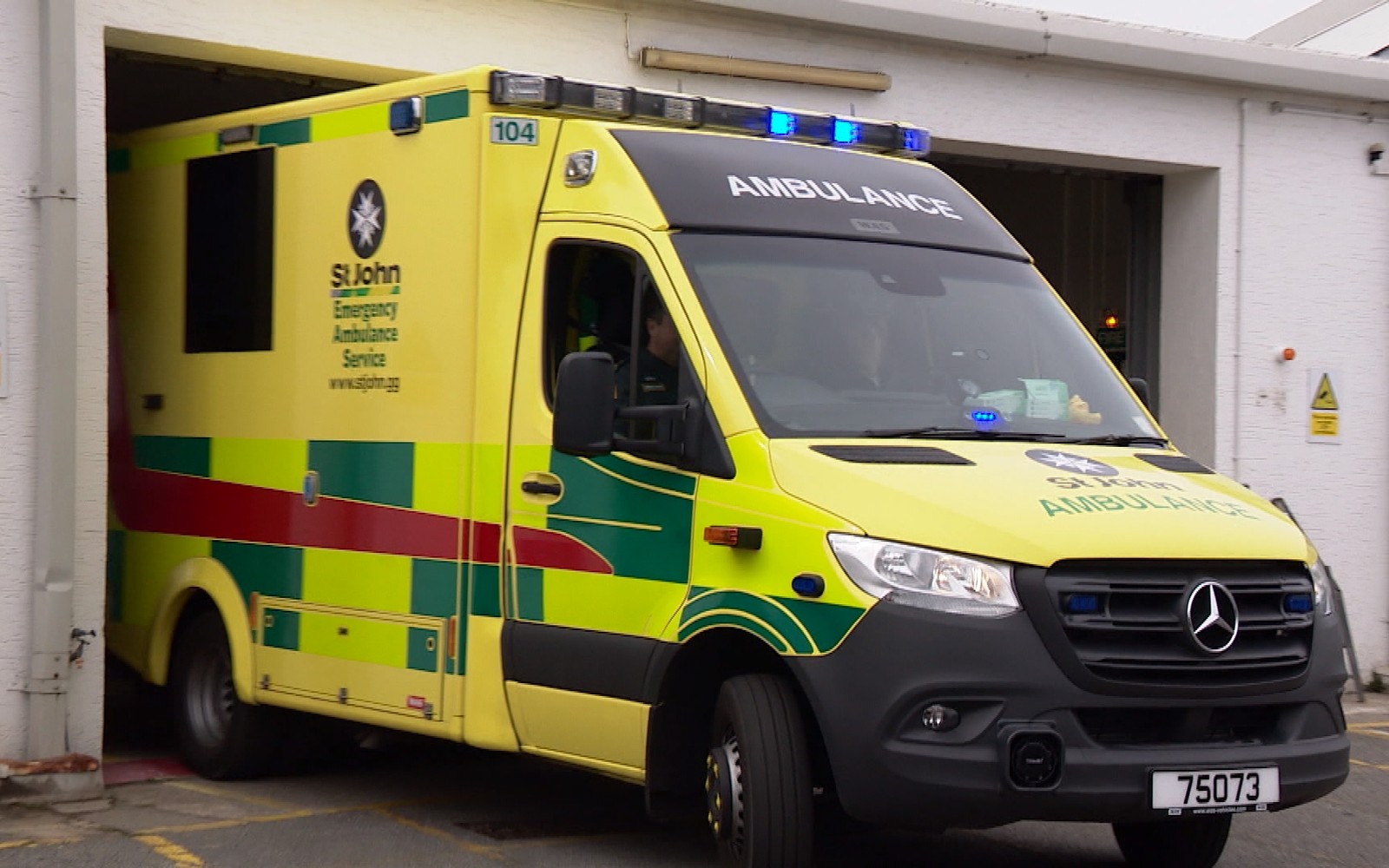
Fire apparatus financing often exists alongside other emergency response fleet needs. Ambulances are a closely related category for departments that provide EMS services in addition to fire suppression. Our ambulance fleet financing covers both Type I (truck-based) and Type III (van-based) configurations under the same program terms.
Departments and private emergency service operators who run support vehicles alongside their primary apparatus can finance those units together. Service trucks, utility vehicles, and command units can be included in the same transaction as the primary apparatus if they are being acquired simultaneously.
For departments in markets with significant growth in wildland fire risk, the brush truck and Type 6 unit market has grown substantially. These lighter apparatus often fall below $200,000 and finance quickly through our application-only program. Operators in the Southwest, Mountain West, and Pacific Coast regions have seen particularly strong demand for these units in recent years.
Operators in Phoenix and Las Vegas serving rapidly growing communities with ongoing construction activity represent exactly the profile where apparatus replacement cycles accelerate faster than budgets allow, making financing a standard operational tool.