Mississippi's freight economy runs deeper than its population might suggest. Jackson sits at the intersection of I-20 and I-55, two of the busiest freight arteries in the Deep South. Ag freight, forest products, poultry, and catfish processing run east and west on I-20. Memphis-to-New Orleans freight on I-55 passes through the metro. Distribution centers for major retailers operate in the Flowood and Richland areas east of downtown, generating consistent box truck and van traffic. The fleet operators who hold capacity in Jackson hold real market position.
We finance truck fleets for Jackson-area operators starting at $50,000, with most deals in the $100,000 to $150,000-plus range. Applications up to roughly $400,000 run on documentation only, no tax returns. Funding moves in one to two weeks. We cover new equipment, used trucks, refinancing current notes, and sale-leaseback on trucks the business already owns. Operators running flatbed trucks for timber and lumber freight from the Mississippi piney woods have used this program to add capacity without waiting on a bank that doesn't understand forest products freight.
What Drives Fleet Demand Around Jackson
Agriculture is the dominant freight generator in Mississippi, and Jackson is the gateway to it. Catfish farming in the Delta region to the northwest generates refrigerated freight moving product to processing plants and distribution. Poultry production in the eastern counties produces volume that funnels through Jackson on its way to the Southeast and Midwest. Row crop agriculture, soybeans, corn, and cotton, creates seasonal bulk freight surges that ag haulers in the Jackson area build their schedules around.
Forest products are the other pillar. Mississippi ranks among the leading states in timber production. Logging trucks, chip vans, and flatbeds carrying dimensional lumber and plywood are a fixture on state highways south and east of Jackson. The Hattiesburg and Laurel corridor is particularly active. Operators running that circuit often need seasonal deferred-payment financing because the timber cycle doesn't produce even monthly cash flows.
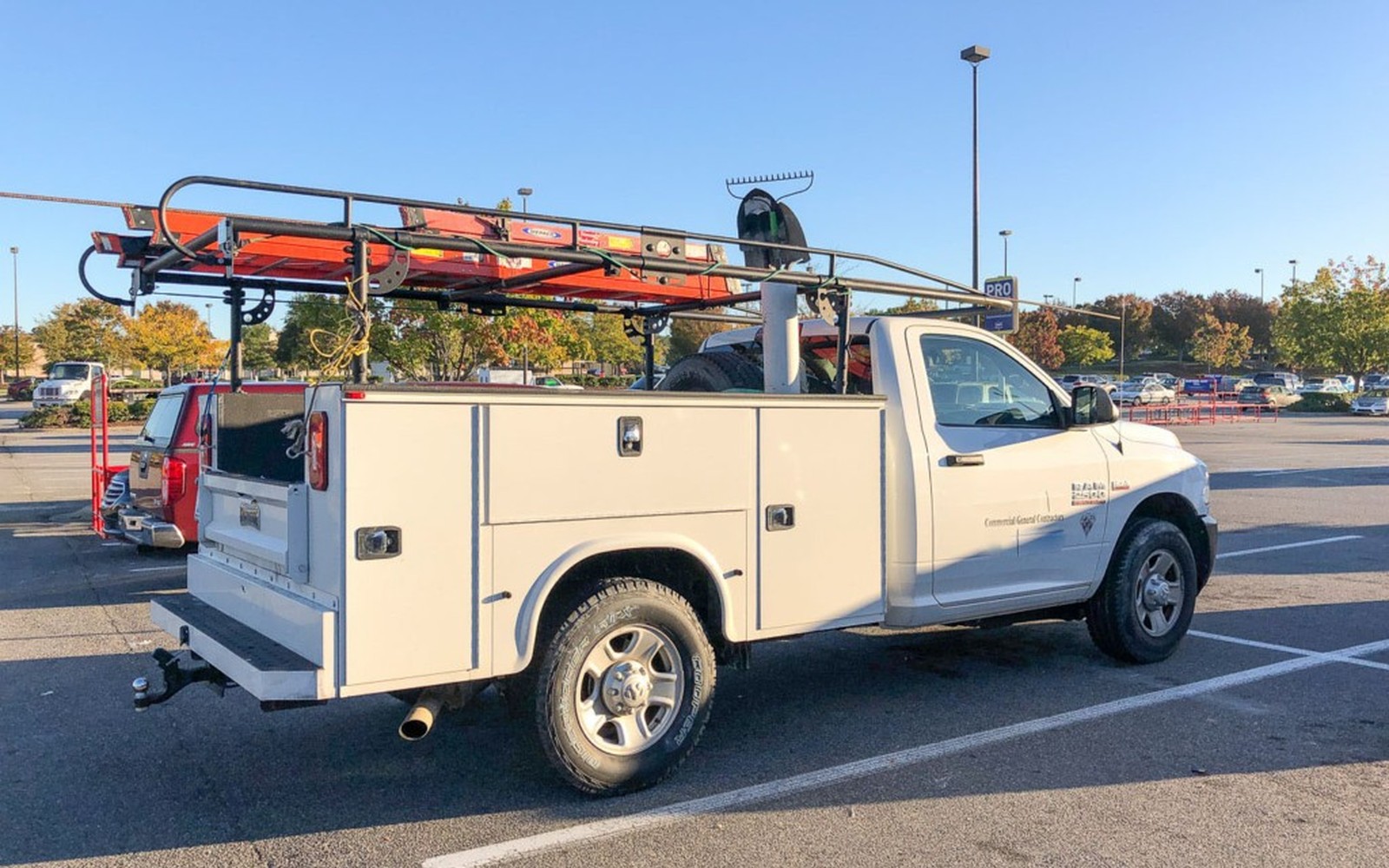
Construction demand in Jackson is steady if not spectacular. State government and municipal projects, along with private commercial development in the Madison and Rankin County suburbs, keep aggregate haulers and concrete trucks occupied. Construction fleet financing for dump trucks and mixer units working central Mississippi site work is a common transaction here. Operators who need a full equipment note rather than a single-truck loan benefit from our fleet-level financing program that covers multiple units under one structure. Utility work for Entergy Mississippi and local co-ops generates demand for utility truck fleets operated by electrical and telecom contractors across the central part of the state.
How the Numbers Work
Fleet financing rates and terms depend on the credit profile, the age and type of equipment, the transaction size, and the deal structure. We don't publish rate tables because the combination of those variables means a generic rate is meaningless. What we can tell you is that we structure deals to fit the operator's cash flow, not a generic payment that ignores how the business earns.
For operators with stronger credit, standard loan terms run from 36 to 72 months on commercial trucks. Used equipment typically gets shorter terms than new. Specialty trucks like timber trucks or refrigerated units may have different residual value curves that affect the lender's appetite on term length. A TRAC lease structure can reduce the monthly payment compared to a fully amortizing loan because it builds in a residual at the end. A TRAC lease on a flatbed or utility truck is often the right structure for operators who want the lowest possible monthly and are comfortable with the balloon at maturity.
The $50,000 minimum applies across all transaction types. There's no firm ceiling, though larger transactions take additional documentation. For most Jackson-area operators running five to fifteen units, the deal falls well within the application-only range and moves without the tax return and financial-statement requirements that slow down bank financing.
B and C credit operators are reviewed on the full picture. A slow-pay history from a prior freight downturn, a tax lien that's been resolved, or a business that's still establishing credit history can all be worked through if the current cash flow supports the payment. We don't make lending decisions from a credit score alone. Operators who've been told no elsewhere are worth a conversation.