Tulsa's freight economy runs on oil, steel, and agriculture, and the trucks that move those industries don't take breaks. The Port of Catoosa, just upstream on the Arkansas River, sits at mile 445 of the McClellan-Kerr Arkansas River Navigation System and handles barge cargo that then moves by road across northeastern Oklahoma and into Kansas, Missouri, and Arkansas. Flatbeds loaded with pipe, coiled tubing, and oilfield machinery roll out of the Tulsa metro every day of the year. When a unit in that operation goes down or a new contract demands capacity you don't yet have, idle time is the cost and we're the fix.
We finance truck fleets from $50,000 up, with a sweet spot in the $100,000 to $150,000-plus range. New iron, used equipment from a dealer or private party, refinancing a note with room for better terms, or a sale-leaseback to pull capital out of trucks you already own free and clear. Fleets servicing the oilfield corridors running south toward McAlester or west toward Enid have used us to add flatbed trucks for oilfield freight without waiting months for bank underwriting. Operators who need oilfield services fleet financing for the Anadarko Basin region find this program fits how that work actually cycles. Applications up to roughly $400,000 move on application only, and funding typically lands within one to two weeks.
What Drives Tulsa Fleet Demand
Northeastern Oklahoma is not a single-industry market. ONEOK, Williams Companies, and a cluster of midstream operators headquartered in Tulsa generate steady demand for pipe, valve, and compressor freight. The Tulsa Port of Catoosa regularly ranks among the busiest inland ports in the country, moving agricultural commodities, steel, and manufactured goods that fan out by truck once they leave the terminal. Sand and aggregate haulers serving the construction boom along the Creek Turnpike and Highway 412 expansion add another layer of demand.
Agriculture feeding northeast Oklahoma also means seasonal grain and fertilizer hauls. Fleets running that circuit see load cycles that don't match bank payment schedules, which is why seasonal and deferred-payment financing fits certain operators here better than a standard monthly structure. We work through the payment design with each fleet so the note lines up with how the business actually earns.
The downstream petrochemical corridor between Tulsa and Cushing, the self-described Pipeline Crossroads of the World, pulls tanker and vacuum equipment that services tank farms, pipeline tie-ins, and maintenance contractors. Operators in that corridor often need vacuum truck fleet financing sized for multi-unit purchases rather than a single-truck note.
What Qualifies for Financing Here
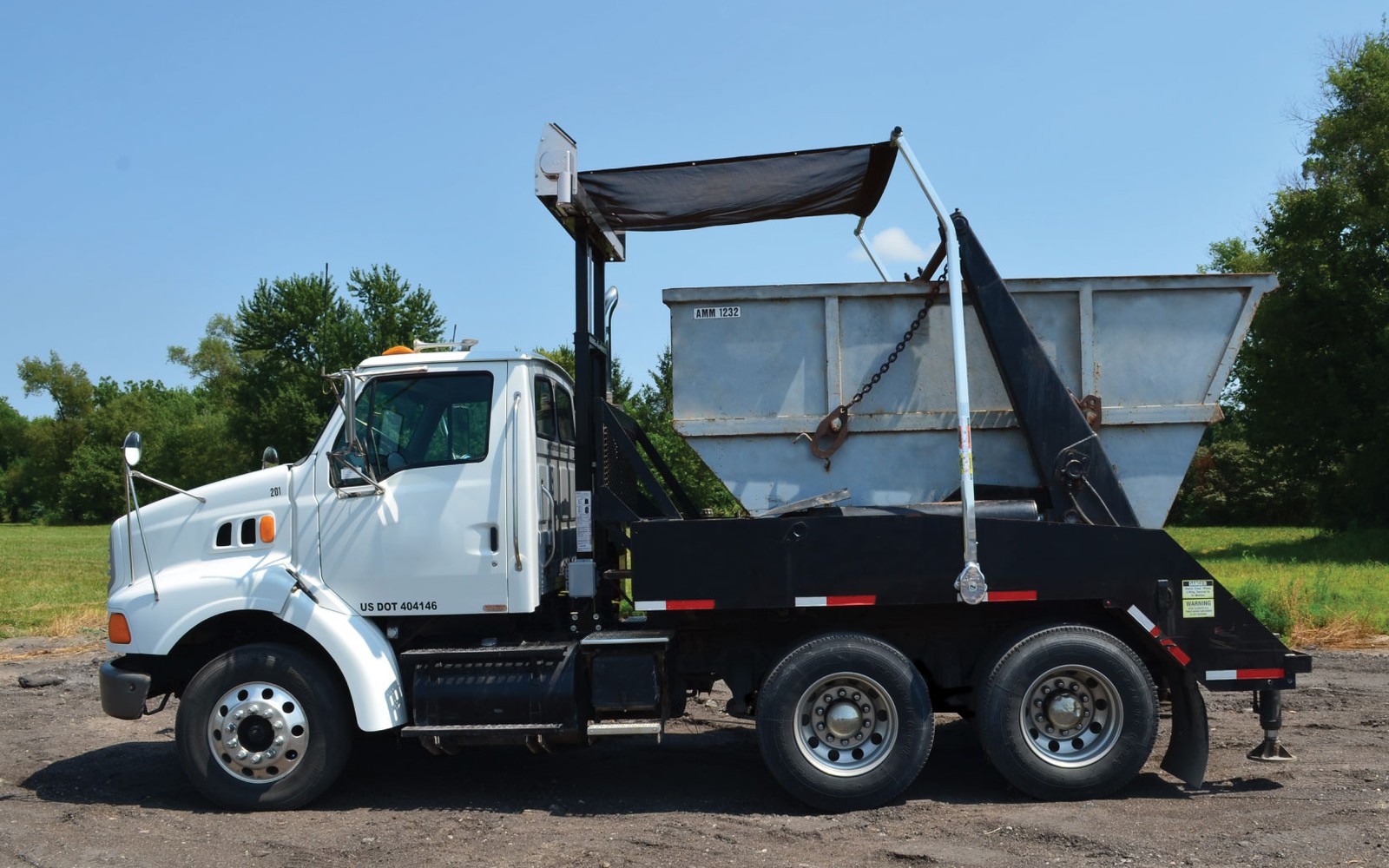
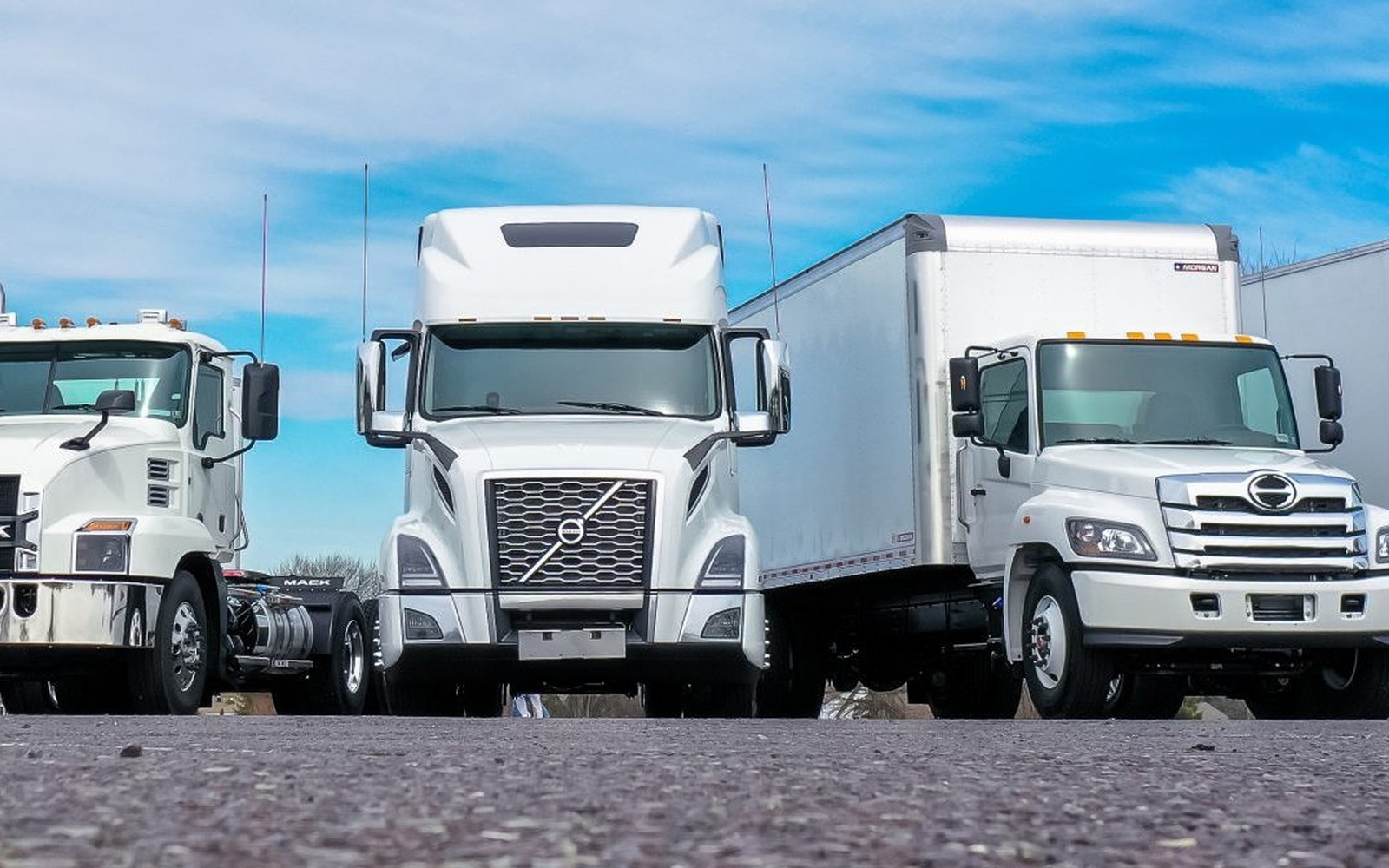
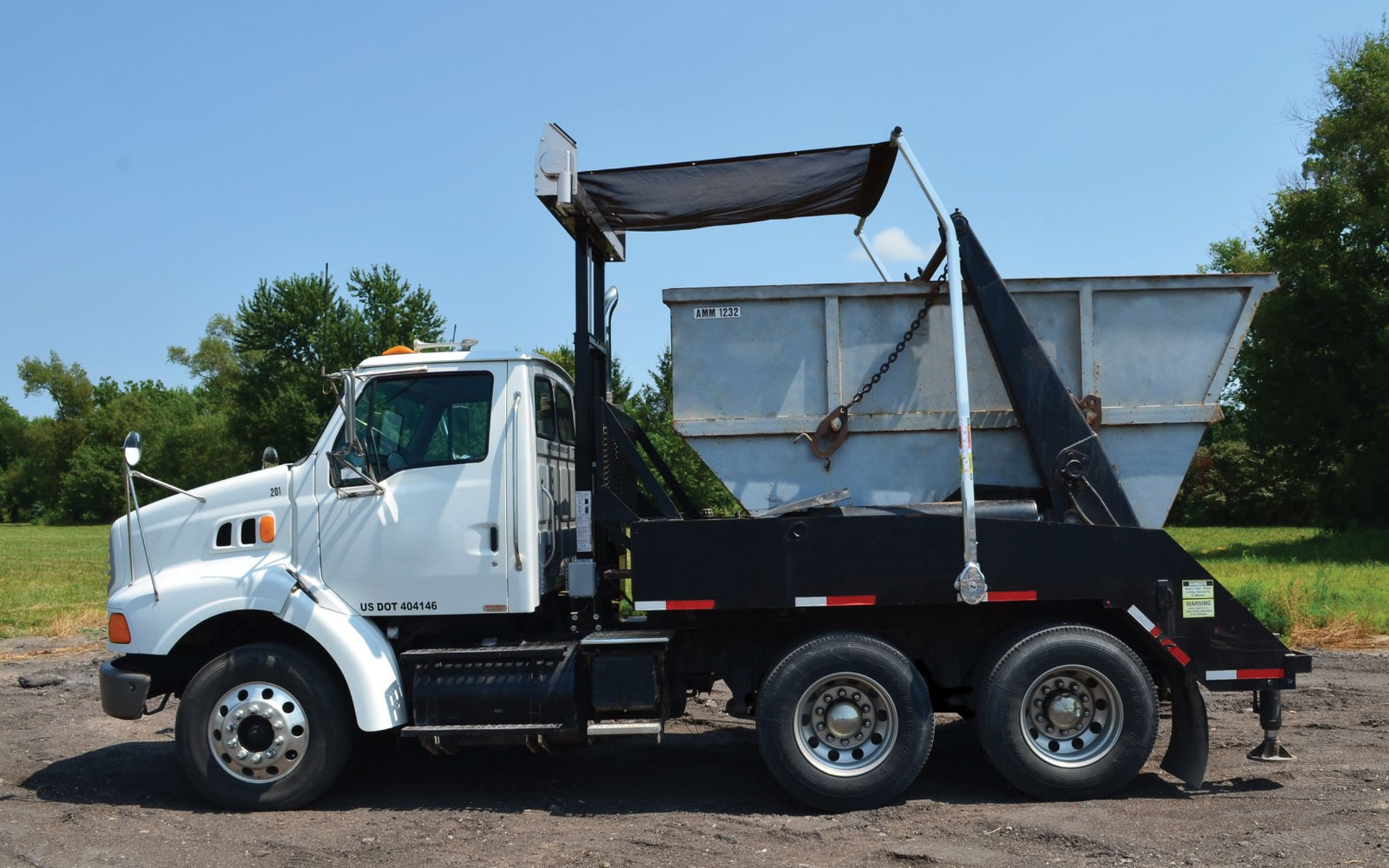
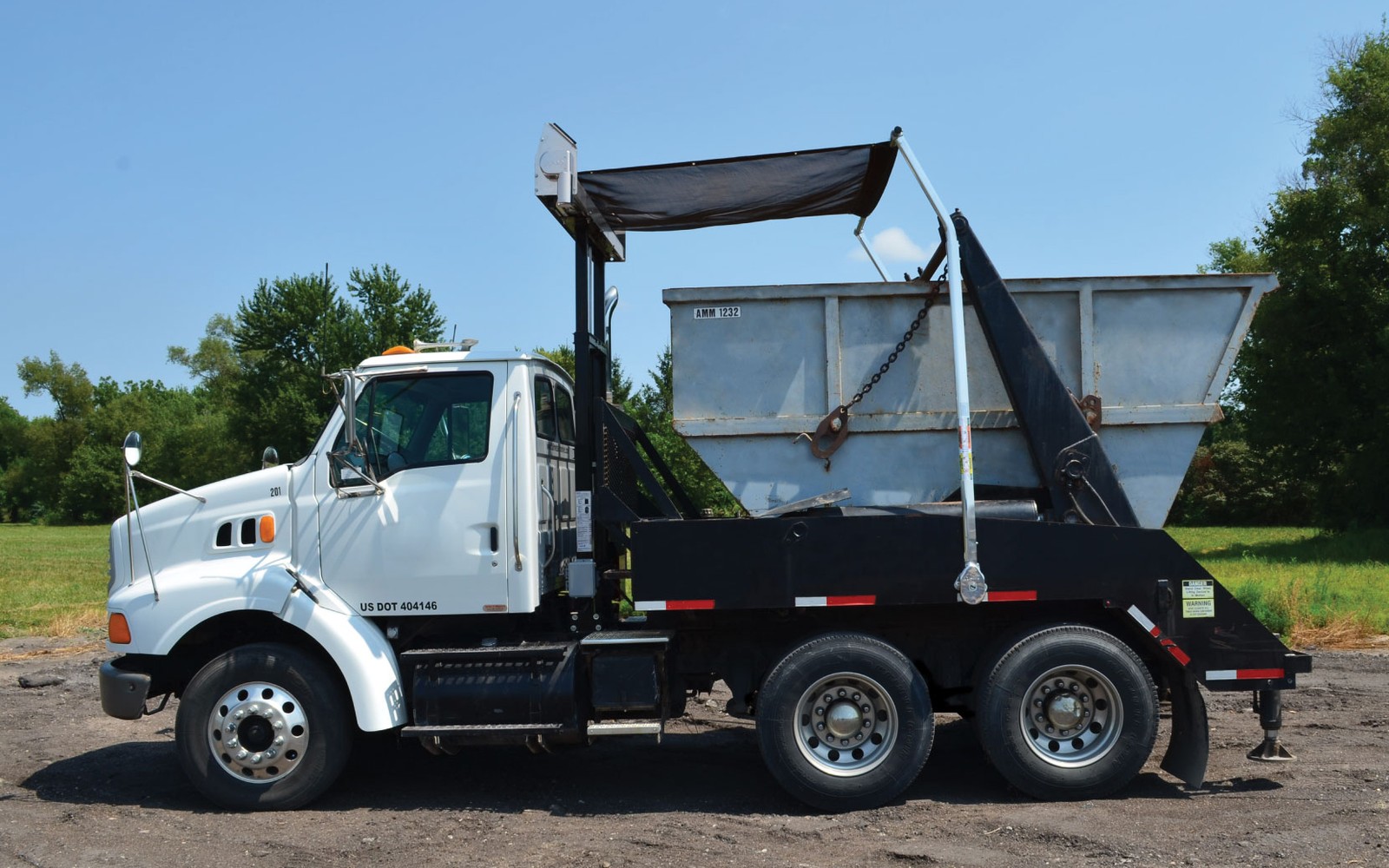
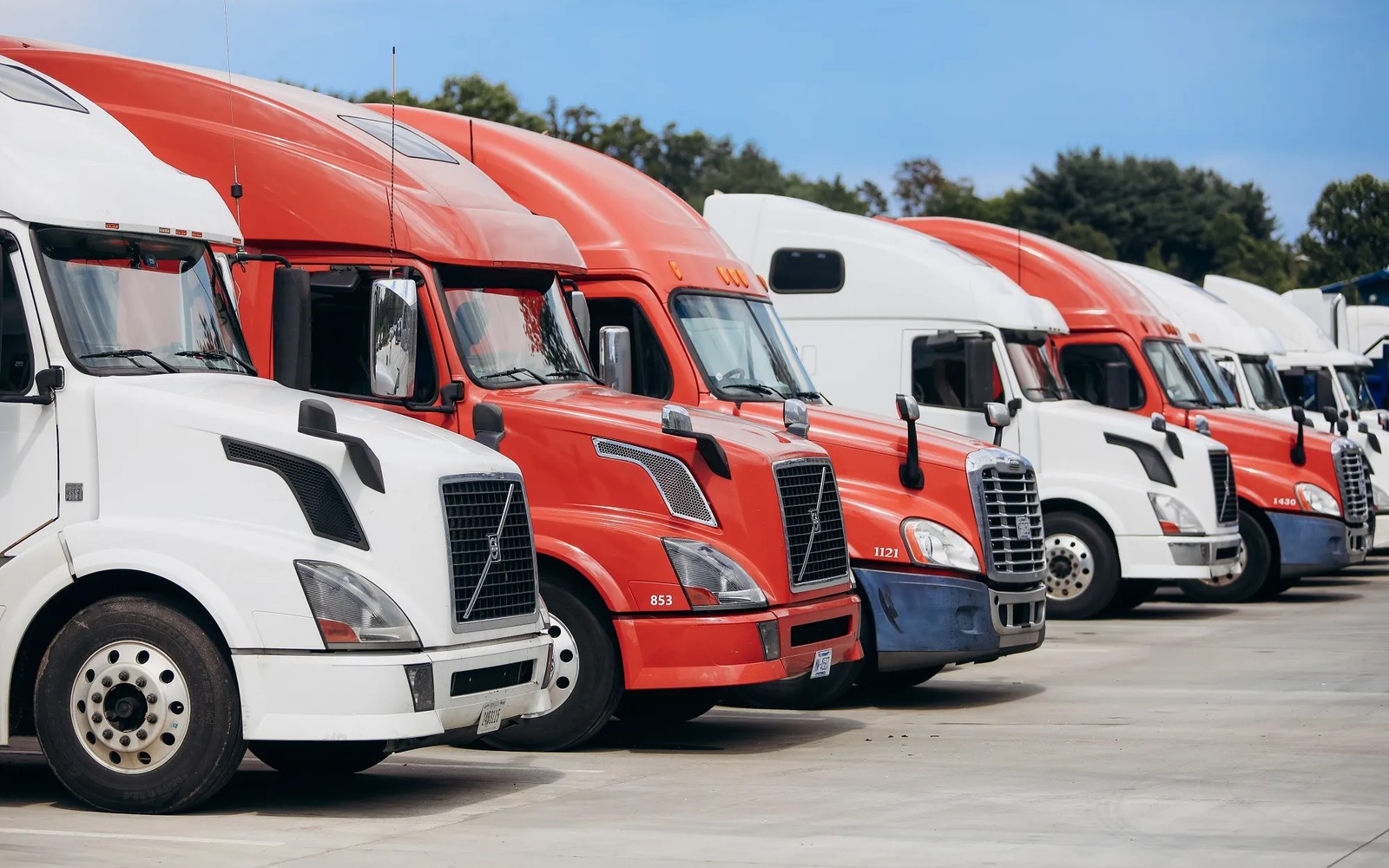
Eligible equipment spans the full commercial truck spectrum. Day cabs and sleepers running I-44 freight lanes, dump trucks working Tulsa construction sites, flatbeds serving the energy patch, refrigerated units moving food distribution loads from the retail distribution centers in the metro, and specialty trucks like crane trucks for utility and industrial work. If it has a commercial title and generates revenue, we can usually structure it.
- New equipment from franchised dealers or manufacturers
- Used equipment from dealers, auctions, or private sellers
- Refinancing current notes to lower monthly obligations or pull cash out
- Sale-leaseback on titled equipment your business already owns
- Multi-unit purchases under one transaction
B and C credit histories are reviewed individually. A few late payments or a prior restructure don't automatically close the door. We look at the fleet's operating history, the contracts in place, and the cash flow behind the business. Three months of business bank statements and the equipment details are typically all we need to open underwriting.
How Quickly Funding Moves
Standard bank timelines stretch four to eight weeks, sometimes longer when committee approval is required. That pace doesn't work when a unit is down and the replacement is sitting at a dealer lot waiting for a check. Our process compresses that to one to two weeks for most transactions. Applications up to roughly $400,000 run on application only, meaning no tax returns and no audited financials for that range.
Larger transactions do require three months of business bank statements and may take a few additional days in underwriting. The structure we propose, whether a standard loan, a TRAC lease, or a dollar-buyout lease, depends on how the operator wants to handle end-of-term ownership and what the accountant's preference is on the depreciation schedule. We walk through the options before anything is signed.